

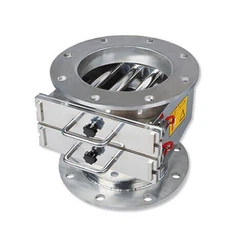
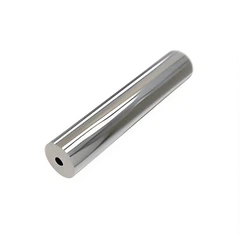
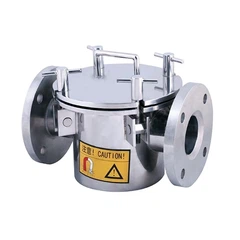










What Is a Magnetic Rod?
Our magnetic bar has neodymium magnets inside a stainless steel cylinder. They are used widely for removing iron powder when separating metals from other waste for recycling, food production, and spinning. By implementing a neodymium rod magnet in a production line as a magnetic separator, it is possible to prevent metal contaminants (iron scrap or fine iron powder, etc)from getting into food. There are M8 tapped holes on both ends, making it easy to insert into machines. Please choose an outer case, surface flux density, and heat-resistant specification that are suitable for your demands.
-
![GME Magnetic Tube 12000 Gauss- Mirror Finish]() GME Magnetic Tube 12000 Gauss- Mirror FinishMagnetic tubes description The magnetic bar is made of rare earth permanent, coated with stainless steel tube and are seal-welded. By using its power magnetic force, small ferromagnetic impurity
GME Magnetic Tube 12000 Gauss- Mirror FinishMagnetic tubes description The magnetic bar is made of rare earth permanent, coated with stainless steel tube and are seal-welded. By using its power magnetic force, small ferromagnetic impurity -
![Magnetic Tube Strong Magnetic Filter Rod]() Magnetic Tube Strong Magnetic Filter RodOur magnetic tubes are produced with waterproof welding to avoid water penetration during use. Our highest Gaussian can reach 15000GS.
Magnetic Tube Strong Magnetic Filter RodOur magnetic tubes are produced with waterproof welding to avoid water penetration during use. Our highest Gaussian can reach 15000GS. -
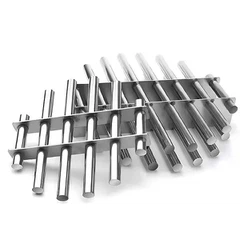
![Filter Bag Magnet Magnetic Grid]() Filter Bag Magnet Magnetic GridThe bag filter magnet is used wherever there is a need to separate metals from liquids and where fabric filters are still used for this separation. The separation efficiency of these fabric filters
Filter Bag Magnet Magnetic GridThe bag filter magnet is used wherever there is a need to separate metals from liquids and where fabric filters are still used for this separation. The separation efficiency of these fabric filters -
![12000 Gauss Magnetic Filter Rod]() 12000 Gauss Magnetic Filter RodStrong Force 10000gauss 12000gauss 14000gauss Staniness Steel 304 316 Magnet Bar Magnetic Rod. The magnetic rod is a simple and practical magnetic filter with a wide range. It is used to adsorb the
12000 Gauss Magnetic Filter RodStrong Force 10000gauss 12000gauss 14000gauss Staniness Steel 304 316 Magnet Bar Magnetic Rod. The magnetic rod is a simple and practical magnetic filter with a wide range. It is used to adsorb the -
![Custom Permanent Magnetic Filter Rod For Iron Scrap Cleaner]() Custom Permanent Magnetic Filter Rod For Iron Scrap CleanerMagnetic bars are made with rare earth magnets and stainless steel. The magnetic force is 2000-14000 Gs.
Custom Permanent Magnetic Filter Rod For Iron Scrap CleanerMagnetic bars are made with rare earth magnets and stainless steel. The magnetic force is 2000-14000 Gs. -
![Neodymium Magnetic Rods Filter Tube Bar]() Neodymium Magnetic Rods Filter Tube BarMagnetic tubes description The magnetic bar is made of rare earth permanent, coated with stainless steel tube and are seal-welded. By using its power magnetic force, small ferromagnetic impurity
Neodymium Magnetic Rods Filter Tube BarMagnetic tubes description The magnetic bar is made of rare earth permanent, coated with stainless steel tube and are seal-welded. By using its power magnetic force, small ferromagnetic impurity -
![Square Magnetic Rod Separator Customized For Lithium Battery]() Square Magnetic Rod Separator Customized For Lithium BatteryMagnetic bars, tube magnets are usually made of SUS304, SUS316, or SUS 316L tubes filled with permanent magnets by specialized design. Either round or square shape magnetic rods are available for
Square Magnetic Rod Separator Customized For Lithium BatteryMagnetic bars, tube magnets are usually made of SUS304, SUS316, or SUS 316L tubes filled with permanent magnets by specialized design. Either round or square shape magnetic rods are available for -
![14000GS Iron Removal Magnetic Rods Food Grade Tube Magnet]() 14000GS Iron Removal Magnetic Rods Food Grade Tube MagnetGME is a professional manufacturer and exporter of Magnetic Rod, magnetic filter rods, High-Performance Filter Rod Magnet in china. We supply high quality of Food Industry Grade Stainless Steel
14000GS Iron Removal Magnetic Rods Food Grade Tube MagnetGME is a professional manufacturer and exporter of Magnetic Rod, magnetic filter rods, High-Performance Filter Rod Magnet in china. We supply high quality of Food Industry Grade Stainless Steel -
![Rare Earth Rod Magnets Magnetic Separation]() Rare Earth Rod Magnets Magnetic SeparationMagnetic tubes for magnetic separators, are made from high-power NdFeB magnets and stainless tubes by well welding and polishing, they are also named magnetic rod, magnetic bar, magnetic filter bar.
Rare Earth Rod Magnets Magnetic SeparationMagnetic tubes for magnetic separators, are made from high-power NdFeB magnets and stainless tubes by well welding and polishing, they are also named magnetic rod, magnetic bar, magnetic filter bar. -
![Magnetic Rod Rare Earth Magnetic Bar Filter Stick 14000gauss Tube Magnets]() Magnetic Rod Rare Earth Magnetic Bar Filter Stick 14000ga...Magnetic rods, magnetic rod filters may apply in medicines, sanitation, textile, machinery, and foodstuffs. The filer will attract iron/steel substances away from liquids, from among grains or
Magnetic Rod Rare Earth Magnetic Bar Filter Stick 14000ga...Magnetic rods, magnetic rod filters may apply in medicines, sanitation, textile, machinery, and foodstuffs. The filer will attract iron/steel substances away from liquids, from among grains or


Types of Magnetic Tubes

Argon Arc Welding Head

Crimping Head

Internal Thread

External Thread

With Ring

With Handle Cover
Magnet Rod Technical Drawing

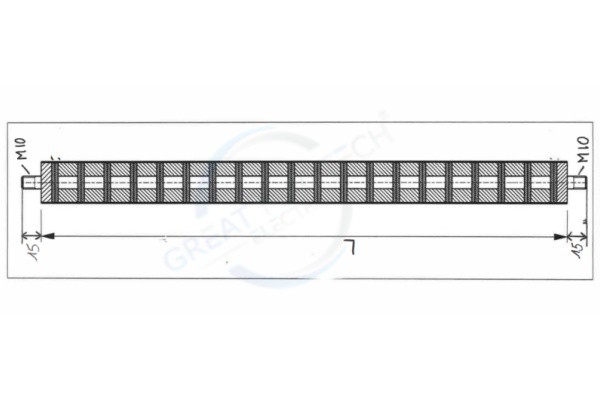


If you need images without watermarks or more technical diagrams, please click the button below to contact us.
Obtain Technical Drawings
Magnetic Rod Separation Introduction
These magnetic rod filters are composed of magnets fitted inside seamless, drawn, and heat-treated SS 304L or 316L tubes. The thickness of the tube magnets is optimized to obtain the highest efficiency of the magnets inside. Bar Magnets are hard ferrite ceramic magnets or high-intensity rare earth magnets. The overall construction of the magnetic grills can also be made per the customer's specifications and sizes. When optimized to handle flow rates and high ferrous material deposition levels, these strong neodymium rod magnets serve as the heart of Magnetic grills and Filters.


Working Principle of Tubular Magnets
A magnetic filter bar works by creating a strong magnetic field that pulls iron particles out of the material flowing around it. When powders, granules, or liquids move past the rod, any ferrous contaminants are drawn to its surface and held firmly in place. This prevents those particles from entering downstream equipment or mixing into the final product.
The strong magnetic core generates high-intensity attraction.
Stainless steel housing keeps the magnetic field stable and easy to clean.
Once the rod is removed from the flow, the collected metal can be wiped off in a quick cleaning step.
Magnets Bar Information
Condition: New
Type: Magnetic Separator
Production Capacity: 100%
Place of Origin: Xiamen, China (Mainland)
Voltage: According to Site Specs
Dimension: D25*highest 3000 mm
Weight: According to the Cheap bar magnets Model
Certification: CE, ISO, GBT.
Application: Material Separation and Sorting
Keywords: Magnetic Separation
Installation: Easy Installation
Function: Material Separation and Sorting
Color: Silver
Magnetic Intensity: 2500-13000 Gauss
Separation: Ferrous and Non-Ferrous Material
Magnetic Bar Specification
The GME 12000 gauss magnet is made of a high-quality stainless-steel tube and rare-earth alloy NdFeB, and is made by a special production method. It can be combined with a holder to form a magnetic filter. When the iron-containing substance passes, it is attracted by the force bar, and the iron-containing substance is firmly adsorbed on the pipe wall of the magnetic bar to ensure the integrity of the equipment and the safety of the product.
| Magnetic strength | Working Temperature(°C) |
| ||||||
| Steel tube outside diameter | 2500GS | 5000GS | 6000GS | 7000GS | 8000GS | 10000GS | 12000GS | 13000GS |
| Ф6(0.24") | 350°C | - | - | - | - | - | - | - |
| Ф8(0.31") | 350°C | - | - | - | - | - | - | - |
| Ф9(0.35") | 350°C | - | - | - | - | - | - | - |
| Ф10(0.39") | 350°C | - | - | - | - | - | - | - |
| Ф 12(0.47") | 350°C | 350°C | - | - | - | - | - | - |
| Ф16(0.63") | 350°C | 350°C | 350°C | - | - | - | - | - |
| Ф19 (0.75") | 350°C | 350°C | 350°C | 180°C | - | - | - | - |
| Ф20.3(0.80") | 350°C | 350°C | 350°C | 180°C | - | - | - | - |
| Ф22 (0.85") | 350°C | 350°C | 350°C | 180°C | 180°C | - | - | - |
| Ф25 (1.00") | 350°C | 350°C | 350°C | 180°C | 180°C | 180°C | 180°C | 180°C |
| Ф32 (1.25") | 350°C | 350°C | 350°C | 180°C | 180°C | 180°C | 180°C | 180°C |
| Ф38 (1.50") | 350°C | 350°C | 350°C | 180°C | 180°C | 180°C | 180°C | 180°C |
| Ф50 (1.75") | 350°C | 350°C | 350°C | 180°C | 180°C | 180°C | 180°C | 180°C |
| Ф63(2.48") | 350°C | 350°C | 350°C | 180°C | 180°C | 180°C | 180°C | 180°C |

Standard vs High-Intensity Magnetic Bar
Choosing between a standard magnetic bar and a strong magnetic rod depends on your material type and separation requirements. The table below highlights the main differences to help you make a clear decision.
Feature | Standard | High-Strength | High-Intensity |
|---|---|---|---|
Surface Gauss | 8,000–10,000 Gauss | 10,000–12,000 Gauss | 12,000–15,000 Gauss |
Suitable Materials | Granules, coarse powder | Medium-fine powders | Very fine or weak ferrous particles |
Typical Industry | Plastics, grains | Food, chemical powder | Battery materials, pharmaceutical |
Magnetic Core | Standard rare earth | Optimized high-energy core | Maximum energy rare earth core |
Separation Performance | Basic metal removal | Improved capture efficiency | Ultra-fine particle separation |
Cost Level | Economical | Medium | Higher |
Construction of Magnetic Filter Rods
The magnetic rod’s shell is from 300 series stainless steel (304 or 316), polished to a smooth finish. The rods are an inch (25 mm) in diameter, from 4 inches long to 60 inches long. End plugs are continuously welded and can be smooth (300 S.S.) or threaded and countersunk (400 S.S.) to your specifications. Neodymium tube magnets can be manufactured for working temperatures from 176 °F (80 °C) to 662 °F (350 °C).


Process of Magnetic Bar Separator
01
Raw Material Inspection
02
Raw Materials in Storage
03
Start of Production
04
Processing of Both Ends of the magnetic filter bar
05
Stainless Steel Tube Polishing
06
Magnetic Rod Making
07
Polished Ends of the neodymium magnetic rod
08
Wipe-cleaning of Magnetic Rods
09
Inspection (Size, Gaussian)
10
Packaging
Our Advantage
For the long-term use of a magnetic bar, at Greatmagtech, we use the best raw materials to make products. This makes the customer repurchase rate as high as 80%.
Neodymium magnets rated up to 15,000 G
Separation of magnetic particles from 1 µm
Heavy-duty stainless steel design
Separators can be loaned
Separators in stock
Material testing
Before shipment, 10% of our magnet bars will be randomly inspected. Test Gauss performance, surface flatness, and surface flaws. And issue a product test report to send to the customer.

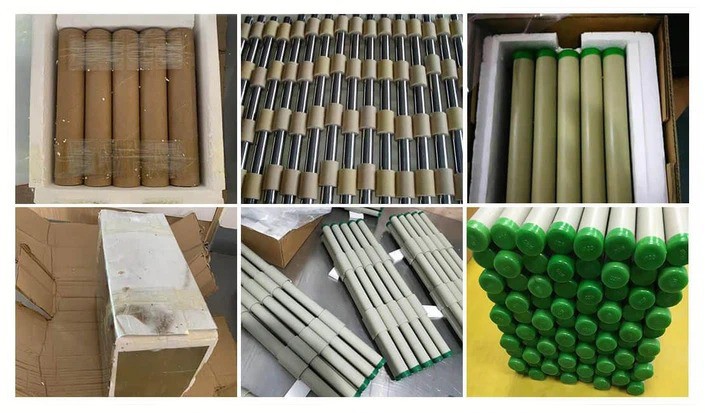
Export Packaging
GME has more than 15 years of experience in magnet packaging. We will learn how to reduce transportation costs while ensuring that the product is not damaged. We can choose different packaging methods according to different magnetic bar characteristics and transportation methods. We add foam, waterproof bags, and wooden blocks to the packaging. In the past five years, the complaint rate for packaging damage was less than 0.04%.
Customer Review
You can see how real users respond when they receive their magnetic rods. One customer recently shared a message saying the magnets arrived safely and the packing was “good.” That kind of feedback tells you what to expect when you place your own order. The products come well-protected, the carton is reinforced, and each magnetic tube is wrapped to prevent damage during shipping.
It’s a simple review, but it shows what matters most: you get your magnetic rods on time, in good condition, and ready to use.

Magnetic Filter Rod Application
Besides removing the ferrous contaminants from liquid and semi-liquid substances, they are widely used in environmental protection, chemical industries, building materials, ceramics, plastics, pharmaceuticals, power generation, coal, and other.
Clean Magnetic Rod
Keeping your magnetic tubes clean is one of the simplest ways to maintain strong performance. When the rod collects metal fragments, they build up on the surface and slowly reduce its ability to capture new particles.
How to Clean It
You only need a few steps:
Remove the rod from the material flow.
Wipe the surface with a dry cloth to clear the metal dust.
For heavier buildup, rinse the housing and dry it before placing it back.
Why It Matters
A clean magnetic filter rod works more efficiently, protects your equipment, and keeps your finished products safer. Regular cleaning also helps you spot any damage early, so you can fix small issues before they affect your process.

Our Certificate
Different from the magnetic bar on the market, the stainless steel used in our products is food-grade stainless steel, which means more environmental protection and durability. It can be used in direct contact with food and is harmless, and the quality has been certified.
The lead content of food-grade stainless steel is much lower than that of general stainless steel. Our products have passed China International CNAS CTT testing agency-accredited testing. You can use it without safety concerns.

304 Stainless Steel

316 Stainless Steel

CE

ROHS
FAQs
Q: Can you use a magnetic rod in liquid applications?
A: Yes. As long as the rod is sealed properly and made with food-grade stainless steel, it can work in liquids and slurry materials.
Q: Does the magnetic strength fade over time?
A: Not quickly. A high-quality magnetic rod keeps most of its strength for years, especially when it’s stored and used in normal conditions.
Q: What size magnetic rod should you choose?
A: It depends on your hopper, pipeline, or material flow. Larger diameters give you a wider magnetic field, while smaller ones fit tighter spaces.
Q: Can you make a magnetic rod for food-grade use?
A: Yes. Food plants often need 316L stainless steel, smooth welding, and a polished surface. All of those can be customized for your system.
Q: Can you customize the magnetic rod?
A: Yes, you can. Many production lines use different hopper sizes or unique layouts, so custom magnetic rods often fit better than standard ones.


Get quality magnetic bar from professional magnetic bar manufacturers and suppliers here. Our factory offers the best products with the lowest price.
12000 gauss magnet, magnetic tube, magnetic rod


