













What Are Samarium Cobalt Magnets?
Samarium cobalt magnets, also known as SmCo magnets, are a type of rare-earth magnet made from an alloy of samarium and cobalt. They are known for their strong magnetic force and stable performance in high-temperature environments. Unlike many other magnets, samarium cobalt magnets can maintain their magnetic strength even when exposed to heat. Depending on the grade, they can operate at temperatures between 250°C and 350°C without significant loss of performance. They also offer excellent corrosion resistance, which means they often do not require additional coating or plating for protection. There are two main types of SmCo magnets: SmCo5 and Sm2Co17, both designed for applications that demand high stability and resistance to demagnetization. Because of these properties, samarium cobalt magnets are widely used in aerospace equipment, high-temperature motors, sensors, and other precision industrial systems where reliability is critical.
-
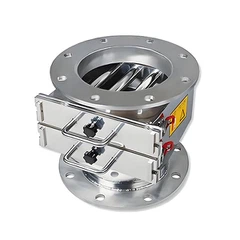
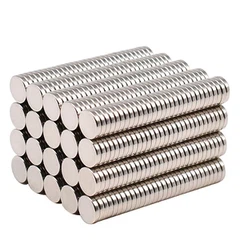
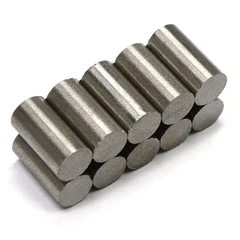
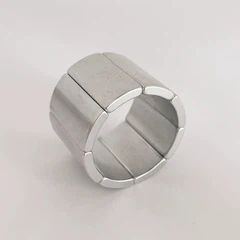
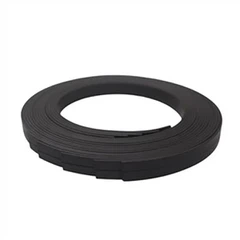
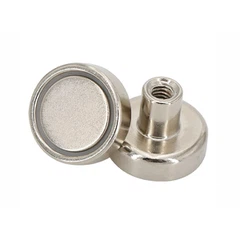
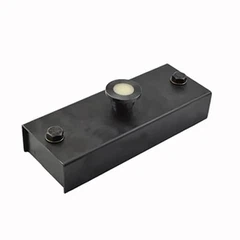
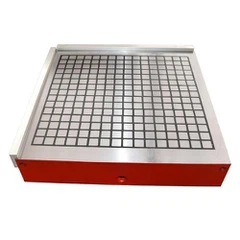
![Samarium Cobalt]() Samarium CobaltSuper Permanent Strong Samarium Cobalt Magnets Description Of Super Permanent Strong Samarium Cobalt Magnets Permanent strong Samarium Cobalt Magnets are made of Sintered SmCo Magnet,
Samarium CobaltSuper Permanent Strong Samarium Cobalt Magnets Description Of Super Permanent Strong Samarium Cobalt Magnets Permanent strong Samarium Cobalt Magnets are made of Sintered SmCo Magnet, -
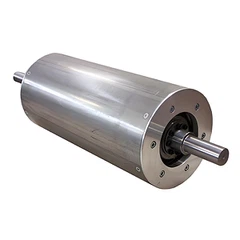
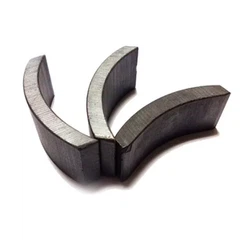
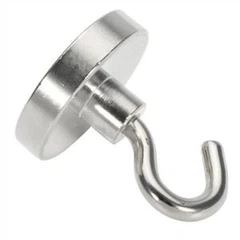
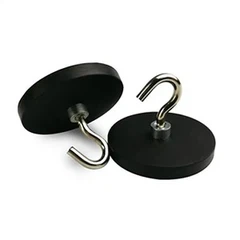
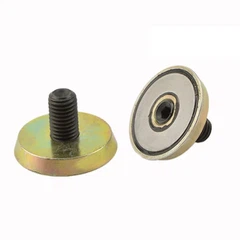
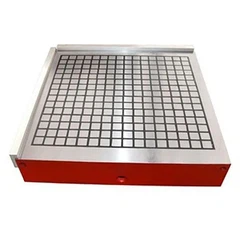
![SmCo Magnet]() SmCo MagnetSuper Permanent Strong Samarium Cobalt SmCo Magnets Description Of Super Permanent Strong Samarium Cobalt SmCo Magnets Permanent strong Samarium Cobalt Magnets are made of Sintered SmCo Magnet,
SmCo MagnetSuper Permanent Strong Samarium Cobalt SmCo Magnets Description Of Super Permanent Strong Samarium Cobalt SmCo Magnets Permanent strong Samarium Cobalt Magnets are made of Sintered SmCo Magnet, -
![SmCo]()


Advantages of Samarium Cobalt Magnets
Can be used in extremely cold conditions (e.g., to a few Kelvin above absolute zero).
SmCo can be used up to +300 degrees C (572F); the H-rated versions up to +350 degrees C (662F).
High coercivity (Hci) to resist demagnetization.
Above +150 to +180 degrees C (302-356F), the SmCo magnet starts to offer more performance than NdFeB magnet grades.
SmCo is regarded as being corrosion-resistant.
Very low field strength changes with varying temperatures.

Temperature Grades of Samarium Cobalt Magnets
Samarium Cobalt Magnet Grades of SmCo 5 (Sintered SmCo Magnet)
| Grade | Type | Br (T) | Br (KGs) | Hcb (kA/m) | Hcb (kOe) | Hcj (kA/m) | Hcj (kOe) | (BH)max (kJ/m³) |
(BH)max (MGOe) |
Curie Temp Tc (°C) | Max Operating Temp Tw (°C) | Temp Coef α Br (%/°C) | Temp Coef β Hcj (%°C) |
|---|---|---|---|---|---|---|---|---|---|---|---|---|---|
| 1:9/27 | SmCo5 | 0.83 | 8.3 | 620 | 8.1 | 1274 | 16 | 127 | 16 | 750 | 250 | -0.04 | -0.3 |
| RECo5 | SmCo5 | 0.87 | 8.4 | 645 | 8.4 | 1274 | 16 | 143 | 18 | 750 | 250 | ||
| 15/17 | SmCo5 | 0.7 | 8.4 | 8.1 | 16 | 18 | 19 | 750 | 250 | -0.04 | -0.3 | ||
| RECo5 | SmCo5 | 0.92 | 8.9 | 8.5 | 16 | 20 | 19 | 750 | 250 | -0.04 | -0.3 | ||
| RECo5 | SmCo5 | 0.95 | 9.3 | 710 | 1274 | 167 | 19 | 750 | 250 | -0.04 | -0.3 | ||
| 1:5/27 | Sm2Co17 | 0.98 | 9.8 | 730 | 1194 | 183 | 175 | 750 | 300 | -0.03 | -0.3 | ||
| RECo5 | Sm2Co17 | 0.98 | 9.6 | 730 | 1194 | 183 | 175 | 750 | 300 | -0.03 | -0.3 |
Samarium Cobalt Magnet Grades of SmCo 17 (Sintered SmCo Magnet)
| Grade | Type | Br (KGs) | Br (T) | Hcb (kA/m) | Hcb (kOe) | Hcj (kA/m) | Hcj (kOe) | (BH)max (kJ/m³) | (BH)max (MGOe) | Curie Temp (°C) | Max Temp (°C) | α Br (%/°C) | β Hcj (%/°C) |
|---|---|---|---|---|---|---|---|---|---|---|---|---|---|
| RE2Co17 175/199 | SmCo 24H | 9.9 | 0.96 | 692 | 8.7 | 1990 | 25 | 183 | 22 | 820 | 350 | -0.03 | -0.2 |
| RE2Co17 175/143 | SmCo 24 | 9.9 | 0.96 | 692 | 8.7 | 1433 | 23 | 175 | 20 | 820 | 300 | ||
| RE2Co17 191/199 | SmCo 26H | 10.4 | 1.02 | 750 | 9.4 | 1990 | 25 | 199 | 24 | 820 | 350 | ||
| RE2Co17 191/143 | SmCo 26 | 10.4 | 1.02 | 750 | 9.4 | 1433 | 18 | 191 | 23 | 820 | 300 | ||
| RE2Co17 191/80 | SmCo 26M | 10.4 | 1.02 | 676 | 8.5 | 796–1273 | 10–16 | 191 | 24 | 820 | 300 | ||
| RE2Co17 191/44 | SmCo 26L | 10.4 | 1.02 | 676 | 8.5 | 438–796 | 5.5–10 | 191 | 24 | 820 | 250 | ||
| RE2Co17 207/199 | SmCo 28H | 10.7 | 1.04 | 756 | 9.5 | 1990 | 25 | 215 | 27 | 820 | 350 | ||
| RE2Co17 207/143 | SmCo 28 | 10.7 | 1.04 | 756 | 9.5 | 1433 | 18 | 215 | 27 | 820 | 300 | ||
| RE2Co17 207/80 | SmCo 28M | 10.7 | 1.04 | 676 | 8.5 | 796–1273 | 10–16 | 215 | 27 | 820 | 300 | ||
| RE2Co17 207/44 | SmCo 28L | 10.7 | 1.04 | 676 | 8.5 | 438–796 | 5.5–10 | 215 | 27 | 820 | 250 | ||
| RE2Co17 222/199 | SmCo 30H | 11 | 1.08 | 788 | 9.9 | 1990 | 25 | 239 | 28 | 820 | 350 | ||
| RE2Co17 222/143 | SmCo 30 | 11 | 1.08 | 788 | 9.9 | 1433 | 18 | 239 | 28 | 820 | 300 | ||
| RE2Co17 222/80 | SmCo 30M | 11 | 1.08 | 676 | 8.5 | 796–1273 | 10–16 | 239 | 28 | 820 | 300 | ||
| RE2Co17 222/44 | SmCo 30L | 11 | 1.08 | 676 | 8.5 | 438–796 | 5.5–10 | 239 | 28 | 820 | 250 | ||
| RE2Co17 239/80 | SmCo 32M | 11.2 | 1.10 | 676 | 8.5 | 796–1273 | 10–16 | 255 | 29 | 820 | 300 | ||
| RE2Co17 239/44 | SmCo 32L | 11.2 | 1.10 | 676 | 8.5 | 438–796 | 5.5–10 | 255 | 29 | 820 | 250 |

Corrosion Resistance and Surface Treatment
Samarium cobalt magnets are known for their strong corrosion resistance. Unlike many other rare earth magnets, they contain no iron in their main structure, which makes them much less likely to rust. Because of this, SmCo magnets can often be used without any surface coating.
In many industrial environments, especially where moisture or mild chemicals are present, samarium cobalt magnets perform well over time. This natural corrosion resistance makes them suitable for aerospace systems, marine equipment, and high-temperature applications where protective plating may fail.
In most cases, SmCo magnets are used in their natural, uncoated form. However, if required for special environments, light surface treatments such as nickel plating can be applied. The choice depends on the working conditions and the level of protection needed.
Process Of Sintered Samarium Cobalt Magnets
Raw Material
01
Mixing
02
Vacuum Melting
03
Powder Production
04
Molding
05
Chemical Solutions
06
Testing
07
Cutting & Grinding
08
Inspection
09
Packing
10
Shipping
11
After-Sale Service
12
Typical Industrial Applications
Aerospace Systems: SmCo magnets are often used in aircraft components. They perform reliably under extreme temperatures and vibration.
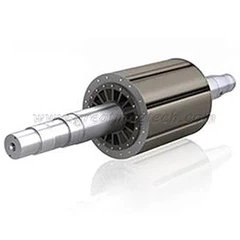
High-Temperature Motors: In industrial motors and generators that operate at elevated temperatures, samarium cobalt magnets provide stable magnetic output without significant loss of strength.
Oil and Gas Equipment: Downhole tools and sensors used in oil exploration are exposed to heat and pressure. SmCo magnets are chosen for their durability and resistance to corrosion.
Precision Sensors and Instruments: Many measuring devices and control systems require consistent magnetic performance. SmCo magnets help ensure accuracy over long periods of time.
Medical Equipment: Some medical devices require stable magnetic performance under sterilization conditions. SmCo magnets can handle elevated temperatures and offer reliable long-term operation in precision systems.
Industrial Automation: Robotics, servo systems, and high-end encoders use samarium cobalt magnets for accurate motion control and repeatable performance.

SmCo vs Neodymium Magnets
Samarium cobalt (SmCo) magnets and neodymium (NdFeB) magnets are both rare-earth magnets, but they are designed for different working conditions. NdFeB magnets are known for their very strong magnetic force, while SmCo magnets are valued for their high temperature resistance and stability. The table below shows the key differences clearly.
| Property | Samarium Cobalt (SmCo) | Neodymium (NdFeB) |
|---|---|---|
| Magnetic Strength | High | Very High |
| Max Operating Temperature | 250–350°C | 80–200°C (depending on grade) |
| Corrosion Resistance | Excellent, usually no coating needed | Moderate, coating usually required |
| Resistance to Demagnetization | Very Strong | Strong |
| Brittleness | Brittle | Brittle |
| Cost | Higher | Lower |
| Typical Applications | Aerospace, high-temp motors, sensors | Motors, electronics, consumer products |

Custom SmCo Magnet Solutions
High-Temperature Grade Selection: Different SmCo grades are available depending on operating temperature and magnetic performance needs. We can help you select the appropriate grade based on your working environment, especially for applications above 250°C.
Magnetization Direction: Magnetization can be customized as axial, radial, or diametrical, depending on the application. The correct magnetization direction is important for achieving stable magnetic output and optimal system performance.
Tight Tolerance Machining: SmCo magnets are brittle and require careful grinding. Precision machining ensures smooth edges, accurate dimensions, and reliable assembly in high-performance systems.
Application-Based Engineering Support: If you are unsure about grade or size selection, technical support can be provided based on temperature, load conditions, and performance requirements to ensure proper magnet design.
Magnetic Performance Optimization: Magnetic properties such as residual induction (Br), coercivity (Hc), and maximum energy product (BHmax) can be selected based on your specific performance requirements.
FAQs
Q: Are SmCo magnets brittle?
A: Yes. Samarium cobalt magnets are hard and brittle materials. They must be handled carefully during machining and installation to avoid chipping or cracking.
Q: Can SmCo magnets be used in vacuum environments?
A: Yes. Because they are stable at high temperatures and do not easily corrode, samarium cobalt magnets are often suitable for vacuum or aerospace environments.
Q: What is the typical lead time for custom SmCo magnets?
A: Lead time depends on size, grade, and quantity. Since SmCo magnets require precision machining, production may take longer than standard ferrite magnets. Confirming drawings and specifications early helps shorten delivery time.
Q: How should SmCo magnets be stored?
A: They should be stored in a dry environment and kept away from strong reverse magnetic fields. Proper spacing between magnets is recommended to avoid accidental impact or damage.
Q: What is the difference between SmCo5 and Sm2Co17?
A: SmCo5 magnets generally offer good magnetic strength and operate reliably at elevated temperatures. Sm2Co17 magnets usually provide higher magnetic performance and better temperature stability. The choice depends on the required operating temperature and magnetic output.
Q: Are SmCo magnets suitable for miniaturized components?
A: Yes. SmCo magnets can be manufactured in small sizes with precise tolerances. They are often used in compact sensors, micro-motors, and precision instruments where stability is important.
Q: Can SmCo magnets be used in marine environments?
A: They perform well in humid and mildly corrosive environments due to their natural corrosion resistance. For direct exposure to saltwater, additional protection may be considered depending on the application.
Get quality samarium cobalt magnets from professional samarium cobalt magnets manufacturers and suppliers here. Our factory offers the best products with the lowest price.


