










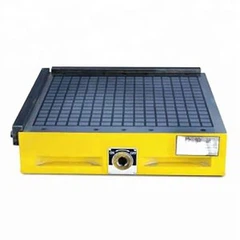
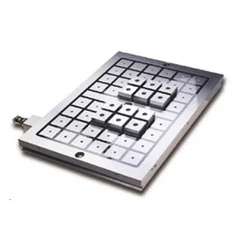


What Is a Drum Magnet?
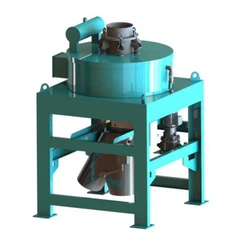
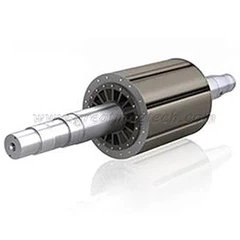
A drum magnet is a type of magnetic separator commonly used in industries to remove metal contaminants from materials. It consists of a rotating drum that contains a permanent or electromagnet inside.
When material passes over the drum, ferrous particles are attracted to the magnetic surface. Non-magnetic materials continue to move along the conveyor.
-
![Magnetic Drum]() Magnetic DrumDry Permanent Half Magnetic Drum Separator Construction of Half Magnetic Drum Magnet Separator Machine: Half Drum Magnet, also name half magnetic roller, is designed for continuous self-cleaning of
Magnetic DrumDry Permanent Half Magnetic Drum Separator Construction of Half Magnetic Drum Magnet Separator Machine: Half Drum Magnet, also name half magnetic roller, is designed for continuous self-cleaning of -
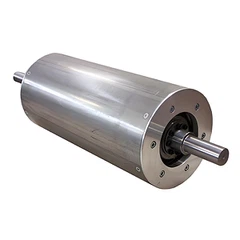
![Magnetic Pulley]() Magnetic PulleyDrum Head Roller Separator Permanent Magnetic Pulley The operating principle of Magnetic Pulley is similar to Magnetic Drum, which is also designed for continuous self-cleaning of metal. Powerful
Magnetic PulleyDrum Head Roller Separator Permanent Magnetic Pulley The operating principle of Magnetic Pulley is similar to Magnetic Drum, which is also designed for continuous self-cleaning of metal. Powerful


Specification of Magnetic Drum Separator
Specification of Drum Head Roller Separator Permanent Magnetic Pulley
|
|
|||||
| Model No. | Dia A | B | Dia D | Dia C | Weight (Kg) |
| MP2030 | 200 | 350 | 40 | 30 | 33 |
| MP2040 | 200 | 450 | 40 | 30 | 42 |
| MP2050 | 200 | 550 | 40 | 30 | 51 |
| MP2060 | 200 | 650 | 40 | 30 | 60 |
| MP2070 | 200 | 750 | 40 | 30 | 69 |
| MP2080 | 200 | 850 | 40 | 30 | 78 |
| MP2090 | 200 | 950 | 40 | 30 | 87 |
| MP20100 | 200 | 1050 | 40 | 30 | 96 |
| MP3030 | 300 | 350 | 50 | 40 | 74 |
| MP3040 | 300 | 450 | 50 | 40 | 95 |
| MP3050 | 300 | 550 | 50 | 40 | 116 |
| MP3060 | 300 | 650 | 50 | 40 | 137 |
| MP3070 | 300 | 750 | 50 | 40 | 158 |
| MP3080 | 300 | 850 | 50 | 40 | 179 |
| MP3090 | 300 | 950 | 50 | 40 | 200 |
| MP30100 | 300 | 1050 | 50 | 40 | 221 |
| MP4030 | 400 | 350 | 60 | 50 | 131 |
| MP4040 | 400 | 450 | 60 | 50 | 168 |
| MP4050 | 400 | 550 | 60 | 50 | 205 |
| MP4060 | 400 | 650 | 60 | 50 | 242 |

Get Full Specifications
Specification of Permanent Half Magnetic Drum Magnet
|
|
|||||||||
| Model No. | Dia A | B | Φ | Weight (Kg) | Model No. | Dia A | B | Φ | Weight (Kg) |
| HMD2130 | 215 | 300 | 25 | 29 | HMD3170 | 315 | 700 | 25 | 142 |
| HMD2135 | 215 | 350 | 25 | 34 | HMD3180 | 315 | 800 | 25 | 162 |
| HMD2140 | 215 | 400 | 25 | 39 | HMD3190 | 315 | 900 | 25 | 182 |
| HMD2145 | 215 | 450 | 25 | 44 | HMD3110 | 315 | 1000 | 28 | 202 |
| HMD2150 | 215 | 500 | 25 | 49 | HMD3111 | 315 | 1100 | 28 | 222 |
| HMD2160 | 215 | 600 | 25 | 59 | HMD4030 | 400 | 300 | 28 | 100 |
| HMD2170 | 215 | 700 | 25 | 69 | HMD4035 | 400 | 350 | 28 | 116 |
| HMD2180 | 215 | 800 | 25 | 79 | HMD4040 | 400 | 400 | 28 | 132 |
| HMD2190 | 215 | 900 | 25 | 89 | HMD4045 | 400 | 450 | 28 | 148 |

Get Full Specifications

Features of Permanent Magnetic Drum
Surface treatment: All material contact parts are mirror polished, and the casing is brushed or sandblasted.
Casing material: 100% SS304 or 316L stainless steel, with a fully welded robust structure, providing excellent corrosion resistance.
Continuous self-cleaning design, suitable for automated production lines. No electricity is required for magnetic field generation.
Magnetic field strength: Multiple magnetic field strength standards are available. Customers can choose the appropriate magnetic field strength according to their needs. If high-performance rare earth magnets are used, the maximum magnetic field strength can reach 15000GS.
Customization is available according to customer design and specifications.
Talk to an Engineer
Magnetic Drum Working Principle
A magnetic drum separates iron using a simple rotating motion and a steady magnetic field. The magnetic system stays fixed inside the drum, while the outer shell turns. Material moves across the drum surface at a controlled speed. When iron particles come close to the shell, the magnetic force pulls them in and holds them firmly in place. Non-magnetic material is not affected and falls away naturally.
As the drum keeps rotating, the carried iron travels with the shell. Once it reaches a zone where the magnetic force is no longer present, the iron releases and drops into a separate outlet.
The process depends on a few basic elements:
Drum rotation
Constant magnetic attraction
Gravity for material discharge
Because the magnetic field does not move, separation remains stable. This working principle allows magnetic drums to handle continuous material flow with reliable results and minimal adjustment.
Talk to an Expert

Permanent Magnetic Pulley Design Drawing

Half Magnetic Drum Separator
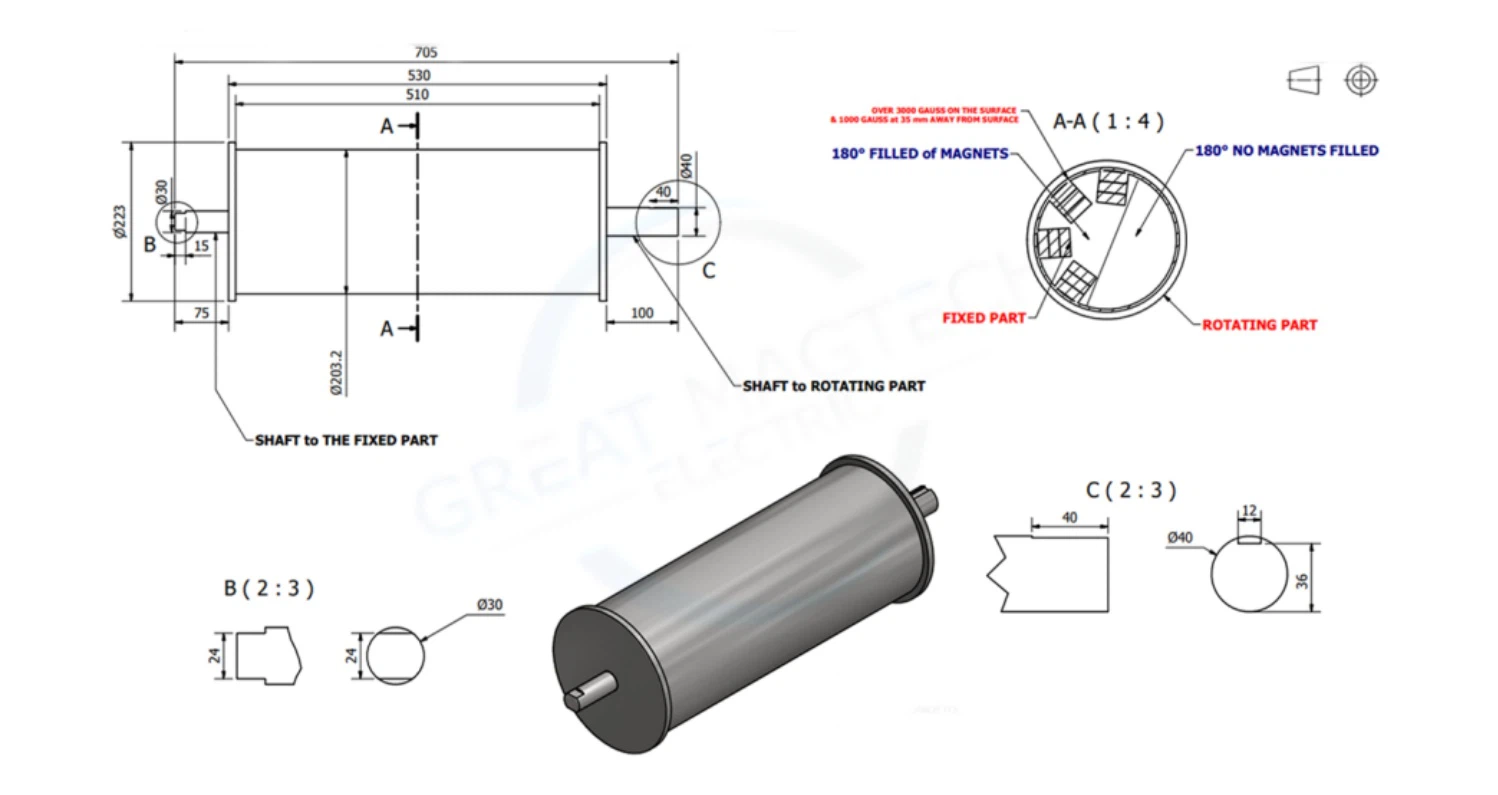
Half Magnetic Drum Separator
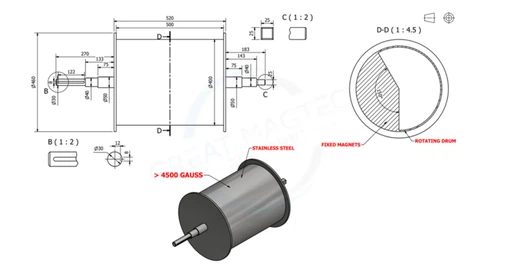
Half Magnetic Drum Separator
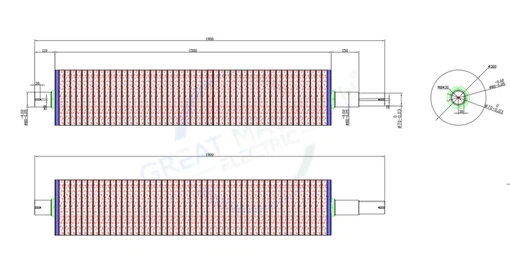
Permanent Magnetic Pulley

Permanent Magnetic Pulley

Permanent Magnetic Pulley
If you need technical drawings without watermarks, please click the button below to contact us.
Obtain Technical Drawings

Gaussian Testing of Magnetic Drum
Gaussian testing shows the real magnetic strength on the working surface of a drum magnet. The test is done directly on the drum shell, as shown in the image, using a handheld Gauss meter. This method reflects actual separation conditions rather than theoretical magnet data.
During testing, the probe is placed at different positions along the drum surface. Each reading helps confirm whether the magnetic field is evenly distributed and strong enough for the intended material flow.
This testing is important for several reasons:
It verifies surface magnetic intensity, not internal magnet ratings
It helps match the pulley to particle size and feed conditions
It provides clear data for quality control and acceptance checks
If high-performance rare earth magnets are used, the maximum surface magnetic field can reach up to 15,000 Gauss. However, higher Gauss values are only effective when properly matched to the application.
Request Custom Solution
Magnetic Wet Drum vs Magnetic Dry Drum: How to Choose
|
Comparison Item |
Magnetic Wet Drum |
Magnetic Dry Drum |
|---|---|---|
|
Working Environment |
Operates in slurry or liquid-based material flow |
Works with dry, free-flowing materials |
|
Typical Feed Material |
Fine particles mixed with water or liquid |
Dry bulk materials such as powders or granules |
|
Separation Method |
Magnetic particles are attracted and carried through the liquid |
Magnetic particles are captured directly from dry feed |
|
Moisture Requirement |
Requires water or slurry conditions |
No moisture needed |
|
Common Magnetic Strength |
Medium to high, optimized for fine particles |
Medium to high, depending on particle size |
|
Particle Size Range |
Very fine to medium-sized ferrous particles |
Medium to coarse ferrous contaminants |
|
Discharge Method |
Magnetic material is released after leaving the magnetic zone in a liquid |
Magnetic material released by gravity or a scraper |
|
Dust Control |
Minimal dust due to wet operation |
May require dust control measures |
|
Typical Industries |
Mining, mineral processing, coal preparation |
Recycling, aggregates, grain, plastics |
|
Installation Location |
Often installed in slurry pipelines or tanks |
Installed above or within conveyor systems |
|
Maintenance Consideration |
Requires monitoring of water quality and seals |
Easier cleaning, less concern about corrosion |
|
Best Use Scenario |
When the material is already in wet form |
When material must remain dry during processing |
Customized Magnetic Pulleys and OEM Solutions
Customized magnetic pulleys are designed to fit specific operating conditions, not just standard conveyor setups. In many applications, off-the-shelf models cannot match material type, belt width, or installation space.
OEM solutions usually start with basic parameters. These include pulley diameter, face width, shaft size, and magnetic strength. Based on these details, the internal magnetic system and shell structure are adjusted to meet real working needs.
Common customization options include:
Permanent magnet grade and magnetic field strength.
Drum size and shell material.
Shaft configuration and bearing arrangement.
Surface treatment for wear or corrosion resistance.
OEM support also covers branding, technical drawings, and performance verification before shipment. This helps ensure consistency across batches and long-term supply stability.
OEM / ODM Available

How to Select a Reliable Magnetic Pulley Manufacturer
Strong Technical Expertise
A dependable manufacturer should clearly explain how their magnetic pulleys are designed, including magnet type, pole layout, and surface Gauss strength. Real experience matters; they know how to adjust the design for different materials, belt speeds, and operational conditions to ensure consistent performance.
Controlled Production and Quality Checks
Reliable suppliers handle machining and magnet assembly in-house and follow strict quality control procedures. Checking surface Gauss and pulley balance before shipment shows they care about product consistency, not just meeting specifications on paper.
Verified Testing and Performance
Trustworthy manufacturers provide real test results, such as Gauss readings, and sometimes separation trials with actual materials. This proves the pulley performs as expected in real-world applications.
Practical Industry Experience
Suppliers familiar with mining, recycling, or bulk material handling understand operational challenges that aren’t obvious on paper. Clear drawings, timely responses, and technical support indicate a manufacturer capable of long-term cooperation.
Request a Custom Solution
Applications of Drum Magnet in Various Industries
Mining and Mineral Processing
In mining, drum magnets are widely used to remove iron and other magnetic contaminants from ores. This step protects crushers, mills, and other processing equipment from damage. It also improves the quality of the final mineral product.
Recycling Industry
Recycling facilities rely on drum magnets to separate metal from waste streams such as plastics, paper, and glass. This separation increases the value of recovered materials and prevents damage to processing machinery. In facilities handling electronic waste, drum magnets can extract small ferrous components that might otherwise be missed, ensuring a cleaner and safer recycling process.
Food and Beverage
In the food industry, drum magnets help remove metal contaminants from grains, sugar, flour, and other raw ingredients. This not only protects downstream equipment but also ensures food safety for consumers. Food-grade drum magnets are often coated or sealed to meet hygiene standards while maintaining strong magnetic performance.
Chemical and Pharmaceutical
Drum magnets are used to prevent metal contamination in powders, granules, and bulk chemicals. They help maintain product purity and reduce the risk of equipment wear. In pharmaceutical production, even tiny metal particles can compromise quality.
Other Industrial Uses
Construction Materials: remove iron from sand, gravel, and cement.
Plastic Production: eliminate metal impurities from pellets and powders.
Wood Processing: clean sawdust, chips, and recycled wood.
Discuss Your Application

Installation Positions for Magnetic Drum Separators
Magnetic Pulley Installation in the Belt
A magnetic drum can be installed as a drive or tail pulley on a conveyor belt. As material passes over the drum, ferrous particles are attracted to the magnetic surface and separated from the main flow, allowing continuous processing of bulk materials.
Magnetic Pulley Head Installation
In a head installation, the magnetic drum is positioned at the discharge end of the conveyor. Material drops freely over the magnetic surface, allowing iron particles to be captured while clean material follows its natural trajectory. This setup is often chosen when space is limited or when higher separation accuracy is needed for fine materials.
Magnetic Plate Head Installation
For magnetic plate head installation, the magnet is placed above or at an angle to the material flow. As bulk material passes beneath the magnetic plate, ferrous particles are attracted and held, while non-magnetic material continues moving forward. This method is suitable for localized separation or lower material volumes.
Magnetic Plate Central Installation
In the central installation, the magnetic plate is positioned above the middle section of the conveyor belt. Material passes evenly through the magnetic field, which helps remove iron contaminants across the full width of the belt. This configuration is often used on wide conveyors or high-throughput systems.
Talk to an Engineer
Packaging of Pulley Magnets
Magnets' drums are packaged using reinforced wooden crates to ensure stability during transportation. Before crating, the pulley surface is wrapped with protective film, and key contact areas are cushioned with foam blocks to prevent movement and impact damage.
Inside the crate, the drum magnet is firmly fixed to keep it centered and balanced. This helps protect the shaft, bearings, and magnetic assembly from vibration during long-distance shipping. The wooden structure also provides sufficient strength for forklift handling and stacking.
Each crate is sealed and labeled for identification and traceability. This packaging method is commonly used for export shipments and allows the pulley magnet to arrive on site in proper condition, ready for installation.
Get a Quote

FAQ
Q: What are the practical differences between drum magnets and electro drum magnets in industrial use?
A: Drum magnets use permanent magnets and work continuously without power. Electro drum magnets rely on electricity and allow for adjustable magnetic strength. Permanent drum magnets are often chosen for stable operation and lower operating cost, while electro drums are used when variable control is required.
Q: Can magnetic drums be used in food industry applications?
A: Yes, magnetic drums can be used in food industry applications when they are designed for hygienic operation. Food-grade magnetic drums are typically manufactured with sealed structures and full welding on contact surfaces to prevent gaps where product or bacteria could accumulate. They are mainly used for removing tramp metal from dry, free-flowing materials and for protecting downstream processing equipment.
Q: Why are magnetic drum separators commonly used in recycling lines?
A: Magnetic drum separators are widely used in recycling because they can handle continuous material flow and remove ferrous metal efficiently.
Q: How long does a magnetic drum typically last in industrial operation?
A: With proper installation and routine inspection, a magnetic drum can operate reliably for many years. The magnetic field remains stable, while mechanical parts such as bearings may require periodic replacement.
Q: Can magnetic drum separators be customized for different applications?
A: Yes, magnetic drums can be customized based on belt width, material type, throughput, and separation requirements. Proper customization helps ensure consistent performance under specific operating conditions.
Q: Do magnetic drums lose magnetic strength over time?
A: Under normal industrial conditions, permanent magnetic drums maintain their magnetic strength for a very long time. Significant loss usually only occurs under extreme heat or severe mechanical damage.
Get quality magnetic roll separator from professional magnetic roll separator manufacturers and suppliers here. Our factory offers the best products with the lowest price.
magnetic head pulley, conveyor head pulley, magnetic roller separator


