











What Is a Pot Magnet?
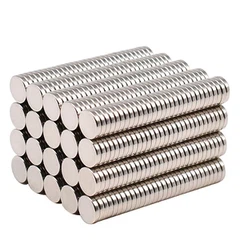
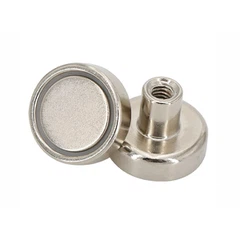
A pot magnet is a type of magnetic assembly where a magnet is placed inside a steel cup. The steel housing helps direct and concentrate the magnetic field to one surface. This design increases the holding force compared to a bare magnet of the same size.
The magnet inside is often made of neodymium, but other materials can also be used depending on the application. The steel cup protects the magnet from damage and reduces the risk of cracking.
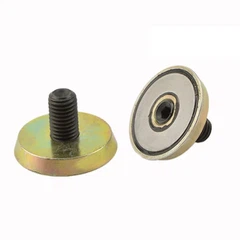
Most pot magnets include a threaded hole, threaded stud, or countersunk hole for easy mounting.
-
![Neodymium Fishing Magnet 500LB Pot Magnets]() Neodymium Fishing Magnet 500LB Pot MagnetsFishing magnet, also called magnetic fishing, is searching in outdoor waters for ferromagnetic objects available to pull with a strong neodymium magnet.GME offers the best and high-quality magnet
Neodymium Fishing Magnet 500LB Pot MagnetsFishing magnet, also called magnetic fishing, is searching in outdoor waters for ferromagnetic objects available to pull with a strong neodymium magnet.GME offers the best and high-quality magnet -
![Neodymium Magnet Pushpin]() Neodymium Magnet PushpinPowerful Magnetic PushPins made with Strong Neodymium magnet disc - Pushpin Magnets Magnetic push pins are great for home, school and office uses
Neodymium Magnet PushpinPowerful Magnetic PushPins made with Strong Neodymium magnet disc - Pushpin Magnets Magnetic push pins are great for home, school and office uses -
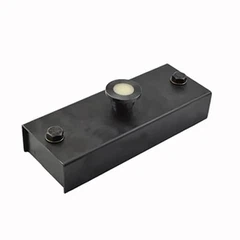
![Square Neodymium Fishing Magnet]() Square Neodymium Fishing MagnetMagnet fishing is an exciting and inexpensive hobby which brings treasure hunting and environmentalism together. Just as its name suggests, magnetic fishing is simply fishing with magnets.We can
Square Neodymium Fishing MagnetMagnet fishing is an exciting and inexpensive hobby which brings treasure hunting and environmentalism together. Just as its name suggests, magnetic fishing is simply fishing with magnets.We can -
![1200LB Neodymium Fishing Magnet]() 1200LB Neodymium Fishing MagnetFishing Magnet Feature. Holding Force:1200LB. Lead Time:1-7 days. All products can be OEM/ODM
1200LB Neodymium Fishing MagnetFishing Magnet Feature. Holding Force:1200LB. Lead Time:1-7 days. All products can be OEM/ODM -
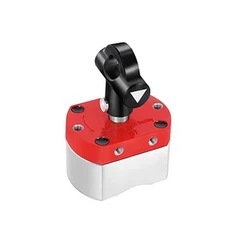
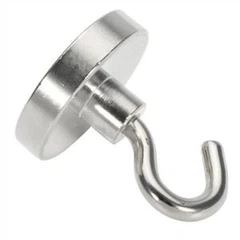
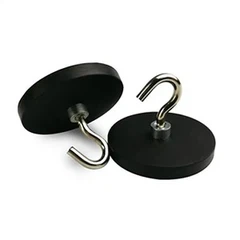
![Heavy Duty Magnetic Hooks]() Heavy Duty Magnetic HooksHeavy Duty Magnetic Hooks The heavy duty magnetic hooks which is combination of pot magnets and hooks. It is one kind of magnetic assembly and can be used to hang items such as mugs to a fridge door.
Heavy Duty Magnetic HooksHeavy Duty Magnetic Hooks The heavy duty magnetic hooks which is combination of pot magnets and hooks. It is one kind of magnetic assembly and can be used to hang items such as mugs to a fridge door. -
![Pot Magnet Magnet Hook]() Pot Magnet Magnet HookPot magnets are designed for clamping directly onto a steel surface; they are made from a large magnet encased within a steel shell. They are magnetic on one face only, creating a solid clamping
Pot Magnet Magnet HookPot magnets are designed for clamping directly onto a steel surface; they are made from a large magnet encased within a steel shell. They are magnetic on one face only, creating a solid clamping -
![Pot Magnets for Sale]() Pot Magnets for SaleNdFeB pot magnet with internal threaded Stud Holding Magnets The Feature of Magnetic Assembly: ● Use high-quality metal parts or plastic pieces with a combination of magnet. ●Special magnetic circuit
Pot Magnets for SaleNdFeB pot magnet with internal threaded Stud Holding Magnets The Feature of Magnetic Assembly: ● Use high-quality metal parts or plastic pieces with a combination of magnet. ●Special magnetic circuit -
![Pot Magnet With Threaded Stem]() Pot Magnet With Threaded StemNdFeB pot magnet with internal threaded Stud Holding Magnets The Feature of Magnetic Assembly: ● Use high-quality metal parts or plastic pieces with a combination of magnet. ●Special magnetic circuit
Pot Magnet With Threaded StemNdFeB pot magnet with internal threaded Stud Holding Magnets The Feature of Magnetic Assembly: ● Use high-quality metal parts or plastic pieces with a combination of magnet. ●Special magnetic circuit -
![Neodymium Pot Magnets]() Neodymium Pot MagnetsNeodymium Pot Magnets with cylindrical borehole for sale Neodymium pot magnets are built from the alloy Neodymium-Ferro-Boron. The magnetic force of neodymium pot magnets is approximately 7 times
Neodymium Pot MagnetsNeodymium Pot Magnets with cylindrical borehole for sale Neodymium pot magnets are built from the alloy Neodymium-Ferro-Boron. The magnetic force of neodymium pot magnets is approximately 7 times -
![Magnetic Pots]() Magnetic PotsNeodymium magnetic pots with countersunk hole Description These magnets have a countersunk central hole on the front (magnetic) face of the magnet. Sometimes Pot magnets can meet some special
Magnetic PotsNeodymium magnetic pots with countersunk hole Description These magnets have a countersunk central hole on the front (magnetic) face of the magnet. Sometimes Pot magnets can meet some special


Types of Pot Magnets


Features of Pot Magnet
Focused Magnetic Strength: A pot magnet uses a steel cup to direct the magnetic field to one surface. This design increases holding power compared to a bare magnet of similar size. You get a strong pull force in a compact body.
Protective Steel Housing: The steel shell protects the inner magnet from impact and damage. Neodymium magnets are powerful but can be brittle. The outer cup helps reduce cracking during handling and installation.
Multiple Mounting Options:
Internal thread
External threaded stud
Countersunk hole
Hook attachment
Compact and Practical Design: Because the magnetic force is concentrated on one face, pot magnets provide efficient holding strength without taking up much space.

Technical Specifications of Pot Magnets
Strong Magnetic Hooks with Eyebolt or Eyelet Specification

| Model |
D |
D1 |
M |
h |
H |
H1 |
Net Weight(g) |
Attraction |
|
(Kg) |
||||||||
|
NF10 |
10 |
6 |
3 |
5 |
12.5 |
34.5 |
5 |
2 |
|
NF12 |
12 |
6 |
3 |
5 |
12.5 |
34.5 |
7 |
3.5 |
|
NF16 |
16 |
6.5 |
4 |
5.2 |
13.5 |
35.7 |
12 |
5.5 |
|
NF20 |
20 |
6.5 |
4 |
7.2 |
15 |
37.8 |
21 |
9 |
|
NF25 |
25 |
7.5 |
5 |
7.7 |
17 |
44.9 |
33 |
22 |
|
NF32 |
32 |
10 |
6 |
7.8 |
18 |
47.8 |
54 |
34 |
|
NF36 |
36 |
10 |
6 |
7.6 |
18.5 |
49.8 |
64 |
41 |
|
NF42 |
42 |
10 |
6 |
8.8 |
18.8 |
50 |
93 |
68 |
|
NF48 |
48 |
12 |
8 |
10.8 |
24 |
61 |
150 |
81 |
|
NF60 |
60 |
12 |
8 |
15 |
28 |
66 |
283 |
113 |
|
NF75 |
75 |
17 |
10 |
17.8 |
35 |
84 |
555 |
164 |
Neodymium Pot Magnets with Cylindrical Borehole Specification

| Model |
D |
D1 |
D2 |
H |
Net Weight(g) |
Attraction(Kg) |
|
(mm) |
(mm) |
(mm) |
(mm) |
|||
|
NB16 |
16 |
3.5 |
6.5 |
5.2 |
7 |
5 |
|
NB20 |
20 |
4.5 |
8 |
7.2 |
13 |
8 |
|
NB25 |
25 |
5.5 |
9 |
7.7 |
22 |
20 |
|
NB32 |
32 |
5.5 |
9 |
7.8 |
38 |
30 |
|
NB36 |
36 |
6.5 |
11 |
7.6 |
48 |
40 |
|
NB42 |
42 |
6.5 |
11 |
8.8 |
75 |
65 |
|
NB48 |
48 |
8.5 |
15 |
10.8 |
114 |
75 |
|
NB60 |
60 |
8.5 |
15 |
15 |
235 |
110 |
|
NB75 |
75 |
10.5 |
18 |
17.8 |
460 |
155 |
Swivel Hook Magnet Specification

| Model |
D |
L |
D1 |
D2 |
H |
H1 |
h |
Weight |
Vertical Attraction |
Side Attraction |
|
(Kg) |
(Kg) |
|||||||||
|
FG36 |
36 |
70 |
10.8 |
16 |
30.5 |
14.5 |
8.3 |
50 |
4.2 |
1.7 |
|
FG52 |
52 |
78 |
10.8 |
16 |
30.5 |
14.5 |
8.3 |
100 |
7.4 |
2.5 |
Heavy Duty Magnetic Hooks Specification

| Model |
D |
D1 |
M |
h |
H |
H1 |
Net Weight(g) |
Attraction |
|
(Kg) |
||||||||
|
NE10 |
10 |
6 |
3 |
5 |
12.5 |
34.5 |
5 |
1.5 |
|
NE12 |
12 |
6 |
3 |
5 |
12.5 |
34.5 |
7 |
3 |
|
NE16 |
16 |
6.5 |
4 |
5.2 |
13.5 |
35.7 |
12 |
8 |
|
NE20 |
20 |
6.5 |
4 |
7.2 |
15 |
37.8 |
21 |
12 |
|
NE25 |
25 |
7.5 |
5 |
7.7 |
17 |
44.9 |
33 |
22 |
|
NE32 |
32 |
10 |
6 |
7.8 |
18 |
47.8 |
54 |
34 |
|
NE36 |
36 |
10 |
6 |
7.6 |
18.5 |
49.8 |
64 |
41 |
|
NE42 |
42 |
10 |
6 |
8.8 |
18.8 |
50 |
93 |
68 |
|
NE48 |
48 |
12 |
8 |
10.8 |
24 |
61 |
150 |
81 |
|
NE60 |
60 |
12 |
8 |
15 |
28 |
66 |
283 |
120 |
|
NE75 |
75 |
17 |
10 |
17.8 |
35 |
84 |
555 |
200 |
Internal Thread of the Pot Magnet Specification

| Model |
D |
D1 |
M |
H |
h |
Net Weight(g) |
Attraction(Kg) |
|
ND10 |
10 |
6 |
3 |
12.5 |
5 |
4 |
1.5 |
|
ND12 |
12 |
6 |
3 |
12.2 |
5 |
5 |
3 |
|
ND16 |
16 |
6.5 |
4 |
13.5 |
5.2 |
9 |
8 |
|
ND20 |
20 |
6.5 |
4 |
15 |
7.2 |
17 |
9 |
|
ND25 |
25 |
7.5 |
5 |
17 |
7.7 |
28 |
22 |
|
ND32 |
32 |
10 |
6 |
18 |
7.8 |
45 |
34 |
|
ND36 |
36 |
10 |
6 |
18.5 |
7.6 |
55 |
41 |
|
ND42 |
42 |
10 |
6 |
18.8 |
8.8 |
84 |
68 |
|
ND48 |
48 |
12 |
8 |
24 |
10.8 |
130 |
81 |
|
ND60 |
60 |
12 |
8 |
28 |
15 |
263 |
120 |
|
ND75 |
75 |
17 |
10 |
35 |
17.8 |
515 |
178 |
Neodymium Magnetic Pot with Countersunk Hole Specification

| Model |
D |
D1 |
D2 |
H |
Net Weight (g) |
Attraction (Kg) |
|
(mm) |
(mm) |
(mm) |
(mm) |
|||
|
NA16 |
16 |
3.5 |
6.5 |
5.2 |
7 |
6 |
|
NA20 |
20 |
4.5 |
8.6 |
7.2 |
15 |
10 |
|
NA25 |
25 |
5.5 |
11 |
7.7 |
24 |
22 |
|
NA32 |
32 |
5.5 |
11 |
7.8 |
39 |
32 |
|
NA36 |
36 |
6.5 |
12 |
7.6 |
50 |
41 |
|
NA42 |
42 |
6.5 |
12 |
8.8 |
77 |
61 |
|
NA48 |
48 |
8.5 |
19 |
10.8 |
120 |
81 |
|
NA60 |
60 |
8.5 |
19 |
15 |
243 |
115 |
|
NA75 |
75 |
10.5 |
21 |
17.8 |
480 |
163 |
For more technical specifications or to request watermark-free technical drawings, please click the button below to contact us.
Neodymium Magnetic Pot Production Flow

01
Raw Material

02
Melting

03
HP

04
Jet Mling

05
Processing

06
Sintering

07
Inspection

08
Machining

09
Coating

10
Final Inspection

11
Magnetizing Packing

12
Delivery
Our neodymium magnet production flow is built for consistency, not shortcuts. Each stage follows a clear, repeatable sequence, from material preparation and forming to sintering, machining, coating, and final magnetization. Every step is closely controlled to keep magnetic properties, dimensions, and surface quality within defined targets.
This structured workflow reduces variation between batches and makes quality easier to verify, not harder to chase. By the time magnets reach final inspection, their performance and appearance are already predictable.
Want to learn how each step of the factory process is interconnected? Please click the button below to contact our sales team.
Explore Our Manufacturing Flow

Understanding Pull Force and Load Direction
Pull force is not always the same in every situation. The rated pull force of a pot magnet is usually measured under vertical conditions. In this test, the magnet is attached to a thick steel plate, and the force is applied straight down.
This is a vertical pull force.
As shown in the image, the vertical pull force (F1) is normally stronger than the side pull force (F2). When the force is applied sideways, the magnet relies more on friction. This is called shear or side pull force.
In real applications, many loads are not purely vertical. Equipment may slide, vibrate, or shift under side pressure. Surface condition also plays a role. Smooth, clean steel provides better contact, while paint, dust, or thin metal can reduce holding strength.
Before selecting a magnet, consider both the direction of force and the actual working surface.
Pot Magnet vs Rubber-Coated Magnet
| Feature | Pot Magnet | Rubber-Coated Magnet |
|---|---|---|
| Surface Contact | Direct metal-to-metal contact | A rubber layer between the magnet and the surface |
| Pull Force (Vertical) | Higher direct pull on clean steel | Slightly lower due to the rubber layer |
| Resistance to Sliding | Lower friction may slide under shear force | Higher friction, better resistance to sliding |
| Surface Protection | May scratch painted or polished surfaces | Protects coated or delicate surfaces |
| Outdoor Use | Depends on coating (zinc, nickel, etc.) | Better resistance to moisture due to the rubber layer |
| Best For | Maximum holding on bare steel | Temporary mounting on painted or smooth surfaces |
How to Choose the Right Pot Magnet
Confirm the Required Holding Force
First, calculate the weight of the object you need to hold. Then add a safety margin. Rated pull force is tested on thick, clean steel under ideal lab conditions. If your steel plate is thin, painted, rusty, or slightly uneven, the actual holding force can drop significantly. In some cases, thin steel may reduce performance by 30% or more.
Consider Load Direction
Vertical pull is the strongest condition. Side load is different.
If your application involves sliding, vibration, or movement, shear force becomes important. In these cases, you should choose a higher safety margin.
Select the Correct Mounting Type
Pot magnets are available with:
Internal thread
External threaded stud
Countersunk hole
Hook or eye bolt
Choose the structure that fits your bracket or installation method.
Check the Working Environment
Temperature, moisture, and corrosion matter. Standard neodymium pot magnets are not suitable for continuous high-temperature use unless specially designed.
Clear details at the beginning help you avoid selection mistakes later.


Typical Applications of Pot Magnets
Industrial Equipment and Machinery
In factories, pot magnets are often used to fix components onto steel frames. You may see them holding guards, sensors, small motors, or inspection devices in place. They are also used during machine assembly when temporary positioning is required.
Because the magnetic field is focused on one surface, they provide a reliable clamping force without large hardware.
Workshop and Maintenance Use
In workshops, pot magnets help secure tools, lighting units, or cable supports. They are useful when you do not want to drill into metal structures.
Some common uses include:
Mounting work lights
Fixing measuring devices
Holding metal plates during alignment
They are easy to install and remove, which saves time during repairs.
Construction and Installation Projects
Pot magnets are used in temporary installations on steel beams or structures. They can hold signs, brackets, or positioning parts during setup.
Retail and Display Systems
In display environments, pot magnets are used to mount boards or frames onto steel panels. The threaded design allows secure attachment while keeping the system adjustable.
Pot Magnets Customization Options
Size and Structural Design
Diameter and height can be customized based on available space. The thickness of the steel cup and internal magnet can also be adjusted to change the holding strength. In some cases, a deeper or reinforced cup design is used for added durability.
Magnet Grade and Temperature Rating
Different magnet grades provide different pull force levels. If your project involves higher temperatures, heat-resistant magnet grades can be selected. This helps maintain stable performance under specific conditions.
Mounting and Thread Options
You may choose custom thread sizes, longer studs, or special mounting structures. Standard and non-standard threads can be produced to fit your equipment.
Surface Treatment and Protection
Coating options such as zinc, nickel, or special anti-corrosion finishes are available. These are important for outdoor or humid environments.

Why choose Great Magtech?
New Raw Materials, Safety, and Security
Selection of authentic industrial new raw materials; we refuse to use recycled materials for processing. In line with RoHS environmental certification and the company's management system, we strictly control the quality of raw materials to ensure products meet customer performance requirements; there is no need to worry about physical damage.
Pay Attention to Detail, Put an End to Flaws
We have strict performance requirements, strict control of product tolerances in line with national standards, a nickel-copper-nickel three-layer coating that improves the product's corrosion resistance, and a smooth, clean surface.
Multi-layer Quality Inspection, Ensure Quality
Quality is our life; we have established a sound quality management system through the "self-inspection, mutual inspection, special inspection" multi-layer inspection and strict quality control. Before shipment will conduct a final inspection to ensure that the products in your hand are in line with your requirements.
Long Product Life, Competitive Price, and Better Service
NdFeB, as one of the rare earth permanent magnet materials, is strongly magnetic and can maintain its magnetic and not demagnetization, with a long life, much better than the ordinary ferrite magnet.
Our price is based on ensuring the quality of products under the premise of more advantages in price; the introduction and improvement of production equipment make the production efficiency continue to improve.
To provide comprehensive after-sales service and actively provide customers with solutions and strong technical support. Customer satisfaction is our motivation.
Our Certificate

Certificate of Compliance

ROHS Test Report

SGS

Certificate Of Registration
Our Production Equipment


Packaging of Pot Magnets
Proper packaging is important when shipping pot magnets. Since magnets naturally attract each other, they must be carefully separated and protected during transport.
Each piece is usually packed in an individual plastic bag to prevent scratches. For bulk orders, magnets are arranged in layers with bubble wrap or paper between them. Foam inserts are often placed inside strong export cartons to reduce movement and absorb shock.
Our packing is anti-magnetized and designed to pass the DGM test. This helps avoid problems during air shipment and ensures smooth delivery for our clients. It also protects the safety of countersunk hole pot magnets and rare earth countersunk pot magnets during transport.
Common packing methods include:
Individual plastic bag packing
Foam or bubble separation
Reinforced export cartons
Pallet loading for large orders
When you open the package, the magnets are clean, secure, and ready for use.
FAQs
Q: Why does the pull force seem lower in real use?
A: Rated pull force is tested on thick, clean steel under ideal lab conditions. In real applications, thin steel, paint, dust, or side load can reduce the actual holding strength.
Q: Can pot magnets be used outdoors?
A: Yes, but surface coating matters. Standard zinc-plated models work in normal environments. For humid or corrosive conditions, a stronger coating or special finish may be required.
Q: Are pot magnets suitable for high temperatures?
A: Standard neodymium pot magnets are not designed for continuous high heat. If your application involves elevated temperatures, a heat-resistant magnet grade should be considered.
Q: Can I customize the thread size or structure?
A: Yes. Thread size, stud length, and mounting style can be adjusted to fit your installation needs. Sharing drawings or technical details helps ensure the right configuration.
Q: What information should I provide before requesting a quote?
A: It is helpful to confirm: Required holding force, Load direction (vertical or shear), Steel thickness, Working temperature, Mounting type. Clear details allow for more accurate selection and recommendations.
Q: Can pot magnets be used on thin steel sheets?
A: They can, but holding strength will be lower. Thin steel does not allow the magnetic field to fully develop. If the plate is less than 5–6 mm thick, you may notice a clear drop in pull force.
Q: What is the difference between countersunk and threaded pot magnets?
A: Countersunk models are fixed using a screw through the center hole. Threaded models connect through internal or external threads. The choice depends on how you plan to install the magnet.
Q: How should pot magnets be stored?
A: Store them in a dry area and keep them separated. Avoid stacking them without protection, as a strong attraction can cause sudden impact and damage the steel cup or magnet inside.
Get quality pot magnet from professional pot magnet manufacturers and suppliers here. Our factory offers the best products with the lowest price.


