


What Are Rubber-Coated Magnets?

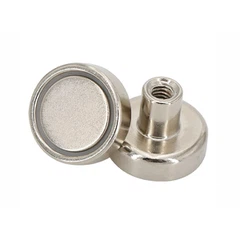
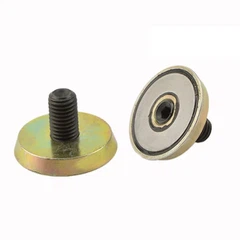
A rubber-coated magnet usually uses a neodymium magnet inside. Neodymium magnets are very strong, and in this design, they are encased in a durable rubber or plastic protective sleeve. The magnet is often set in a steel cup to help focus and strengthen the magnetic field.

The rubber layer is not just for protection.

Compared to bare magnets, a rubber-coated magnet is scratch-resistant, more corrosion-resistant, and water-resistant. It also provides higher friction, which helps prevent sliding on smooth or fragile surfaces.

If you need to attach something to painted steel, glass, or polished metal, this type of magnet gives you strong holding power without damaging the surface.

Get a Quote

  • China Supplier Rubber Coated Magnet Rubber Coat Neodymium...
    Rubber coated neodymium magnets give great durability and high friction. The rubber coating acts as a protection for the Neodymium Magnet against chipping and exposure to liquids. Rubber coated
  • Rubber Coated Neodymium Magnets
    Rubber Coated Neodymium Magnets Rubber Coated Neodymium Magnets give great durability and high friction when needed to keep them from slipping on surfaces. With high strength, a soft rubber finish
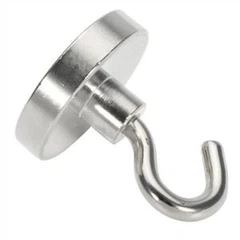
  • Rubber Coated Magnetic Hooks
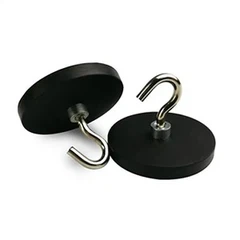
    Rubber coated pot magnet with a screw hook is rubber coated magnetic hook. Rubber-coated magnetic hooks are used on the surface where it is easy to be scratched when using an uncoated magnetic hook
  • D22 Neodymium Rubber Coated Magnets
    Rubber-coated neodymium magnets give great durability and high friction. The rubber plastic coating acts as a protection for the Neodymium Magnet against chipping and exposure to liquids. Rubber
  • Rubber Coated Magnet With Hook
    Rare Earth Magnets are including Neodymium(Nd) -Iron(Fe)-Boron(B) types and Samarium(Sm)- Cobalt(Co) classes. The most commonly produced material is neodymium-iron-boron (NdFeB). This group of
  • D66mm Neodymium Rubber Coated Pot Magnet
    Neodymium pot magnets are built from the alloy Neodymium-Ferro-Boron. The magnets have a casing of soft iron that ensures a magnetic cover. A protective coating has been added to prevent corrosion.
  • Rubber Coated Pot Magnet
    Rubber Coated Pot Magnet is made with neodymium disc magnet, with a threaded center hole (internal female thread) and protective rubber coating. The protective rubber coating protects magnets from
  • Rubber Coated Neodymium Magnets Square Magnet
    Rubber Coated Pot Magnet, Strong Neodymium Rubber Coated Magnet. Strong Neodymium Magnet is embedded in a steel Pot. The steel pot increases the adhesive force of the magnet on direct contact with a
  • Magnetic Base
    Rubber coated magnet ic base with internal thread Description Rubber Coated Neodymium Magnets Pot with internal thread has a special multiple pole magnetic instruction and the adhesive force of these
  • Plastic Coated Magnets
    Plastic Coated Magnets Plastic Coated Magnets with internal thread stud Description These round rubber coated pot magnet with internal thread, strong neodymium magnet is embedded in a steel Pot. The
First 12 Last

Technical Specifications of Rubber-Coated Magnets

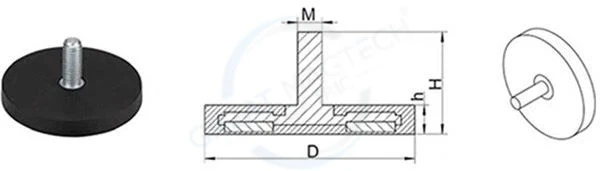
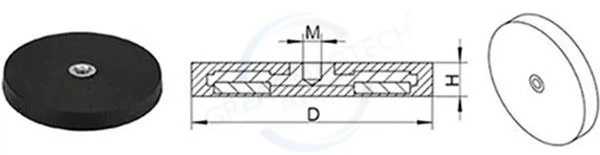
Internal Thread Rubber Coated Pot Magnet

Internal Thread Rubber Coated Pot Magnet

Model D (mm) M D1 (mm) h (mm) H (mm) Weight (g) Breakaway (Kg)
D22 22 M4 8 6 11.5 12 5
D34 34 M4 8 8 14 22 6
D43 43 M4 8 6 12 33 8
D66 66 M5 10 8 14.2 104 20
D88 88 M8 12 8.5 15.8 200

42

External Thread Rubber Coated Pot Magnet

External Thread Rubber Coated Pot Magnet

Model D (mm) M h (mm) H (mm) Weight (G) Breakaway (kg)
D22 22 M4 6 12.5 14 5
D34 34 M4 8 16.5 25 6
D43 43 M6 6 21 32 8
D66 66 M8 8 23 107 20
D88 88 M8 8.5 24.5 193 42

Flat Rubber Coated Pot Magnet

Flat Rubber Coated Pot Magnet

Model D (mm) M H (mm) Weight (g) Breakaway (Kg)
D22 22 M4 6 11 5
D34 34 M4 8 20 6
D43 43 M4 6 29 8
D66 66 M6 8 100 20
D88 88 M8 8.5 186 42

Rubber Coated Neodymium Magnets Square Magnet

Rubber Coated Neodymium Magnets Square Magnet

Model

L

W

H

M

Net Weight

Attraction

F22-1

43

31

6

M4*1

27

10

F22-2

43

31

6

M4*2

28

10

 For watermark-free technical drawings, please click the button below to contact our sales team.

Obtain Technical Drawings


Structure of a Rubber-Coated Magnet

A rubber-coated magnet is built with several layers working together. The outer rubber shell protects the surface and adds grip. Inside, you will usually find multiple NdFeB magnets arranged in a circular pattern. These small magnets are positioned with alternating poles to improve magnetic strength and stability.
Beneath the magnets, there is an iron plate. This plate helps concentrate and direct the magnetic field toward the contact surface. It also supports the overall structure.
Some models include a threaded stud or internal thread in the center. This allows you to connect the magnet to brackets, hooks, or mounting parts.

Get Technical Support

Structure of a Rubber-Coated Magnet


Magnet Configuration and Size Options

Magnet Configuration and Size Options

Rubber-coated magnets are available in different diameters and internal magnet structures. The holding strength depends not only on size, but also on how many magnets are built inside.
Smaller models such as Φ12, Φ18, Φ22, Φ28, and Φ31 typically contain a single magnet. These compact versions are suitable for light-duty applications where space is limited.
Medium sizes like Φ36, Φ43, Φ55, and Φ66 usually include six built-in magnets arranged in a circular pattern. This structure improves magnetic distribution and increases overall holding force.
Larger models, such as Φ88, may contain twelve magnets. With more magnets working together, the magnetic field becomes stronger and more evenly spread across the contact surface.
When selecting a size, you should consider both diameter and internal magnet configuration to match your load requirements.

Discuss Your Requirements


Advantage of Rubber-Coated Neodymium Magnets

Strong pull force, waterproof, durable, high traction, corrosion-resistant, temperature resistant, magnets do not easily chip.

Constructed with N35 Neodymium magnet encased in a steel structure & coated with a protective rubber coating.

Internal Female Thread accommodates standard fasteners & attachments.

NdFeB Magnets are axially magnetized (through the thickness).

Isoprene Black Rubber Coating is approx. 0.03” thick.

Operating temperature up to 200 degrees Celsius or 392 curies.

Request a Solution

20190107CBE6D26DD5FF4423BEFCD739FDA7E3B7


Customization Options for Rubber-Coated Magnets

Customization Options for Rubber-Coated Magnets

Thread and Mounting Type

You can choose different mounting structures based on how you plan to install the magnet:
Female thread
Male threaded stud
Hook type
Plain flat base

Size and Pull Force

You may need a compact magnet for light-duty use, or a heavy-duty model with ha igher pull force. Diameter, thickness, and magnetic strength can be matched to your load requirement.

Rubber Color and Branding

Rubber coating can be produced in different colors. If you need private labeling, logo marking, or custom packaging, those options are also available.
Before confirming production, it helps to share your application details, expected quantity, and working environment.

Request Custom Solution


Rubber-Coated Magnet vs Standard Pot Magnet: What’s the Difference?

Feature Rubber-Coated Magnet Standard Pot Magnet
Surface Protection Rubber layer protects painted or polished surfaces Direct metal contact may scratch surfaces
Friction Higher friction, better resistance to sliding Lower friction, easier to slide under shear force
Corrosion Resistance Better for damp or outdoor use Limited protection without extra coating
Holding Strength (Direct Pull) Slightly lower due to the rubber layer Higher direct pull on clean steel

Find the Right Model


Typical Applications of Rubber-Coated Magnets

Automotive and Vehicles

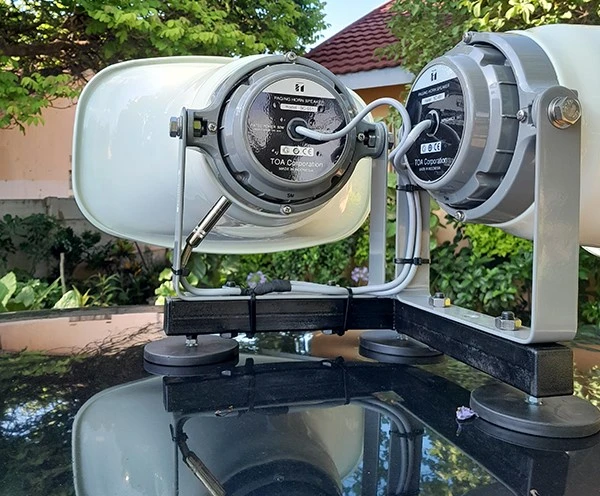
You can mount sensors, small motors, horns, or temporary devices on cars without scratching the paint. They are also used to hold equipment during testing or installation.
Because the rubber layer increases friction, it helps prevent sliding when the vehicle is moving or vibrating.

Industrial and Electrical Equipment

In workshops and factories, these magnets help secure electronics, filters, and control units to steel frames. They are also used in magnetic hooks and magnetic frames for quick mounting.

Renewable Energy and Machinery

You may find them in wind turbines or maintenance setups where temporary fixing is needed. The rubber coating helps absorb vibration and protects coated steel surfaces.
They are also useful during inspection or repair work, when equipment needs to be mounted and removed repeatedly.

Display and Signage Systems

Rubber-coated magnets are often used to hold signs, panels, or display boards on metal surfaces. You can attach and remove them easily without damaging painted steel or polished metal.

Temporary Mounting in Maintenance Work

During repairs or system upgrades, you may need to fix tools, cables, or lighting units to a metal structure. Rubber-coated magnets provide a practical solution when permanent fastening is not required.

Discuss Your Application

Typical Applications of Rubber-Coated Magnets


How to Choose the Right Rubber Coated Magnet

Check the Required Holding Force

First, estimate the weight of the object. Then consider the safety margin. Pull force is usually tested on thick, clean steel under ideal conditions. If your surface is thin, painted, or slightly uneven, the real holding strength may be lower.

Select the Proper Mounting Type

You can choose different structures based on your installation method:
Female thread
Male threaded stud
Hook type
Flat base
Pick the option that fits your bracket or equipment.

Consider Surface and Environment

Look at surface material, temperature, moisture, and vibration. Outdoor use may require better corrosion resistance.
If you are unsure, share your working conditions before placing an order.

Get Professional Advice


When Not to Use Rubber Coated Magnets

Rubber-coated magnets are practical, but they are not meant for every condition.
If you are working in high-temperature environments, the rubber layer may soften or age faster. In this case, you should check the maximum operating temperature before using it.
They also do not perform well on rough or non-metal surfaces. Concrete, heavily rusted steel, or uneven materials reduce full contact, which lowers holding strength.
If your project requires permanent structural fixing, this type of magnet is not the right solution. It is better suited for temporary or adjustable mounting.
And if you only need the highest possible direct pull on clean steel, a standard pot magnet may deliver stronger results.

Talk to an Expert

Rubber Coated Magnets


Packaging of Rubber-Coated Magnets

Packaging of Rubber-Coated Magnets

Proper packaging helps protect rubber-coated magnets during storage and shipping. Since magnets can attract each other, careful separation is important.
Each magnet is usually packed in an individual plastic bag to prevent surface damage. For bulk orders, they are arranged in layers inside foam trays or cartons. This keeps them stable and reduces movement during transport.
In many cases, you will see:
Plastic bag packing
Foam or paper separation
Strong export cartons
Pallet loading for large quantities

For overseas shipment, magnets can also be magnetically shielded to meet air or sea freight requirements.

If you have specific packing needs, such as private labeling or a custom carton size, it is better to confirm details before production.

Send Inquiry


FAQs

Q: Does the rubber coating reduce magnetic strength?

A: Yes, slightly. The rubber layer creates a small gap between the magnet and the steel surface. This can reduce the direct pull force. However, the added friction often improves stability in real use, especially under sliding force.

Q: Does a rubber-coated magnet scratch painted surfaces?

A: In most cases, no. The rubber layer acts as a protective barrier between the magnet and the surface. As long as the surface is clean and free of metal debris, it helps reduce the risk of scratches.

Q: Can I request custom sizes or threads?

A: Yes. You can customize thread type, size, and pull force based on your application requirements. It helps to share drawings or installation details in advance.

Q: How should I store rubber-coated magnets?

A: Store them in a dry place, away from high heat. Keep them separated to avoid sudden attraction, which can damage the rubber surface.

Q: Do rubber-coated magnets affect nearby electronics?

A: Like all strong magnets, they can influence sensitive electronic components at close range. You should keep a safe distance from devices such as hard drives or precision instruments when necessary.

Q: Can the rubber coating peel off?

A: Under normal use, the rubber layer stays firmly bonded to the magnet assembly. Over time, exposure to heat, chemicals, or heavy impact may weaken the bond. Proper working conditions help extend durability.

Get quality rubber coated magnets from professional rubber coated magnets manufacturers and suppliers here. Our factory offers the best products with the lowest price.

Send Inquiry