















What Are Magnetic Encoders
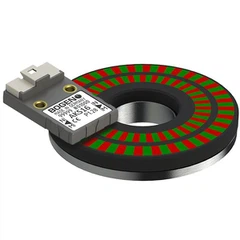
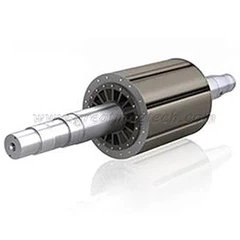
A magnetic encoder is a robust device used to accurately measure the position, speed, or rotational direction of a moving object, such as a shaft. By utilizing magnetic fields, it operates through a system comprising a magnetic component and a sensor that detects precise changes in the field to generate a digital output signal. These versatile devices can provide either absolute or incremental position data, making them a low-maintenance solution for critical motion control and tracking applications in various industries.
Send Inquiry Now
Our Dual-Channel Magnetic Encoder
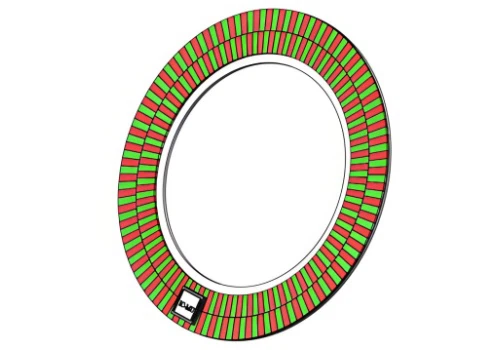
Custom Magnetic Encoder OEM
Model: MU128-15-29-1.1
Carrier Material: SUS430
Send Inquiry Now

Magnetic Encoder Manufacturer China
Model: MU128-38-56-1.1
Carrier Material: SUS430
Send Inquiry Now

Magnetic Encoder Supplier China
Model: MU150-18-34-1.1
Carrier Material: SUS430
Send Inquiry Now
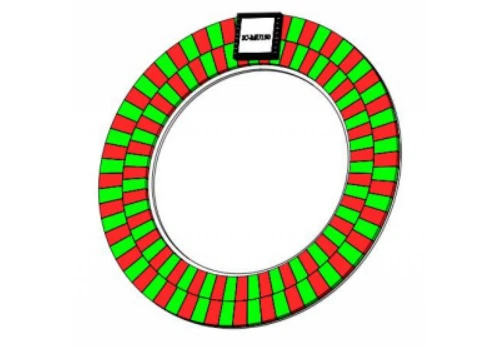
Magnetic Ring Encoder
Model: MU150-23-35-2
Carrier Material: SUS430
Send Inquiry Now

Magnetic Encoder Disc
Model: MU150-20-33-2
Carrier Material: SUS430
Send Inquiry Now
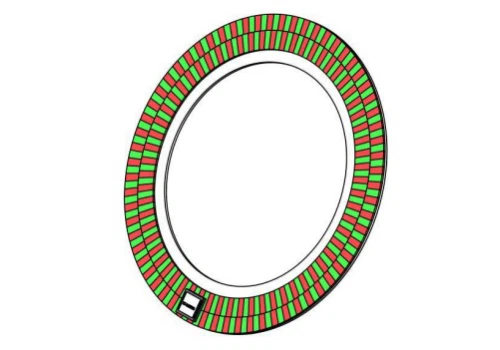
Magnet for Encoder
Model: MU150-47.4-64-1.1
Carrier Material: SUS430
Send Inquiry Now

Magnetic Encoders
Model: SMD25-44.5-1.4
Carrier Material: SUS430
Send Inquiry Now

Encoder Magnets
Model: MU200-31.5-49-2
Carrier Material: SUS430
Send Inquiry Now
If the product displayed does not have the product model you want, please contact us.
Encoder Magnets Technical Specifications
|
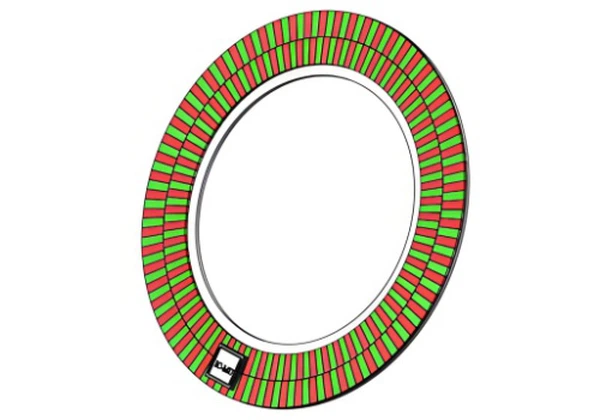
MU128-15-29-1.1
|
MU128-38-56-1.1
|
MU150-18-34-1.1
|
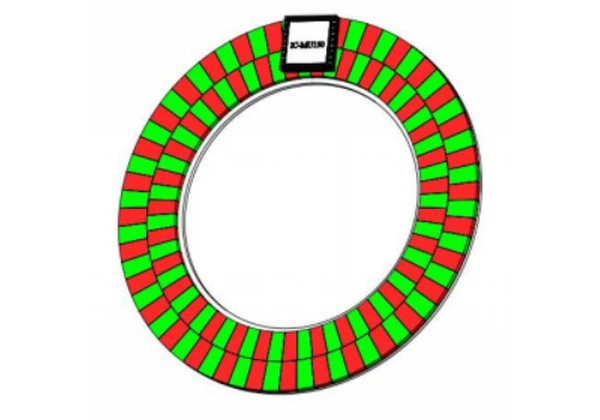
MU150-23-35-2
|
|||||
 |
 |
 |
 |
|||||
| Code Name | Parameter | Remarks | Dimension | Dimension | Dimension | Dimension | Tolerance | Unit |
| Product Physical Dimensions | ||||||||
| A1 | Radial Position of Chip Center | Distance from Axis | 11.24 | 24.28 | 13.48 | 14.75 | mm | |
| A2 | Sensing Air Gap | Gap between the magnet surface and the chip surface | 0.3 | 0.3 | 0.4 | 0.4 | mm | |
| a3 | Total Height | Product | 1.1 | 1.1 | 1.1 | 2 | ±0.1 | mm |
| B1 | Vernier Track Diameter | Refers to the sensing diameter of the vernier track | 18.88 | 44.95 | 23.36 | 25.9 | mm | |
| B2 | Main Track Diameter | Refers to the sensing diameter of the main track | 26.08 | 52.15 | 30.56 | 33.1 | mm | |
| B3 | Magnet Outer Diameter | 29 | 55.5 | 34 | 35 | ±0.2 | mm | |
| B4 | Magnet Inner Diameter | 16 | 41.2 | 20.4 | 24 | ±0.2 | mm | |
| B5 | Hole Diameter | Carrier | 15 | 35 | 18 | 23 | ±0.05 | mm |
| B6 | Diameter | Carrier | 29 | 56 | 34 | 35 | mm | |
| M1 | Vernier Track Pole Width | At the sensing diameter position of the vernier track | 0.96 | 1.12 | 1.18 | 1.31 | mm | |
| M2 | Main Track Pole Width | At the sensing diameter position of the main track | 1.28 | 1.28 | 1.5 | 1.62 | mm | |
| Magnetic Material Properties | ||||||||
| Hc | Coercivity |
Temperature 20℃ |
170 | 170 | 170 | 170 | kA/m | |
| Br | Surface Magnetic Field |
Temperature 20℃ |
20 | 20 | 25 | 20 | mT | |
| T | Operating Temperature | -35℃-130℃ | -35℃-130℃ | -35℃-120℃ | -35℃-120℃ | ℃ | ||
| AMP | Magnetic Field Amplitude | Air Gap 0.4mm | 3 | 3 | 3 | 3 | mT | |
For more information about the parameters of the magnetic encoder, please contact us.
Send Inquiry Now
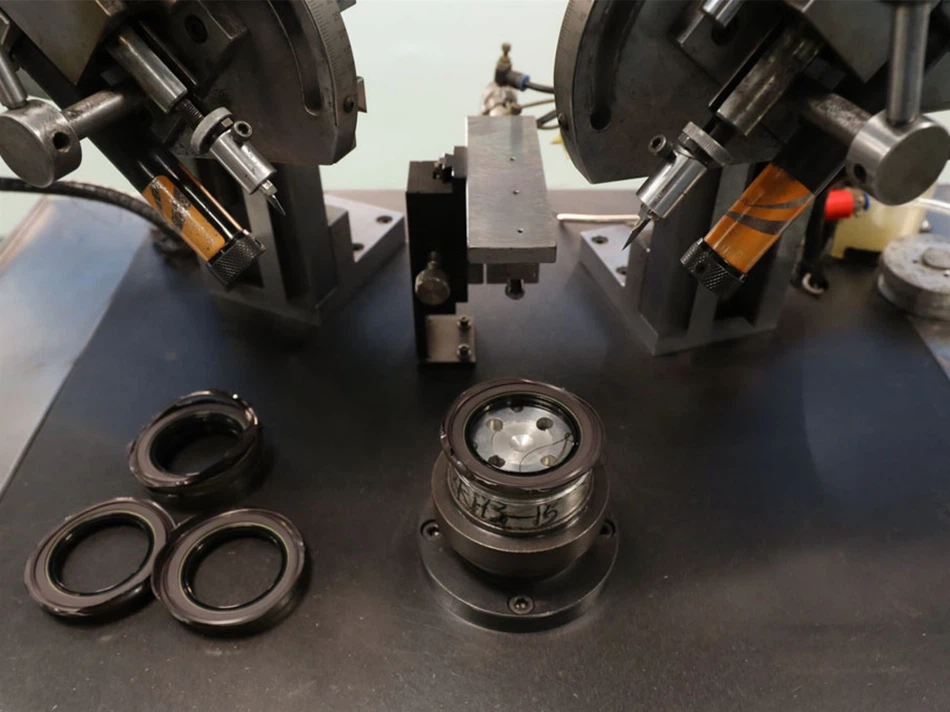
Magnetic Encoder Data Detection
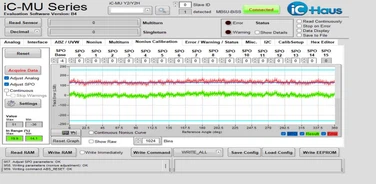
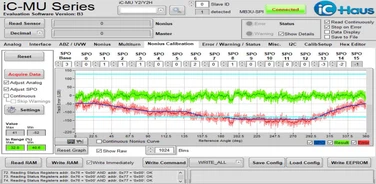


Send Inquiry Now
Structure and Components of Encoder Magnets
The Magnet
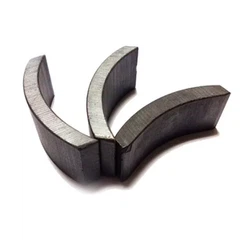
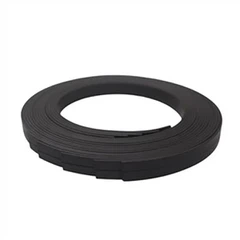
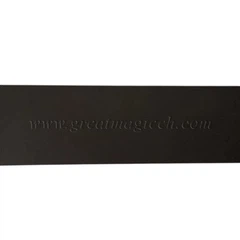
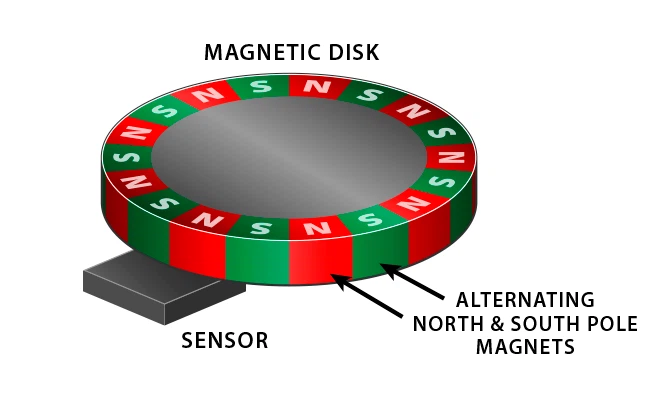
The magnet is the core component that interacts with the sensor. Depending on the design, you may find ring-shaped magnets, disc magnets, or linear magnetic strips. These magnets create a magnetic field that changes as the shaft or object moves, allowing the encoder to detect position and speed.
The Sensor
The sensor reads the changes in the magnetic field. When installing or maintaining an encoder, it is crucial to know how the sensor aligns with the magnet. Proper alignment ensures accurate readings and prevents errors in motion detection.
Housing and Supporting Components
The housing protects the sensitive parts inside from dust, moisture, and vibration. You should also consider the bearings and mounting components, which maintain the stability of the magnet and sensor during operation. A well-built structure ensures durability and reliable performance over time.
Send Inquiry Now
How Magnetic Encoders Work

Magnetic encoders work by sensing changes in a magnetic field caused by movement. At the core, a magnet is attached to a rotating shaft or a moving component. As this part moves, the magnetic field around it changes. A sensor, usually a Hall-effect sensor or a magnetoresistive sensor, detects these changes and converts them into electrical signals.
These signals represent either the position or the speed of the moving part. In rotary encoders, the sensor tracks the rotation angle of the shaft, while in linear encoders, it tracks straight-line movement. The encoder's electronics then translate this magnetic information into digital or analog output, allowing machines to know exactly how far or how fast the object has moved.
The accuracy of a magnetic encoder depends on the strength and arrangement of the magnet, the precision of the sensor, and the quality of the electronics. Because magnetic fields are not affected by dust, dirt, or oil, magnetic encoders can work reliably in harsh industrial environments.
Send Inquiry Now
Magnetic Encoder vs Optical Encoder
| Comparison | Magnetic Encoder | Optical Encoder |
| Working Principle | Detects position or rotation via magnetic field changes, typically using a magnetic ring/disc and Hall sensors | Uses an optical disk and a photodetector to generate pulses based on light interruption |
| Durability / Environmental Resistance | Resistant to dust, oil, vibration, and temperature changes; suitable for harsh environments | Sensitive to dust, oil, and vibration; requires clean environments |
| Accuracy & Resolution | High resolution up to 17–20 bit; multi-turn absolute encoders provide precise position feedback | Very high precision, but may degrade under industrial dust or light interference |
| Cost & Maintenance | Simple structure, low maintenance, long lifespan, ideal for long-term industrial use | Higher cost, requires regular cleaning and maintenance |
| Typical Applications | Robotics, conveyor systems, CNC machines, EV motors, industrial automation | Precision instruments, laboratory equipment, and high-precision measurements in clean environments |
| Pros & Cons Summary | Durable, low maintenance, customizable, multi-turn, high resolution | Very precise, best in clean environments, higher cost, and maintenance |
Send Inquiry Now
Advantages of Magnetic Ring Encoders
High Durability
These encoders are resistant to dust, oil, and moisture because they use magnetic fields instead of optical components. This design allows them to operate effectively in harsh industrial environments with minimal maintenance.
Accurate Position Feedback
The magnetic ring delivers precise rotation detection. Even in compact machines, shaft positions can be tracked with consistent accuracy, ensuring smooth operation.
Long Lifespan
With minimal wear on moving parts, magnetic ring encoders tend to last longer than many other types. Reduced maintenance and replacement needs help minimize downtime and costs.
Flexible Installation
Magnetic ring encoders can be installed in tight spaces or on various types of shafts without compromising performance, making them versatile for different applications.
Send Inquiry Now
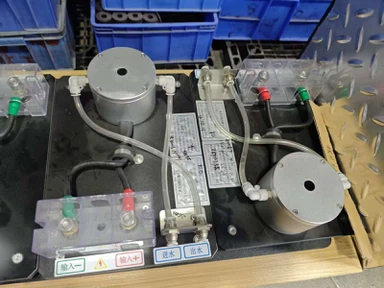
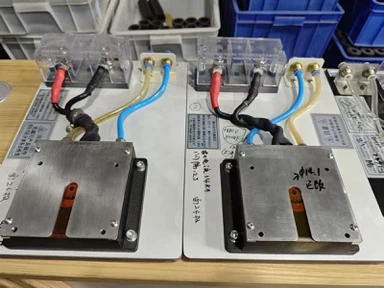
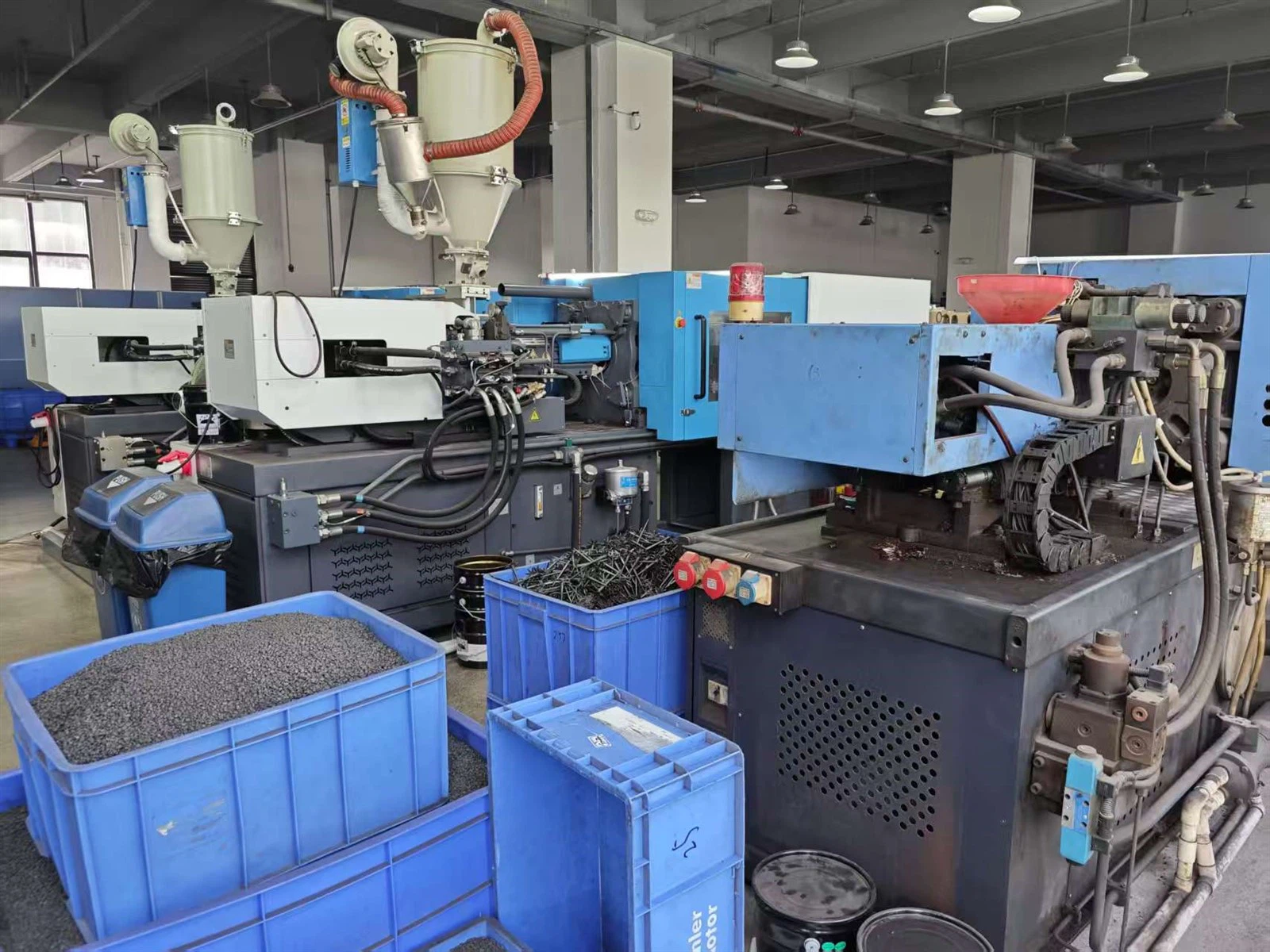
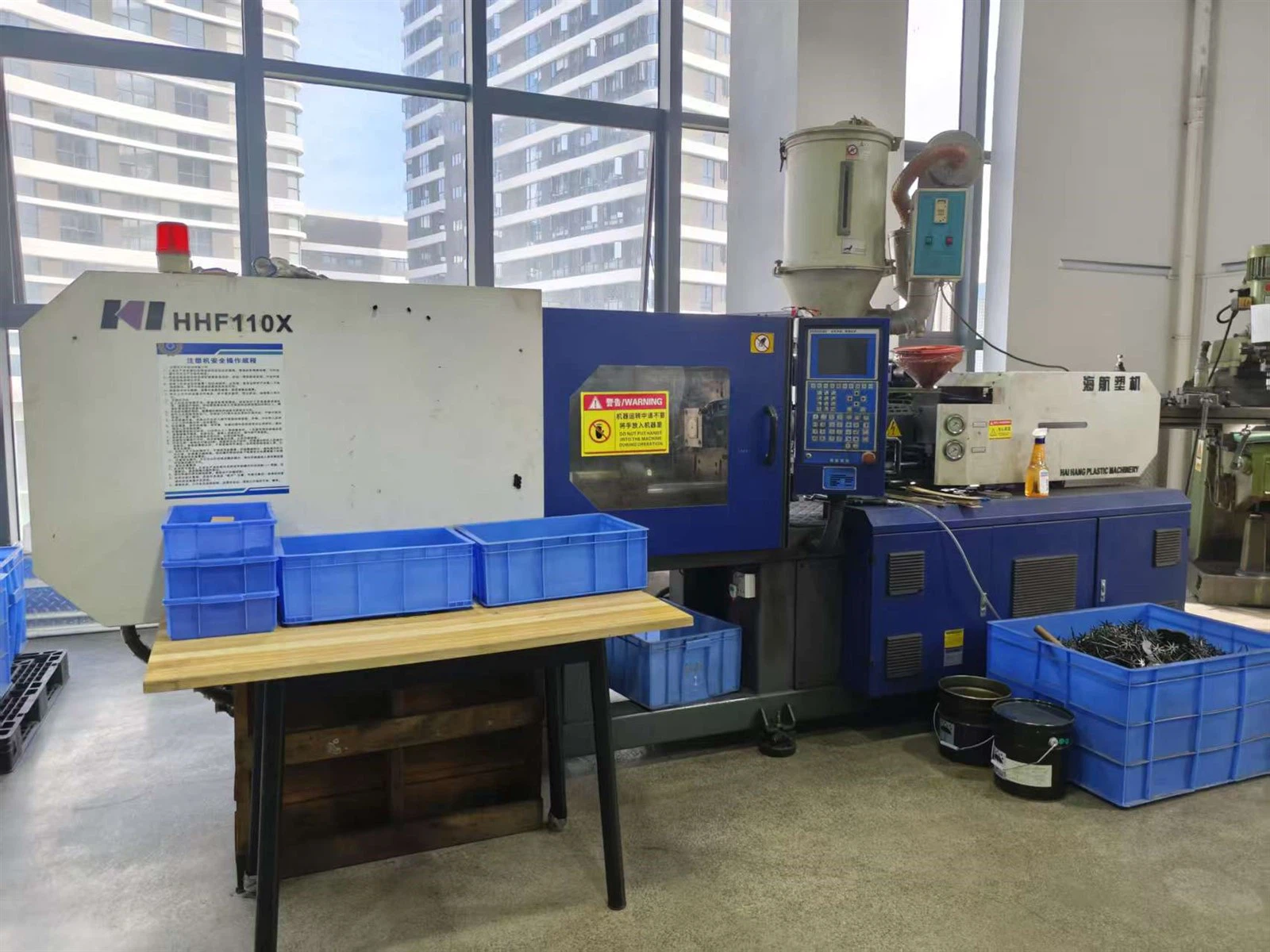
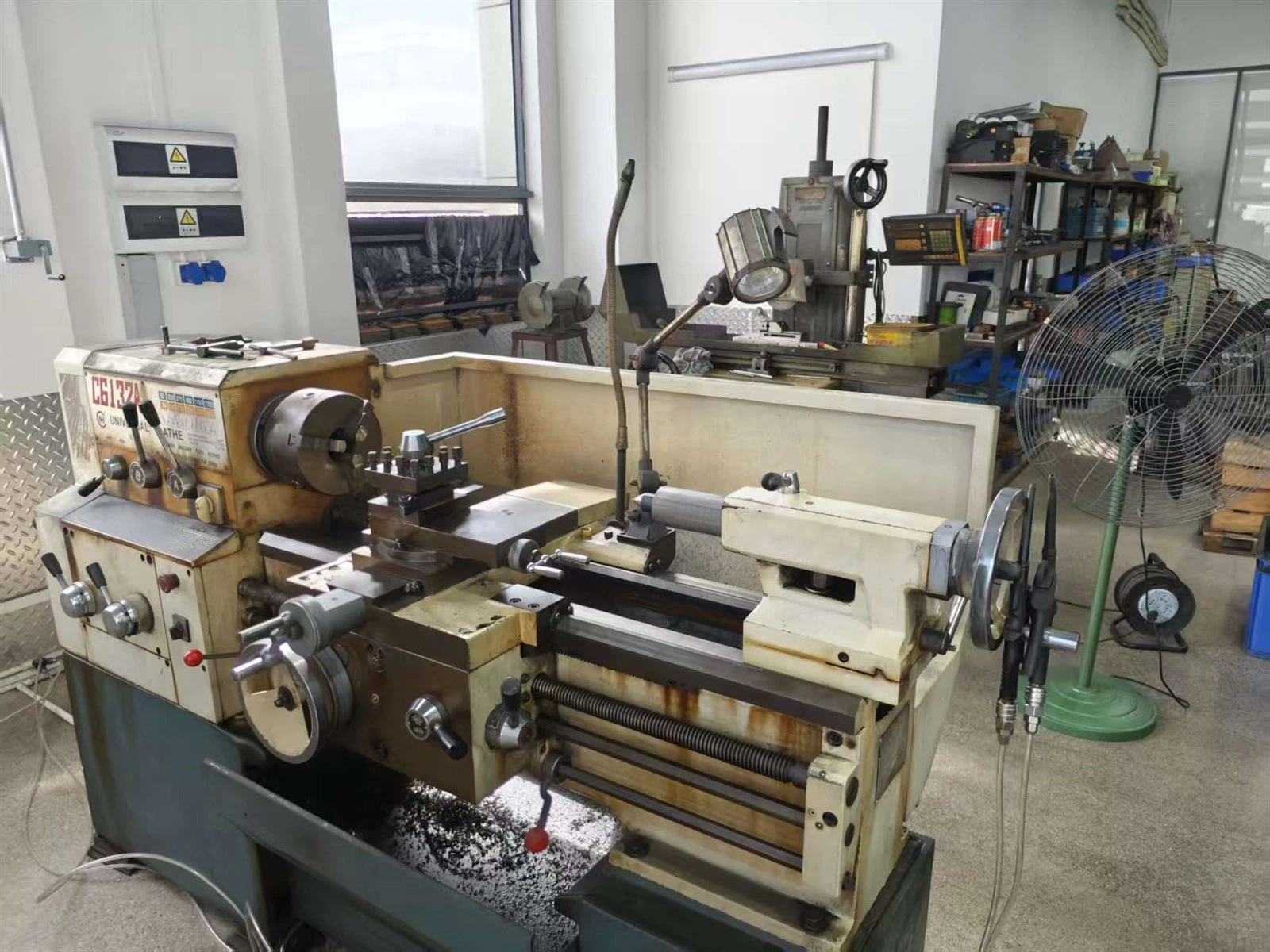
Our Production Equipment

Send Inquiry Now
Industrial Applications of Magnetic Encoders
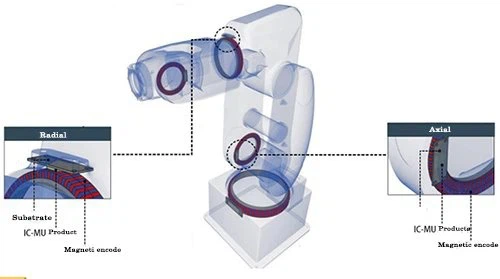
Robotics and Automation
In robotic arms and automated assembly lines, magnetic encoders provide accurate position and rotation feedback. This ensures smooth and reliable movement, even in environments with dust, oil, or vibrations.
Motor Control
Electric motors in industrial machinery rely on magnetic encoders to monitor speed and shaft position. This allows for precise control of motion and helps maintain consistent performance in motors of all sizes.
CNC Machines and Manufacturing Equipment
Magnetic encoders are integrated into CNC machines to track linear and rotational movements. Their ability to deliver accurate and repeatable measurements improves machining precision and overall production quality.
Conveyors and Material Handling
Encoders help control the movement of conveyor belts, lifts, and automated storage systems. They provide real-time feedback to maintain the correct speed, alignment, and positioning of materials during transport.
Medical and Laboratory Devices
High-resolution magnetic encoders are used in diagnostic machines, pumps, and lab automation devices. Their reliability and accuracy ensure precise operation in sensitive environments.
Send Inquiry Now
Custom Magnetic Encoder Solutions
Tailored Designs
Encoders can be designed to fit unique shaft sizes, mounting configurations, or environmental conditions. This flexibility ensures compatibility with specialized machinery and complex systems.
Encoder-Specific Magnetization
Specialized magnetization processes are tailored for encoder systems, ensuring signal stability and consistency under challenging conditions like wide temperature ranges and vibration.
Adjustable Resolution and Feedback
Custom solutions can provide different levels of resolution or output signals. This allows machines to achieve the desired accuracy and control needed for various industrial applications.
Integration with Existing Systems
Magnetic encoders can be customized to work seamlessly with existing electronics and control systems. This reduces the need for additional modifications and simplifies installation.
Durability and Environmental Considerations
Custom encoders can be optimized for harsh environments, including exposure to dust, moisture, or vibration. Materials and protective housings are selected to ensure long-term reliability.

Send Inquiry Now
Process of Injection Molded Magnets
The production of injection-molded magnets involves several precise steps to ensure stable performance and consistent quality. It begins with the weighing of magnetic powder and polymer binders, followed by a coupling treatment that improves the bonding between materials. The compound is then mixed and extruded into pellets with uniform properties, which are ready for injection molding.
During injection molding, the material is melted and injected into precision molds to form complex magnetic parts used in magnetic encoder systems. After molding, the magnets undergo magnetization to define the north and south poles, ensuring accurate and reliable signal generation. Finally, each magnet is inspected, packed, and shipped, completing a fully controlled magnet manufacturing process.
Thanks to this advanced process, our magnetic encoder magnets feature excellent dimensional stability, corrosion resistance, and long-term reliability, making them ideal for high-performance encoder applications. Learn more about how our precision manufacturing ensures accuracy in every encoder component.

Send Inquiry Now
Why Choose Our Magnetic Encoders
High Precision and Accuracy
Each encoder is engineered to deliver consistent position and rotation feedback. The precise detection ensures smooth operation for motors, robotics, and automation systems.
Durable and Reliable
Built with high-quality magnets, sensors, and protective housings, these encoders resist dust, moisture, and vibration. This durability reduces maintenance needs and extends the product's lifespan.
Versatile Solutions
We offer magnetic encoders in multiple formats, including rotary, linear, absolute, and incremental types. This variety allows integration into different machinery and systems without compromising performance.
Customization Options
Customers can request tailored solutions to meet unique requirements, such as specific shaft sizes, output signals, or environmental protection needs. This flexibility ensures the encoder fits seamlessly into any setup.
Send Inquiry Now

FAQ
Q: How to choose the right magnetic encoder for a project?
A: Selecting the correct encoder depends on factors such as required resolution, rotational speed, shaft size, and environmental conditions.
Q: Can magnetic encoders work in extreme temperatures?
A: Yes, many encoders are designed to operate in a wide temperature range. However, it is essential to consult the manufacturer's specifications to determine the limits and avoid potential performance issues or component damage.
Q: Are magnetic encoders compatible with all types of motors?
A: Magnetic encoders can be integrated with most motors, but the signal type, mounting style, and shaft alignment must match the motor'sconfiguration. Choosing the correct combination ensures accurate readings.
Q: Can a magnetic encoder be repaired if damaged?
A: Minor issues, such as misalignment or dirt on the sensor, can usually be corrected. For significant damage to magnets or electronics, replacement is recommended to ensure reliable performance.
Get quality magnetic encoders from professional magnetic encoders manufacturers and suppliers here. Our factory offers the best products with the lowest price.


