













Understanding Magnetic Separation in Plastic Waste Recycling
Magnetic separation is the method of using the magnetic system in recycling aimed at the removal of metallic foreign bodies from the worthless stream of plastic. The technology applies the use of magnets, which are attracted by ferrous metals and taken out of the production line along with plastics. In some circumstances, it can also be possible to separate other types of metals, like the nonferrous ones, and thus have a system that can provide metal-free plastic waste. These separators can be used in the automotive industry, packaging industry, and electronics industry, among other industries that require high-grade plastics. Understanding the importance of magnetic separation makes a business go through the process and path of incorporating magnetic separation.B2B Sellers in the Recycling Industry
Large-scale businesses dealing with plastic processing will find it useful to learn how these separators enhance the quality of the material and the operation. Business-to-business sellers in the context of the plastic recycling industry, in which manufacturers, suppliers, and managers of industrial recycling facilities will be acquiring the right separation technology. Recycled plastics also remain affordable to companies, while the quality of the end product offered to clients is also high. Thus, providers of plastic waste recycling equipment can apply that knowledge to inform their consumers or identify needed improvements. Thus, it is crucial to know the benefits of magnetic separation as a way for B2B sellers to stay competitive in the recycling market.
Types of Magnetic Separators for Metal in Plastic Waste

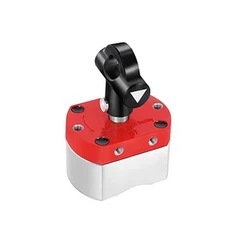
Overhead Magnetic Separators
Send Inquiry Now
Drum Magnetic Separators
Send Inquiry Now
Magnetic Grids Separators
Send Inquiry Now
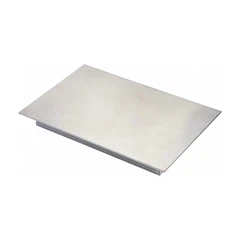
Eddy Current Separators
Send Inquiry NowOverhead Magnetic Separators
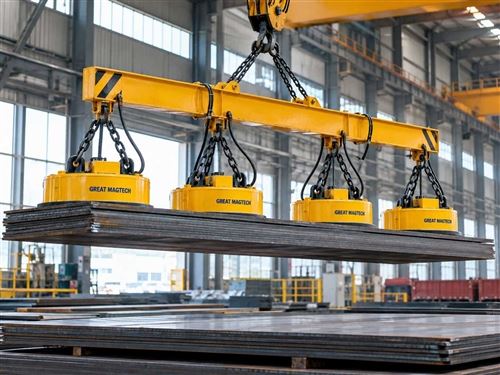
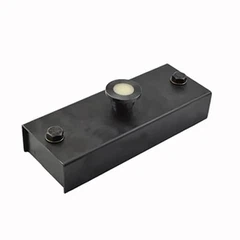
Overhead magnetic separators are suspended above the conveyor belts, which helps them pick ferrous metals from plastic waste. These separators can arrest very large metallic tramps before they get to the downstream processing equipment. In this way, overhead separators help save equipment from being worn out and, at the same time, increase the efficiency of the plant. They are particularly applicable in recycling industries that handle a huge pile of plastic waste for recycling purposes. Their continuous operation also means that there is no need for the operator to intervene in removing metal.
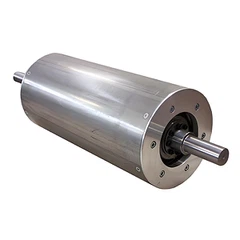
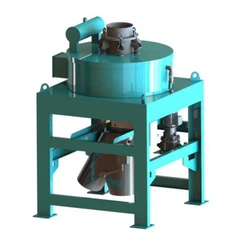
Drum Magnetic Separators
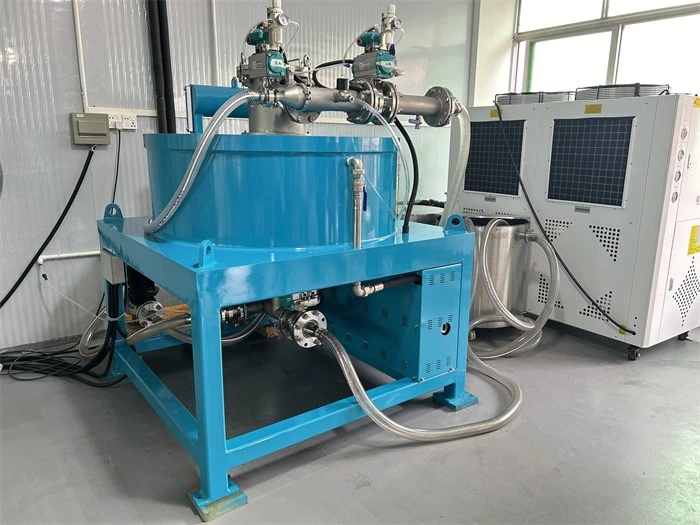
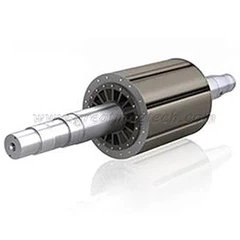
Magnetic drum separators are another type of industrial separator that involves the use of a drum that rotates and contains powerful magnets, which attract and thus extract the undesired metals. They are best suited due to their capabilities to handle large volumes of plastic waste with fine and coarse metallic particulate content. During the rotation of the drum, ferrous metals from other nonmetallic products filter the outer surface of that drum. They are widely used in recycling plants handling shredded or granulated plastic products, which are used in industries on this production line. They provide a much more efficient way of removing the contaminants, hence improving the quality of the plastics produced and reducing demands on the cutting machines.
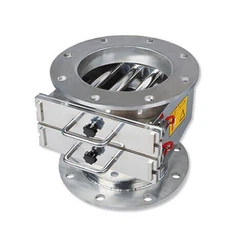
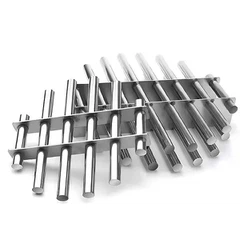
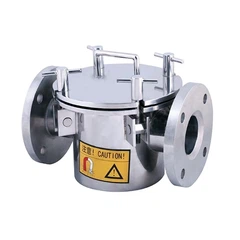
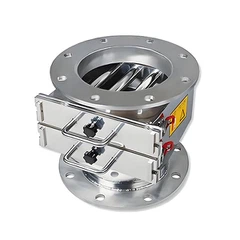
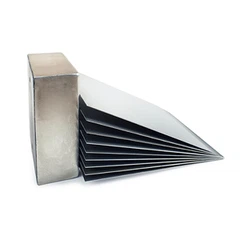
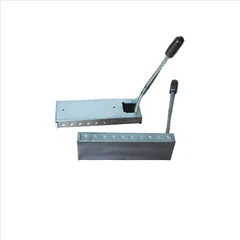
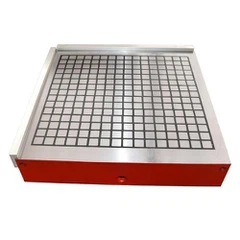
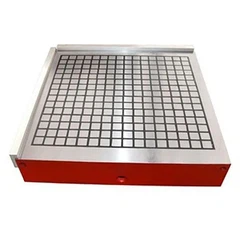
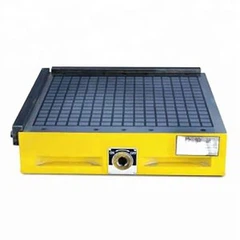
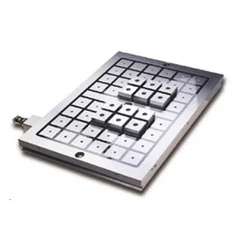
Magnetic Grids & Filters
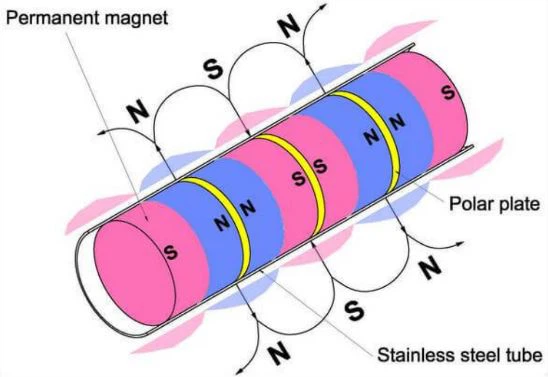
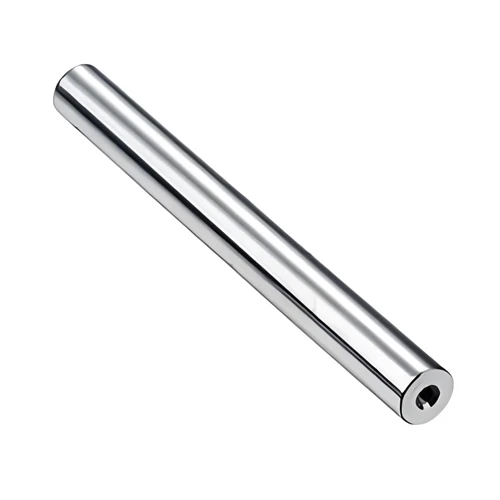
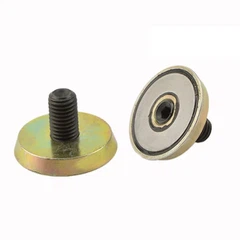
Magnetic grids are widely employed in plastic recycling pipelines to remove small and fine magnetic particles. These are blocks of magnets assembled in a lattice-like manner, which capture the metal particles as the plastics pass through. They are most appropriate for trapping particles that could be elusive in other, larger separation systems. Electromagnetic grids and filters are common in industries where packing and filtering of high-quality plastics are crucial. New designs are compact; they can easily fit in with the other plastic recycling units.
Eddy Current Separators
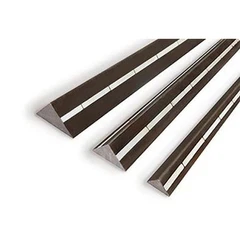
Eddy current separators are mainly used to separate nonferrous metals such as aluminum and copper from plastics, among other materials. Older systems easily achieved this by employing a strong rotary magnet to induce an eddy current to push nonferrous materials from the plastic streams. Its implementation shall be used to attain this level of recycling with the plastic contained within the metal. Used extensively in the separation of electronic waste, as plastics and nonferrous metals come hand in hand most of the time. These separators help increase the degree of material in plastic recycling facilities and other metals, such as nonferrous metals, for further use.
Advantages of Magnetic Separators in Plastic Waste
Magnetic separators, therefore, have several benefits for use in the recycling of plastics, more especially in the aspect of reducing the risk of contamination. So, ensuring that the recycled plastics produced meet industry requirements, these systems effectively reduce the metallic contents in the plastics.Improved Product Quality and Purity
The first benefit associated with the use of magnetic separators is the enhancement of product quality. The process of extracting metals from plastics helps make the secondary plastics free from interferences, which makes them suitable for high-quality use. The resin products that have been cleaned are given a better appearance, hence attracting higher demand by the manufacturers as the market value increases.
Increased Equipment Lifespan and Reduced Maintenance Costs
The iron impurities arising from plastic waste are very destructive to processing equipment such as grinders, extruders, and molders. Iron and steel particles can be safely removed from undesirable materials by magnetic separators before they get to the sensitive parts of the equipment. This results in reduced cases of breakdown and, therefore, improves the durability of the machine, hence lower maintenance costs over time. This objective is important because it is efficient, since it enables the business to reduce the expenses that would be incurred in replacing or repairing the equipment.Enhanced Processing Efficiency
They also enhance product quality because the plastic materials going to the various processing stages are free from iron particles. This reduces contamination and increases the throughput of the assembly lines. They include high efficiency, and therefore, plants used can handle large volumes of waste in the best way possible.Compliance with Industry Regulations and Sustainability Goals
This is because there are very strict regulations that are applied to the recyclability of plastic material, and if one fails to abide by the set rules, then one is liable to be penalized and fined. Magnetic separators assist corporations in their aim towards recycling and conforming to regulatory standards through the removal of metal particles from recycled plastic products. The specific objective of Great Magtech is to strive for sustainability, which can help the firm win green customers and enhance its CSR standing.

Cost Savings and Competitive Advantage
Magnetic separation results in long-term cost benefits since it helps avoid spending on materials that get wasted and protects the equipment from damage, and also helps increase the efficiency of the production process. This paper was used to understand the fact that through the application of advanced magnetic separators, business people can obtain recycled plastics of high quality with low operating costs. This keeps their prices as low as possible to beat the market competition, and at the same time, they make profits.
How to Choose the Right Magnetic Separator for Your Recycling Plant
Choosing a magnetic separator should be based on the material type, metal contamination, processing capacity, and installation space. A wrong choice may lead to poor separation, equipment damage, or unstable production.
Material Type
Plastic flakes, granules, powders, and mixed plastic waste need different separator designs. For conveyor-fed plastic waste, overhead magnetic separators are often used. For granules or fine materials, drum separators or magnetic grids may work better.
Metal Contamination
If the main contamination is iron or steel, a magnetic separator is suitable. If the material contains aluminum, copper, or other non-ferrous metals, an eddy current separator may be needed.
Processing Capacity
The separator must match the conveyor width, material flow, and daily output. If the material layer is too thick or the speed is too fast, the separation effect may drop.
Installation Space
Before selection, check whether the separator will be installed above the conveyor, inside a chute, or near a discharge point. Limited space may require a compact or customized design..
Best Practices for Maintaining and Optimizing Magnetic Separators
This suggests that constant maintenance is important when it comes to magnetic separators to ensure that they operate at their optimal level. Periodically checking the magnetic pieces for their levels of wear will also increase the efficiency of separation. These include cleaning the magnetic grids and filters to remove any kind of accumulation or build-up, as this will ensure their longevity. The performance of the separators should also be checked by the businesses, and rectifications should be made depending on the level of contamination and variations in throughput. The above-discussed best practices will help organizations increase the effectiveness of the magnetic drum and plate separators in the recycling of plastic waste.
Conclusion
Magnetic separators are widely used in the process of recycling plastics because of the importance of minimizing impurities. The control of these metals is beneficial in removing impurities, thereby making the products more quality-oriented, helping in reducing the amount of damage done to machinery, and making the overall operation more efficient. Selecting appropriate magnetic particle equipment can save a great deal of money and ensure that one's business meets industry requirements. It is advisable for organizations that are involved in recycling plastics to incorporate magnetic separators into their businesses. The right approach to the issue makes it possible to have a higher level of sustainability and competitiveness in the market.
FAQ
Q: Can magnetic separators remove all metals from plastic waste?
A: Not all metals can be removed by one separator. Ferrous metals need magnetic separators, while non-ferrous metals such as aluminum and copper usually need eddy current separators.
Q: How often should magnetic separators be cleaned?
A: The cleaning frequency depends on the metal content in the plastic waste. In high-contamination lines, separators should be checked and cleaned more often to keep stable performance.
Q: What information is needed before choosing a magnetic separator?
A: Basic information includes material type, particle size, conveyor width, processing capacity, metal contamination level, and installation space. These details help suppliers recommend the right model.
Q: Can magnetic separators work with wet plastic materials?
A: Some magnetic separators can handle wet materials, but the design must match the working condition. Moisture, material flow, and particle size should be checked before selection.
Q: Is a standard magnetic separator enough for food-grade or medical plastic recycling?
A: Not always. High-purity recycling usually needs stronger magnetic systems, better sealing, easier cleaning design, and stricter inspection before production use.
Q: Can Great Magtech provide customized magnetic separators?
A: Yes. Great Magtech can support custom separator size, magnetic strength, installation structure, and separation layout based on the recycling line and material conditions.
Q: What causes poor separation performance?
A: Common reasons include weak magnetic strength, fast material flow, thick material layers, poor installation position, and magnets covered by metal buildup or dust.