







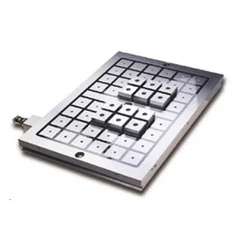


When you handle oily or coated steel sheets, getting one sheet at a time can be harder than it looks. Oil films and surface coatings can make sheets stick together, increasing the risk of double-sheet feeding during handling or production.
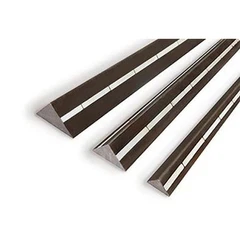
A magnetic sheet separator helps you fan apart stacked steel sheets before they are picked up or fed into the next process. But choosing the right setup still matters. You need to consider your sheet material, thickness, surface condition, and how you handle the sheets.
In this guide, you'll learn how magnetic sheet separators work with oily and coated steel sheets, how to choose the right setup, and what to check when separation is not consistent.
Why Are Oily & Coated Steel Sheets Difficult to Separate?
Oil and Surface Adhesion
When you stack steel sheets with processing or rust-preventive oil, the oil film can make the surfaces stick together. You may find it harder to pick one sheet at a time, especially when handling thin sheets or tightly packed stacks.
Coatings and Surface Conditions
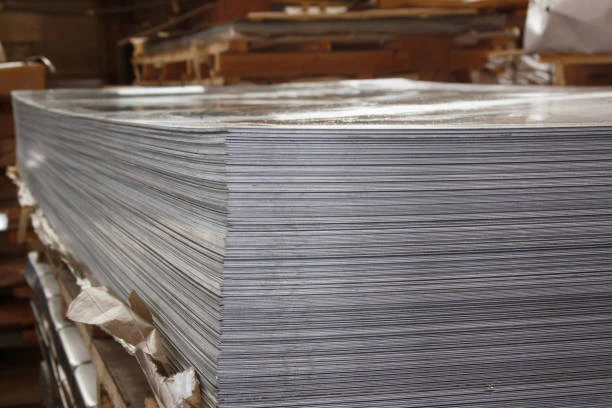
Painted, galvanized, and other coated steel sheets can create similar handling issues. The coating, surface finish, sheet thickness, and amount of oil all affect how easily the sheets separate.
Double Sheet Feeding
When sheets remain stuck together, your handling or feeding system may pick up two or more sheets instead of one. This can lead to feeding errors, production stops, surface damage, or even die and tooling problems.
For oily and coated steel sheets, reliable single-sheet separation helps you keep feeding more consistent and avoid these problems before they reach the next production step.
How Do Magnetic Sheet Separators Solve the Problem?
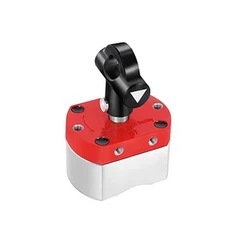
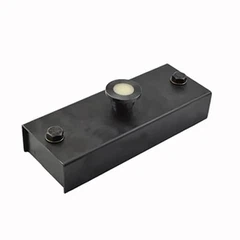
To handle these sticking problems, you can use a magnetic sheet separator to fan apart stacked steel sheets before they are picked or fed.
Magnetic Force Separates Stuck Steel Sheets
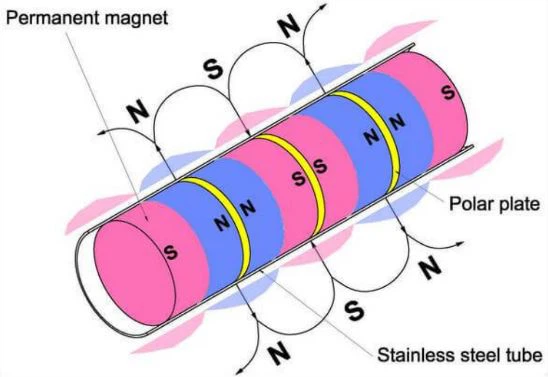
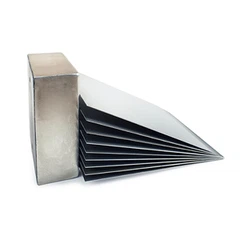
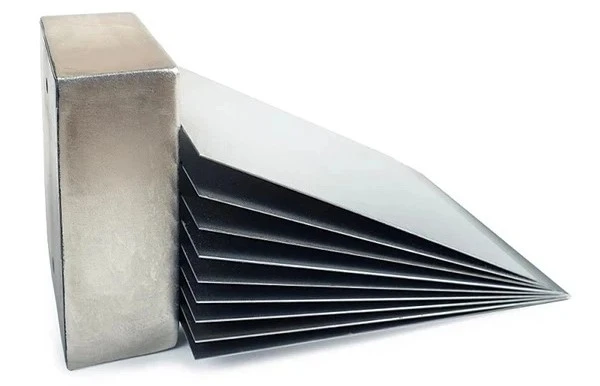
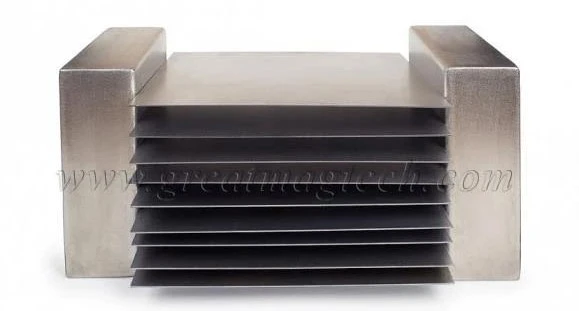
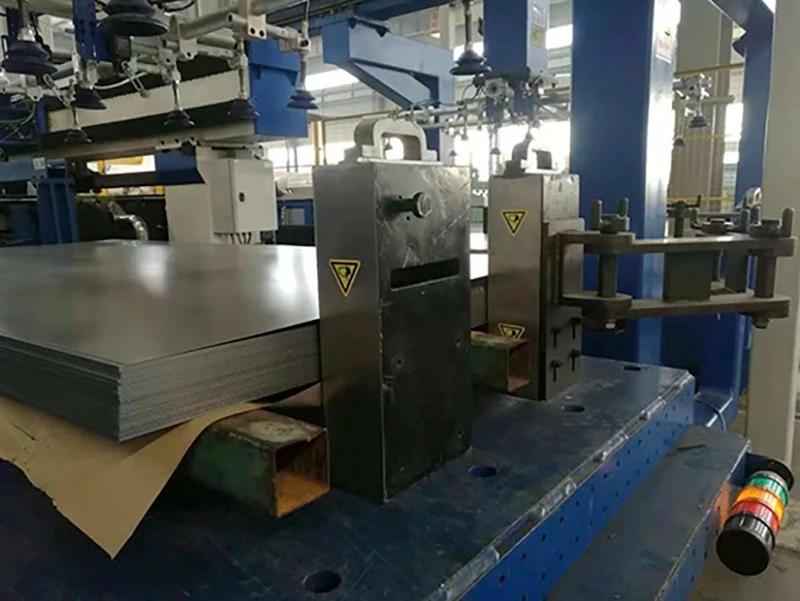
You place the magnetic sheet separator beside the stack of steel sheets, allowing its magnetic field to act on the ferrous sheets. The sheets become magnetized with the same polarity and repel each other, creating small gaps between adjacent sheets.
This helps break the contact between sheets that are held together by oil, coatings, or surface adhesion. As the upper sheets fan outward, you can access them more easily without prying them apart by hand.
Fanning Helps You Pick One Sheet at a Time
Once the sheets are separated, you can pick or feed them individually. This reduces the chance of two sheets being lifted together and helps keep the next handling or production step more consistent.
For manual handling, you can access individual sheets more easily. For automated systems, the fanned sheets support more reliable single-sheet pickup and feeding.
What Types of Steel Sheets Can Magnetic Sheet Separators Handle?
The type and condition of your steel sheets directly affect whether magnetic separation is suitable for your application.
Oiled Carbon and Cold-Rolled Steel Sheets
You can use magnetic sheet separators with many ferrous steel sheets, including carbon steel and cold-rolled steel. They are particularly useful when you handle pre-oiled sheets, where a layer of processing or rust-preventive oil can make stacked sheets difficult to separate.
If you work with thin steel sheets, single-sheet pickup can be even more important. A separator helps fan the sheets apart so you can access the top sheet without manually pulling apart the stack.
Coated and Painted Steel Sheets
You can also use magnetic sheet separators for many coated steel applications, including galvanized and painted steel sheets. The coating itself does not make the steel non-magnetic, but its thickness and surface condition can affect how easily the sheets separate.
Your actual separation results depend on more than the material name. Sheet thickness, coating, oil level, and how tightly the sheets are stacked can all affect performance.
Materials That Need Different Solutions
Magnetic sheet separators are intended for ferrous steel sheets. If you handle aluminum, copper, or non-magnetic stainless steel, a standard magnetic separator will not provide the same separation effect.
Before you choose a separator, check the steel type, sheet thickness, surface coating, oil condition, and sheet size. These details give you a better starting point for selecting a suitable separation solution.
Where Are Magnetic Sheet Separators Used?
You can use magnetic sheet separators wherever you need to separate stacked steel sheets before the next handling or production step. The most common applications involve sheet blanks, press feeding, and automated material handling.
Automotive Stamping
If you work with steel blanks or body panels, you can use a magnetic sheet separator before press feeding. Fanning the sheets apart helps you pick one blank at a time and reduces the risk of feeding multiple sheets into the press.
Sheet Metal Processing
You can also use magnetic sheet separators before cutting, bending, forming, or other sheet metal processes. Separating the stack first makes individual sheets easier to handle and feed into the next operation.
Automated Sheet Handling
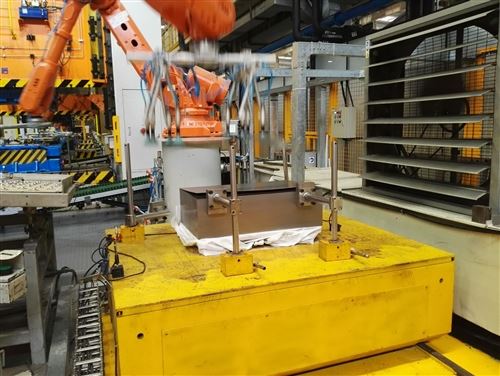
For automated production, you can place a magnetic sheet separator near the sheet stack before a robot or feeding system picks up the material. This helps support more consistent single-sheet pickup and reduces the chance of multiple sheets being handled together.
How to Choose a Magnetic Sheet Separator for Oily & Coated Steel Sheets
When choosing a magnetic sheet separator for oily or coated steel sheets, you need to look at the actual sheets you handle and how you move them through your process.
Consider these key factors:
* Material and surface condition: Check whether you handle carbon steel, cold-rolled steel, galvanized, or painted sheets. Note the amount of oil and the type of coating.
* Sheet thickness and size: Your sheet thickness, length, and width affect how the sheets stack and separate. Make sure the separator fits your material range.
* Handling method: For manual handling, focus on easy access to individual sheets. For automated feeding, consider how the separator works with your robot, lifter, or feeding system.
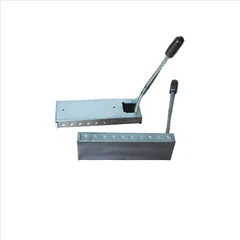
* Magnetic strength and configuration: You need enough magnetic force to fan apart your stacked sheets without making handling difficult. For heavily oiled, tightly stacked, or harder-to-separate sheets, a pneumatic magnetic sheet separator can provide additional assistance during separation. Your sheet condition and production setup should guide the choice of configuration.
If you are unsure which magnetic sheet separator fits your application, provide your steel type, sheet thickness, sheet size, surface condition, and handling method. These details give you a practical starting point for selection.
How to Install and Set Up a Magnetic Sheet Separator
Installing a magnetic sheet separator is mainly about getting the separator into the right position beside your steel sheet stack. You do not place it on top of the sheets. Instead, you position it along the side of the stack so the magnetic field can reach the sheet edges.
Start by placing your steel sheets in a stable, aligned stack. Then position the separator beside the stack, with its magnetic surface facing the sheet edges. Make sure the separator is secure and does not block your robot, lifter, or operator from accessing the sheets.
Next, turn on or activate the separator according to the model you use. Check whether the upper sheets begin to fan apart. You should see a clear gap between individual sheets rather than the whole stack moving together.
Before production, test the separator with the same sheets you normally use. Check:
* Position: The separator should act on the sheet edges without interfering with pickup.
* Separation: The sheets should fan apart enough for single-sheet pickup.
* Pickup: Your operator or handling system should be able to take one sheet without pulling the next sheet along.
* Stability: The separator and sheet stack should remain stable during operation.
If the sheets do not separate well, first check the separator position, sheet alignment, and actual material condition before changing other settings.
Magnetic Sheet Separator Troubleshooting: Common Problems and Solutions
If your magnetic sheet separator is not separating sheets as expected, start with the sheet stack and separator position. Many problems come from incorrect positioning, uneven stacking, or changes in the material being handled.
| Problem | What you should check |
| Sheets do not fan apart | Check the separator position, magnetic surface, and sheet material. |
| Two sheets are picked up together | Check whether the sheets are still sticking because of oil or surface coating. |
| Separation is inconsistent | Check sheet alignment, stack condition, and whether the material or thickness has changed. |
| Sheets are difficult to pick up | Check whether the separator is positioned correctly for your lifting or feeding system. |
If the problem continues, test the separator with a clean and properly aligned stack. Then compare the results with your normal production material.
When you handle a different steel type, thickness, coating, or oil level, you may also need to adjust the setup. If you still cannot get reliable separation, check the product instructions or contact your supplier with your sheet material, thickness, size, surface condition, and handling method.
Why Choose Great Magtech Magnetic Sheet Separators?
When you choose a magnetic sheet separator, you need more than a product that can separate steel sheets. You also need support to make sure the equipment fits your material and handling process.
With Great Magtech, you can get support based on your actual application. You can provide details such as your steel type, sheet thickness, sheet size, oil condition, and handling method, so you can select a suitable magnetic sheet separator for your production setup.
You can also work with Great Magtech for OEM and ODM projects when you need a solution adapted to your equipment or application. This can be useful when you are an equipment manufacturer, automation company, or industrial buyer sourcing magnetic separation equipment for your own system.
You can get support with:
* Product selection based on your sheet and handling requirements
* Application guidance for oily and coated steel sheets
* OEM/ODM support for project-specific requirements
* Technical communication during selection and setup
The goal is to help you choose and use the right magnetic sheet separator for your process, rather than simply selecting a standard model by name.
Conclusion
Oily and coated steel sheets can stick together, making single-sheet pickup difficult and increasing the risk of double-sheet feeding. A magnetic sheet separator helps fan apart the sheets before handling or feeding.
If you need a magnetic sheet separator for oily or coated steel sheets, send Great Magtech your steel type, sheet thickness, sheet size, oil or coating condition, and handling method. You can get application guidance and discuss the right solution for your production line.
Contact Great Magtech to discuss your magnetic sheet separation requirements.

Permanent Magnetic Lifter
Send Inquiry Now

Electromagnetic Lifter
Send Inquiry Now
FAQ
Q: Can you use a magnetic sheet separator for oily steel sheets?
A: Yes. You can use a magnetic sheet separator to fan apart stacked ferrous steel sheets when oil causes them to stick together. For sheets that are heavily oiled or more difficult to separate, you may also consider a pneumatic magnetic sheet separator. Your actual results depend on the steel type, thickness, oil level, and stack condition.
Q: Can you use a magnetic sheet separator for galvanized or painted steel?
A: In many cases, yes. If the steel underneath the coating is ferrous, magnetic separation can still work. You should consider the coating and sheet thickness when selecting your separator.
Q: Can a magnetic sheet separator prevent double-sheet feeding?
A: It can help reduce the risk by separating the sheets before pickup. You still need to check your pickup system and test the separator with your actual material.
Q: What should you provide when choosing a magnetic sheet separator?
A: You should provide your steel type, sheet thickness, sheet size, surface coating, oil condition, and handling method. These details help you identify a suitable solution.
Q: Is a magnetic sheet separator the same as a magnetic sheet fanner?
A: Yes. Magnetic sheet separator and magnetic sheet fanner are commonly used for the same type of equipment that separates stacked ferrous sheets.