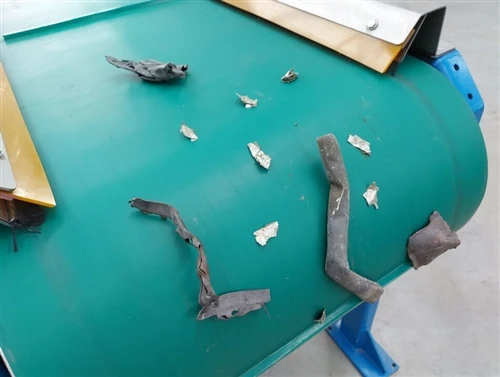











You have removed the iron scraps from your material, but stainless steel fragments still reach the next process. Before replacing the magnet, establish whether those fragments have enough magnetic response for separation and how they move through your line.
Choosing a magnetic separator for weakly magnetic metals starts with your actual feed. First identify what can be separated, then compare equipment for your material stream. Finally, check the proposed configuration against your production needs and verify the result with representative testing.
Use this table as an initial guide. Your material and target contamination determine which option is worth investigating.
| Material stream | Equipment to evaluate | Main selection check |
| Dry free-flowing particles | Rare-earth roll separator | Particle size and even feeding |
| Mixed recycling fractions | Dedicated stainless steel separation system | Actual scrap response and feed presentation |
| Powders and small granules | High-intensity grate or drawer magnet | Powder flow and close contact |
| Liquids and slurries | Magnetic liquid trap or high-gradient filter | Viscosity flow and cleaning conditions |
What Weakly Magnetic Metals Can Be Separated?
Some processed stainless steel fragments and alloy particles can be separated magnetically when they have enough magnetic response. You may encounter them as shredded scrap in recycling or as wear debris from mixers, screens, and other equipment. A metal fragment is not automatically a suitable target just because it contains iron.
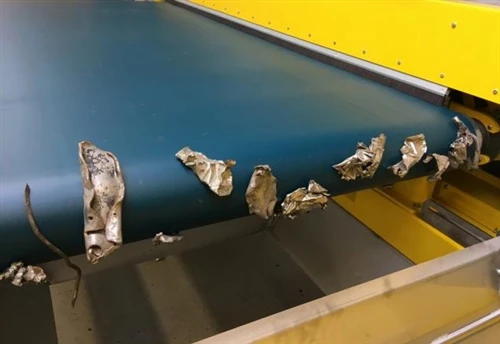
With ferritic or martensitic stainless steel, you generally get strong attraction. With annealed austenitic grades such as 304 and 316, you usually get little or no noticeable attraction. Cold working may increase the response, but the change varies; 316 often remains less responsive than 304.
Identify the actual contaminant by its grade, source, and condition. You cannot assume that every stainless steel fragment will be captured, even within one batch. If your target shows insufficient magnetic response, consider another separation method rather than simply choosing a stronger magnet.
Why Do Standard Magnetic Separators Fail?
Weak Magnetic Attraction
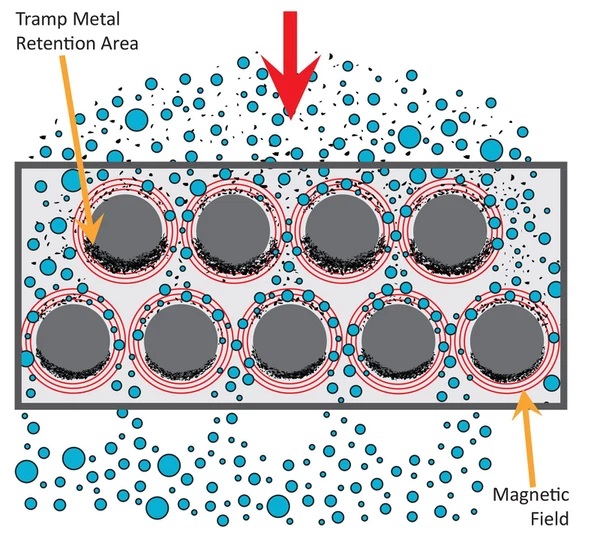
Your existing separator may hold a steel bolt firmly yet barely change the path of a weakly magnetic stainless steel fragment. During separation, the magnetic force must pull the fragment away from the moving feed and retain it long enough to reach a separate discharge.
Equipment designed for large tramp iron may not provide the close-range capture conditions needed for weaker targets. Successful iron removal therefore does not establish that the same unit can remove your stainless steel contamination.
Capture Distance and Attached Material
You may also lose particles when they travel too far from the magnetic surface. A thick material layer places some fragments outside the effective capture zone.
Non-magnetic feed does not normally block the field, but it can bury a fragment or restrict its movement. If the metal is trapped inside plastic or a powder clump, the separator must move the attached material as well.
These conditions explain why changing the way you present the feed can matter as much as changing the magnet. The next step is to choose equipment that exposes your target particles to a suitable capture zone.
Which Magnetic Separator Should You Choose?
Match the separator to how you handle the material: dry particles, mixed scrap, gravity-fed powder, or pumped slurry. The options below are grouped by application. Some share similar magnetic rolls, but the feeding and discharge arrangements serve different tasks.
Rare-Earth Roll Separators for Dry Particles
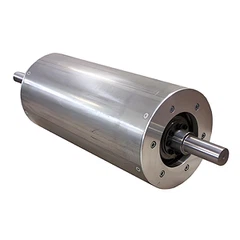
For dry, free-flowing granular material, a rare-earth roll separator is an option when you can control particle size and present a thin, even feed.
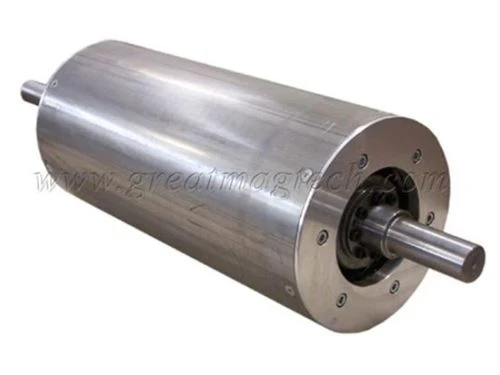
You feed the material onto a thin belt around a strong magnetic roll. Responsive particles stay against the belt longer, while other particles leave on a different path. An adjustable divider, or splitter, directs the streams to separate outlets.
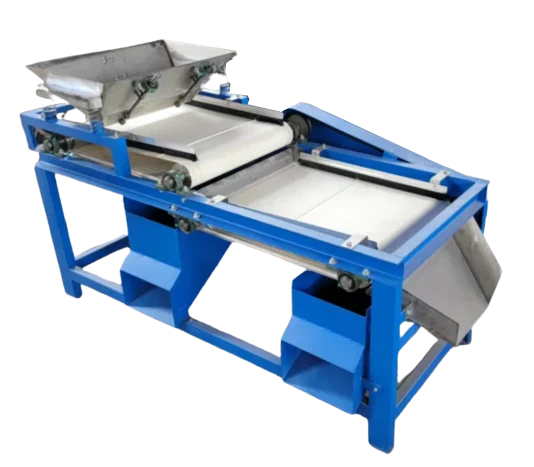
Feed preparation and separation settings
- Feed preparation: If your particle sizes vary widely, screening into narrower ranges can make the discharge paths easier to control. Stable feeding helps prevent larger pieces from covering smaller targets.
- Separation settings: Belt speed and splitter position work together. Collecting a wider stream may recover more target metal, but you may also carry useful material into that fraction. A narrower collection stream may improve purity while leaving some metal behind.
- Feed consistency: Keep the supply steady rather than allowing surges to build a thick layer. You need repeatable presentation for the settings to produce consistent results.
This arrangement is less suitable for damp, sticky, or clumped feed without appropriate preparation. Check whether any drying or screening needed would fit your process.
Stainless Steel Separation Systems for Recycling
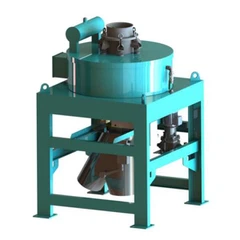
For shredded plastics, cable scrap, or mixed recycling fractions, evaluate a dedicated stainless steel separation system when the target fragments have sufficient magnetic response.
You use a system that combines a high-intensity magnetic roll or high-gradient head pulley with controlled feeding and adjustable discharge. The design needs to accommodate irregular fragments and changing mixtures, rather than a uniform granular feed.
Scrap characteristics and system layout
- Scrap size and shape: Wire, springs, and flat fragments can follow different discharge paths. Check the system against the fractions you actually process, including the largest pieces and fine material.
- Batch variation: Changes in alloy mix and processing history can alter the response of incoming scrap. You may need different feed and discharge settings for different fractions.
- Upstream iron removal: If your feed contains substantial ordinary iron, consider removing it first. The later stage can then focus on weaker magnetic particles without carrying the full iron load.
Do not expect equal recovery across all stainless steel grades and conditions. A dedicated system still needs evaluation against your actual feed.
Grate and Drawer Magnets for Powders
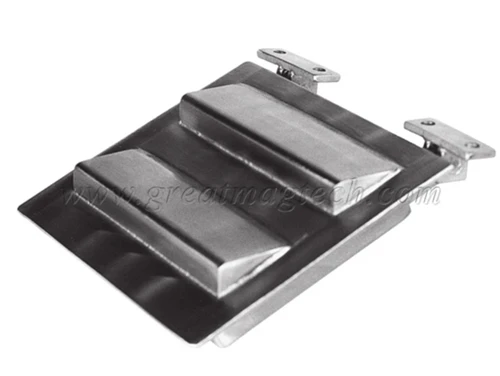
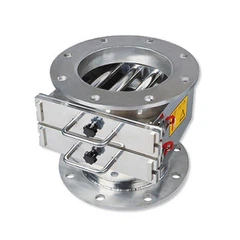
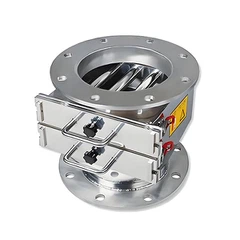
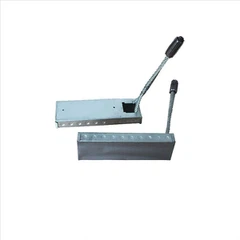
For powders and small granules moving by gravity, consider a high-intensity grate or drawer magnet to capture responsive metal contamination within the product stream.
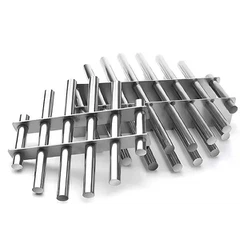
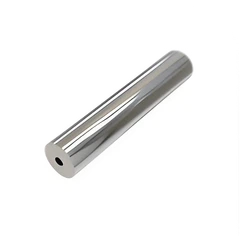
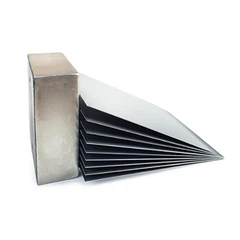
You pass the material through a magnetic grate or drawer magnet, where magnetic tubes retain responsive particles. Staggered rows give particles repeated opportunities to pass close to a capture surface as the material moves down through the housing.
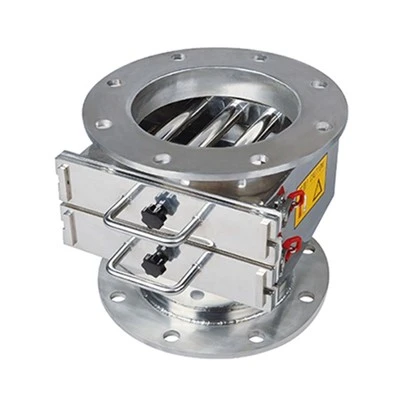
Powder flow and tube arrangement
- Powder flow: A fixed arrangement may suit free-flowing material. With cohesive powder, bridging or channels can develop around the tubes. You may need a design that keeps material moving through the intended capture area.
- Tube spacing: Arrange the magnetic filter bars to provide close contact while leaving enough room for reliable flow. Adding more tubes can restrict the opening if the layout is poorly matched to your powder.
- Capture layout: Check that material cannot pass around the assembly through untreated gaps. The housing and tube arrangement need to work together.
This is a contamination-control option for powders, not a general scrap-recovery system. Confirm suitability for the weakly magnetic particles you need to remove rather than relying on a high Gauss rating.
Magnetic Liquid Traps and Filters for Slurries
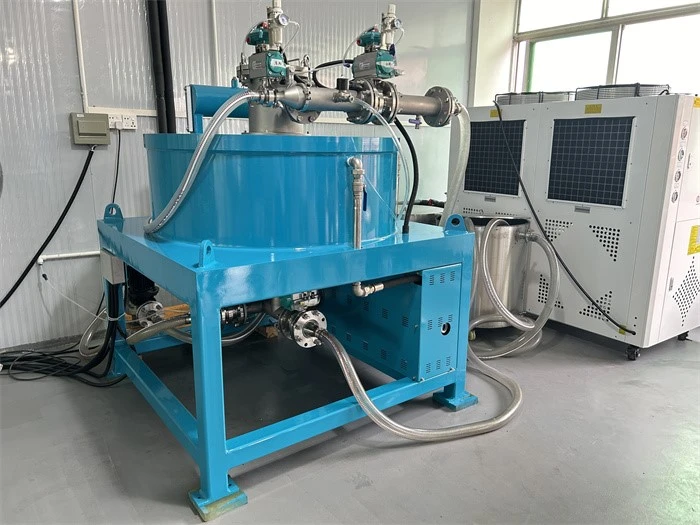
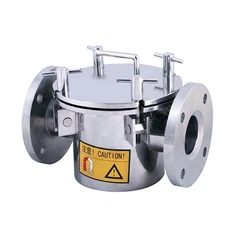
For pumped liquids or slurries, evaluate a magnetic liquid trap or a suitable high-gradient filter when your suspended contamination has enough magnetic response for capture.
With a magnetic liquid trap, you direct flow around magnetic rods. With some high-gradient filters, the slurry passes through a magnetized matrix that creates many local capture points. Compare the internal structure rather than treating these designs as interchangeable.
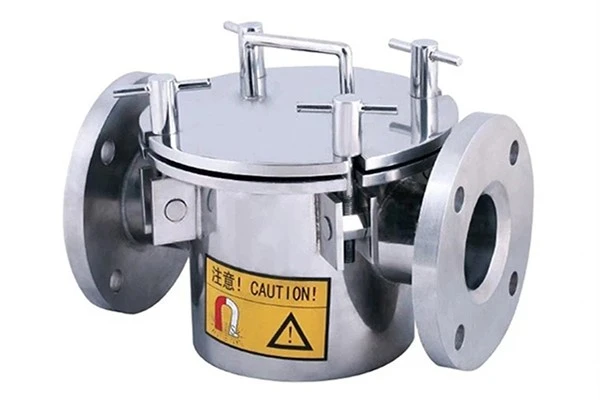
Slurry conditions and capture structure
- Viscosity and flow: A thick slurry can resist particle movement toward a capture surface. High flow may also reduce the opportunity for capture, so the internal passage must suit your liquid and solids mixture.
- Solids content: Check whether the capture structure can handle the size and concentration of solids without excessive buildup or blockage. A dense matrix is not suitable for every feed.
- Filtration role: You can combine magnetic capture with mechanical filtration when both are needed. A screen separates mainly by opening size; the magnetic stage targets particles through their magnetic response.
Keep the treatment target clear: suspended particles. Ordinary magnetic filtration does not directly remove dissolved metal ions.
Additional Stages for Difficult Material Streams
If your target metal remains attached to other material or trapped in clumps, screening or suitable preparation may be needed before magnetic separation.
You may also collect useful material carrying magnetic contamination, which lowers the purity of the recovered fraction. Further cleaning can be necessary. When the target itself has insufficient magnetic response, assess another sorting route.
Key Factors to Consider When Choosing a Magnetic Separator
Once you have identified a suitable equipment type, compare quotations against the same production conditions. Check the usable capture field, capacity, cleaning needs, and installation requirements. You can provide the material and process information without having to design the magnetic circuit yourself.
Magnetic Field Strength, Gradient, and Working Distance
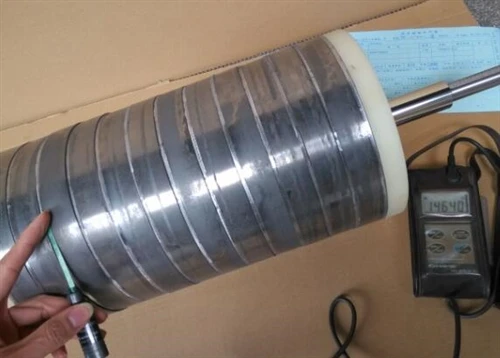
A surface Gauss figure alone does not show what your moving particles will experience. Ask the supplier to explain the magnetic arrangement for the proposed working distance.
Three points help you compare the specification:
- Field strength: A Gauss reading describes magnetic flux density at a stated location. Confirm where and how the reading was taken.
- Field gradient: The change in field strength across space helps create a pulling force on responsive particles. Ask how the design provides capture where your material passes.
- Working distance: Include the belt, housing, and material layer between the target particle and the magnetic source.
You cannot directly compare a reading at the magnet surface with one measured through a belt. A steel-ball pull test measures the release force for that test piece; it does not establish a recovery rate for weakly magnetic stainless steel.
Throughput and Feed Presentation
Confirm that the quoted processing rate applies to your material and separation target. A capacity demonstrated on one feed may not apply to another.
Ask which conditions support the throughput figure:
- Particle size and bulk density: Your material may occupy more space than another feed at the same weight per hour.
- Feed distribution: Check usable belt width, layer thickness, or the relevant passage and flow conditions for your equipment type.
- Production peaks: Include normal surges rather than sizing only for average output.
Increasing capacity by thickening the material layer may reduce capture. Compare throughput and separation performance together, using your normal operating range.
Cleaning, Operating Conditions, and Maintenance
Choose equipment you can clean and service within your production schedule. Confirm the required access and utilities before ordering.
Check cleaning frequency, whether flow must stop, and how much useful material leaves during discharge. Automatic cleaning does not necessarily mean uninterrupted production; review the complete cycle.
For liquid systems, match pressure, temperature, seals, and cleaning chemicals to the specification. For belt and dry-feed systems, check relevant wear parts and dust control needs. Allow space to remove magnetic elements and reach service points.
How to Verify Separation Performance Before Buying
Before committing to equipment, use representative testing to check whether the proposed system can meet your production target. Agree on what will be measured so the result supports a purchasing decision.
Representative Samples and Test Conditions
Start with the material you actually process, including the contamination you struggle to remove.
Provide samples that reflect your normal particle sizes, moisture, and metal content. Include relevant batch variations. A clean, dry sample offers limited guidance if your production feed is damp or clumped.
Ask your supplier to record:
- Equipment configuration: The model, magnetic arrangement, and feeding setup.
- Operating settings: The feed rate, belt speed or liquid flow, and relevant adjustments.
- Test duration: Whether you are reviewing a short demonstration or a sustained run.
Check how the proposed full-size equipment relates to the test setup. A small sample result does not establish full production capacity.
Recovery, Purity, and Product Loss
Choose measures that match your goal: equipment protection, product purification, or metal recovery.
Use separate measures rather than accepting one general "separation efficiency" figure:
- Recovery: How much of your original target metal reaches the designated recovery stream.
- Purity: How much of that collected stream is the metal you want.
- Product loss: How much useful material you lose with captured contamination or cleaning discharge.
If your goal is product purification, also measure the metal remaining in your treated material. Agree on the sampling method, units, and analysis method before testing so you can compare results fairly.
Acceptance Documents and OEM Integration
Put the agreed conditions and acceptance requirements into the purchase documents.
Include feed characteristics, required throughput, performance limits, and the verification method. State any restrictions, such as particle size range or moisture level.
For OEM integration, confirm connection sizes, overall dimensions, control signals, and maintenance access. Specify the drawings, operating instructions, and spare-parts information required at delivery.
Keep the test report with these documents so you can check the supplied equipment against the agreed conditions.
Conclusion
Choose a magnetic separator for weakly magnetic metals by first confirming whether your target contamination can respond to magnetic capture. Match the equipment to the material stream, then verify performance at the required production rate.
Your acceptance decision should cover residual contamination, recovered metal quality, and useful material lost during separation or cleaning. A strong magnet alone does not establish those results.
For help narrowing the options, share your material, target metal, particle size, and throughput with Great Magtech. You can discuss magnetic configuration, equipment selection, and OEM/ODM customization for your production line. Contact Great Magtech to review your application.
FAQ
Q: Can a Magnetic Separator Remove 304 and 316 Stainless Steel?
A: You may capture some fragments, especially when cold working has increased their magnetic response. However, you cannot assume that all 304 or 316 particles will respond enough for removal. Test your actual contamination before choosing equipment or agreeing on a removal target.
Q: What Is the Smallest Weakly Magnetic Particle a Separator Can Capture?
A: You cannot use one minimum particle size for every separator. Your result depends on the metal's magnetic response, feed conditions, and equipment configuration. When reviewing a supplier's specification, check whether the stated minimum refers to ordinary iron or to the weakly magnetic metal you need to remove.
Q: Can an Existing Conveyor Be Upgraded for Weakly Magnetic Metal Separation?
A: You may be able to upgrade it, but you need to check the feeder, belt, speed range, installation space, and discharge arrangement. Replacing the head pulley alone may not achieve your target. Ask for an assessment of your conveyor layout and actual material.
Q: Do Wet Materials Always Need Drying Before Magnetic Separation?
A: You do not always need to dry your feed. If you already process a slurry, a suitable wet magnetic system may fit your line. Compare that option with drying costs, possible changes to your material, and the needs of your next production stage.
Q: Can You Use an Eddy Current Separator to Recover Weakly Magnetic Stainless Steel?
A: You should not rely on a conventional eddy current separator for this task. You typically use it to recover conductive metals such as aluminum and copper. For weakly magnetic stainless steel, evaluate a dedicated high-intensity magnetic system and test your actual scrap before choosing equipment.