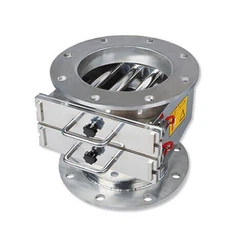
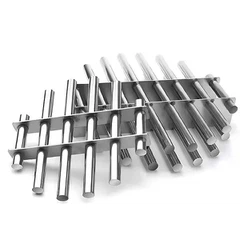
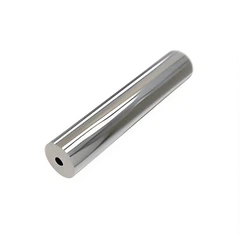
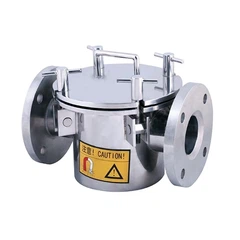
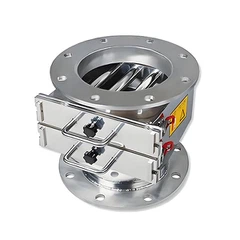
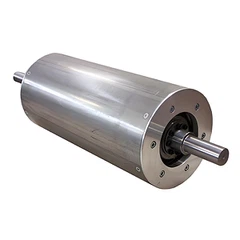
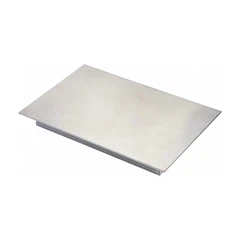
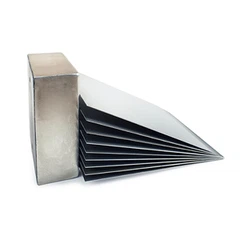
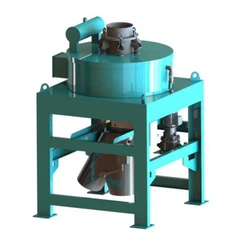


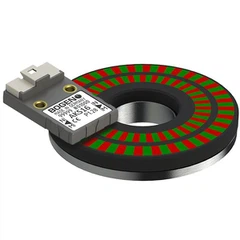
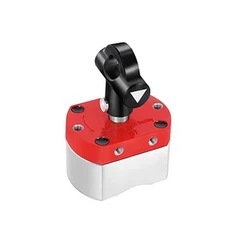

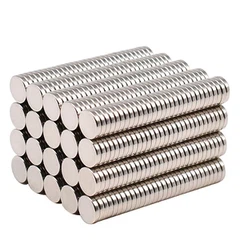
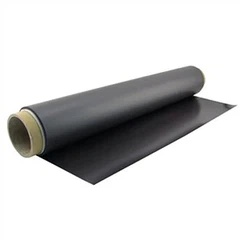
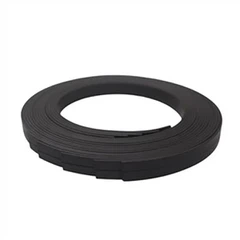

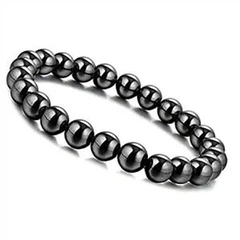






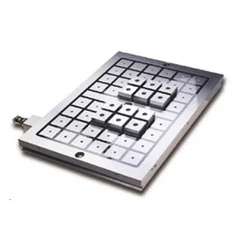


In modern science and technology and industry, magnetic materials are used everywhere, from small electronic devices to large industrial machinery. However, with the continuous advancement of technology, simple magnets can no longer meet all complex application requirements. Therefore,magnetic assembly came into being, which combined the characteristics of magnets with a variety of materials and designs to create more efficient and flexible magnetic solutions.

Basic Characteristics of Pure Magnets
Pure magnets refer to magnets composed of a single component, usually made of magnetic materials such as iron, cobalt, and nickel. These materials have magnetic moments and can exhibit magnetism under the action of an external magnetic field. The core feature of pure magnets is that they can generate magnetic fields and attract iron, cobalt, nickel, etc.
What Are the Characteristics of Pure Magnets?
Pure magnets are very strong and can attract magnetic materials such as iron, cobalt, and nickel. For example, neodymium iron boron magnets are one of the most powerful permanent magnetic materials currently available. Its magnetic energy product (a measure of the ability of a magnet to store energy per unit volume) is very high, reaching hundreds of kilojoules per cubic meter. This means that it can generate a strong magnetic field in a very small volume and can easily absorb iron objects that are many times heavier than itself.
Within a certain temperature range and environmental conditions, the magnetism of pure magnets will not change easily. For example, the magnetism of some high-performance aluminum nickel cobalt magnets remains basically stable at room temperature. Even if the temperature fluctuates slightly, its magnetic induction intensity (indicating the strength and direction of the magnetic field) will not be significantly attenuated.
Different types of pure magnets have different densities and hardnesses. Generally speaking, rare earth permanent magnet materials such as NdFeB magnets have relatively high density and high hardness. Their density is around 7-8 g/cm3 and their hardness is high, which requires special processes during processing.
Common Permanent Magnet Material Types
● Neodymium: High remanence, high magnetic energy product (currently the strongest), but easy to corrode and require plating (such as nickel, zinc).

● Samarium cobalt: Good high temperature stability (Tc can reach 800℃), corrosion resistance, but high cost.
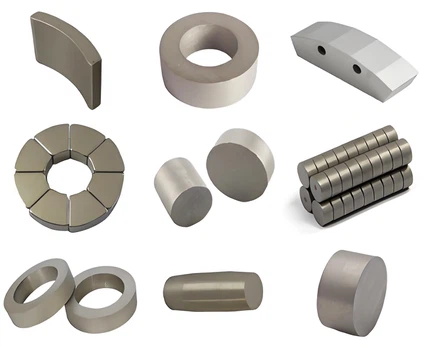
● Ferrite: Low cost, high coercivity, but low magnetic energy product, high brittleness.

● Aluminum nickel cobalt: Low coercivity but good high temperature stability, reversible demagnetization.

Magnetic Properties
● Remanence (Br): High, ability to maintain strong magnetic field.
● Coercivity (Hc): Depends on the type of material (such as NdFeB has extremely high coercivity, ferrite has medium coercivity).
● Maximum magnetic energy product (BHmax): Measures the energy storage efficiency, and NdFeB can reach more than 50MGOe.
● Curie temperature (T c): Above which the magnet loses its ferromagnetism (e.g. about 310°C for NdFeB and about 450°C for ferrite).
Physical Properties
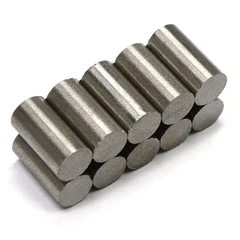
● Shape and size: Magnets can be made into various shapes, such as bars, horseshoes, cylinders, rings, blocks, etc. Different shapes are suitable for different application scenarios. For example, horseshoe magnets are often used in physical experiments to demonstrate the interaction between magnetic poles; cylindrical magnets are widely used in equipment such as motors and generators.
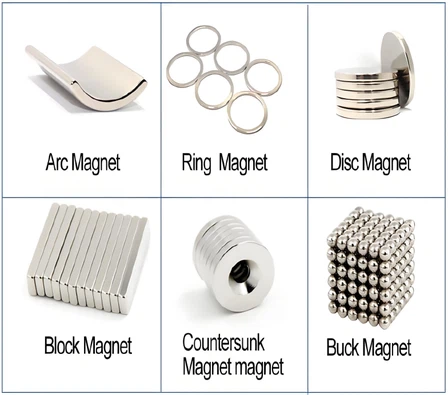
● Density: Magnets of different materials have different densities. For example, the density of ferrite magnets is about 5 grams per cubic centimeter (g/cm³), while the density of NdFeB magnets is about 7.5 g/cm³. Magnets with higher density have more mass in the same volume, which may affect their weight and mechanical properties in certain applications.
● Hardness: The hardness of magnets also varies depending on the material. Ferrite magnets are relatively brittle, while NdFeB magnets have higher hardness and brittleness. Magnets with higher hardness need to be carefully avoided from collision and impact during processing and use to avoid damaging the magnets.
What Are the Application Fields of Pure Magnets?

● Consumer electronics: NdFeB magnets are used to produce speakers, microphones, disk drives, etc. to improve the performance and service life of electronic products.
● Sensors: Produce speed sensors, angular displacement sensors, etc., which are used in industrial automation control, robots and other fields.
● Rehabilitation therapy: Use the magnetic field generated by electromagnets to simulate muscle movement and help patients with rehabilitation training.
● Wind power generation: NdFeB magnets are used in direct-drive permanent magnet wind turbines to improve power generation efficiency and reliability.
Basic Characteristics of Magnetic Assembly
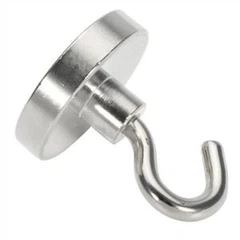
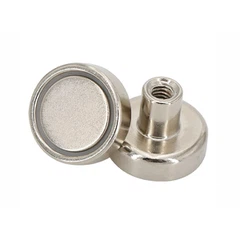
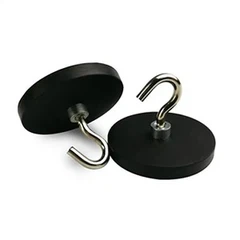
Magnetic assembly are devices or products that combine magnetic materials with other materials (such as metals, plastics, rubber, etc.) to achieve specific magnetic functions. It optimizes the magnetic circuit design, increases the magnetic flux density and magnetic flux, thereby enhancing the magnetic force and saving materials.
Characteristics of Magnetic Assembly

This product uses high-quality magnetic assembly. Although its price is slightly higher than that of ordinary products of the same type, it can bring users a higher cost-effectiveness and a more reliable use experience with its excellent performance, outstanding stability and long service life.
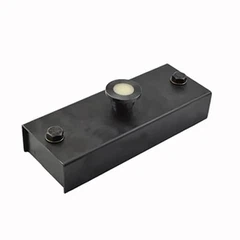
The magnet assembly organically combines the permanent magnet with the support structure, guide mechanism, protective shell and other components to form a compact whole.
The magnet assembly can not only improve the mechanical strength, but also help to improve the magnetic strength. Compared with the original magnet, the magnetic assembly usually has a higher magnetic force. Simply because the flux conducting elements in the assembly are an important part of the magnetic circuit, these elements enhance the magnetic field of the assembly on the area of interest through magnetic induction.
Material Composition
● Permanent magnetic materials: Common ones are neodymium iron boron, ferrite, samarium cobalt and aluminum nickel cobalt. Among them, neodymium iron boron magnets are currently the most powerful permanent magnetic materials, composed of neodymium, iron, boron and other materials; aluminum nickel cobalt magnets are composed of aluminum, nickel and cobalt, and have excellent temperature resistance; samarium cobalt magnets have excellent temperature stability and corrosion resistance; ferrite magnets are low in cost, good in magnetic properties, and can withstand higher temperatures.
● Soft magnetic materials: Including amorphous cores, nanocrystalline materials, soft ferrites, etc. Amorphous cores are composed of elements such as iron, cobalt, and nickel, and a small amount of boron, silicon, and other elements are added; nanocrystalline materials such as iron-based nanocrystals, whose formula components include fe, si, b, cu, and nb; soft ferrites are a common soft magnetic material.
● Contains magnets + auxiliary materials (such as silicon steel sheets, copper wires, plastic shells, adhesives, etc.).
Magnetic Performance Optimization
● Magnetic field distribution control: Concentrate or shield the magnetic field through magnetic conductors (such as pure iron).
● Dynamic response: In electromagnetic assembly (such as inductors and transformers), core materials (such as amorphous alloys) affect frequency characteristics.
Structural Design Influence
● Magnetic circuit design: Guide the magnetic field through soft magnetic materials (such as silicon steel and pure iron) to optimize the magnetic flux path.
● Pole number configuration: Multi-pole magnetization (such as Halbach array) can enhance the single-sided magnetic field or achieve a uniform field.
● Shielding and leakage: Use high permeability materials (such as Permalloy) to shield stray magnetic fields.
Mechanical and Structural Characteristics
● Mechanical strength: Improve impact resistance through shells, adhesives or embedded structures.
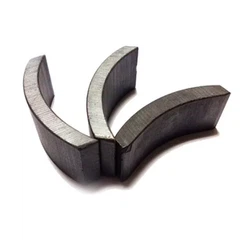
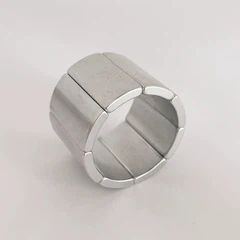
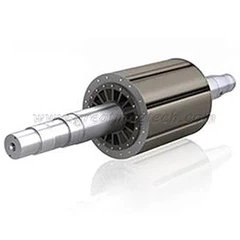
● Complex shapes: Can be combined into multi-pole, special-shaped or with mounting holes to adapt to specific applications (such as motor rotors).
Performance Enhancement Technology
Demagnetization compensation: Under high temperature or dynamic load, the demagnetization effect is offset by design.
Composite magnetic field: Combine different magnets (such as NdFeB + ferrite) to balance cost and performance.
What Are the Application Areas of Magnetic Assembly?

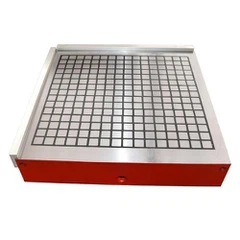
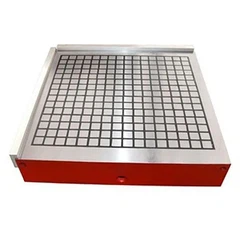
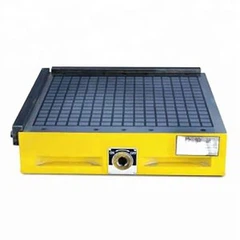
Magnetic assembly are widely used in various motors, such as servo motors, high-efficiency motors, dc motors, etc., to improve the performance and efficiency of motors.
In electronic devices such as hard disk drives and lcd displays,magnetic assembly are used to achieve precise control of magnetic fields.
In maglev trains, rail transit, aerospace and other fields,magnetic assembly are used in motor systems, sensors and navigation equipment.
In equipment such as nuclear magnetic resonance imaging (MRI), angiography machines, and medical electric drills,Magnetic assembly are key components.
Difference Between Pure Magnets and Magnetic Assembly
Magnetic Circuit Design
As a core technology in the field of electrical engineering and electromagnetism, magnetic circuit design (magnetic circuit design) focuses on the distribution characteristics and efficiency optimization of magnetic fields in a specific path (i.e., magnetic circuit), and is a key link to ensure that the performance of equipment such as transformers, motors, and electromagnets meets the standards. Its core principle is similar to circuit design in concept, but the object of processing is magnetic flux rather than current. This feature determines that magnetic circuit design must follow a series of unique rules and strategies

● Closed path: Minimize the air gap (non-magnetic area) as much as possible, because the air gap has a large magnetic resistance, which will significantly reduce the magnetic flux.
● Geometry: Optimize cross-sectional area and length to balance magnetic resistance and volume.
● Multi-branch magnetic circuit: Similar to a parallel circuit, equivalent magnetic resistance needs to be calculated.
Pure Magnet Vs Magnetic Assembly

Pure magnet and magnetic assembly are two different forms of magnetic material applications, the main difference lies in structure, function and application scenarios. The following is a detailed comparison of them:
|
Comparison Items |
Pure magnet |
Magnetic assembly |
|
Definition |
Magnets made of a single magnetic material (such as NdFeB, ferrite, etc.) |
A functional module composed of pure magnets and other components (such as housing, bracket, conductive material, etc.) |
|
Structure |
The structure is simple, only the magnetic material itself |
Complex structure, may include protective layer, mechanical fasteners, coils and other additional components |
|
Function |
Only provides magnetic field |
In addition to magnetic field, it may have other functions (such as anti-corrosion, magnetic circuit adjustment, mechanical transmission, etc.) |
|
Application Scenario |
Scenarios that require self-assembly or embedding into the system (such as speaker magnetic circuit) |
Directly used in terminal products (such as motor rotors, magnetic fixtures, sensors, etc.) |
|
Protection |
Easy to oxidize or crack (such as neodymium magnets need coating protection) |
Usually with protective design (such as stainless steel cladding, epoxy resin coating, etc.) |
|
Magnetic Property Control |
Magnetic strength and direction fixed |
Magnetic field distribution can be optimized through component design (such as magnetic concentrating structure, magnetic shielding) |
|
Installation |
Additional fixing or bonding required |
Integrated installation interface (such as threaded holes, slots, etc.) |
|
Cost |
Relatively low |
Higher (including design, assembly and material additional costs) |
How to Choose Pure Magnets or Magnetic Assembly
1. Pure Magnets
● Clear application scenarios:
If you need to use it for simple functions such as adsorption and fixation, you can choose ferrite magnets with moderate magnetic force.
For occasions that require high magnetic force, such as motors, generators, etc., you can choose neodymium iron boron magnets.
● Consider the working environment:
In high temperature environments, such as near car engines, high temperature resistant magnets such as aluminum nickel cobalt magnets should be selected.
In humid or corrosive environments, it is recommended to choose corrosion-resistant ferrite magnets or neodymium iron boron magnets with special coating treatment.
● Performance requirements:
Choose the appropriate magnet brand according to the required magnetic strength. For example, the N52 neodymium iron boron magnet has a strong magnetic force, which is suitable for occasions that require compact and strong adsorption.
If the magnet needs to have good temperature stability, you can choose a magnet with high coercive force.
● Cost budget:
Ferrite magnets are cheap, but the magnetic force is weak; neodymium iron boron magnets have superior performance, but the cost is high.
2. Magnetic Assembly
● Determine functional requirements:
If it is needed for electronic components such as inductors and transformers, appropriate core materials should be selected, such as ferrite, iron powder core, etc.
For occasions requiring high precision and high efficiency, such as precision power supplies, amorphous and nanocrystalline alloys can be selected.
● Consider the operating frequency:
For high-frequency applications (>1MHz), ring-shaped and rm-type cores are preferred.
For medium-frequency applications (100kHz-1MHz), e-type and pq-type can be selected.
For low-frequency applications (<100kHz), el-type and u-type are suitable.
● Power requirements:
For low-power applications, ring-shaped and rm-type cores can be selected.
For high-power applications, e-type, el-type, and u-type cores are suitable.
● Heat dissipation and electromagnetic interference:
In high-power or high-temperature environments, select a core structure with good heat dissipation performance, such as e-type and pq-type.
For occasions with high requirements for electromagnetic interference (EMI), closed magnetic circuit structures, such as ring-shaped and RM-type, are preferred.
● Cost and process:
For low-cost requirements, el-type and e-type cores can be selected.
Automated winding process is suitable for toroidal, rm and pq cores
Summary
The main differences between pure magnets and magnetic assembly are structural complexity, functional diversity and application range. Pure magnets have simple structures and are suitable for basic magnetic needs; while magnetic assembly can achieve more complex functions and higher performance by integrating multiple materials and designs, and are suitable for a wider range of industries and special applications.