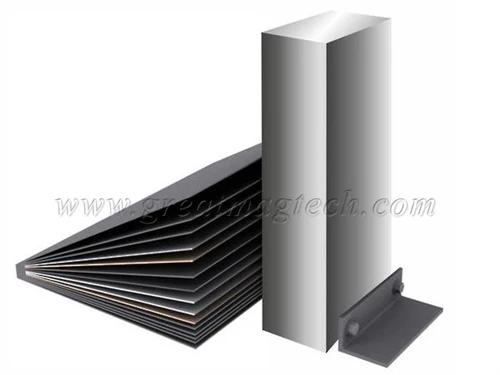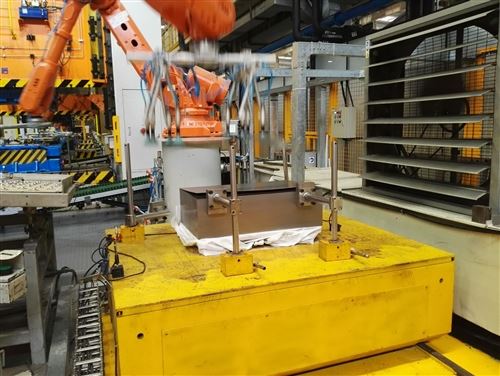
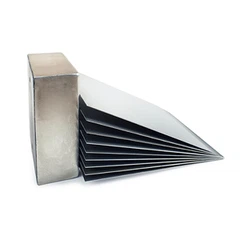
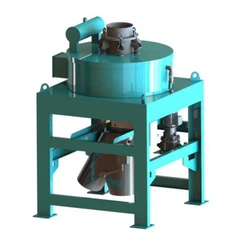


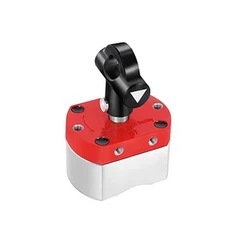

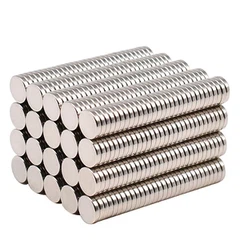









Are your steel sheets sticking together, or is your feeder picking up two sheets at once? Before replacing your magnetic sheet separator, check its condition. Metal debris, oil buildup, loose mounting, or changes in sheet thickness can all affect separation.
Proper magnetic sheet fanner maintenance starts with simple cleaning and inspection. In this guide, you'll learn how to clean your equipment safely, check for damage, and test sheet separation after maintenance. You'll also know when a problem needs professional attention.
Before Cleaning: Make the Equipment Safe
Before cleaning your magnetic sheet fanner, stop the sheet-feeding system and follow your equipment's shutdown and lockout procedures. Make sure the steel sheet stack is stable and all moving parts are secured.
Keep these safety points in mind:
- Permanent magnets: Your sheet fanner remains magnetic even when the machine is turned off. Keep your hands and metal tools away from pinch points between the magnet and steel sheets.
- Pneumatic or electromagnetic models: Isolate the air or power supply as required by the manufacturer's instructions. Release stored energy safely before starting work.
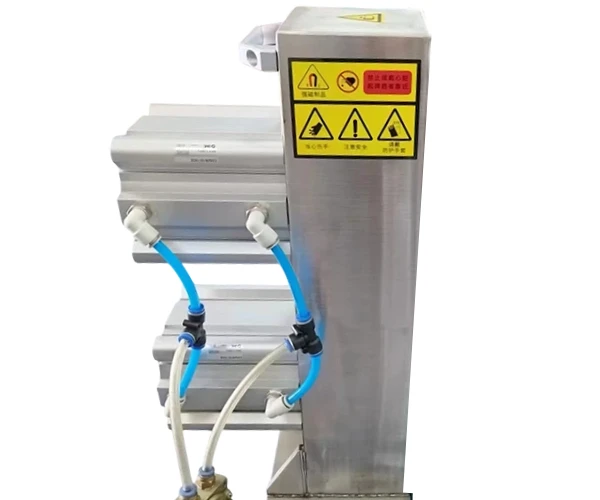
- Warning labels: Check that all safety labels are visible and easy to read. Replace any that are missing or damaged.
Never try to pull trapped steel sheets away by hand while the equipment is unsecured. Follow the manufacturer's instructions before moving or removing the fanner for cleaning.
How to Clean a Magnetic Sheet Fanner
Oil, dust, and metal debris can build up on your magnetic sheet fanner during daily operation. Regular cleaning helps keep its working surface in good condition and makes damage easier to spot. Follow these steps to clean your equipment safely.
Remove Surface Debris
Check the magnetic surface and other accessible areas for iron particles, dust, and loose debris. Use a soft brush, cloth, or other cleaning tool approved by the manufacturer to remove the buildup.
Avoid scraping the surface with metal tools. They can scratch the housing or damage its protective coating.
Clean Oil Residue
Wipe away oil and grease from the fanner's surface using a cloth and a cleaning agent suitable for its material. Pay attention to areas where residue collects.
You don't need to remove the production oil from every steel sheet. Focus on keeping the fanner itself clean.
Avoid harsh solvents, soaking, or pressure washing unless the manufacturer allows these methods.
Dry and Inspect the Working Surface
After cleaning, remove any remaining moisture or cleaning solution. Check the surface for scratches, cracks, rust, or damaged coatings.
If you find serious damage or exposed magnetic components, stop using the fanner and contact your supplier for inspection. Don't open or attempt to repair the magnetic assembly yourself.
Magnetic Sheet Fanner Maintenance Checklist
After cleaning your magnetic sheet fanner, check its main components for wear, damage, or loose connections. A routine inspection helps you catch problems before they affect sheet separation.
Use this checklist to inspect your equipment:
| Inspection Item | What to Check |
| Mounting | Check bolts and brackets for looseness, damage, or changes in position. |
| Working Surface | Look for scratches, wear, corrosion, or damaged protective coatings. |
| Housing | Check for cracks, dents, deformation, or damaged seals. |
| Moving Components | Check for unusual noise, sticking, or uneven movement. |
| Pneumatic / Electrical Parts | Inspect visible hoses, fittings, and cables for damage or loose connections. |
| Safety Labels | Make sure warning labels are present, clear, and easy to read. |
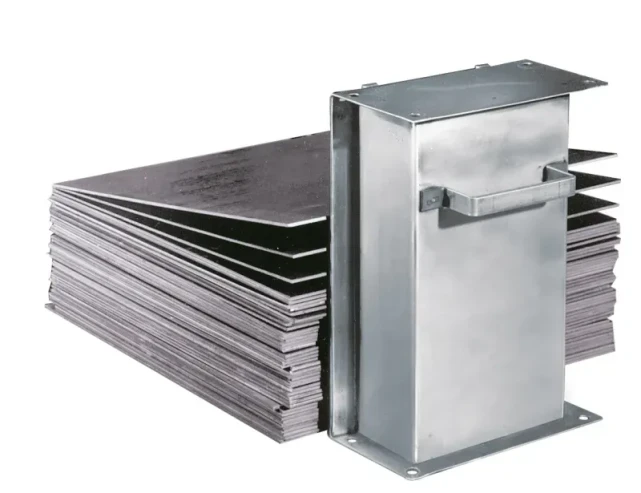
Your magnetic sheet separator maintenance needs depend on the model you use. Fixed permanent magnetic fanners have fewer parts to inspect, while pneumatic or electromagnetic models may need additional checks.
Follow your manufacturer's instructions for lubrication, adjustments, and repairs. If you find damaged parts or loose connections that cannot be safely corrected, have a qualified technician inspect them before restarting the equipment.
How to Test Sheet Separation After Maintenance
After cleaning and inspecting your magnetic sheet fanner, test it before returning to normal production. Use the same steel grade, thickness, oil condition, and stack height as your regular operation.
Check the following during the test:
- Fanner position: Make sure the fanner is correctly positioned against the sheet stack and matches the current stack height.
- Sheet separation: Watch whether the top sheets separate evenly without sticking together.
- Single-sheet feeding: Check that your feeder picks up only one sheet at a time.
- Double-sheet detection: If your feeding system has a double-sheet detector, confirm that it works correctly.
If separation is still poor, check for changes in sheet material, thickness, oil buildup, or fanner position. Poor performance does not always mean the magnet has lost strength.
For oily or difficult-to-separate sheets, see our guide to magnetic sheet separators for oily steel sheets for more selection advice.

How Often Should You Maintain a Magnetic Sheet Fanner?
There is no single maintenance schedule that fits every magnetic sheet fanner. How often you need to inspect and clean it depends on your production hours, working conditions, and the amount of oil or metal debris that builds up.
Check your equipment for visible problems before use, and follow the manufacturer's recommended maintenance intervals. If you notice heavy debris buildup, uneven sheet separation, or unusual movement, inspect the fanner sooner.
You should also test sheet separation after changing sheet specifications, adjusting the fanner's position, or completing repairs.
Keep a simple maintenance record with inspection dates, problems found, actions taken, and test results. This helps you track recurring issues and adjust your maintenance schedule based on actual equipment conditions.
When Should You Repair or Replace a Sheet Fanner?
Not every separation problem means you need a new magnetic sheet fanner. The right solution depends on what is causing the problem.
Cleaning or Adjustment Is Enough
If the problem comes from surface debris, oil buildup, or incorrect positioning, cleaning or adjusting the fanner may restore normal separation. Test it again before returning to production.
Professional Inspection or Repair Is Needed
Stop using the fanner if you find loose mounting parts that cannot be secured, damaged electrical or pneumatic components, or unusual movement. Have a qualified technician inspect the equipment before restarting it.
Replacement May Be Necessary
Consider replacement if the housing is severely damaged, magnetic components are exposed, or the fanner still cannot separate sheets reliably under its rated operating conditions.
If you're unsure, contact your supplier with the fanner model, sheet thickness, dimensions, stack height, and photos or videos of the problem. This will help determine whether repair, adjustment, or replacement is the better option.
Conclusion
You don't need a complicated maintenance routine to keep your magnetic sheet fanner working reliably. Focus on keeping the working surface clean, checking the equipment for damage, and testing separation under your normal production conditions. If the results change, check the sheet material and setup before assuming the magnet has failed.
If cleaning and adjustment don't restore reliable separation, contact Great Magtech with your sheet dimensions, thickness, stack height, and operating conditions. These details will help our team review the problem and suggest the next step.
FAQ
Q: Do magnetic sheet fanners need lubrication?
A: Not all magnetic sheet fanners need lubrication. If you use a fixed permanent magnetic model, you generally don't need to lubricate the magnet itself. For models with moving parts, follow the manufacturer's instructions on where and when to apply lubricant.
Q: Can improper cleaning damage a magnetic sheet fanner?
A: Yes. Hard metal tools can scratch the protective coating, while harsh chemicals may damage the housing or seals. Avoid soaking or pressure washing unless your manufacturer allows it. Always use cleaning methods suitable for your equipment.
Q: Does poor sheet separation mean the magnet has lost strength?
A: Not necessarily. Oil buildup, incorrect positioning, changes in sheet thickness, or surface damage can all affect separation. Check these conditions first before assuming your magnet has lost strength.
Q: How long does a magnetic sheet fanner last?
A: There is no fixed lifespan for every magnetic sheet fanner. How long yours lasts depends on its design, operating temperature, working environment, and physical condition. Regular inspection and proper use can help you prevent avoidable damage and extend its service life.
Q: Can you clean a magnetic sheet fanner without removing it?
A: Yes, you can usually clean accessible surfaces without removing the fanner, as long as the equipment is safely shut down and secured. If some areas are hard to reach, follow the manufacturer's instructions before removing or repositioning the unit. Never force tools into narrow gaps near the magnet.