







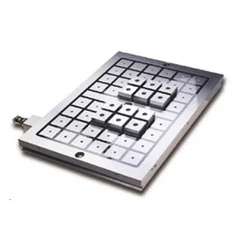


Moving steel by hand or with clamps is not always practical, especially when the workpiece is heavy, flat, oily, or difficult to grip. In workshops, steel warehouses, mold factories, and fabrication lines, this is where a magnetic lifter is often considered.
A magnetic lifter, also called a lifting magnet, is designed for handling ferrous metal workpieces such as steel plates, steel blocks, molds, and machined parts. It can work with a crane, hoist, or lifting system, depending on the site layout.
However, a magnetic lifter is not suitable for all materials or every type of steel component.
This article introduces what a magnetic lifter is and outlines its practical applications in steel handling operations.
What Is a Magnetic Lifter?
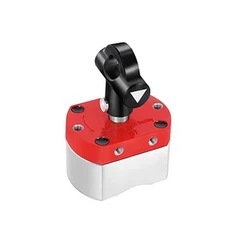
A magnetic lifter is a heavy-duty lifting device used to hoist and move ferrous materials such as steel and iron. It is also called a lifting magnet or magnetic lifting device. The lifter grips the workpiece from above through magnetic force, so slings, chains, or clamps may not be needed in some handling tasks. It is usually used with a crane, hoist, or lifting hook.
A magnetic lifter is made for magnetic materials, not for aluminum, copper, plastic, wood, or other non-magnetic materials.

How Does a Magnetic Lifter Work?
A magnetic lifter uses internal magnets to create a magnetic field for lifting ferrous metals such as iron and steel. In a permanent magnetic lifter, the handle changes the internal magnetic circuit. When it is switched on, the magnetic field connects with the steel workpiece. When it is switched off, the magnetic path changes and the workpiece is released.
Some lifting magnets use electrical switches instead of a manual lever, depending on the design.
Main Types of Magnetic Lifters
Magnetic lifters are usually divided by how the magnetic force is created and controlled. The main types are permanent, electromagnetic, and electro-permanent designs.

Permanent Magnetic Lifter
Send Inquiry Now

Electromagnetic Lifter
Send Inquiry Now

Electro-Permanent Magnetic Lifter
Send Inquiry Now
Permanent Magnetic Lifter
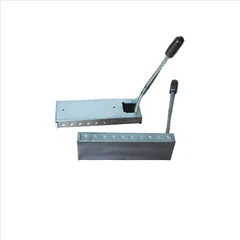
A permanent magnetic lifter uses built-in permanent magnets. It usually has a manual handle to switch the magnetic circuit on or off. It does not need continuous power during lifting.
Electromagnetic Lifter
An electromagnetic lifter uses electric current to create a magnetic field. When power is supplied, the magnet works. When power is cut off, the magnetic force is lost or reduced, depending on the system design.
Electro-Permanent Magnetic Lifter
An electro-permanent magnetic lifter uses electricity to switch the magnet on or off. After activation, it can keep holding force without continuous power in many designs.
What Materials Can a Magnetic Lifter Lift?
A magnetic lifter is made for ferrous materials. Before using one, you need to confirm whether the workpiece can respond to magnetic force.
Ferrous Metals
Ferrous metals include carbon steel, mild steel, and iron. These are the most common materials handled by a magnetic lifter. Steel plates, steel blocks, and flat steel parts usually fall into this group.
Cast Iron and Mold Steel
Cast iron and mold steel can also be lifted in many cases, but the result depends on the exact material grade and contact surface. Some cast parts have uneven surfaces, which can affect how the lifting magnet sits on the workpiece.
Materials It Cannot Lift
A magnetic lifter cannot lift non-magnetic materials such as aluminum, copper, brass, plastic, or wood. Most non-magnetic stainless steel is also not suitable. For these materials, another lifting method is needed.

What Affects Magnetic Lifting Capacity?
The rated capacity of a magnetic lifter is tested under specific conditions. In real use, the actual lifting capacity can change.
Workpiece Thickness
A steel plate that is too thin may not complete the magnetic circuit well. In this case, the magnetic lifter may not reach its rated capacity.
Contact Area
The lifter needs enough contact with the workpiece surface. A larger, flatter contact area usually gives better holding conditions than a narrow or uneven contact point.
Surface Condition
Rust, paint, oil, scale, dust, or metal chips can create an air gap between the lifter and the steel. Even a small gap can reduce holding force.
Workpiece Shape
Flat steel plates are easier to lift than round bars, pipes, or uneven cast parts. Curved surfaces give less direct contact, so the actual lifting condition should be checked carefully.
When to Use a Magnetic Lifter
A magnetic lifter is used when the workpiece is ferrous, has enough contact area, and needs to be moved without drilling, clamping, or wrapping with slings.
Steel Plate Handling
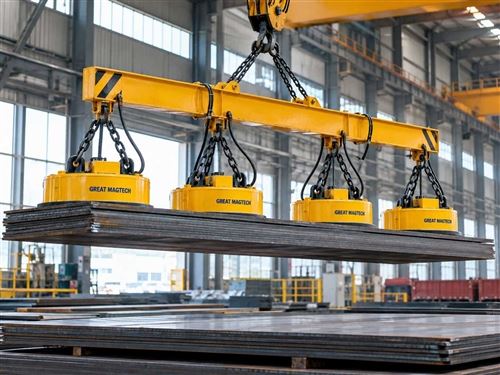
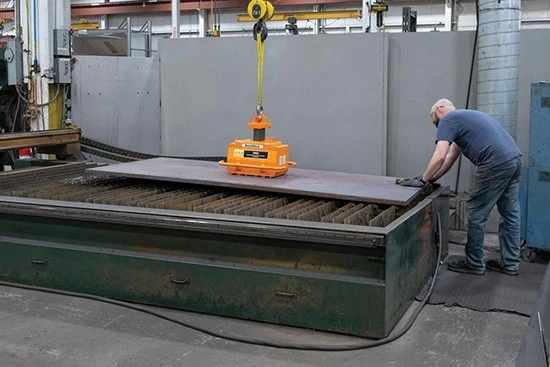
For flat steel plates, a magnetic lifter can be used during loading, unloading, stacking, or transfer. The plate surface and thickness still need to match the lifter capacity.
Mold and Block Lifting
Mold steel, steel blocks, and machined blocks are common lifting objects. Their flat contact surface usually makes them easier to handle than curved parts.
Machining and Fabrication Lines
In cutting, grinding, welding, or CNC areas, a lifting magnet can help move steel workpieces between machines, tables, and storage positions.
Warehouse and Stockyard Handling
Steel warehouses may use magnetic lifters for moving plates, billets, or flat steel parts. The workpiece condition should be checked before each lift.
Machine Loading and Unloading
Magnetic lifters can be used when steel parts need to be placed onto a machine table or removed after processing.
Specialized Handling Applications
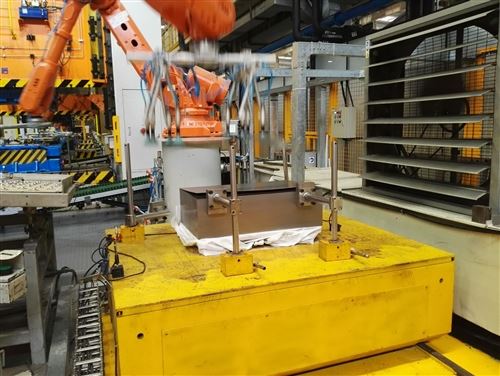
Magnetic lifters can also be used in situations where traditional lifting methods are difficult to apply, such as handling parts with limited access points or where quick attachment and release are needed.
When a Magnetic Lifter Is Not Suitable
A magnetic lifter is not suitable for every lifting job. Do not use it on non-magnetic materials such as aluminum, copper, brass, plastic, wood, or most non-magnetic stainless steel.
It may also be unsuitable when the steel is too thin, too small, or shaped in a way that gives poor contact with the magnet. Heavy rust, thick paint, oil, scale, chips, or uneven surfaces can reduce holding force.
Be careful with round bars, pipes, curved parts, and rough castings. These workpieces have less flat contact area.
A magnetic lifter should also not be used if the workpiece is over the rated capacity, unstable, or cannot stay balanced during lifting.
Safety Checks Before Using a Magnetic Lifter
Before using a magnetic lifter, check the workpiece first. Confirm that the material is ferrous metal and that the weight is within the rated capacity.
Look at the steel surface. Heavy rust, paint, oil, scale, chips, or uneven areas can reduce contact with the magnet. The workpiece should also have enough thickness and a flat contact area.
Check the lifter itself before lifting. Make sure the handle, lock, hook, shackle, or power status is normal. The load should stay balanced after lifting.
Keep people away from suspended loads.
How to Choose the Right Magnetic Lifter
Before choosing a magnetic lifter, confirm the real workpiece conditions. Start with material type, weight, thickness, length, width, and surface shape. A flat steel plate and a round steel bar may need different lifting checks.
You should also check surface condition, such as rust, paint, oil, scale, or machining chips. These details can affect contact between the lifting magnet and the workpiece.
For projects, also confirm lifting frequency, crane or hoist connection, working environment, and whether the lifter will be used manually or integrated into equipment. If this is for OEM use, drawings, workpiece photos, and target capacity are helpful before quotation.

Conclusion
Magnetic lifters work best with ferromagnetic materials that have enough contact area and stable lifting conditions. Their actual performance depends on surface flatness, thickness, weight, and how the load is handled during lifting. So the main question is not just "how many kilograms can it lift?" It is whether the workpiece condition matches the lifter's rated conditions.
Great Magtech provides magnetic lifters and custom magnetic lifting solutions for industrial applications. Standard models and OEM designs can be supplied based on specific project requirements.
FAQ
Q: Can a magnetic lifter lift stainless steel?
A: Only some stainless steel can be lifted. Many stainless steel grades are weakly magnetic or non-magnetic, so the material should be tested first.
Q: Can one magnetic lifter lift different steel parts?
A: Yes, but each workpiece should be checked separately. Weight, thickness, shape, and surface condition may be different.
Q: Why is the rated capacity different from real lifting performance?
A: Rated capacity is based on ideal test conditions. Thin steel, curved surfaces, rust, paint, or small contact area can reduce actual holding force.
Q: Can magnetic lifters lift hot steel?
A: Only if the magnet is designed for that temperature. High heat can affect magnet performance, so the working temperature should be confirmed first.
Q: Can a magnetic lifter damage the steel surface?
A: It usually causes less surface marking than clamps, but dirt, chips, or rough contact areas may still leave marks.
Q: What information is needed before quotation?
A: Workpiece material, weight, thickness, size, surface condition, lifting method, and whether it is for manual use or equipment integration.