








In a busy production line, contamination rarely announces itself. A tiny shard of metal can slip in unnoticed, from a worn blade, a loose bolt, or even the raw ingredients themselves, and quietly travel through the entire process. By the time it's discovered, the damage may already be done.
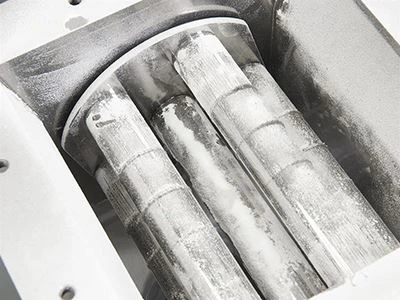
To prevent this, many food manufacturers rely on magnetic separators. These systems work continuously in the background, capturing ferrous particles from powders, grains, liquids, and other materials before they move further down the line.
Rather than being just another piece of equipment, a magnetic separator plays a key role in maintaining product integrity and keeping operations running smoothly.
Why Food Processing Lines Need Magnetic Separators
Food processing lines handle many materials every day, from flour and sugar to grains, sauces, oils, and powdered ingredients. During these steps, small iron particles can enter the product flow through raw materials, worn machine parts, or moving equipment.

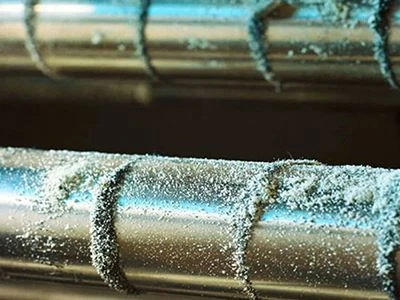
A magnetic separator helps catch these ferrous contaminants before they move further through the line. This matters because metal particles can scratch equipment, block pumps, damage grinders, or create quality issues in finished products.
For you, the goal is not only cleaner food materials. It also has fewer machine problems, easier quality checks, and a more stable production process. That is why food processing magnetic separators are often placed before key equipment and before final packaging.
Common Types of Magnetic Separators for Food Processing
Different food materials need different magnetic separator designs. The right choice depends on whether you handle dry powder, grains, liquid, paste, or bulk ingredients.

Magnetic Bars
Send Inquiry Now

Magnetic Grates
Send Inquiry Now

Drawer Magnets
Send Inquiry Now

Rotary Magnetic
Send Inquiry Now

Liquid Magnetic Traps
Send Inquiry Now

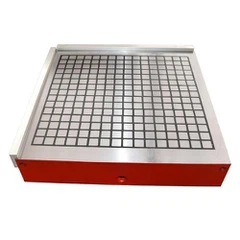
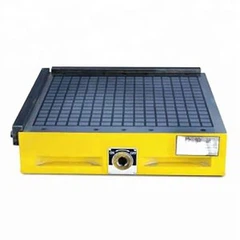
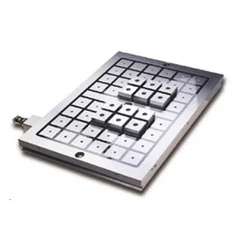
Plate Magnets
Send Inquiry Now

Pipeline Magnets
Send Inquiry Now
Magnetic Bars
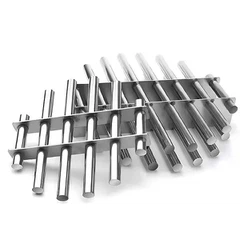
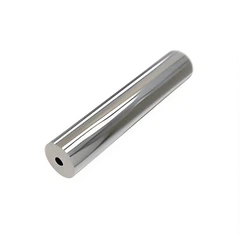
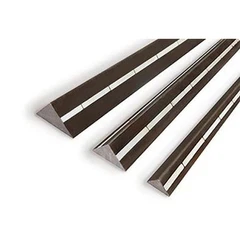
Magnetic bars are simple and flexible. You can install them in hoppers, bins, or small chutes to capture fine iron particles from dry food materials.
Magnetic Grates
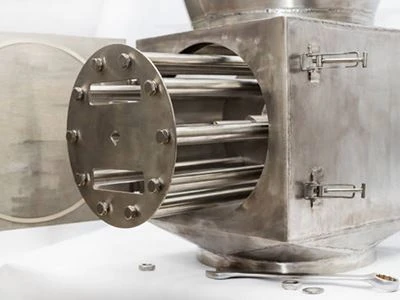
Magnetic grates are often used for flour, sugar, spices, grains, and granular products. Material flows through the grate, giving it more contact with the magnetic field.
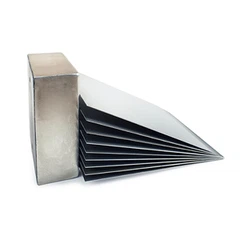
Drawer Magnets
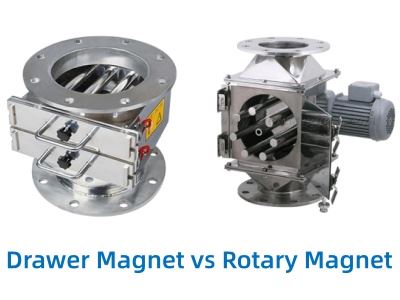
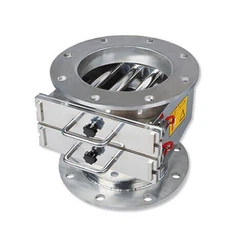
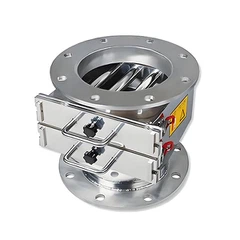
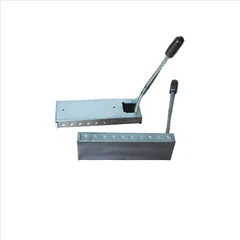
Drawer magnets are useful for free-flowing powders and granules. They are easy to pull out for cleaning, which makes daily maintenance more practical.
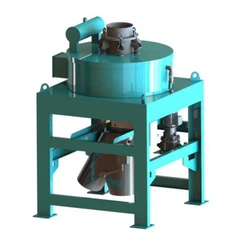
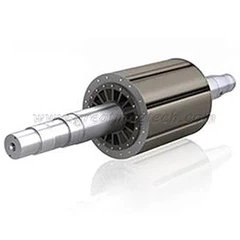
Rotary Magnetic Separators
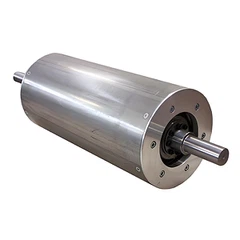
Rotary magnetic separators are better for sticky or poorly flowing powders. The rotating structure helps prevent bridging while removing ferrous contamination.
Liquid Magnetic Traps
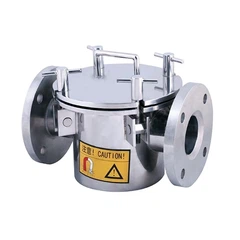
Liquid magnetic traps are used in sauces, oils, syrups, pastes, and slurry lines. They help remove iron particles from flowing liquid food materials.
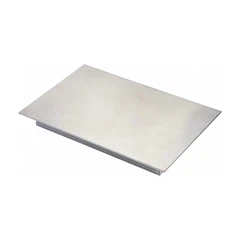
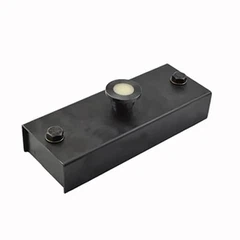
Plate Magnets
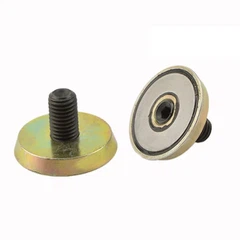
Plate magnets are often installed in chutes or above material flow points. They work well where space is limited.
Pipeline Magnets
Pipeline magnets are used in enclosed or pneumatic conveying lines. They are suitable when food materials move through pipes instead of open chutes.
Where to Install Magnetic Separators in a Food Processing Line
A magnetic separator works best when it is placed near the real risk point. In food processing, that usually means checking the material before it reaches sensitive equipment or final packaging.
Raw Material Receiving Area
The first useful position is often the raw material receiving area. This helps remove iron particles before they reach mixers, mills, or storage bins.
Before Processing Equipment
You can also install food processing magnetic separators before grinding, crushing, blending, or screening equipment. These machines are costly to repair, so removing tramp metal early can reduce damage and downtime.
Before Packaging
Another common location is before packaging. At this stage, the product is close to finished, so magnetic separation equipment can add one more layer of protection.
In Pipelines and Transfer Points
For liquid or slurry products, liquid magnetic traps are usually installed in pipelines. For powders and grains, magnetic grates, drawer magnets, or plate magnets are often placed in hoppers, chutes, or transfer points.

How to Choose the Right Magnetic Separator for Food Processing
Choosing a food processing magnetic separator is not only about picking the strongest magnet. You need to match the equipment to your material, line speed, cleaning routine, and available space.
Material Form
Start with the material itself. Dry powders, grains, granules, liquids, pastes, and slurries move in different ways. For example, magnetic grates may work well for free-flowing dry ingredients, while liquid magnetic traps are better for sauces, oils, and syrups.

Flow Rate and Production Capacity
The separator must handle your real production volume. If the unit is too small, material may build up or pass too quickly. This can reduce contact with the magnetic field and affect separation performance.
Cleaning Method
Think about how often your team can clean the unit. Manual cleaning may be fine for low-volume lines. For higher-volume food production, easy-clean or self-cleaning magnetic separators can reduce downtime.
Installation Space
Check the height, inlet size, outlet size, and access area before choosing a model. Existing food processing lines often need custom connections.
Magnetic Strength and Contact Area
Magnetic strength matters, but contact area also matters. The material should pass close to the magnetic surface so that fine ferrous particles are easier to capture.
Food-Grade Design Considerations
For food processing, a magnetic separator should be easy to clean and safe to inspect. The housing is usually made from stainless steel because it resists corrosion and fits many food production environments.
You should also look at the internal surface. Smooth surfaces help reduce material buildup, especially when handling flour, sugar, milk powder, spices, or sticky ingredients. For magnetic grates, a full-welding structure can reduce gaps around the frame and bar joints, making cleaning easier and helping prevent powder or liquid residue from staying in hidden corners.
For liquid magnetic traps and pipeline magnets, sealing is also important to prevent leakage during operation.
Cleaning access matters too. A good food-grade magnetic separator should match your cleaning routine, material flow, and maintenance space without making daily operation harder.
Magnetic Separator vs Metal Detector in Food Processing
| Item | Magnetic Separator | Metal Detector |
|---|---|---|
| Main Function | Captures and removes ferrous metal particles from the product flow. | Detects metal contamination and sends a signal for rejection or inspection. |
| Metal Type | Mainly works on iron and other magnetic metals. | Can detect ferrous, non-ferrous, and stainless steel metals, depending on the detector and product condition. |
| Working Method | Uses magnetic force to attract and hold metal contaminants. | Uses an electronic detection field to identify metal passing through the system. |
| Common Position | Often installed before grinders, mixers, screens, pumps, or packaging lines. | Often installed near the final inspection or packaging stage. |
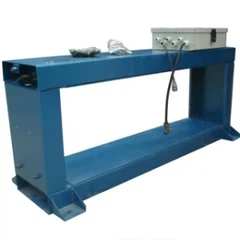
| Removal Ability | Removes captured metal directly from the material flow. | Detects metal but needs a reject device or manual action to remove the product. |
| Best Use | Good for reducing ferrous contamination and protecting equipment. | Good for final product inspection and broader metal detection. |
| In Food Processing | Often used as an early protection step. | Often used as a final quality control step. |
A magnetic separator and a metal detector do different jobs. In many food processing lines, using both can give you better metal contamination control than relying on only one device.
Maintenance Tips for Food Processing Magnetic Separators
A magnetic separator needs regular care to keep working well. If captured metal builds up on the magnetic surface, the unit may lose some separation efficiency and affect material flow.
Set a cleaning schedule based on your product, flow rate, and contamination level. For dry powders or grains, check for trapped iron and material buildup. For liquid magnetic traps, inspect seals, clamps, and internal magnetic tubes after cleaning.
You should also look for scratches, dents, loose parts, or damaged welds. These small issues can make cleaning harder over time.
Keep simple maintenance records. Note the cleaning time, amount of captured metal, and any parts that need attention. This helps you understand your line better and spot problems before they become bigger.
Custom Magnetic Separator Solutions for Food Processing
A standard magnetic separator does not always fit every food production line. If your equipment layout, material flow, or cleaning method is different, a custom design may work better.
Custom Size and Connection
You may need a separator that matches an existing hopper, chute, pipeline, or conveyor system. Custom inlet, outlet, flange, and mounting designs can make installation easier and reduce changes to your current line.
Custom Magnetic Strength
Different products carry different contamination risks. Fine powders, grains, pastes, and liquids may need different magnetic strengths and bar spacing. The goal is to improve contact between the material and the magnetic field.
Custom Cleaning Design
For food processing, cleaning speed matters. Manual-clean, easy-clean, and self-cleaning magnetic separators can be selected based on your production volume and sanitation routine.
Integration with Existing Equipment
Custom separators can be designed to fit seamlessly into your current system without major modifications. Whether it is a pipeline, gravity chute, or conveyor system, the connection method and dimensions can be adjusted to match your setup.
Flexible Material and Structure Options
You can choose different stainless steel grades, surface finishes, and structural designs to meet food safety standards and operational needs. Options such as removable magnetic bars, quick-release systems, and sealed housings can be customized according to your application.
Conclusion
Magnetic separators used in food processing can effectively minimize ferrous metal contamination, safeguard machinery, and maintain consistent production performance. Selecting the appropriate solution depends on factors such as the type of material being handled, processing capacity, available installation space, preferred cleaning method, and compliance with food-grade standards.
For powders, grains, liquids, pastes, or bulk food ingredients, the separator should suit the actual operating conditions of your line. A good design should be easy to clean, safe to inspect, and practical for daily use.
Great Magtech provides magnetic bars, magnetic grates, drawer magnets, liquid magnetic traps, pipeline magnets, and custom magnetic separator solutions for food processing. Contact Great Magtech to discuss your material, layout, and application requirements.
FAQ
Q: Can magnetic separators remove stainless steel from food products?
A: It depends on the stainless steel type. Some weakly magnetic stainless steel particles may be captured, but non-magnetic stainless steel usually requires a metal detector.
Q: Do magnetic separators affect the taste or quality of food?
A: No. A properly designed magnetic separator does not change the food itself. It only removes ferrous particles from the material flow.
Q: What is the difference between manual-clean and easy-clean magnetic separators?
A: Manual-clean units require operators to remove captured metal by hand. Easy-clean designs make cleaning faster by allowing the magnetic core or sleeve to be removed more easily.
Q: Do all food products need the same magnetic strength?
A: No. Fine powders, sticky materials, liquids, and large grains may need different magnetic strengths and separator structures. The design should match how the material flows.
Q: Can magnetic separators handle high-temperature food materials?
A: Some magnetic separators can be designed for higher working temperatures, but this must be confirmed before ordering. Temperature can affect magnet performance if the wrong magnet grade is used.
Q: What details affect the price of a food processing magnetic separator?
A: Price is usually affected by size, stainless steel grade, magnetic strength, structure, cleaning design, sealing requirements, and whether the unit needs custom inlet or outlet connections.