










Moving steel plates, billets, castings, or scrap with hooks and slings can take extra time. You have to position them, check the load, move it, then remove everything again. An electro lifting magnet gives you a faster way to lift and release ferromagnetic materials. You switch it on to grip the load and switch it off to release it.
But choosing the right electro lifting magnet depends on more than lifting capacity. You also need to consider the material, size, surface condition, temperature, and working cycle. This guide explains how it works, where you can use it, and how to choose the right setup.
What Is an Electro Lifting Magnet?
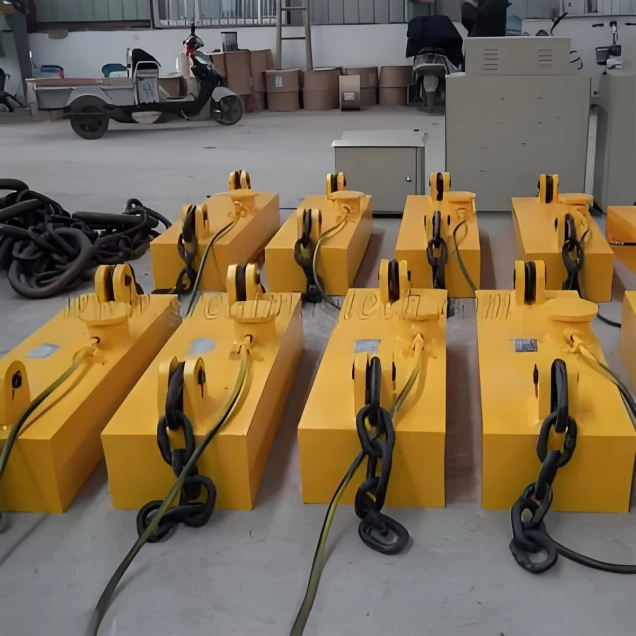
An electro lifting magnet is a type of magnetic lifter that uses electricity to create magnetic force and uses a coil, magnetic core, and housing to generate a magnetic field when powered on. Its magnetic force can be controlled through the electrical system, allowing it to quickly attract, hold, and release ferromagnetic loads during lifting operations.
How Does an Electro Lifting Magnet Work?
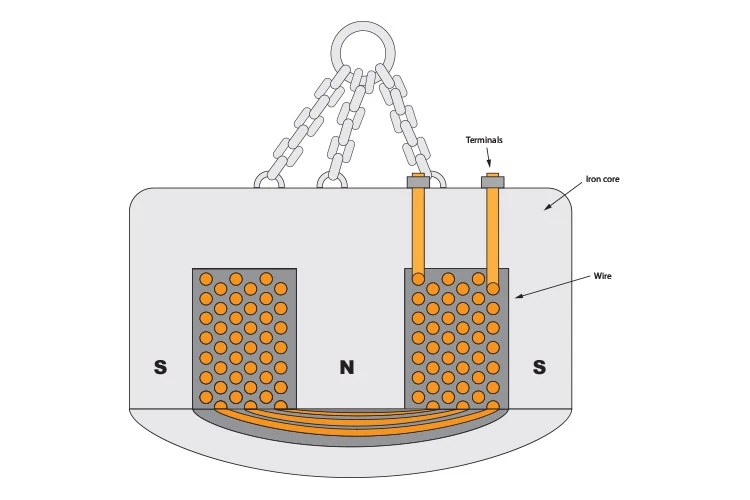
An electro lifting magnet works by turning electrical energy into magnetic force. You control the lifting action by switching the power on and off.
Electric Current Enters the Coil
When you switch on the power, electric current flows through the coil inside the magnet.
The Coil Creates a Magnetic Field
The energized coil creates a magnetic field around the magnetic core.
Magnetic Flux Passes Through the Load
When the magnet contacts the workpiece, magnetic flux passes through the load and forms a magnetic circuit. This creates the force that holds the load to the magnet.
The Load Is Lifted and Transported
Once the load is held firmly, you can raise and move it with the lifting equipment.
The Load Is Released
When you switch off the current, the magnetic field drops. The holding force decreases, allowing you to release the load.
What Determines the Lifting Force of an Electro Lifting Magnet?
The lifting force you get from an electro lifting magnet depends on several working conditions. Rated capacity alone does not tell you the full story.
Material Type
Low-carbon steel magnetizes easily, so more of the magnet's output becomes holding force. Higher-alloy or hardened steels resist magnetization, delivering noticeably less force at the same size and shape. The steel grade - not just the size - sets the ceiling on how much force you get.
Contact Area
Holding force depends on how much of the pole face actually touches the load. A flat plate sitting flush uses the full rated contact area. A curved, warped, or uneven surface only touches part of it - and the gaps don't just sit idle, they leak flux instead of passing it through the load. That's why uneven surfaces cost more force than the lost contact area alone suggests.
Material Thickness
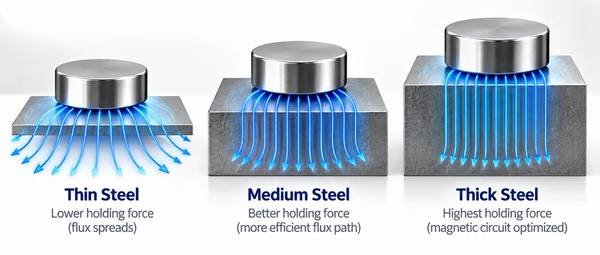
A magnetic circuit needs enough material to carry the full flux through the load and back. Below a certain thickness, the excess flux has nowhere to go and leaks through, so holding force drops even when nothing else changes. Check your model's thickness-to-force chart - or confirm with your supplier - rather than assuming full rated capacity on thin stock.
Air Gap
Rust, paint, scale, dirt, or an uneven surface can create a gap between the magnet and the load. This reduces magnetic force.
Coil Current and Magnetic Circuit
The current, coil design, core structure, and magnetic circuit all affect how much magnetic force you can produce.
Working Temperature
High temperatures can affect the coil, insulation, and magnetic performance, so you need to consider the actual working temperature.
What Materials Can an Electro Lifting Magnet Lift?
You can use an electro lifting magnet to lift ferromagnetic materials, which are materials that respond strongly to a magnetic field.
Common suitable materials include:
• Carbon Steel
• Cast Iron
• Steel Plates
• Steel Billets
• Steel Beams
• Ferrous Scrap
You should not assume that every metal can be lifted with a magnet. Materials such as aluminum, copper, brass, and most austenitic stainless steels have little or no magnetic attraction.
The exact holding force can also vary between different steel grades. This is why you should always confirm the material type before using an electro lifting magnet.
Main Applications of Electro Lifting Magnets
You can use electro lifting magnets in operations where steel needs to be picked up, moved, positioned, or released again and again.
Steel Plate Handling
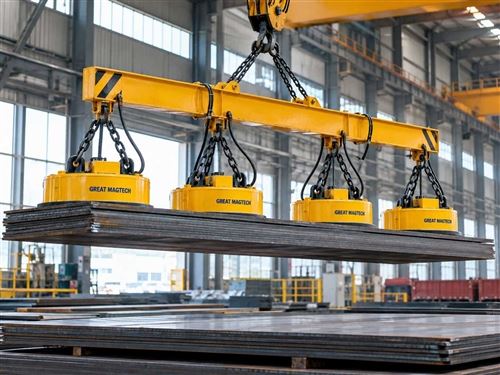
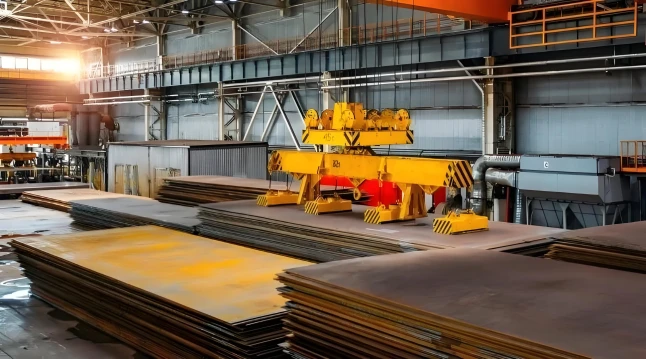
You can use an electro lifting magnet to move steel plates between storage racks, cutting areas, processing lines, and loading stations. This is useful when you handle large or heavy plates that are difficult to move with hooks or slings.
For long plates, you can also use several magnets together to keep the load balanced during lifting.
Scrap Metal Handling
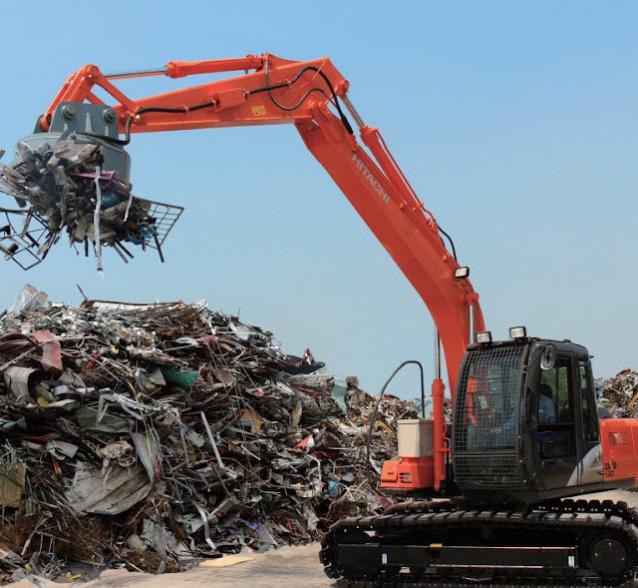
In scrap yards and recycling plants, you often need to move loose and irregular pieces of steel. An electro lifting magnet lets you pick up a large amount of ferrous scrap at one time without attaching each piece by hand.
Steel Billets, Blocks, and Castings
You can use electro lifting magnets to move billets, steel blocks, and cast parts during production, storage, or transfer between workstations. This is especially useful when the parts are heavy and need to be moved frequently during manufacturing.
Shipbuilding and Heavy Fabrication
When you work with large steel plates or structural parts, you often need to move them several times before final assembly. Electro lifting magnets can help you transfer these parts between cutting, welding, fitting, and storage areas.
They can also help you position large steel parts more easily before the next process begins.
Loading and Unloading
You can use electro lifting magnets when loading or unloading steel from trucks, rail wagons, warehouses, or production lines. This helps you load materials faster.
Why Use an Electro Lifting Magnet for Steel Handling?
By now you've seen how an electro lifting magnet works and where it's commonly used. The speed and efficiency it brings to everyday steel handling are the main reasons operations switch to one - and beyond that, it also simplifies the equipment and workflow around the job in a few other ways:
Fewer Rigging Accessories to Manage
You don't need chains, slings, or shackles that wear out, need regular inspection, and require replacement over time. This reduces the rigging equipment you need to buy, store, and maintain.
More Even Load Contact
A magnet's flat pole face spreads holding force across the contact surface, which can reduce point pressure and surface marking risk compared with hooks or chain slings - useful for finished or coated steel.
Fits Automated or High-Throughput Lines
Because the magnet is controlled by switching power on and off, it's easier to integrate into crane automation or PLC-controlled handling systems - useful when the same pick-move-release cycle repeats many times per shift.
How to Choose the Right Electro Lifting Magnet
Choosing the right electro lifting magnet starts with your actual lifting conditions. You should not select one by rated capacity alone.
Identify the Material
Confirm what type of steel or ferromagnetic material you need to lift.
Check the Load Weight
Know both the normal load weight and the maximum weight you expect to handle.
Check the Size and Thickness
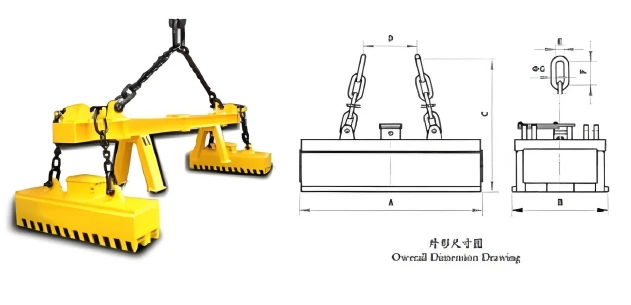
Measure the length, width, and thickness of the workpiece. If you lift several plates at once, also confirm the quantity per lift.
Consider the Load Shape
Flat plates, curved parts, castings, and loose scrap may need different magnet arrangements.
Confirm the Duty Cycle
Check how often and how long you will use the magnet during each shift.
Check the Working Temperature
If you handle hot steel, confirm both the material temperature and the surrounding temperature.
Match the Lifting Equipment
Make sure the magnet fits your crane, hoist, or excavator, as well as your power supply and control system.
Safe Operation of an Electro Lifting Magnet
Safe lifting starts with a few basic checks before you move the load.
• Check the Magnet and Cables: Make sure there is no visible damage, loose connection, or broken insulation.
• Clean the Contact Surface: Remove dirt, scale, or debris that may reduce contact.
• Confirm the Load: Make sure the material is suitable and the weight is within the allowed lifting range.
• Check the Hold Before Moving: Do not raise the load fully until you know the magnet has a stable grip.
• Keep People Clear: Never allow anyone to stand under or too close to a suspended load.
• Watch the Power Supply: Because the magnet depends on electricity during lifting, you should make sure the power and control system are stable.
• Follow the Operating Instructions: Use the magnet within the limits set by the manufacturer.
Good operating habits help you reduce lifting risks and avoid unnecessary equipment damage.
Maintenance Tips for Electro Lifting Magnets
Regular maintenance helps you keep an electro lifting magnet working steadily and reduces unexpected downtime.
• Inspect the Cables and Connections: Check for wear, loose parts, damaged insulation, or exposed wires.
• Keep the Contact Surface Clean: Remove rust, scale, metal chips, and other debris that may affect contact.
• Watch the Coil Temperature: If the magnet becomes too hot during use, check the duty cycle and operating conditions.
• Check the Magnet Housing: Look for cracks, impact damage, or heavy wear on the outer structure.
• Test the Control System: Make sure the magnet turns on and releases the load normally.
• Check Fasteners and Suspension Parts: Inspect bolts, chains, hooks, or other connection points for looseness or wear.
• Follow a Regular Inspection Schedule: Set the maintenance interval based on how often and how heavily you use the magnet.
Conclusion
An electro lifting magnet can help you move steel more efficiently when your work involves frequent lifting, transfer, and release. At Great Magtech, we design and manufacture electro lifting magnets for steel plants, scrap yards, and heavy fabrication shops. If you are not sure which model fits your application, contact our team with your material type, dimensions, weight, working temperature, lifting frequency, and equipment information - we'll help you select a suitable lifting solution.

Permanent Magnetic Lifter
Send Inquiry Now

Electromagnetic Lifter
Send Inquiry Now

Electro-Permanent Magnetic Lifter
Send Inquiry Now
FAQ
Q: Can an electro lifting magnet lift multiple steel plates at once?
A: Yes, you can lift multiple plates in some applications. The result depends on plate thickness, quantity, magnetic penetration, and magnet arrangement.
Q: Can an electro lifting magnet lift hot steel?
A: Yes, but you need a model designed for high-temperature work. You should confirm the steel temperature and duty cycle before selection.
Q: Can electro lifting magnets be used with excavators?
A: Yes. You need to match the magnet weight, mounting method, power supply, control system, and excavator lifting capacity.
Q: What happens if the power fails during lifting?
A: Because the magnet depends on electricity, you may need a backup power or safety system for your application.
Q: How many magnets do you need for one steel plate?
A: It depends on the plate size, thickness, weight, stiffness, and required lifting stability.
Q: Can you adjust the lifting force?
A: In some systems, you can adjust the magnetic force through the current or control system. This depends on the magnet and controller design.