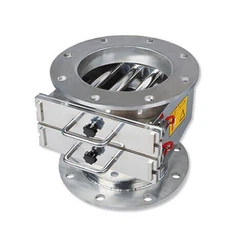
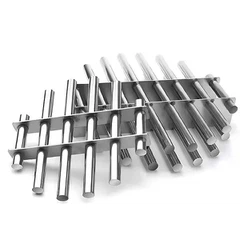
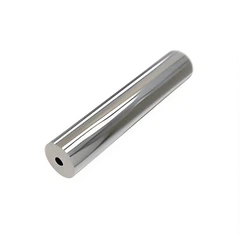










Cleaning a drawer magnet looks simple, but it is easy to do it the wrong way. The magnetic tubes may hold iron powder, steel fragments, rust particles, or sharp metal pieces, and these contaminants are not always easy to remove by hand.
For powder, plastic pellets, food ingredients, or chemical materials, regular drawer magnet cleaning is part of daily line care. The goal is not just to wipe the surface. You also need to stop the material flow, handle the magnetic drawer safely, remove captured ferrous metal without damaging the tubes, and check the unit before putting it back into use.
Why Drawer Magnet Cleaning Matters
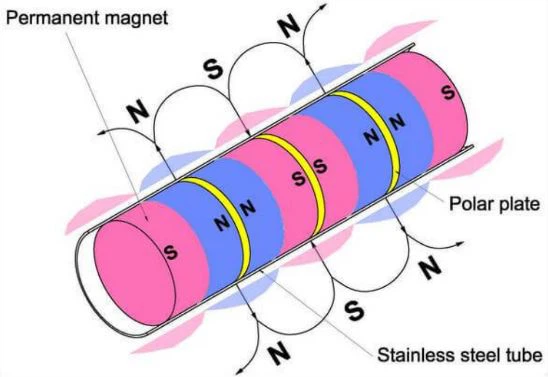
A drawer magnet works by holding ferrous metal on the surface of its magnetic tubes. Over time, iron powder, steel chips, rust particles, or small metal fragments can build up. When the tube surface is already covered, there is less clean magnetic area for new contamination to attach.
Material residue can also make cleaning harder. Fine powder may stick around the tubes. Plastic regrind may carry dust and small sharp pieces. Food powder can remain in corners if the drawer is not cleaned carefully.
Regular drawer magnet cleaning helps you see what has been captured, remove buildup before it becomes heavy, and check whether the magnetic tubes, seals, and housing are still in good condition.

Safety Checks Before Cleaning a Drawer Magnet
Before cleaning a drawer magnet, make sure the material flow has fully stopped. Powder, granules, or pellets should no longer be falling through the housing.
Do not open the magnetic drawer while the feeder, valve, or upstream equipment is still running. If your plant has lockout rules, follow them before handling the drawer. Also, clear loose metal tools from the area, because strong magnetic tubes may attract them unexpectedly.
Wear gloves before touching the magnetic tubes or collected metal. Small steel pieces and rust particles may have sharp edges.
Also check that the drawer can be pulled out safely and that there is enough space for cleaning.
Step-by-Step Drawer Magnet Cleaning Process
Before starting the cleaning procedure, it is important to follow a clear sequence to ensure safety and effectiveness.
Stop the Material Flow
Before cleaning, stop the material from entering the drawer magnet. Wait until powder, granules, or pellets have fully passed through the housing. Do not start cleaning while material is still falling, even if the flow looks light.
Pull Out the Magnetic Drawer Carefully
Open the housing and pull out the magnetic drawer slowly. Avoid sudden movement. Some powder, small metal pieces, or trapped material may fall when the drawer is removed. Keep your hands away from pinch points and hold the drawer firmly.

Remove Captured Ferrous Metal
Collected iron, steel chips, rust particles, and fine ferrous contamination will stay on the magnetic tubes. Remove them carefully by hand with gloves, or use a suitable non-sharp cleaning tool. Do not hit the magnetic tubes with a hammer or scrape the surface with hard steel tools. This may damage the tube surface.
Wipe the Magnetic Tubes
After removing visible metal, wipe the magnetic tubes with a soft cloth. For dry powder, a brush or dry cloth may be enough. For oily or sticky residue, use a cleaner that is allowed in your process. Make sure the tube surface is dry before the drawer goes back.
Check the Housing Before Reinstalling
Before reinstalling the drawer, check the inside of the housing. Remove loose powder, pellets, or fallen metal pieces. Then slide the drawer back into place and make sure it is fully inserted, closed, and fixed before restarting the line.
Manual-Clean vs Easy-Clean Drawer Magnets: Cleaning Difference
| Item | Manual-Clean Drawer Magnet | Easy-Clean Drawer Magnet |
|---|---|---|
| Cleaning Method | Metal is removed directly from the magnetic tubes | Magnetic cores or cleaning sleeves are pulled out to release captured metal |
| Operator Contact | More direct contact with the magnetic tube surface | Less direct contact with captured metal |
| Cleaning Speed | Usually slower, especially when metal buildup is heavy | Usually faster when frequent cleaning is required |
| Structure | Simpler structure | More components, such as inner cores, sleeves, or guide rods |
| Best Fit | Lower contamination levels or less frequent cleaning | Frequent cleaning or heavier metal buildup |
| Inspection Need | The tube surface should be checked after cleaning | Sleeves, seals, and remaining residue should be inspected |
| Main Limit | Manual cleaning may take more time | The structure requires more careful inspection after repeated use |
What Tools Should You Use?
Use tools that can remove metal and residue without scratching the magnetic tubes. For most drawer magnet cleaning work, simple tools are enough.
A soft cloth is useful for wiping powder, dust, and light residue from the tube surface. A plastic scraper can help remove stuck material without damaging the stainless steel tube. For dry powder, a small brush can clean corners, frame edges, and housing gaps.

You may also need a tray or collection box to hold captured iron, steel chips, rust particles, and fine ferrous contamination after removal. This keeps the cleaning area easier to check.
If the material is oily or sticky, use only a mild cleaner that is allowed in your process. Avoid hammers, sharp blades, and hard steel scrapers. These tools may dent, scratch, or damage the magnetic tubes.
Common Cleaning Mistakes to Avoid
Before starting the cleaning process, it is important to understand a few common mistakes that can reduce effectiveness or cause contamination issues.
Cleaning While Material Is Still Flowing
Do not open the drawer magnet while powder, granules, or pellets are still moving through the housing. Material may spill, and captured ferrous metal may drop back into the unit.
Pulling the Drawer Out Too Fast
Pull the magnetic drawer out slowly. Fast movement can shake loose powder, metal pieces, or residue from the magnetic tubes.
Using Hard or Sharp Tools
Avoid hammers, sharp blades, and hard steel scrapers. These tools can scratch or dent the magnetic tubes, making later cleaning more difficult.
Ignoring Corners, Seals, and the Housing Bottom
Fine powder and small metal particles often stay in corners, seal areas, or the bottom of the housing. These areas should not be skipped during cleaning.
Not Tracking Heavy Metal Buildup
If one row of magnetic tubes collects much more metal than usual, record it. Repeated heavy buildup may point to a feeding position, material flow, or upstream contamination issue.
How Often Should You Clean a Drawer Magnet?
There is no fixed cleaning schedule for every drawer magnet. The right interval depends on your material, flow rate, ferrous metal contamination level, and production schedule.
A line handling clean plastic pellets may need less frequent cleaning. A powder line with more iron particles, rust, or equipment wear may need checking more often. For a new line, start with shorter inspection intervals. After several checks, you can adjust the cleaning schedule based on how much metal is collected on the magnetic tubes.

Also, look at where the buildup appears. If metal collects quickly on the first row of tubes, the material source or feeding position may need further checking.
Cleaning Notes for Different Materials
Different materials leave different residues inside a drawer magnet. The cleaning method should match what is left on the magnetic tubes and inside the housing.
Food Powder
Food powder such as flour, sugar, milk powder, or seasoning can stay around tube joints, corners, and seals. After removing captured ferrous metal, check for fine powder residue. For food lines, the surface finish and cleaning dead spots should be watched carefully.
Chemical Powder
Chemical powder may be dusty, sticky, corrosive, or moisture-sensitive. Before using any cleaner, confirm it is suitable for both the material and the stainless steel surface. Pay attention to residue around the magnetic tubes and housing edges.
Plastic Pellets and Regrind
Plastic pellets are usually easier to clean, but regrind may carry dust, small sharp pieces, or iron particles from cutting and crushing. Check the tube surface and the bottom of the housing, where small metal chips may collect.
What to Check After Cleaning
Before putting the drawer magnet back into use, check more than the tube surface. Make sure the magnetic tubes are clean and free from visible dents, deep scratches, or loose metal pieces.
Look inside the housing as well. Powder, pellets, or small ferrous particles should not remain at the bottom, corners, or seal areas.
After reinstalling the drawer, confirm that it is fully inserted and fixed in place. Check the latch, clamp, or handle before restarting the line.
Also, make sure no tools, clothes, or collected metal are left near the equipment.
When Cleaning Problems Mean the Design Should Be Reviewed
If drawer magnet cleaning is difficult every time, the issue may not be the operator. The design or installation position may need to be checked. For example, the drawer may be hard to pull out, powder may build up quickly, or captured metal may collect heavily on only one row of magnetic tubes. Material may also bridge inside the housing, leaving residue in corners or seal areas.
In these cases, review the drawer magnet size, bar spacing, inlet and outlet design, cleaning structure, and available access space. Small layout changes can sometimes make cleaning much easier.
FAQ
Q: Can I wash a drawer magnet with water?
A: It depends on the material and the drawer magnet design. Some units can be wiped with a damp cloth, but direct washing should be confirmed first, especially if seals, bearings, or nearby electrical parts are involved.
Q: Can compressed air be used for cleaning?
A: It can be used in some dry powder lines, but it may blow fine powder or metal particles into the air. Use it only if your site allows it and dust control is in place.
Q: Why is metal buildup heavier on the first row of magnetic tubes?
A: The first row usually contacts the material first, so it often captures more ferrous metal. If buildup is always too heavy, the feeding position or contamination source may need checking.
Q: Can scratched magnetic tubes still be used?
A: Small surface marks may not affect use, but deep scratches, dents, or cracks should be checked. Damaged tube surfaces can hold residue and may be harder to clean.
Q: Should cleaning records be kept?
A: For food, chemical, or high-quality production lines, yes. Records can show cleaning frequency, metal buildup changes, and possible upstream equipment wear.
Q: What if powder keeps sticking after every cleaning?
A: Check moisture, oil content, powder fineness, and surface finish. If buildup remains high, the drawer magnet structure or installation position may need review.
Q: What should I do if the drawer is hard to pull out?
A: Do not force it. Check whether powder has built up around the drawer, whether the guide rail is blocked, or whether the housing has shifted. Forcing the drawer may damage the frame or seals.
Conclusion
Cleaning a drawer magnet safely is mainly about careful handling. The drawer should not be opened while material is still moving, and captured metal should be removed without hitting or scratching the magnetic tubes.
A clean drawer magnet also gives you a chance to see what is happening in the line. Heavy buildup, sticky powder, damaged tubes, or hard-to-reach cleaning areas may show that the structure or installation position needs to be reviewed.
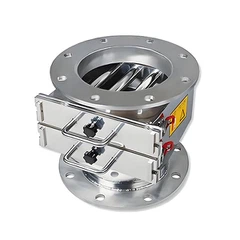
Great Magtech supplies manual-clean and easy-clean drawer magnets for powder, plastic, food, chemical, and bulk material lines. If your current drawer magnet is difficult to clean, you can share your material details, photos, or drawings for review.

Drawer Magnets
Send Inquiry Now

E Style Magnetic Drawer
Send Inquiry Now
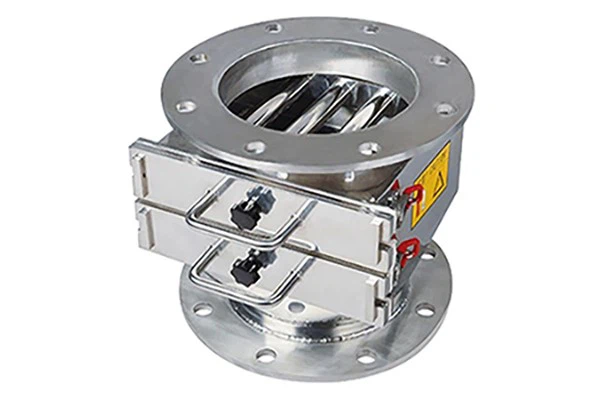
N Style Magnetic Drawer
Send Inquiry Now

Square Magnetic Drawer
Send Inquiry Now