










Metal shavings and rust flakes don't announce themselves. They ride along in your powders, your coolant, your liquid feed - until they scratch a seal, jam a nozzle, or turn up in a customer's complaint.
A magnetic tube stops that before it happens. It's a stainless-steel rod with a magnetic core that you drop straight into the flow of your process, and it works by pulling ferrous particles out of whatever passes over it - no power, no moving parts, nothing to switch on.
Below, you'll see how that pull actually happens and how to pick the right tube for your line.
What Is a Magnetic Tube
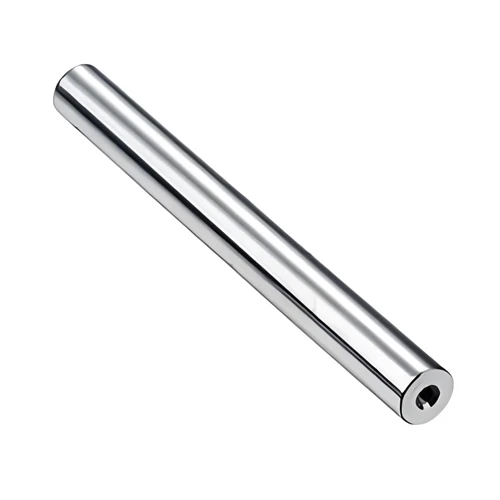
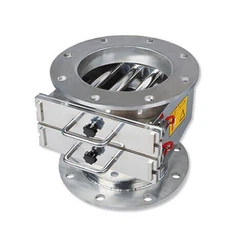
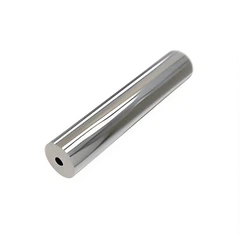
A magnetic tube is a sealed metal rod that carries a strong magnet inside it. You'll usually find it standing in the path of your material - bolted across a pipe, hung inside a hopper, or set into a chute where powder or liquid has to pass by it.
The outside is stainless steel, so it holds up in wet, greasy, or corrosive conditions without rusting or scratching your product.
It needs no electricity to run. Just place it in your material's flow path, and it starts working right away.

How Does a Magnetic Tube Work
Here's what happens once your material starts moving past the tube.
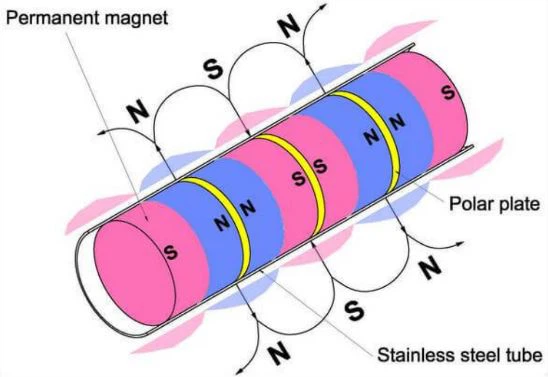
Inside, a magnetic core creates a magnetic field that reaches out through the stainless steel wall. That field isn't the same strength everywhere - it's strongest right at the surface and weaker as you move away, and that difference is what actually does the work. Iron particles get pulled toward the strongest part of the field and stick to the tube.
As your powder, liquid, or granulate keeps flowing past, more particles latch onto that surface. Over time, they build up into a visible layer of captured metal.
Internal Structure - How a Magnetic Tube Is Built
Open one up and you won't find a single bar magnet sitting inside. You'll find a stack - small disc magnets alternating with steel washers, lined up end to end along the length of the tube.
Each washer pulls the field from the magnet next to it and pushes it back out toward the surface. Stack enough of these pairs together, and you get strong capture points running the full length of the tube, not just one weak spot in the middle.

Material and Magnetic Strength Options
You've got choices here, and they matter more than you'd think.
The housing usually comes in 304 or 316 stainless steel. 304 handles most dry, general-purpose lines fine. 316 costs more, but it holds up better against saltwater, acids, and other corrosive stuff - worth it if your process runs wet or aggressive chemicals through the line.
Inside, the magnets are usually ferrite or neodymium (NdFeB). Ferrite is cheaper and works fine for catching larger metal chunks. Neodymium is stronger for its size, so it's what you want if you're trying to pull out fine iron dust or micron-level particles.
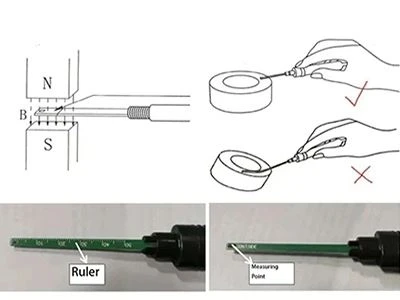
Magnetic strength is usually rated in gauss, and tubes typically range from around 2,500 to 15,000 gauss depending on what you need to capture.
Types of Magnetic Tubes
The tube itself is only half the story - how the end is finished determines how you mount it, remove it, or use it by hand.
Argon Arc Welding Head
This end is sealed shut with argon arc welding, giving you a permanent, fully sealed connection. It's the choice when the tube gets welded straight into a frame or fixture and isn't coming back out.
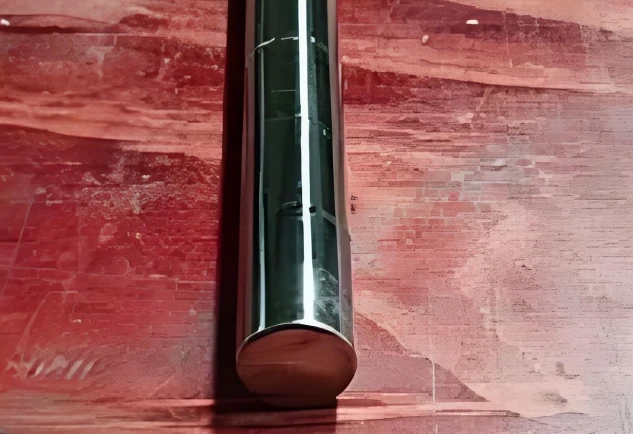
Crimping Head
Instead of welding, the end is mechanically crimped closed. You get a solid, sealed finish without the heat distortion that welding can introduce on thinner housings.

Internal Thread
The end is machined with female threading, so it screws onto a matching stud or fitting. Useful when you want a secure mount that you can still unscrew for servicing.

External Thread
The end carries male threading instead, letting you pass it through a mounting hole or bracket and secure it with a nut - a common setup for fixed installations in pipes or hoppers.

With Ring
A welded ring or eyelet on the end lets you hang the tube from a hook or chain, or simply grab it and pull it straight out for cleaning without needing tools.

With Handle Cover
A rubber or plastic grip turns the tube into a hand-held wand. You're not installing this one - you're using it to manually check or pull metal out of loose material.

Installation Methods and Cleaning Options
Getting a magnetic tube working well starts with where and how you put it in.
Installation
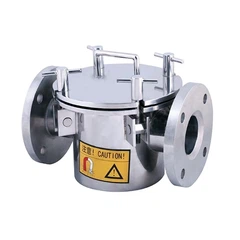
Most installations go into one of three spots: straight into a pipeline, mounted across a hopper opening, or set into a chute where material free-falls past it. Whichever spot you pick, orientation matters - position the tube so material can't slip past without touching the magnetic surface.
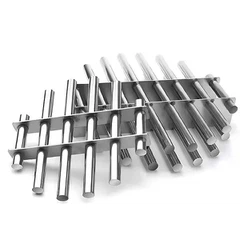
For thicker flows or higher contamination, don't rely on one tube. Multiple tubes spaced across the opening catch more metal and reduce the chance of material bypassing the field altogether.
Cleaning
Cleaning depends on which tube you installed.
Standard sealed tubes need to be pulled, wiped down, and reinstalled by hand - usually once a shift or once a day, depending on how dirty your line runs. Withdrawable and pneumatic designs skip the manual part almost entirely, which matters if your line can't afford frequent downtime.
Key Advantages of Magnetic Tube
A few things make magnetic tubes worth the trouble of installing.
• No Downtime to Install: Slides into an existing pipe, hopper, or chute without rewiring anything or adding a control panel - one less system that can fail on you.
• Continuous Separation: Works the whole time material is flowing, not just during a scheduled check, so you're not batching product through a separate filtration step.
• No Added Flow Restriction: Unlike media-based filters, a magnetic tube doesn't create pressure drop as it collects material - flow keeps moving at the same rate whether it's clean or loaded with captured metal.
• Corrosion Resistance: Stainless housing holds up in wash-down areas and wet processes without rusting into your product stream.
• Nothing to Power or Maintain Electrically: No wiring, fusing, or control panel to troubleshoot when something else on the line goes down.
Common Mistakes That Reduce Magnetic Tube Efficiency
Most efficiency problems come down to a handful of avoidable mistakes.
Installing It Backward or in the Wrong Spot
If you get the direction wrong, material slips past the strongest part of the field instead of moving straight through it. That's contamination getting a free pass through your process.
Skipping Cleaning Schedules
Once metal builds up on the surface, you're losing capacity. Wait too long, and the tube stops catching anything new - it's just sitting there, full.
Choosing the Wrong Gauss or Material
A standard-strength tube won't hold onto fine iron dust, and 304 stainless on a corrosive line means you're replacing parts sooner than you should.
Running Flow Too Fast
Push material through faster than the tube can hold onto it, and captured particles wash right back off before you ever remove them.
Industry Applications
Magnetic tubes show up anywhere metal contamination is a real risk to your product or your equipment.
Food and Beverage
Run a food and beverage line, and you're probably already using them to catch metal fragments before they reach packaging - most food safety programs require it, not just recommend it.
Plastics
Process plastics, and they protect your extruders and molds from tramp metal hiding in resin pellets, where a single fragment can chip a screw or ruin a mold.
Pharmaceuticals and Chemicals
In pharmaceuticals or chemicals, you'll usually find them in powder and liquid transfer, since even microscopic iron particles can compromise a batch.
Ceramics
If you're in ceramics, they typically go in at raw material intake, where clay and mineral powders often carry hidden metal from mining or transport.
If any of that sounds like your line, take a look at our magnetic bar range to find the right fit.
How to Choose the Right Magnetic Tube
Picking the right magnetic tube comes down to a few practical checks before you order one.
• Pipe or Opening Size: Measure the diameter you're working with - a tube that's too small won't span the flow, and one that's too large won't fit your housing.
• Flow Rate: Faster flows need a stronger tube, or your contaminants slide past before the field can hold them.
• Particle Size: Fine iron dust needs a higher-gauss core; larger tramp metal works fine with standard strength.
• Operating Temperature: Check the tube's rating against your process temperature, especially on hot lines.
• Cleaning Method: Decide whether manual pull-and-wipe works for your schedule, or whether a withdrawable or pneumatic design is worth the extra cost.
• Certifications: If you're in food or pharma, confirm the tube meets the food-grade or sanitary standards your industry requires.

Magnetic Tube
Send Inquiry Now

Square Magnetic Rod
Send Inquiry Now

Magnetic Filter Rod
Send Inquiry Now

Neodymium Magnetic Rods
Send Inquiry Now
Conclusion
A magnetic tube isn't complicated, and that's exactly the point. No power, no moving parts - just stainless steel doing one job continuously as material flows past it. Get the gauss, housing, and cleaning routine right for your line, and it quietly does its job in the background.
FAQ
Q: Can a magnetic tube remove non-ferrous metals like aluminum or stainless steel?
A: No. A magnetic tube only pulls in ferrous metal - iron, steel, rust flakes. Aluminum, brass, and most stainless steel won't respond to it.
Q: How strong does a magnetic tube need to be?
A: It depends on what you're trying to catch. Fine iron dust needs a higher-gauss tube, while larger tramp metal comes out fine with a standard-strength one.
Q: Can a magnetic tube be installed in any pipe orientation?
A: Most tubes work in horizontal, vertical, or angled lines, but you should confirm orientation with your supplier first - it affects how contaminants settle and how well the tube catches them.
Q: How often should a magnetic tube be cleaned?
A: That depends on how dirty your line runs. High-contamination processes might need daily cleaning, while cleaner lines can go weeks between checks.
Q: Is a magnetic tube the same as a magnetic rod or magnetic bar?
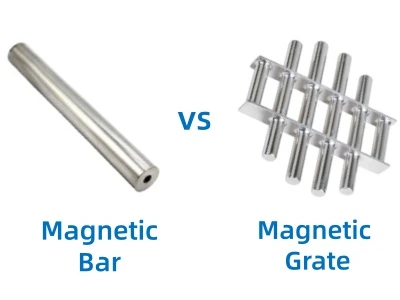
A: Yes - you'll hear these terms used interchangeably across the industry for the same cylindrical design.
Q: Does magnetic strength decrease over time?
A: Not much, as long as you're running it under normal conditions. Neodymium magnets hold their strength for years - heat is really the only thing that wears them down early.