








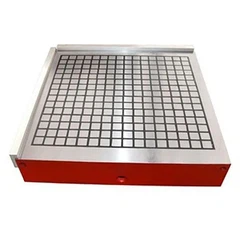
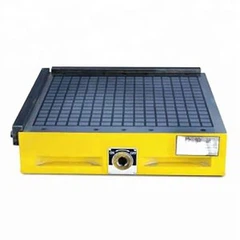


Metal contaminants are a major disruptor in industries that handle rapid bulk material movement along conveyor belts, causing equipment damage and economic losses. The perfect solution to this problem is a cross-belt magnetic separator that continuously extracts ferrous metals from the material flow, ensuring that operations are free of interference that could impact the quality of your product. Whether you are an industrial operator or a B2B supplier, your profitability greatly depends on compliance with industry standards, minimizing operational risks, and process efficiency.
Understanding Magnetic Separation Technology
A cross-belt magnetic separator is a much-needed tool for any industry, from manufacturing, mining, recycling, or any other sector that that depends on metal separation, such mostly depends on metal separation.
What is Magnetic Separation?
Magnetic separation is defined as an automated, non-contact method that works on a magnetic field to extract ferrous metals from the stream of any type of material. This process guarantees that the different types of metallic contaminants like bolts, screws, tramp iron, or even nails don't interfere with production or cause serious damage to expensive equipment.
Importance of Magnetic Separation
For suppliers handling high-volume materials like aggregates, ores, wood, or plastic, effective magnetic separation
Protects equipment such as mills, crushers, and conveyor belts from metal damage.
Reduces labor costs by automating metal removal and removing the need for any type of manual sorting.
Help meet regulatory standards for the safety and purity of your product.
Increase processing efficiency by keeping your production line running smoothly at maximum capacity.
Types of Industrial Magnetic Separators
The right magnetic separator depends on the material flow, speed of processing, as well as contamination level.
It is best for high-volume processing in recycling, mining, as well as handling of bulk material.
Installed at conveyor discharge points to remove ferrous contaminants before further processing.
Available in wet and dry models, depending on material type.
Ideal for handling large quantities of raw materials in mining and aggregates.
Overband Magnetic Separators
Perfect for continuous removal of tramp metal in high-speed conveyor systems.
Suspended over conveyor belts to extract large ferrous contaminants before they reach the processing equipment and cause any damage.
Typically utilized in construction, quarrying, or cement production.
Available as permanent as well as electromagnetic units for different power and levels of efficiency.
Suited for inline removal of small as well as medium-sized ferrous contaminants in bulk material processing.
Can replace standard conveyor pulleys by continuously removing ferrous metals while materials pass over.
Commonly utilized in grain milling, wood processing, or plastics manufacturing.
Space-saving and easily integrated into existing conveyor systems.

Eddy Current Separators (For Non-Ferrous Metals)
Best for recycling businesses that focus on recovering valuable metals like copper or aluminum.
Including alternating magnetic fields to separate non-ferrous metals from other materials.
Often combined with a cross belt or even a drum magnet to remove ferrous metals first.
Commonly found in electronic waste recycling as well as scrap metal recovery operations.
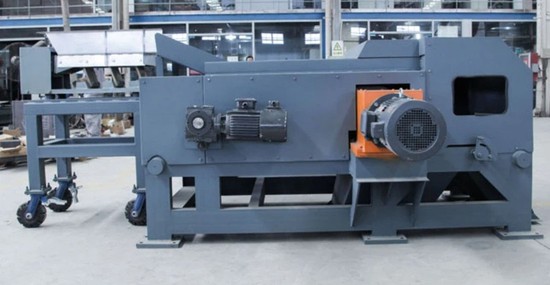
Cross Belt Magnetic Separators
Designed for fully automated metal separation in high-speed, high-volume production lines.
Mounted above conveyor belts to extract as well as discharge ferrous contaminants continuously.
Ideal for facilities that handle bulk materials at rapid speeds like aggregate processing plants, recycling centers, or coal mines.
Electromagnetic and permanent magnet options are available for different levels of separation strength.

Why Cross Belt Magnetic Separators Are a Smart Choice
|
Feature |
Cross Belt Magnetic Separator |
Drum Magnet |
Magnetic Pulley Separator |
|
Operation |
Continuous, self-cleaning |
Periodic cleaning needed |
Continuous, manual removal required |
|
Metal Discharge |
Automatic via conveyor belt |
Manual removal needed |
Captures metal but doesn't eject automatically |
|
Processing Speed |
High, ideal for bulk materials |
Moderate, suited for smaller loads |
Moderate, depending on conveyor speed |
|
Maintenance |
Low, self-cleaning system |
Moderate, requires frequent cleaning |
Low, needs occasional metal removal |
|
Installation |
Flexible, mounts at various angles |
Fixed at material flow point |
Fixed as a conveyor head pulley |
|
High-Volume Efficiency |
High, ensures smooth flow |
Medium requires pauses |
Medium depends on conveyor movement |
|
Best For |
Mining, recycling, bulk processing |
Food, chemical, medium-scale separation |
Grain, wood, and aggregate industries |
|
Cost |
Higher upfront, low maintenance |
Moderate cost, regular upkeep |
Lower cost, manual upkeep needed |
Principles of a Cross Belt Magnetic Separator
A cross-belt magnetic separator is a high-efficiency, automated metal separation system that keeps industrial processes running smoothly.
Step-by-step Working
The conveyor belt deals with the flow by transporting bulk materials beneath the magnetic separator.
The strong magnetic field attracts ferrous metals, pulling them away from non-magnetic materials.
A secondary conveyor belt that runs perpendicular to the main conveyor and moves the collected metal away.
The separated ferrous materials are continuously and automatically discharged into a collection bin, ensuring uninterrupted processing.
Key Components
A cross-belt magnetic separator comprises essential components that work together to ensure efficient and continuous metal separation.
Magnetic System
Generates the magnetic field to capture ferrous materials.
Available in permanent magnet (constant strength, no power required) or electromagnet (adjustable strength, requires power).
Belt Conveyor
Moves extracted metal away from the material stream.
Made of durable, wear-resistant materials for long-term performance.
Drive Motor
Powers the belt conveyor to ensure continuous separation.
Features variable speed control to optimize efficiency.
Frame and Support Structure
Provides stability and mounting options over conveyor systems.
Built with heavy-duty materials for industrial environments.
Industrial Applications of Cross Belt Magnetic Separators
Cross-belt magnetic separators are used across various industries where ferrous contamination can disrupt operations, damage equipment, and lower product quality.
Recycling and Waste Management
To improve material recovery rates, ferrous metals are extracted from electronic waste, municipal solid waste as well as demolition debris.
Avoids causing damage to metal fragments from reaching non-ferrous separation processes like eddy current separators.
Minimizes any wear on granulators, shredders, and conveyor systems, thus extending equipment lifespan.
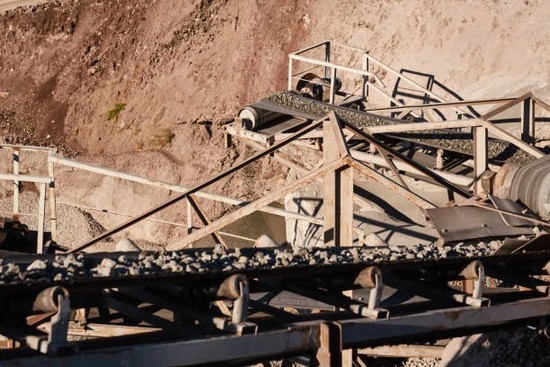
Mining and Quarrying
Tramp iron is removed from crushed ores to protect cone mills, crushers, and grinding circuits from any metal-induced damage.
Reduces downtime in gold, iron, coal, and aggregate mining operations by automatically removing unwanted metal.
Aggregate and Construction
Prevents metal debris like nails, rebar, and wire from causing any damage to screens and impact crushers.
Establish the presence of cleaner aggregates for concrete and asphalt production by eliminating metal fragments.
Minimize safety risks associated with metal contamination in construction materials.
Food Processing
Ensures product purity by the removal of ferrous contaminants from flour, bulk grains, powdered spices, and even sugar during processing.
Greatly helps food manufacturers comply with HACCP, FDA, and USDA safety standards to prevent any kind of product recalls.
Protects blenders, grinders, and packaging lines from any metal fragments that could cause serious mechanical failures.
Cement and Power Plants
Extracts metal contaminants from coal, limestone as well as raw materials before they enter crushers or kilns, thus preventing equipment damage.
Protects conveyor belts in coal-fired power plants by the removal of tramp iron before combustion.
Minimizes the risk of fire hazards that are caused by metal sparks in cement or power plant operations.
Wood Processing
Removes all types of screws, nails, and metal fasteners from reclaimed wood before shredding or even chipping.
Prevent saw blades or even chipping machines from costly damage.
Key Considerations for Cross Belt Magnetic Separators
When you choose a cross-belt magnetic separator, some factors must be considered.
Metal Sensitivity and Selectivity
Some separators can detect as well as remove only larger ferrous materials, while others can capture fine metallic particles, depending on sensor sensitivity.
If your operation handles a mixture of fine contaminants or tramp iron, consider a high-sensitivity system so even smaller metal particles are effectively separated.
Power Consumption and Energy Efficiency
Electromagnetic cross-belt separators consume different amounts of energy, depending on their strength and duration of use.
If energy efficiency is a concern, look for models with power-saving modes, variable field strength adjustments, or energy-efficient coil designs.
Integration with Existing Conveyor Systems
Ensure compatibility with your belt width, frame design, and conveyor angle to avoid additional installation costs.
Some models feature adjustable height and positioning, which improves separation efficiency based on material thickness.
Wear Resistance
Heat-resistant or coated belts are considered crucial for high-temperature environments like cement plants and corrosive conditions.
The belt that eliminates all the separated metals should be abrasion-resistant for industries that deal with heavy, or high-friction materials.
Noise and Vibration Levels
In enclosed processing environments, noise levels can impact worker safety, and vibrations while extracting large metal pieces may impact adjacent equipment.
Low-noise models or those with vibration-dampening technology are ideal for sensitive environments, such as food processing.
Smart Monitoring and Automation Features
Advanced models now integrate IoT-based sensors that monitor separator efficiency in real-time.
Automated systems monitor magnetic performance and metal contamination levels, alerting maintenance and optimizing separation settings based on material variations.
Load Distribution and Conveyor Impact
Some cross-belt separators add significant weight to conveyor systems, which may require structural reinforcements.
If your conveyor system isn't designed for high-load magnetic separators, check load ratings and belt tension requirements before installation.
Adaptability for Future Expansion
If your operation scales up, can your separator handle an increased material volume?
Some models offer modular upgrades, such as higher-strength magnets or wider belt systems, allowing futureproofing without full replacement.
Installation and Maintenance
Optimum installation, as well as maintenance of a cross belt magnetic separator, is crucial for efficient operation and extended lifespan.
How to Position the Separator
Mount 2–6 inches above the conveyor according to material density and metal size.
Align centered and perpendicular to the conveyor for maximum metal capture.
Match separator belt speed with conveyor speed to prevent inefficiencies.
Routine Maintenance and Inspection
Clean ferrous buildup regularly to maintain magnetic efficiency.
Inspect and replace worn separator belts to prevent misalignment.
Lubricate bearings monthly and check for motor and pulley misalignment.
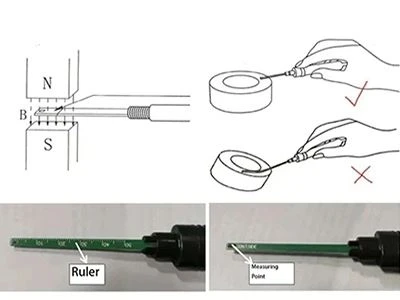
Test magnetic strength periodically using a Gauss meter; replace or recharge if weakened.
Safety Precautions
Wear cut-resistant gloves while handling sharp metal debris.
Keep your electronic devices as well as pacemakers away from the magnetic field.
Disconnect the power before maintenance on the electromagnets.
Use lifting equipment for heavy magnet installations to prevent injuries.
Cross-belt magnetic separators are important to maintain efficiency as well as reliability in material processing. Through continuous metal separation, downtime is reduced and product quality is improved. Choosing the right separator tailored to your operational needs ensures long-term performance and cost-effectiveness, making it a valuable investment in any high-volume industry.
Maximize efficiency and protect your equipment-upgrade to GME Magnetic Separator for unstoppable performance!