









If you work with magnets, magnetic separators, motors, speakers, or magnetic assemblies, you may often see the Gauss value in drawings, test reports, or product specifications. For magnet manufacturers and QC teams, a Gauss meter is a common tool used after production to check the surface magnetic field or magnetic flux density before products are delivered.
But a Gauss reading is not always easy to understand.
You may wonder what a Gauss meter actually measures, how the probe reads the magnetic field, and why the number changes when the probe position or distance changes. This article explains what a Gauss meter is, how it works, and where it is commonly used.
What Is a Gauss Meter?
A Gauss meter is an instrument used to measure magnetic field strength or magnetic flux density. It is also called a Gaussmeter or magnetic field meter.
You may use a Gauss meter to check magnets, magnetic materials, magnetic separators, motors, speakers, coils, and parts with residual magnetism. In production or inspection work, it helps you read the magnetic field value at a specific test point.
The reading is usually shown in Gauss, millitesla, or Tesla, depending on the meter setting and model.

TM-801EXP Magnetism Tester Tesla
Send Inquiry Now

WT103 Gauss Meter Magnetic Detector
Send Inquiry Now
How Does a Gauss Meter Work?
A Gauss meter measures magnetic field strength through a sensor probe. When you place the probe in a magnetic field, it produces a tiny voltage. The meter reads this signal and converts it into a field value, usually shown in Gauss, millitesla, or Tesla.
This is why the test point matters. If you move the probe across the same magnet, the reading may change.

Hall Probe and Magnetic Field Detection
Most gauss meters use a Hall probe. The Hall probe senses the magnetic field at the point where it is placed and sends the signal to the display unit.
The probe direction, position, and distance from the magnetic surface can all affect the reading, so it should be placed carefully during measurement.
Gauss Meter vs Tesla Meter vs Magnetometer
| Item | Gauss Meter | Tesla Meter | Magnetometer |
|---|---|---|---|
| Main display unit | Usually Gauss | Usually Tesla or millitesla | Depends on the instrument |
| Common use | Checking magnets, magnetic separators, and residual magnetism | Measuring stronger or wider-range magnetic fields | General magnetic field measurement |
| User type | Factory QC, magnet suppliers, equipment users | Labs, engineers, industrial testing users | Research, navigation, geophysics, inspection, or industrial use |
| Reading style | More common in magnet product inspection | More common when SI units are required | Can be simple or highly technical |
| Practical difference | Easier to understand for many magnet buyers | Better when Tesla or mT values are needed | A broader term, not one fixed product type |
A gauss meter and a Tesla meter may be very similar in hardware. The main difference is often the display unit and measurement range. Magnetometer is the broader name.
What Does a Gauss Meter Measure?
A gauss meter measures magnetic flux density, often called magnetic field strength in daily use. It does not directly measure pull force, holding force, or the full quality of a magnet. It only tells you the magnetic field value at the point where the probe is placed.
Gauss, Millitesla, and Tesla
Gauss, millitesla, and Tesla are common units for magnetic field readings. Many digital gauss meters allow you to switch between these units, depending on the report or standard you need to follow.
DC Magnetic Field
DC magnetic fields are stable fields. You may measure them on permanent magnets, magnetic separators, magnetic chucks, or parts with residual magnetism.
AC Magnetic Field
AC magnetic fields change with time. They may appear around coils, motors, or electromagnetic devices. Not every gauss meter can measure AC fields, so you need to check the meter function first.
Magnetic Polarity
Some gauss meters can also show magnetic polarity. This helps you identify whether the tested area is closer to the north pole or south pole.
Main Parts of a Gauss Meter
A Gauss meter is not just a display screen. It usually includes a probe, a display unit, and the parts needed to connect and power the instrument.

Probe or Sensor
The probe, also called the sensor, is the part that detects the magnetic field. It is usually small and sensitive. Some probes are made for surface measurement, while others are shaped for narrow gaps or special test areas.
Display Unit
The display unit receives the signal from the probe and shows the reading. Depending on the model, it may display Gauss, millitesla, Tesla, polarity, peak value, or hold value.
Cable and Power Supply
Many gauss meters use a cable to connect the probe to the meter body. The instrument may be powered by batteries, an adapter, or USB power. These details depend on the model and working setup.
Common Uses of Gauss Meters
Gauss meters are used when you need a magnetic field reading instead of a visual check or a simple pass/fail judgment. You may see them in magnet production, equipment inspection, quality control, and maintenance work.
Measuring Permanent Magnets
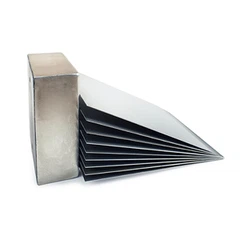
You can use a gauss meter to check permanent magnets after production or before assembly. It is often used for surface magnetic field checks, pole area checks, and batch comparison.
Checking Magnetic Separators
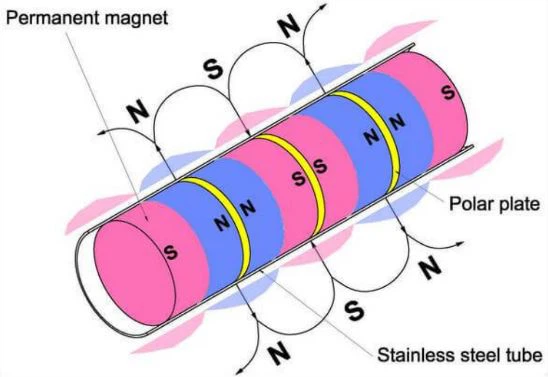
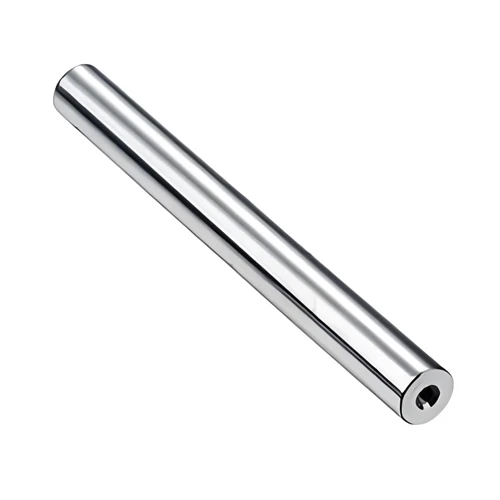
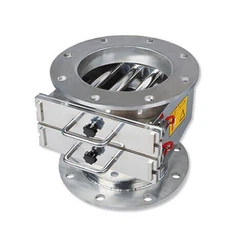
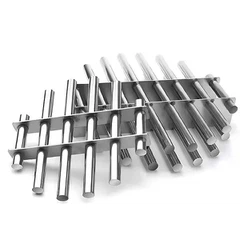
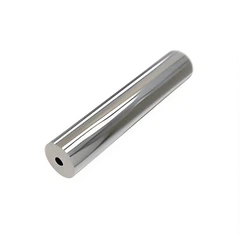
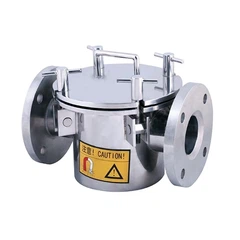
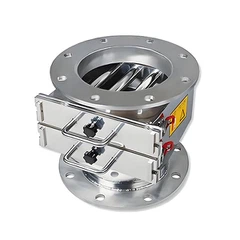
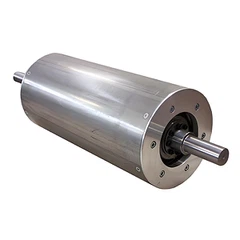
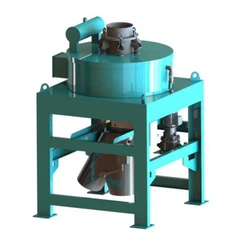
For magnetic separators, a gauss meter is used to check the surface field of magnetic bars, magnetic grates, drawer magnets, magnetic chucks, and other magnetic separation parts. This helps confirm whether the magnetic area matches the expected inspection point.
Testing Motors and Speakers
Motors, speakers, and coils all use magnetic fields in different ways. A gauss meter can be used during inspection, repair, or product testing when you need to check the magnetic field around these parts.
Measuring Residual Magnetism
After machining, welding, grinding, or demagnetizing, some metal parts may still have residual magnetism. A gauss meter can help you check whether a magnetic field remains on the surface.
Magnetic Material Inspection
Magnet suppliers, OEM factories, and QC teams may use gauss meters for incoming material checks or final inspection. The reading is useful, but it should not be treated as the only way to judge magnetic material quality.
How to Use a Gauss Meter Correctly
Using a gauss meter is easier when you keep the test method consistent. The reading can change if the probe position, angle, or distance changes.

● Prepare the Meter: Turn on the gauss meter and check whether it needs zero setting or calibration. Choose the right unit or mode, such as Gauss, millitesla, Tesla, AC, or DC, based on the field you need to check.
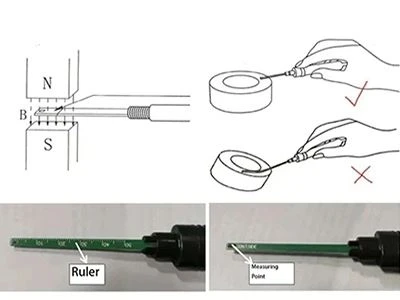
● Place the Probe Correctly: Hold the probe steady and place the correct sensing side near the test point. For surface magnetic field testing, keep the probe flat and aligned with the measuring area when required.
● Keep the Probe Still: Do not slide or tilt the probe while reading. A small change in distance or angle can change the value.
● Wait for a Stable Reading: Read the display after the value becomes steady. If the number changes when you move the probe, record the highest or target-position value based on your inspection method.
● Record the Test Point: Write down the reading, unit, probe position, and test location. This is useful when you compare magnets, magnetic separators, or residual magnetism later.
What Affects Gauss Meter Readings?
Gauss meter readings are easy to compare only when the test method is the same. If two people test the same magnet but use different probe positions or angles, the values may not match.
Probe Position
A magnet does not have the same Gauss value across the whole surface. The center, edge, corner, pole area, and joint area may show different readings. When checking a batch of magnets or magnetic separators, mark the same test point each time.
Measurement Distance
The probe does not always sit perfectly on the surface. Paint, coating, dust, labels, sleeves, or a small hand gap can lower the reading. This is common when testing magnetic bars or finished magnetic assemblies.
Probe Angle
A tilted probe can give a different value from a flat probe. If you are checking the surface magnetic field, keep the sensing side in the same direction each time.
Calibration
Zero drift, low battery, old calibration, or nearby strong magnets can make the reading unstable. If the value looks strange, move away from magnetic parts and reset the meter before testing again.
How to Choose the Right Gauss Meter
Before choosing a Gauss meter, start with what you need to test. A magnet surface, magnetic separator, motor, coil, and residual magnetism check may not need the same range or probe type.

Check the measurement range first. If the field is strong, the meter should support a higher Gauss or Tesla range. If you need to test both permanent magnets and electromagnetic devices, confirm whether the meter supports DC, AC, or both.
The probe also matters. A thin probe may be useful for narrow gaps, while a standard probe may be enough for surface checks. You should also look at resolution, accuracy, polarity display, data output, power supply, and whether the meter is easy to hold during daily inspection.
Conclusion
A gauss meter is a small tool, but it is easy to misunderstand if you only look at the number on the screen. The same magnet can show different values when the test point changes, so the reading should always be tied to a clear measuring method.
For production, inspection, or maintenance work, this makes consistency more important than chasing a single high value. When the test position, probe direction, and record method are clear, the Gauss reading becomes much more useful for comparison.
FAQ
Q: Why does my reading differ from the supplier's report?
A: The test point, probe type, distance, unit, and measuring method may be different. Ask whether the value was measured at the surface, center, pole area, or a fixed distance.
Q: Can a gauss meter tell whether a magnet is defective?
A: It can help find unusual magnetic field values, but it should not be the only inspection method. Size, coating, pull force, appearance, and application tests may also matter.
Q: Can a gauss meter check magnet polarity before assembly?
A: Yes. If the meter supports polarity display, it can help confirm north and south pole direction before assembly or installation.
Q: Can a gauss meter be used on very small magnets?
A: Yes, but the probe size matters. If the magnet is very small, a large probe may average the field over a wider area and give less useful readings.
Q: Is surface Gauss enough for magnet quality control?
A: Not always. Surface Gauss is useful, but some projects also require size checks, coating checks, pull-force testing, or application testing.