









In wood recycling and biomass processing, metal separation is not only about improving material purity. It is also an important step in protecting processing equipment that is designed to cut, shred, and grind organic material rather than heavy tramp metal. Nails, screws, wire, and steel fragments can enter the system through recycled timber, pallets, demolition waste, or bulk biomass materials.
Even small metal contamination can create expensive equipment problems.
The right magnetic separation setup often depends on the actual processing conditions. Material type, conveyor layout, burden depth, throughput, and the size of ferrous contaminants can all affect separator selection. In many wood and biomass processing lines, magnetic separators are installed to help reduce equipment damage and support cleaner material processing during continuous operation.
Why Metal Separation Matters in Wood and Biomass Processing
Wood recycling and biomass processing systems often handle inconsistent materials from different sources. Because of this, tramp metal contamination is common during daily operation, especially in recycled wood and bulk biomass applications.
Common Sources of Tramp Metal
Metal contamination can enter the processing line through recycled pallets, demolition wood, construction waste, feedstock handling, or damaged processing tools. Nails, screws, bolts, wire, and steel fragments are some of the most common contaminants found in wood waste and biomass materials.

Metal Can Damage Expensive Processing Equipment
Wood and biomass processing equipment is usually designed to process organic material, not heavy steel contamination. Tramp metal can damage grinder blades, hammer mills, chippers, shredders, and conveyor systems during operation.
Contamination Affects Final Biomass Product Quality
Metal contamination can also affect the quality of finished biomass products such as wood chips, mulch, pellets, and biomass fuel. Ferrous fragments mixed into the final material may create handling problems for downstream customers or later processing stages.
For some operations, cleaner output material is also important for meeting product quality requirements and reducing contamination complaints.
Overhead Magnetic Separators in Wood Recycling Lines
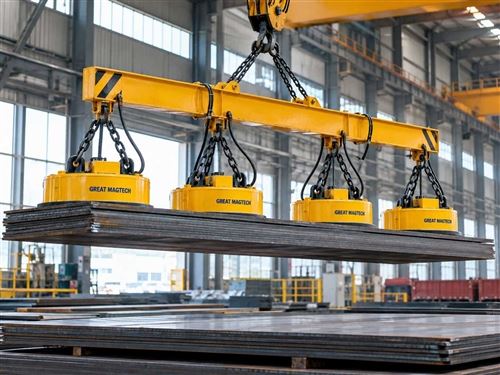
Overhead magnetic separators are widely used in wood recycling and biomass conveyor systems because they can remove ferrous contaminants directly from moving material streams. These separators are usually installed above conveyors where tramp metal can be intercepted before reaching grinders, shredders, or downstream equipment.
Permanent Magnets vs Electromagnets
Permanent overhead magnets generate a constant magnetic field without requiring external power. They are commonly used in systems with lighter burden depth, narrower conveyors, or limited installation space. Their compact structure also makes them suitable for smaller processing lines.

Electromagnets use electrical power to create the magnetic field and are often selected for heavier burden depths or larger conveyor systems. In some wood recycling applications, electromagnets can provide deeper magnetic reach for removing larger tramp metal from thick material loads.
The separator choice often depends on conveyor layout, throughput, and contamination conditions.
Self-Cleaning vs Stationary Magnets
Self-cleaning overhead magnets use a moving belt system to automatically discharge captured ferrous material during operation. They are commonly used in processing lines where tramp metal appears frequently and continuous operation is important.
Stationary magnets are usually selected when metal contamination is less common but still needs to be removed. Since they do not use moving belts or drive motors, they typically require less maintenance and have a simpler operating structure.
Magnetic Head Pulleys for Conveyor Discharge Separation
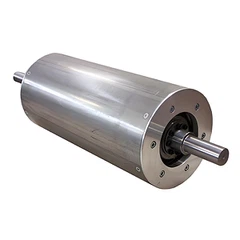
Magnetic head pulleys are installed at the discharge end of conveyor systems to separate ferrous contaminants from wood waste and biomass materials during conveying. Unlike suspended overhead magnets, the magnetic pulley becomes part of the conveyor system itself and continuously separates metal during material discharge.

How Magnetic Head Pulleys Work
As material moves across the conveyor, non-magnetic wood or biomass follows its normal discharge path off the belt. Ferrous contaminants are attracted to the magnetic head pulley and remain attached to the belt surface slightly longer before dropping separately underneath the conveyor.
This creates continuous automatic separation without requiring manual removal during operation.
Magnetic head pulleys are commonly used in wood recycling, biomass fuel processing, and bulk material handling systems where conveyor-fed material flow is continuous.
Advantages Over Suspended Magnets
One advantage of magnetic head pulleys is that the magnetic field is positioned very close to the material during discharge. This allows the separator to capture ferrous contamination directly at the belt surface where magnetic strength is strongest.
In some applications with shallow burden depth or higher belt speeds, magnetic head pulleys may provide more efficient separation than suspended overhead magnets.
They can also reduce the need for additional suspended support structures above the conveyor line.
Drum Magnetic Separators for Biomass Processing
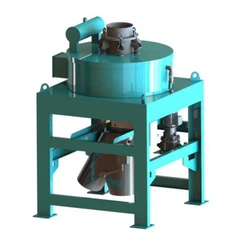
Drum magnetic separators are commonly used in biomass and wood processing systems where continuous bulk material separation is required. These separators are designed to automatically remove ferrous contamination from flowing material streams without interrupting production.
They are often installed after conveyors, shredders, or screening systems in larger processing lines.
Continuous Ferrous Separation for Bulk Material
A drum magnetic separator uses a rotating drum with an internal magnetic system to separate ferrous contaminants from non-magnetic biomass material. As material moves across the drum surface, wood chips, mulch, or biomass continue following their normal discharge path while ferrous metal remains attached to the rotating drum for separate discharge.
This allows continuous separation during operation and reduces the need for manual metal removal.
Drum separators are commonly used in high-throughput biomass applications where material flow remains constant throughout the production cycle.
When Drum Separators Are a Better Choice
Drum magnetic separators are often selected for larger stationary processing systems with heavier throughput requirements. Compared with smaller magnetic head pulleys, drum separators can typically handle larger material volumes and wider processing systems.
They are also suitable for applications where continuous automatic separation is important and conveyor-fed material flow remains steady during operation.
How to Choose the Right Magnetic Separator for Wood and Biomass Systems
Choosing a magnetic separator for wood and biomass processing is usually based on actual operating conditions rather than magnetic strength alone. Material flow, conveyor layout, contamination level, and throughput can all affect separator performance during production.
Burden Depth and Throughput
Burden depth refers to the thickness of material moving on the conveyor. Shallow material layers are generally easier for magnets to penetrate, while heavy burden depth may require stronger magnetic reach or larger separator designs.
Throughput is also important. High-volume processing lines often need separators that can operate continuously without slowing material flow or creating bottlenecks.
Conveyor Design and Material Flow
Conveyor structure affects how effectively ferrous contamination can be separated. Belt width, conveyor speed, transfer points, and troughed conveyor designs can all influence separator positioning and magnetic coverage.
Some separators work better at conveyor discharge points, while others are designed for suspended installation above the material stream.
Frequency and Size of Tramp Metal
The type of contamination also affects separator selection. Fine wire fragments and small nails may require different magnetic configurations than large steel pieces or heavy tramp metal.
In applications where metal contamination appears frequently, self-cleaning magnetic separators are often preferred because they can continuously discharge captured metal during operation.
Quick Separator Selection Guide for Wood and Biomass Lines
Different processing conditions often require different magnetic separation methods. The table below shows common separator choices used in wood recycling and biomass processing systems.
| Processing Condition | Recommended Separator |
|---|---|
| Conveyor-fed wood waste | Overhead Magnetic Separator |
| Heavy burden depth applications | Electromagnetic Separator |
| Limited installation space | Permanent Magnet |
| Frequent tramp metal contamination | Self-Cleaning Magnet |
| Conveyor discharge separation | Magnetic Head Pulley |
| High-throughput biomass processing | Drum Magnetic Separator |
| Wide conveyor systems | Overband Magnet |
| Continuous automatic operation | Self-Cleaning Conveyor Magnet |
Common Problems in Wood and Biomass Magnetic Separation
Wood recycling and biomass processing lines often run under changing material conditions, uneven feed rates, and heavy throughput. Because of this, magnetic separator performance can vary if the system is not properly matched to the processing environment.
Incorrect Suspension Height
Suspension height directly affects magnetic reach. If an overhead separator is installed too high above the conveyor, the magnetic field may not penetrate deeply enough into the material burden to capture hidden tramp metal.
If the separator is installed too close to the material flow, buildup and clearance problems may appear during operation.

Incomplete Metal Removal on Wide Conveyor Belts
Wide conveyor systems can create uneven magnetic coverage across the material stream. Ferrous contamination moving near the outer belt edges may not pass through the strongest magnetic area.
This problem is more common in high-throughput wood recycling lines with inconsistent material distribution.
Heavy Tramp Metal Damaging Separator Belts
Sharp metal fragments such as nails, bolts, and steel pieces can damage self-cleaning separator belts over time. In heavy-duty recycling systems, repeated impact from large tramp metal may increase belt wear and reduce operating life.
Some applications require reinforced or armored belt designs for better durability.
Material Buildup Around Magnetic Separators
Wet biomass material, fine dust, and irregular wood waste can sometimes accumulate around the separator structure. Excessive buildup may reduce separation efficiency or affect material flow during long operating hours.
Regular inspection and cleaning are often necessary in continuous processing systems.
Conclusion
Wood recycling and biomass processing systems rarely operate under perfectly consistent conditions. Material quality, contamination levels, conveyor loading, and throughput can all change during daily production, which is why magnetic separator performance often depends on practical installation and process matching rather than magnetic strength alone.
In many processing lines, separator selection becomes a balance between material flow, maintenance requirements, conveyor layout, and the type of tramp metal commonly found in the system.
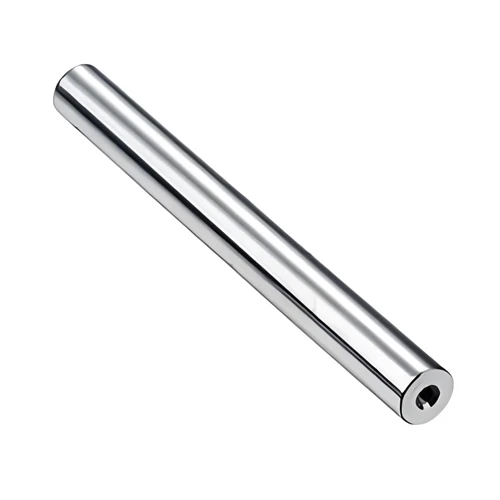
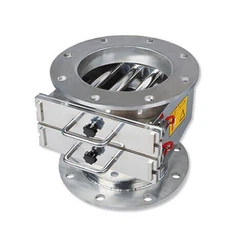
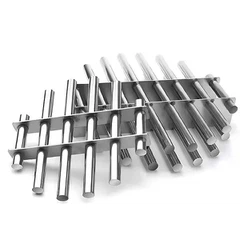
Great Magtech provides magnetic separation solutions for wood recycling and biomass processing applications, including overhead magnetic separators, magnetic head pulleys, drum magnetic separators, and conveyor magnetic systems. Different separator structures and configurations can be matched to different processing conditions and conveyor layouts.
FAQ
Q: What is the difference between an overband magnet and a magnetic head pulley?
A: An overband magnet is suspended above the conveyor, while a magnetic head pulley is installed at the conveyor discharge end and becomes part of the conveyor system itself.
Q: Can magnetic separators handle wet biomass materials?
A: Yes. Many magnetic separators can operate in wet biomass processing environments, but separator design and cleaning requirements may vary depending on material moisture content.
Q: Are electromagnetic separators better than permanent magnets?
A: Not always. Electromagnets are often preferred for heavier burden depth and larger conveyors, while permanent magnets are commonly used in smaller or lower-throughput systems.
Q: Can magnetic separators be customized for conveyor width?
A: Yes. Many conveyor magnetic separators can be customized based on conveyor width, material flow rate, and installation conditions.
Q: What is burden depth in wood recycling conveyors?
A: Burden depth refers to the thickness of material moving on the conveyor belt. Heavy burden depth can reduce magnetic penetration and affect separator performance.