










Evolution of Industrial Processes Owing to Industrial Magnetic Separation
Industrial manufacturing is a very complicated yet interesting process. The complications that you encounter in handling industrial materials can be lowered by opting for the latest technological advancements. Like every other field, technological upgradation has shaken the industrial material handling process. If you haven't already guessed, I am referring to Industrial Magnetic Separation, which has resulted as a great wonder for industrial applications. If you are unfamiliar with the idea of magnetic separators, then let me walk you through them so that you know how they can bring wonders to your industrial procedures.
What is Industrial Magnetic Separation?
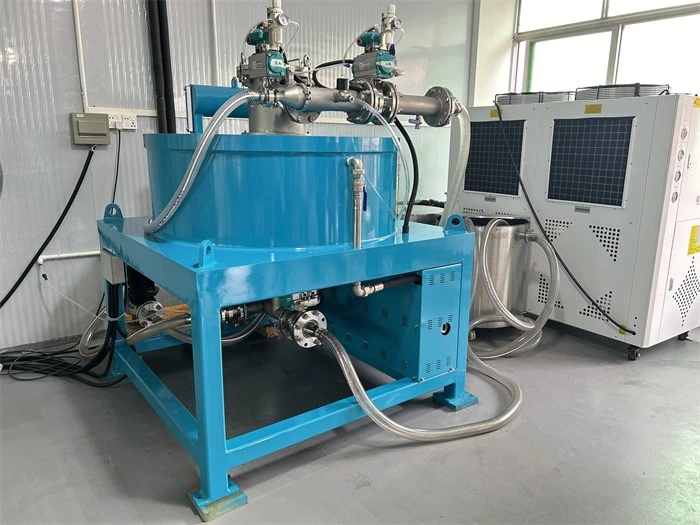
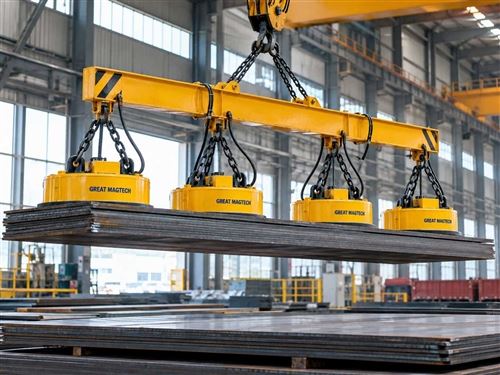
Industrial Magnetic Separation is a process that uses magnets to purify the material at hand. It can purify the materials from ferric impurities by attracting the iron components and sticking them to the magnets. This way, the separator refines the material from iron-based impurities.
Ferric impurities can pose great danger if left inside the material. Be it food material or any other type of industrial material, iron impurities can be dangerous if they are not extracted properly. Besides the chemical composition, these impurities can also damage the machinery and equipment that are used in further processing, refining, or packaging of the industrial material. For instance, if you are dealing with a textile fabric and iron impurities, such as a bolt get mixed with the raw material, then it can get stuck inside the machine while the textile fabric is being produced. A single bolt can damage the machinery and also delay the processing because of malfunctioning machinery. This is why magnetic separators are widely used in industrial processes to refine both raw material and final product from any unnecessary ferric component.
How Magnetic Separators are Evolving Industrial Procedures?
You must be wondering what is so special about magnetic separators that they are widely used in various industries. By opting for industrial magnetic separation, you can make sure that all dangerous ferric particles and tramp metal are separated from the product before it is sent to the customer. Because if any such impurity is found on the consumer end, then it can cause real trouble for your business. Especially if any such impurity is found in a food product, then it can lead to customer injury (especially if consumed), potential lawsuits by customers, social media negative campaigns, negative press, and even product recall. The dangerous nature of tramp metal and iron impurities is such that they should be removed from the raw material for fine processing and from the final product if you want to retain your customer base. This is why the use of magnetic separators is ruling industrial manufacturing and refining. It has truly evolved the way industries used to operate and has offered added ease in conducting industrial operations.
Using the latest magnetic separators has not only sped up the manufacturing process but has also improved the quality of the final product. This way, industries have gained the trust of their customers and are working efficiently.
Which Industries Use Magnetic Separators?
Many people assume that magnetic separators are used only in the food industry, but it has wide applications in multiple industries. You can find industrial magnetic separation usage in Dairy, Food, chemicals, Oil, Mining, Grain and Milling, Textile, Powder, Plastic, non-woven products, and even in the recycling industry. All these industries are seeking out the benefits of magnetic separators.
The great thing about magnetic separators is that they can be used to purify powder, granules, liquids, and even paste. This wide usage has made it possible to serve multiple industries dealing in different kinds of products.
How Magnetic Separator Work?
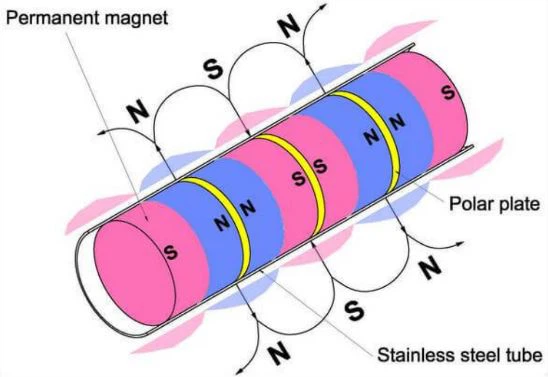
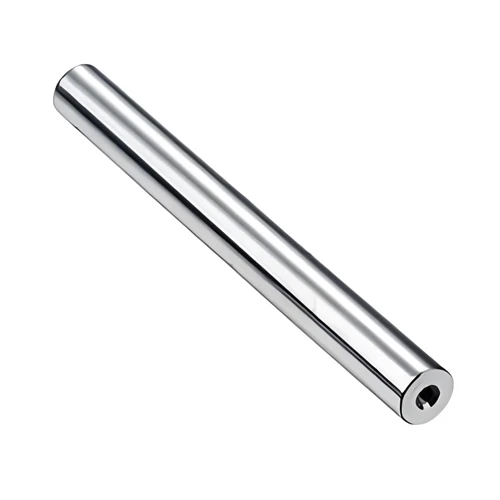
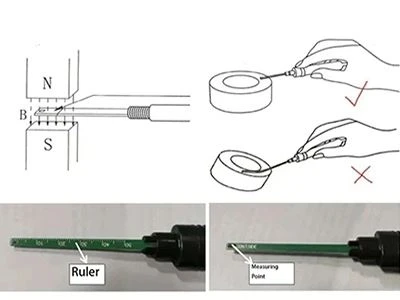
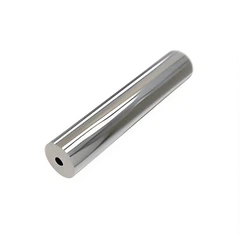
The basic function on which a magnetic separator works is quite simple. A magnetic field is generated inside the separator through an external force. The magnetic force works to attract the ferrous particles that get attracted to the magnets and get attached to the magnetic bars placed inside the separator. Once all impurities get attached to the bars, the external magnetic field is switched off. The magnet bars are removed from the material at hand, and the impurities are disposed of.
The strength of the magnetic field depends upon the magnet that you have used in the separator. The stronger the magnetic field, the better the final result.
The magnetic separator comes in various forms and shapes. This is because there is no one-size-fits-all formula here. The shape and type of magnetic separator depend on the material you want to refine. Every product needs a different separator that is designed specifically for its purification.
When it comes to magnetic variation, the variation is both in terms of the magnet being used and the shape of the magnetic separator.
Type of Magnets
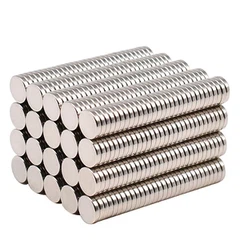
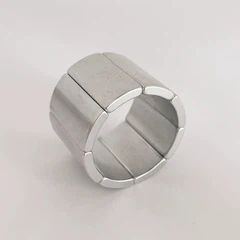
Magnets are available in various types based on their composition and strength. The type of magnet used in the magnetic separator depends upon the flow rate, density, iron contamination form, and the operating temperature required to remove that ferric impurity. Based on all these factors, a different magnet might be required to purify two different products even if they belong to the same industry. This is why you need to specify the type of magnet that will be appropriate for product purification based on the quality of the product and the type of ferrous impurities you are dealing with. Here are some of the right magnets for some of these characteristics mentioned above to give you a head start.
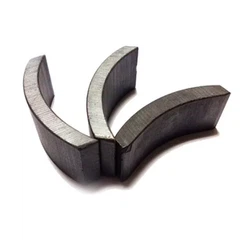
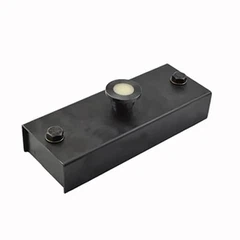
Ceramic Magnets: These magnets are perfect for removing tramp iron components in industrial material.
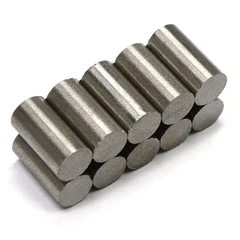
Alnico magnets: Made with the combination of aluminum, nickel, and cobalt, alnico magnets are best suited to purify impurities that require high temperatures for the removal of impurities. Alnico magnets can withstand and work perfectly under high temperatures.
Rare Earth Magnets: these magnets are used to purify the product when the density and flow rate are very high. Such products that have work-hardened steel contaminations can be finely purified by using rare earth magnets. Rare earth magnets include many other magnets which each have their characteristics making them suitable for specific conditions, The Samarium cobalt magnet is very small in size and has slightly lower strength than neodymium. But unlike another rare earth magnet, it works wonderfully in high temperatures. Neodymium magnets are the strongest in their class. They can purify the materials from stainless steel and iron impurities. Ceramic ferrite magnet makes the deepest magnetic field even though it is regarded as the weakest rare earth magnet. This quality makes this magnet the most preferred magnet when material purification requires the magnetic field to be devised from a good distance.
Types of Magnetic Separator Shapes
The formation or shape of an industrial magnetic separation also depends on the type of material you are dealing with and the type of impurity you want to get rid of. Here are some types of formations of magnetic separators (not limited to) that are being used in industries:
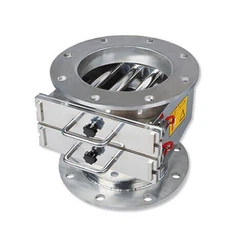
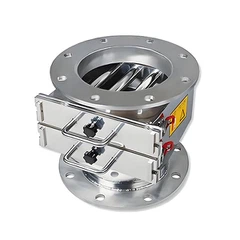
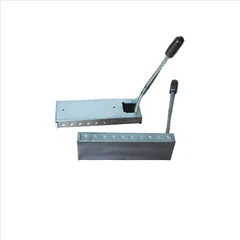
Drawer Magnets: Drawer magnets are deemed perfect for dry material that flows toward gravity. Such magnets are best to get rid of tramp metal pieces and are widely used in the Plastic, Recycling, Powder, and Food industries.
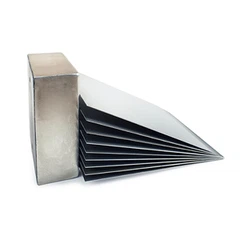
Hump Magnets: These magnets are used to remove entrapped iron impurities. They are also used when you want to prevent large products from building up. Hump magnets are best for purification of products that are in high volume. It is best suited for Grain, Food, Powder, and non-woven industries.
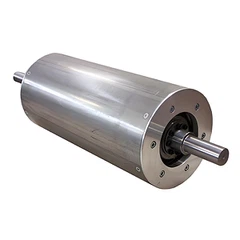
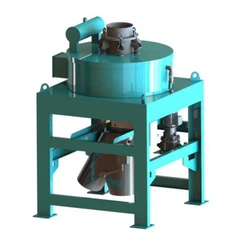
Drum Magnets: When you want to treat materials that are high in volume and flow freely while having a granular structure then drum magnets are the perfect choice. They are widely used in recycling, Powder, Mining, Mineral, Plastics, Grain and Aggregate industries. They remove the iron impurities continuously as the material flows freely through the drum.
In-line Magnets: Lined with rare earth magnets, this type of separator is used to treat material that has an uneven flow. These magnets are used in the Food, Recycling, Powder, Milling, and Plastics industries.
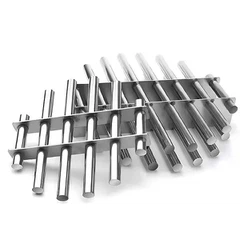
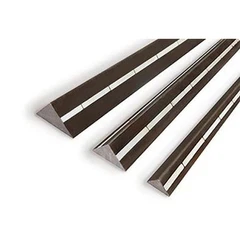
Grate Magnet: These magnets can be easily installed in a housing, pit, hopper, bin, or even chute to attract tramp metals. They can purify large flowing materials and are used in food, Grain, Plastics, Powder, and Milling industries.
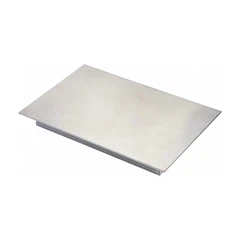
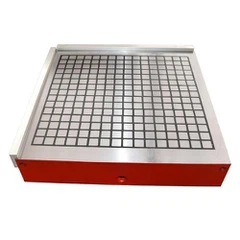
Plate Magnets: To treat moist, paste-form, and abrasive products or raw materials, plate magnets are the perfect choice. They prevent any debris or impurities from clumping or piling up. They can also be installed inside the chutes. They are widely used in recycling, Grain, Food, Plastics, and Powder industries. The plates are usually installed on either the upper or lower side of the conveyor to attract and remove the impurities.
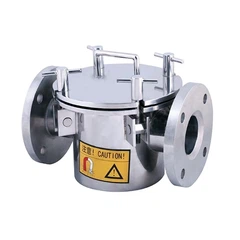
Magnetic Liquid Traps: As the name reflects, these magnetic shapes are used to purify liquid raw materials and products. They are used in the Food, Powder, Milling, and Grain industries. These magnets are best for removing small impurities from high-viscosity liquids. They are highly recommended to purify the acidic food products.
Conclusion
FAQ
Q: How do I choose the right type of magnetic separator for my product?
A: Start with how your material moves - dry and free-flowing, wet or paste-form, or carried on a conveyor - since that narrows the shape down to a drawer, grate, drum, or liquid trap before you even look at magnet strength. From there, match the magnet type to your contamination: ceramic magnets handle general tramp iron, rare earth magnets like neodymium pull fine or weakly magnetic particles that ceramic magnets miss, and alnico holds its strength in high-temperature processes. Matching flow rate, temperature, and contamination type to a supplier's spec sheet is the fastest way to narrow it down if you're not sure.
Q: What is the difference between a magnetic separator and a metal detector?
A: A magnetic separator physically removes ferrous metal from your material - it attracts and pulls out tramp iron and steel as the product flows past. A metal detector doesn't remove anything; it just flags contamination, ferrous or not, so you can stop the line and pull the affected batch by hand. Most serious contamination-control setups use both: a separator to catch the bulk of ferrous debris automatically, and a detector downstream to catch whatever slips through.
Q: Can magnetic separators remove non-ferrous metals like aluminum or stainless steel?
A: No - standard magnetic separators only pull ferrous, iron-based metal. Aluminum, brass, and copper aren't magnetic at all, and most common stainless steel (300 series) isn't either, though a few grades (400 series) are weakly magnetic. If non-ferrous contamination is a real risk in your process, you need a different technology - eddy current separation, which uses a rapidly rotating magnetic field to physically eject non-ferrous metal rather than attract it.
Q: How strong does a magnet need to be to remove tramp metal effectively?
A: There's no single strength that works for every setup - it depends on your material's flow rate, the distance between the magnet and the product stream, and how deep the tramp metal sits in that flow. The magnet has to be strong enough to reach across that gap and still hold the particle against gravity and the moving material. This is why strength should be specified against your actual operating conditions, not picked off a generic chart - a magnet rated for a shallow tray won't perform the same in a deep hopper.
Q: Are magnetic separators effective on liquid or paste-form products?
A: Yes, with the right separator shape. Magnetic liquid traps are built specifically for this - product flows through a housing while a magnetic core, usually rare earth, catches ferrous contamination out of the moving liquid or paste. They're standard on viscous or acidic products where a dry-format separator like a drawer or grate magnet would just let the material flow past without ever making contact. Traps also need more frequent cleaning than dry separators, since residue builds up around the magnet faster.