










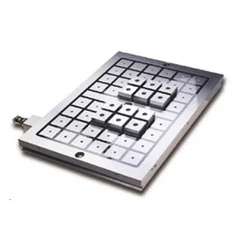


Do you want to achieve high-purity fluid operations? If yes, you're at the right spot. One of the crucial factors in industrial processes is filtration. It removes contaminants to maintain a safe production.
But what if you remove metallic particles within seconds? That's possible through magnetic filters. The magnetic filtration process has a magnetic core or rod to adsorb all the ferromagnetic compounds from the fluid or semi-fluid.
In this blog, you'll understand magnetic filters, their working principle, features, benefits, and applications. So, get ahead to start the magnetic filtration process.
What Are Magnetic Filters?
When it comes to removing impurities, you have to use magnetic filters. These filters have a magnetic surface to attract ferrous impurities or granules in fluid and semi-fluid. You'll find such filters in hoppers, ports, or pipelines.
As the material flows, magnetic filters absorb impurities. It'll purify the material, thus protecting the downstream equipment. Whether there's impurity in powder, liquid, or gaseous materials, use magnetic filters to remove fine iron particles.
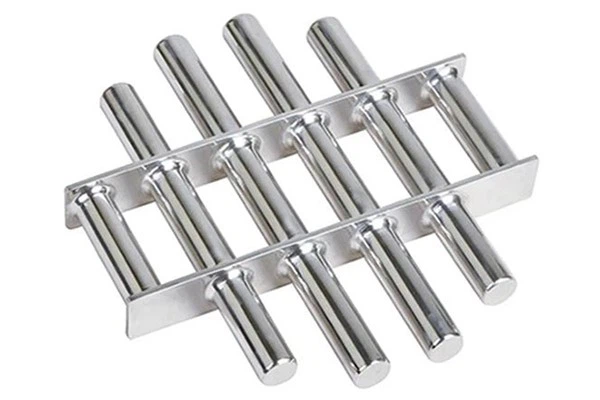
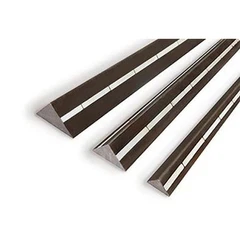
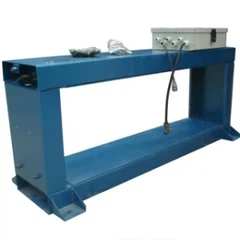
Food Magnetic Grates
Send Inquiry Now
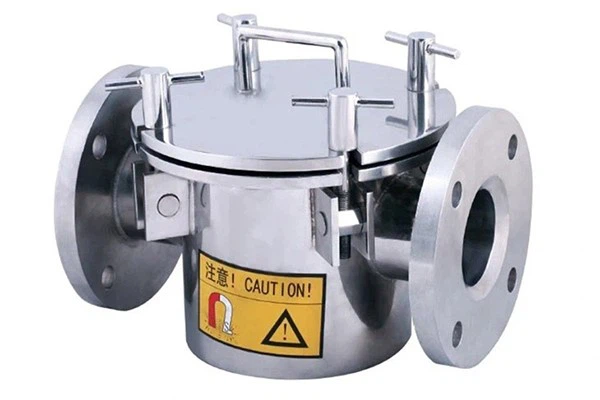
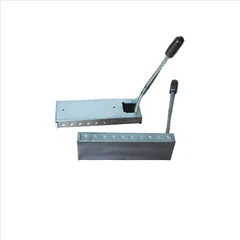
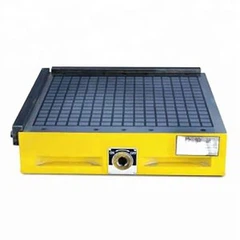
Magnetic Liquid Trap
Send Inquiry Now
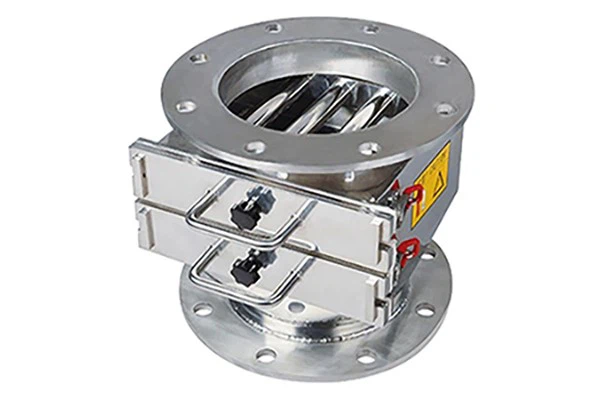
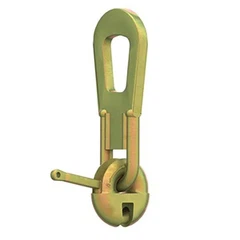
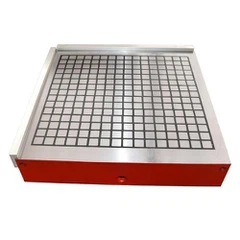
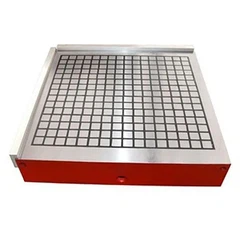
Magnetic Drawer
Send Inquiry Now

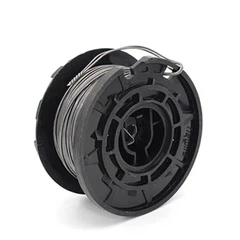
Magnetic Rod
Send Inquiry Now
Features
Here is what a permanent magnetic filter possesses:
Magnetic filters contain magnetic rods
The magnetic filter surface feels smooth
Removes fine iron particles easily
Have a strong adsorption capacity
The filter magnetic intensity is more than 12,000 gauss
Filters fine particles ranging from size 0.5 to 60 micrometers (invisible to the naked eye)
Its magnetic force ranges between 5 and 20 times
Magnets composed of NdFeB material
Types of Magnetic Filters
Common types of magnetic filters include:
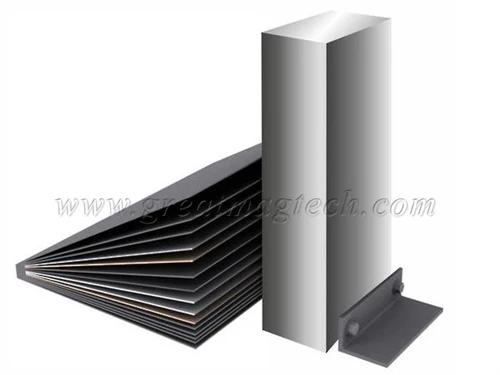
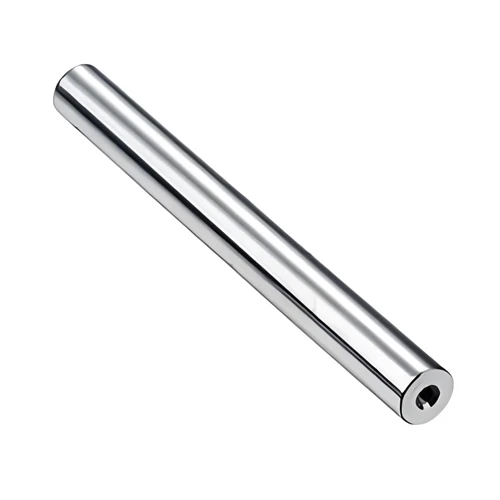
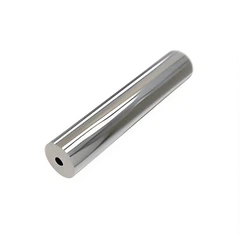
Tube Magnets
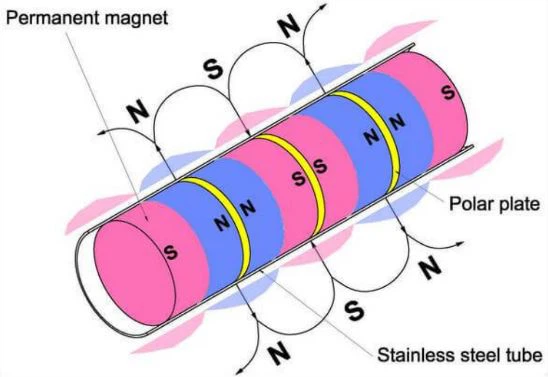
This type of magnetic filter has magnets and magnetic sheets to create a strong magnetic field. Tube magnets are coated with stainless steel and polished to provide a smooth surface. It's waterproof and has an anti-fouling magnetic surface that absorbs metallic salts in solid powder or mud. For absorbing nanoparticles, install a filter with 12,000 gauss of flux intensity.

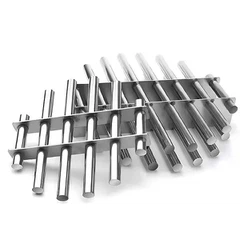
Grate Magnets
You'll find great magnets or magnetic grids in hoppers or storage cases. It's also used to separate impurities from the product. Tube magnets make up magnetic grids of square or round shapes.

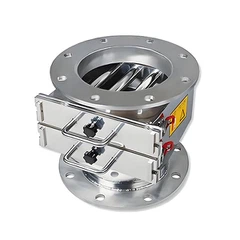
Drawer Magnets
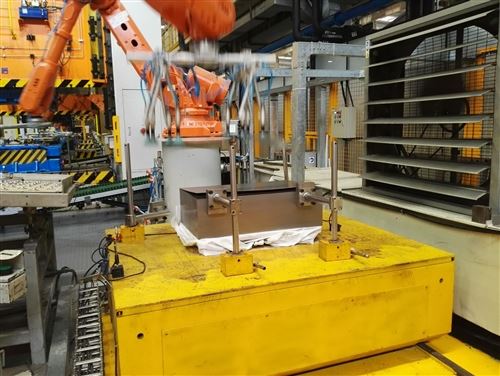
Layering the grate magnet forms a drawer magnet. Mostly, the drawer magnet's purpose is to remove ferromagnetic components from granular and dry powdery materials. It's a common part of the mining, ceramic, chemical, plastics, dye, and food production industries.

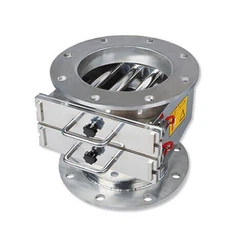
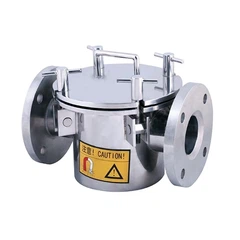
Magnetic Liquid Trap
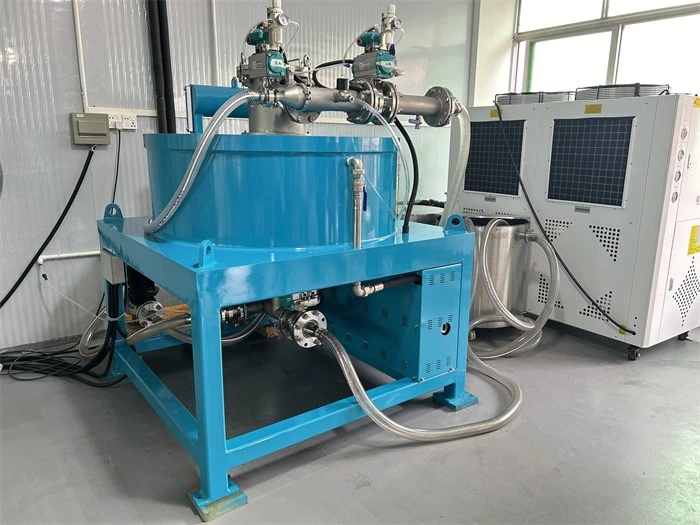
For cleaning the fluid or semi-fluid materials, magnetic liquid traps or filters are installed in pipelines. These filters work at a maximum temperature of 350 degrees Celsius.

Magnetic Filtration
One of the processes for removing ferrous impurities from liquids or slurries is magnetic filtration. No matter what, food, pharmaceuticals, or chemicals have to be cleaned or reused. For purifying paramagnetic iron or grinding contamination, industries use this process.
Another popular name for magnetic filtration is magnetic coolant separators. Without neodymium magnetic cores, it's not possible to capture the ferrous materials from coolant fluids, oils, or lubricants. That's why using permanent magnetic filters is a must.
You should use neodymium rare-earth magnets (permanent magnets) to remove ferric particles from fluid streams. These impurities might be formed from the corrosion, processing, or breakdown of equipment. However, you can scrape the contaminations using tools manually or automatically.
How Do Magnetic Filters Work?
Magnetic filters produce a magnetic field with a flux density (magnetic strength) to accumulate metal particles, including iron and steel. The higher magnetic gradient is important to separate particles effectively.
Higher Flux Density = Higher strength of magnetic gradient = Strong magnetic force on particles
If you want to know the strength of a magnetic gradient, you should know the non-uniform flux density and position of a magnet. For example, a refrigerator magnet has a flux density of 60 to 80 gauss. Magnetic filters used in industries have 28,000 gauss of magnetic strength or flux density.
In addition, most magnetic filters come with high-intensity magnets for effective filtration or separation. There is always a magnetic filter installed at a position where liquid or slurry flows. Though the liquid or slurry contains ferrous particles, it passes towards the magnetic field. The magnetic surface then traps impurities. After collecting, the filters are dislocated to wash away particles. You can use these magnetic filters to remove particles again.
Apart from the working, industries employ different configurations of magnetic filters. Here are three common forms of magnetic filters:
Magnetic Plug: When you require quick filtration, magnetic plugs are involved in the process.
Flow-through: Specific slots are created so particles maintain a regular flow along the magnetized area.
Rod Magnet: This magnetic filter configuration is installed in tanks and canisters for flushing metallic substances.

Principle Of Magnetic Filters In Industries
Most fluids contain ferromagnetic contaminations. For removing such impurities, industries use magnetic separators or filters of high magnetic intensity. If the fluid's viscosity is low, it reduces the flow rate. Hence, the separation becomes more effective and faster.
Filtering Liquid
There are filter screens containing magnetic filters through which liquid flows. During the liquid flow, the filter screen stops the solid particles while iron or other metal filings adsorb on magnetic plugs or rods. Then, the clean liquid discharges out.
Cleaning Filters
Cleaning and maintaining magnetic filters is necessary. Magnetic filters are connected to the main pipes using screws. For cleaning, unscrew the plug. Also, filter screens are cleaned to wash out dust, sediments, or rust blocked in the screen. If you don't want your pipelines to get damaged, be sure to clean filters and screens regularly.
Effect of Impurities on Industrial Discharges
Most groundwater and industrial discharged liquids contain some percentage of iron, steel, manganese, or other metallic salts. These salts change the taste and smell of water. If these metals are not filtered, it'll affect industrial production. It's also crucial for proper sewage treatment. Otherwise, it'll create serious health effects in humans.
During ion separations, there's a chance of exchange resin poisoning or corrosion of boilers. Thus, metals reside in them. Therefore, quick removal of water impurities is the only way to protect the industrial components, production, and environment.
Benefits of Magnetic Filtration
Magnetic filtration's primary purpose is to protect the environment from hazardous metallic components causing adverse effects.
Eco-friendly
Without contaminating the environment, magnetic filters eliminate the impurities from the liquid. These collected contents aren't disposed of as waste but recycled for single-material production. Hence, being eco-friendly, these filters play a major role in industrial processes.
Cost-effective
Whether you want to install or clean magnetic filters, you don't require extra cost. There are minimal charges for installation. It's a reusable technology. Therefore, no other expenses are required over the lifetime use.
On the other hand, self-cleaning filters are preferred since there's no hard and fast rule. You have to flush the impurities using water, dry the filter, and reinstall.
Improves Productivity
When liquid flows through filter screens, flow isn't interrupted. Even if the removal of particles contaminates the filters, it doesn't affect the flow rate. No chance of back pressure drop or bursting. Hence, magnetic filters don't hinder productivity.
No matter what the size of the impurity, even if it's less than 1 micron, filters flush it out. In contrast, barrier filters can't remove components of five micrometers. Thus, contaminants lead to bacterial buildup and affect the filtration performance.
Enhances Electro-hydraulic Valves Reliability
When you activate the solenoid valves, metallic particles affect the servo valves. However, using magnetic filters in electro-hydraulic valves improves the function and reliability.
Reduces Oil Oxidation
Ferromagnetic materials, including iron and steel, allow their catalytic property to oxidize oil. It corrodes or varnishes equipment. Nevertheless, magnetic filters provide a continuous service to collect impurities and inhibit oil oxidation.
Limits Flow Restriction
Oil pressure drop increases the impurity concentration, but magnetic filters limit the flow restriction. These filters let the oil or any other fluid flow while removing metallic particles.
Gravity Flow Drain Lines
In most machines, finding metal debris is difficult as oil flows through the drain lines due to gravity. However, the lack of oil pressure doesn't allow you to locate metals. That's why magnetic filters are installed in tank drain lines to trap debris before it reaches the reservoir. Thus, oil draining flow isn't restricted, and magnetic rods separate unwanted particles easily.
Extends Conventional Filters' Life
When you use conventional filters with magnetic, it becomes convenient to remove particles effectively.
Uses of Magnetic Filters
Wherever ferrous particles are present, magnetic filters are a must. Industries use a special magnetic filtration process to separate unnecessary particles. Here's a list of products with magnetic filters:
CNC machinery
Milling machines
Liquid chemicals
Hydraulic oil
Slurry
Pharmaceutical products
Liquid food
Coolants
Application
Magnetic filters are widely used in various industries. Check the industries where magnetic filters are used for cleaning products:

Food Industry
Beverage Industry
Brewing Industry
Papermaking
Cosmetic Industry
Treatment of drinking water or groundwater
Swimming pool
Conclusion
Permanent magnetic filters provide a reliable solution for removing ferrous contaminants from liquid and slurry systems. Their performance depends on proper sizing, correct magnetic strength selection, and suitable installation within the production line. When these factors are aligned with your operating conditions, magnetic filtration supports stable flow, reduced wear, and improved system cleanliness.
Choosing the right configuration requires understanding your flow rate, pressure conditions, contamination level, and cleaning requirements. A well-matched system delivers long-term operational stability without adding unnecessary complexity.
At Great Magtech, we design permanent magnetic filtration systems based on real industrial parameters. If you are evaluating magnetic filtration for your process line, you can share your technical specifications with our team for application-focused support and customized solutions.
FAQs
Q: Can permanent magnetic filters be used in high-temperature environments?
A: Yes, but magnet grade must match the operating temperature. High-temperature applications may require specially rated magnetic materials to prevent performance loss.
Q: Are permanent magnetic filters suitable for food or pharmaceutical use?
A: Yes, when manufactured with food-grade stainless steel and hygienic design standards. Surface finish, weld quality, and cleanability are important considerations for regulated industries.
Q: What is the difference between a magnetic filter and a magnetic separator?
A: Magnetic filters are typically installed in liquid or slurry systems to remove fine ferrous particles from flowing media. Magnetic separators are often used in bulk solid material handling, such as conveyor systems.
Q: What pipe diameter considerations are important?
A: The magnetic filter should match your pipeline diameter to maintain consistent flow. Improper sizing can create turbulence, dead zones, or uneven exposure to the magnetic field.
Q: What magnet strength is typically used in liquid filtration systems?
A: Magnetic strength varies by application. Fine particle removal may require high-intensity magnetic rods, while coarse contamination can be managed with moderate strength systems.