


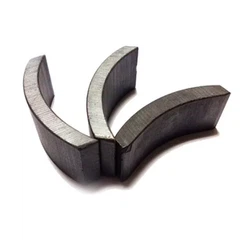
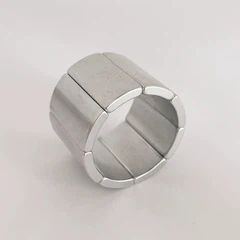


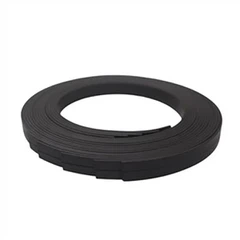






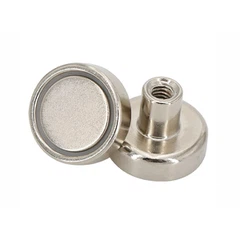











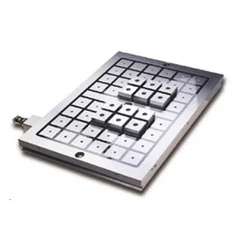


Magnets have played a crucial role in various aspects of our lives, from powering electric motors to enabling data storage in our electronic devices. Among the different types of magnets available, ceramic magnets have gained popularity due to their unique properties and wide range of applications. In this article, we will explore the composition, manufacturing process, properties, advantages, and disadvantages of ceramic magnets, shedding light on their significance in today's technological world.

Overview of Ceramic Magnets
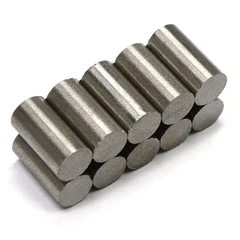
Ceramic magnets, also known as ferrite magnets, are a type of permanent magnet made from ceramic materials. They are characterized by their high resistance to demagnetization, excellent thermal stability, and cost-effectiveness. Compared to other types of magnets such as neodymium magnets (which are known for their exceptional strength) and alnico magnets (which possess high-temperature stability), ceramic magnets offer a unique combination of properties that make them suitable for a wide range of applications.
Comparison to other types of magnets (e.g., neodymium, alnico)

While ceramic magnets may not possess the same level of magnetic strength as neodymium magnets, they compensate for this by offering advantages in other areas. Neodymium magnets are typically more expensive to produce and have a lower resistance to demagnetization, making ceramic magnets a cost-effective alternative for applications where high strength is not critical. Additionally, ceramic magnets have better thermal stability compared to alnico magnets, allowing them to operate at higher temperatures without losing their magnetic properties.
Common applications of ceramic magnets
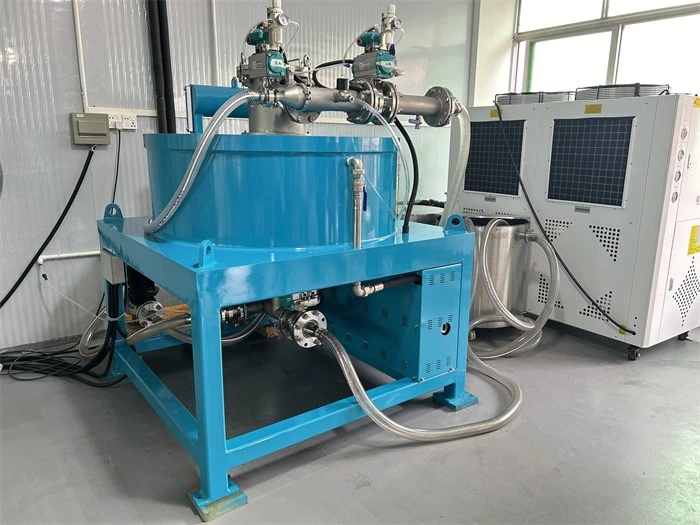
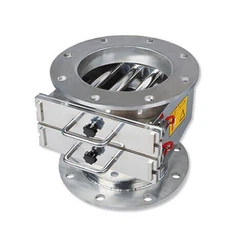
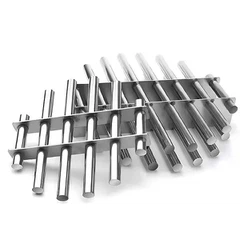
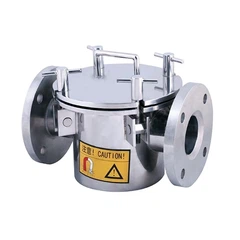
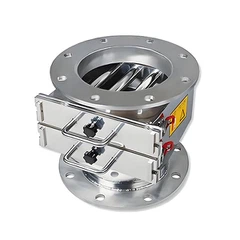
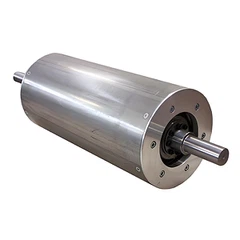
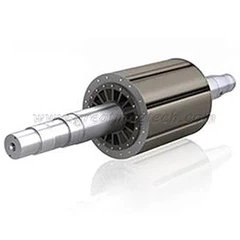
Ceramic magnets find applications in various industries and technologies. They are widely used in electric motors, generators, loudspeakers, and audio devices, where their magnetic properties contribute to efficient energy conversion and sound reproduction. Ceramic magnets also play a vital role in magnetic separators and filters, helping to separate and purify materials in industries such as mining, recycling, and food processing. Furthermore, they are utilized in consumer electronics, magnetic therapy, and healthcare devices, showcasing their versatility and importance in our daily lives.
Composition of Ceramic Magnets
Ceramic magnets are primarily composed of ferrite ceramics, which are made from iron oxide (Fe₂O₃) combined with other elements such as strontium (Sr) or barium (Ba). Strontium ferrite (SrFe₁₂O₁₉) and barium ferrite (BaFe₁₂O₁₉) are commonly used in the production of ceramic magnets due to their magnetic properties and availability.
Chemical properties and advantages of these ceramics
Strontium ferrite and barium ferrite offer several advantages as the main components of ceramic magnets. These ceramics exhibit high magnetic permeability, meaning they can easily establish and maintain magnetic fields. They also have excellent resistance to demagnetization, allowing ceramic magnets to perform reliably in various environments. Additionally, these ceramics are relatively abundant and cost-effective, contributing to the cost-efficiency of ceramic magnet production.
Manufacturing Process
The manufacturing process of ceramic magnets starts with the selection and purification of the raw materials. Iron oxide, strontium carbonate (SrCO₃), or barium carbonate (BaCO₃) are carefully chosen and refined to eliminate impurities that may affect the magnetic properties of the final product.
Grinding and milling of ceramics are then carried out to achieve a homogeneous mixture of the desired composition. This step involves reducing the particle size of the ceramics to enhance their reactivity during the subsequent stages of magnet production.
Forming the magnet shape
Once the ceramics are prepared, they are formed into the desired shape for the magnet. This can be achieved through pressing or casting methods. Pressing involves compacting the powdered ceramics into a specific shape using high-pressure machinery, while casting involves pouring a liquid ceramic mixture into molds and allowing it to solidify.
After the forming process, the magnets undergo a sintering process, which involves heating them to a high temperature to fuse the ceramic particles, resulting in a densified magnet structure.

Magnetization and final finishing
The magnetization of ceramic magnets is performed after the sintering process. This is typically done by subjecting the magnets to an external magnetic field, aligning the magnetic domains within the material, and imparting their permanent magnetic properties.
Once magnetized, the ceramic magnets undergo final finishing processes, including surface treatment and quality control measures to ensure their dimensional accuracy, smoothness, and overall performance.
Properties of Ceramic Magnets
A. Magnetic properties
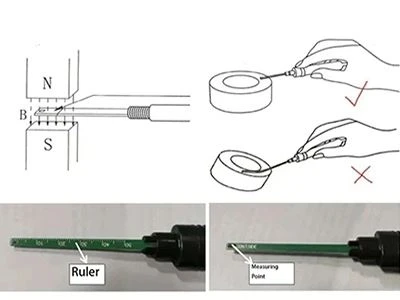
Ceramic magnets possess several key magnetic properties that determine their functionality and application suitability. Remanence (Br) refers to the residual magnetization retained by the magnet after the external magnetic field is removed. Coercivity (Hc) is the amount of magnetic field required to demagnetize the material, while the magnetic energy product (BHmax) represents the maximum amount of energy that can be stored in the magnet.
B. Mechanical properties
In terms of mechanical properties, ceramic magnets are characterized by their hardness and brittleness. While they are relatively hard materials, they are also brittle and susceptible to breakage under high mechanical stress. The density and strength of ceramic magnets contribute to their overall durability and resistance to physical damage.
C. Thermal properties
The thermal properties of ceramic magnets are essential for their performance in different temperature conditions. The Curie temperature, which is the temperature at which the magnet loses its magnetic properties, determines the maximum operating temperature of the magnet. Additionally, the thermal stability and limitations of ceramic magnets influence their suitability for specific applications.
Advantages and Disadvantages of Ceramic Magnets
A. Advantages
Cost-effective production: Ceramic magnets are relatively inexpensive to produce compared to other magnet types, making them a cost-efficient choice for many applications.
Wide range of operating temperatures: Ceramic magnets exhibit excellent thermal stability, enabling them to operate in a wide temperature range without significant loss of magnetic properties.
Good resistance to demagnetization: Ceramic magnets are highly resistant to demagnetization, ensuring their long-term functionality in various environments.
B. Disadvantages
Lower magnetic strength compared to other magnets: Ceramic magnets do not possess the same level of magnetic strength as neodymium magnets. However, their unique combination of properties compensates for this limitation in many applications.
Brittle nature and susceptibility to breakage: Ceramic magnets are relatively brittle, making them prone to cracking or breaking when subjected to high mechanical stress. Proper handling and protection are necessary to avoid damage during manufacturing, assembly, and use.
Limited corrosion resistance: Ceramic magnets have limited corrosion resistance compared to magnets made from other materials. Adequate protective coatings or surface treatments are often applied to mitigate the effects of corrosion in corrosive environments.
Applications of Ceramic Magnets
A. Electric motors and generators
Ceramic magnets are widely used in electric motors and generators due to their ability to convert electrical energy into mechanical energy and vice versa. Their properties allow for efficient energy conversion and contribute to the overall performance and reliability of these devices.
B. Magnetic separators and filters

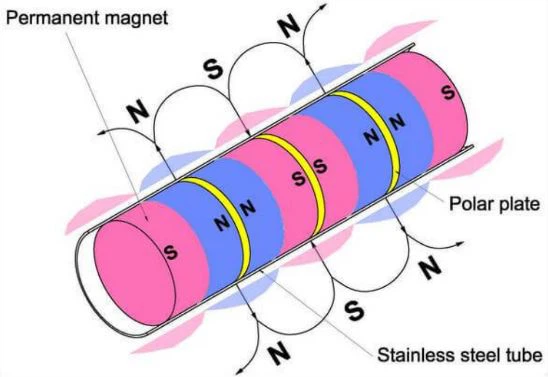
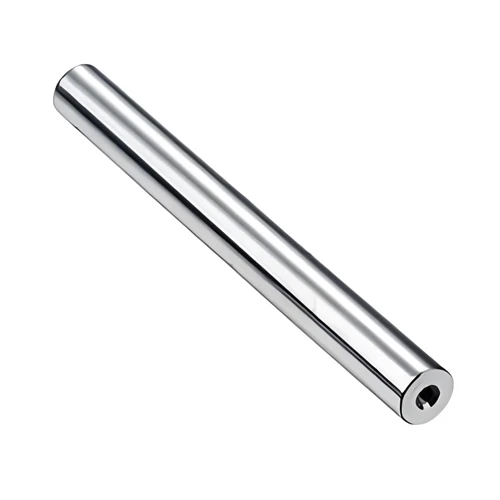
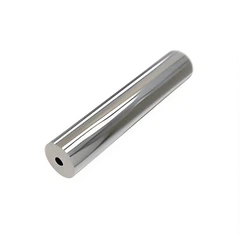
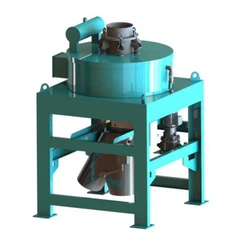
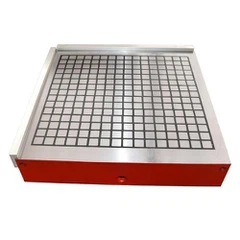
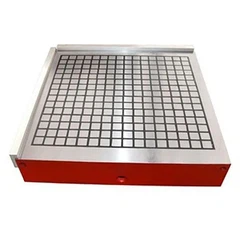
In industries such as mining, recycling, and food processing, ceramic magnets are employed in magnetic separators and filters. These magnets help to separate and purify materials by attracting and removing magnetic impurities or contaminants, ensuring product quality and integrity.
C. Loudspeakers and audio devices
The sound reproduction capabilities of ceramic magnets make them ideal for loudspeakers and audio devices. They enable the conversion of electrical signals into sound waves, providing clear and accurate audio output.
D. Magnetic therapy and healthcare
Ceramic magnets are also utilized in magnetic therapy and healthcare applications. Their magnetic fields can aid in pain relief, stimulate blood circulation, and promote healing in certain conditions.
E. Various consumer electronics applications
Ceramic magnets find their way into numerous consumer electronics devices, including smartphones, laptops, and televisions. They play a crucial role in various components, such as speakers, microphones, sensors, and motors, contributing to the functionality and performance of these devices.
Future Developments
A. Recent advancements in ceramic magnet technology
Research and development efforts continue to push the boundaries of ceramic magnet technology. Recent advancements focus on improving the magnetic properties, strength, and performance of ceramic magnets, as well as exploring new applications and manufacturing techniques.
B. Potential areas of improvement and research
Future research may focus on enhancing the magnetic strength of ceramic magnets without compromising their other advantageous properties. Additionally, efforts can be made to improve their corrosion resistance, increase their mechanical robustness, and explore more sustainable and environmentally friendly production methods.
C. Summary of the importance and versatility of ceramic magnets
Ceramic magnets have established themselves as a vital component in various industries and technologies. Their unique combination of properties, cost-effectiveness, and wide range of operating temperatures make them indispensable in applications ranging from electric motors to magnetic therapy. As advancements in magnet technology continue, ceramic magnets will continue to evolve and find new avenues for utilization, driving innovation and progress in various fields.
Safety Considerations and Handling Guidelines
Ceramic magnets, like any other powerful magnets, require careful handling to ensure both personal safety and the integrity of the magnets themselves. Understanding the precautions, safe storage practices, and regulatory requirements is essential. Let's delve into the safety considerations and guidelines associated with ceramic magnets.
A. Precautions for handling ceramic magnets
1. Avoid finger pinching: Ceramic magnets are strong and can attract to each other or other magnetic objects with great force. Exercise caution to prevent your fingers or other body parts from getting caught between magnets, as this can cause serious injuries.
2. Protective gear: When handling ceramic magnets, it is advisable to wear gloves to protect your hands from potential pinching or injuries. Additionally, safety goggles should be worn to protect your eyes from any magnet fragments that may chip or fly off during handling.
3. Keep away from electronic devices: Ceramic magnets can interfere with electronic devices such as pacemakers, credit cards, and computer hard drives. Keep them at a safe distance to avoid any potential damage or malfunctions.
4. Breakage prevention: Ceramic magnets are brittle and prone to breakage under high mechanical stress. Handle them with care, avoiding impacts or dropping, as this can cause fractures or splintering, leading to sharp edges or small fragments that can cause injuries.
B. Safe storage and transportation practices
1. Proper containment: When not in use, ceramic magnets should be stored in a container or designated magnetic storage solution. This prevents unintentional attraction to nearby objects and reduces the risk of accidents.
2. Separation and organization: To avoid accidental attraction or damage, it is advisable to separate ceramic magnets from each other, as well as from other magnetic materials. Use dividers, non-magnetic materials, or individual containers to keep magnets organized and safely stored.
3. Packaging for transportation: When transporting ceramic magnets, ensure they are packaged securely to prevent movement or shifting during transit. This reduces the risk of accidental attraction and damage to the magnets, as well as protecting the packaging from potential magnetization.

C. Regulatory requirements and guidelines
1. Compliance with local regulations: It is important to be aware of and adhere to any local regulations, guidelines, or restrictions related to the handling, storage, and transportation of magnets. Different countries or regions may have specific requirements to ensure safety and prevent any adverse effects on the environment or public health.
2. Material safety data sheets (MSDS): Ceramic magnet manufacturers typically provide MSDS, which contain important safety information, handling precautions, and emergency response guidelines. Familiarize yourself with the MSDS provided by the manufacturer and ensure compliance with the recommended safety practices.
3. Workplace safety protocols: If working with ceramic magnets in a professional setting, follow the established workplace safety protocols and guidelines. These may include mandatory training, equipment use, and emergency procedures to ensure the well-being of all employees and compliance with occupational safety standards.
By adhering to the recommended precautions, safe storage practices, and regulatory requirements, the risks associated with handling ceramic magnets can be minimized, ensuring both personal safety and the longevity of the magnets themselves.
Conclusion
In conclusion, ceramic magnets, composed of ferrite ceramics such as strontium ferrite and barium ferrite, offer a cost-effective and versatile solution for numerous applications. Their composition, manufacturing process, properties, advantages, and disadvantages have been explored, shedding light on the secrets behind their production and functionality. As we move forward, it is exciting to envision the future developments and possibilities that ceramic magnet technology holds, driving progress and innovation in diverse industries and technologies.