











If you're planning to add steps to your home or workplace, precast concrete steps are worth considering. They're strong, ready-made, and can be installed quickly without much hassle. Unlike poured-in-place concrete, precast steps are made in a factory and delivered to your site, which makes them consistent in quality and appearance.
You don't need to be an expert to see why so many people prefer this option. Whether you're replacing old steps or starting a new project, precast steps can save you time and trouble. In this guide, you'll learn what they are, how to install them, and how to avoid common mistakes.
What Are Precast Concrete Steps?
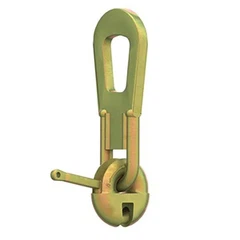
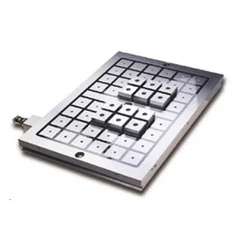
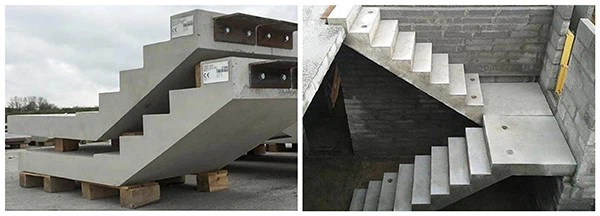
Precast concrete steps are stair units made off-site in a controlled factory setting, then delivered and installed at your home or building. Many precast steps are cast with lifting anchors built into the concrete so they can be safely lifted and positioned during transport and installation. Instead of pouring the concrete on-site and waiting for it to cure, these steps arrive ready to use. This speeds up the process and reduces the risk of weather-related delays or uneven finishes.

You can find precast steps in different sizes, shapes, and finishes to match your space. They often include built-in risers and treads, and some even come with integrated platforms or landings.
Tools and Materials Required for Precast Concrete Step Installation
Before installing precast concrete steps, it's important to have the right tools and materials ready. This ensures the job goes smoothly and safely from start to finish.
Here's a list of tools you'll likely need
Measuring Tape: To mark and check the proper position.
Shovel or Mini Excavator: for digging and leveling the ground.
Level: To make sure your base and steps are even.
Rubber Mallet: For light tapping during placement.
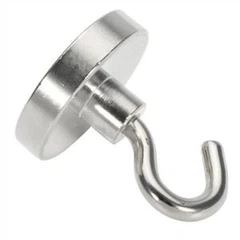
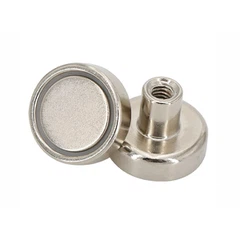
Lifting Clutch: For lifting and positioning the precast steps safely

Concrete Float or Trowel: If adjusting or patching the base.
Work Gloves and Safety Gear: to protect your hands and eyes.
String Line or Chalk Line: To align the steps correctly.
Crowbar or Pry Bar: To help adjust the steps into position if needed.
Materials Include
Gravel or Crushed Stone: For creating a stable base.
Concrete or Mortar: If setting the steps permanently.
Precast Concrete Steps: Ordered in the correct size and shape.
Shims: To help level the steps if the ground isn't perfectly flat.
Having these tools and supplies on hand makes your installation faster, cleaner, and more secure. Always double-check your list before starting to avoid delays.

Site Preparation for Installing Precast Concrete Steps
Before setting your precast concrete steps in place, you'll need to prepare the site carefully. A solid, level foundation is key to long-term stability and safety.
Start by removing any loose soil, grass, or debris from the area. Dig down to create a flat surface and check that it's level from front to back and side to side. Use a tamper or plate compactor to firmly pack the ground.
Next, lay a gravel base about 4 to 6 inches deep. This allows for drainage and helps support the weight of the steps. Use a level again to make sure the gravel surface is flat and evenly distributed.
If you're placing the steps against a building, check that the area around the wall is clean and dry. Mark the placement clearly with chalk or stakes and string.
Step-by-Step Guide to Precast Concrete Step Installation
Installing precast concrete steps isn't complicated, but it does require precision. Follow these steps to make sure the job gets done right.
Check the Base: Make sure your gravel base is firm and level. If needed, adjust and tamp it down again before moving on.
Position the Steps: Use a crane, forklift, or step dolly to lift the precast unit. Slowly lower the steps into place. Be careful not to shift the base.
Level and Align: Once in place, use a level to check both directions. Tap gently with a rubber mallet if small adjustments are needed.
Check for Gaps: Look for any open space under the step. You can backfill with gravel or use non-shrink grout to ensure full support.
Secure If Needed: In some cases, especially on sloped sites, you may need to anchor the steps to prevent movement.
Common Mistakes to Avoid During Precast Concrete Step Installation
Even simple projects can go sideways if you're not careful. When installing precast concrete steps, a few common errors can lead to long-term problems. Here's what to watch for.
Skipping Proper Base Preparation
Your steps are only as stable as what's underneath them. If you skip compacting the gravel base or don't level it properly, the steps may shift, tilt, or settle unevenly over time. Take the time to dig deep enough, use crushed stone, and tamp it down firmly.
Using the Wrong Tools
Precast steps are heavy. Don't try to muscle them into place without help. Using the wrong tools, or none at all, can lead to personal injury or cracked steps. Always use lifting straps, a dolly, or a skid steer when needed.
Failing to Check for Level
Once the step is placed, don't forget to check for level in all directions. A slight tilt may not seem like a significant issue at first, but it can lead to drainage problems, tripping hazards, or inadequate door clearance.
Overlooking Drainage
Water pooling around the step can erode the base, and freeze-thaw cycles can cause the step to shift. Always slope the surrounding area away from the steps and avoid blocking nearby drains.
Forgetting to Check Building Codes
Each area has its own rules about step height, railings, and distance from structures. If you skip this step, you might have to redo the whole thing later, or fail inspection.
Avoid these mistakes by planning, using the right tools, and slowing down at each stage. Doing it right the first time saves you a lot of effort later.
Maintenance Tips for Long-Lasting Precast Concrete Steps
Taking care of your precast concrete steps helps keep them looking good and working well for years. Maintenance isn't hard, but a little effort goes a long way.
Start by keeping the steps clean. Sweep away dirt, leaves, and debris regularly to prevent stains and slippery surfaces. If you notice stains, scrub gently with a mild detergent and water. Avoid harsh chemicals that can damage the concrete's surface.
Check for cracks or chips from time to time. Small cracks can be repaired with concrete patching products to stop them from getting worse. Don't ignore damage-it can grow and lead to more costly repairs.
Make sure water drains properly around your steps. Standing water can weaken the base and cause shifting or erosion. If you see puddles, adjust the surrounding landscape or add drainage solutions.
In colder climates, avoid using salt or chemical de-icers that might harm the concrete. Instead, use sand or kitty litter for traction during icy weather.
By following these simple steps, your precast concrete steps will stay safe and sturdy for a long time.
Applications of Precast Concrete Steps in Industrial and Commercial Projects
Precast concrete steps aren't just for homes. They're widely used in industrial and commercial settings because of their strength and durability.
Why Choose Precast Concrete Steps for Industrial and Commercial Use?
In factories, warehouses, and office buildings, heavy foot traffic is common. Precast steps can handle this wear and tear better than many other materials. They resist cracking and can support large weights without breaking down.

Here are some typical applications you might find:
Loading Docks and Warehouse Entrances: Steps here need to be tough and safe. Precast concrete provides a stable, non-slip surface.
Office Building Entryways: These steps can be designed to fit the building's style while offering durability.
Public Spaces and Parks: Where large crowds gather, precast steps can be installed quickly and withstand constant use.
Factories and Industrial Plants: Resistant to chemicals and harsh weather, these steps are low-maintenance and long-lasting.
If you're working on a commercial or industrial project, precast concrete steps can save you time and money while ensuring safety and reliability. They're a practical choice for tough environments.
Types of Precast Stair Units Available
Precast concrete stairs come in different types to fit a variety of needs. Knowing what options are available helps you pick the right one for your project.
Single-Flight Stairs
These are straight sets of steps that go from one level to another without any turns. They're simple and common for porches, patios, or small entrances.
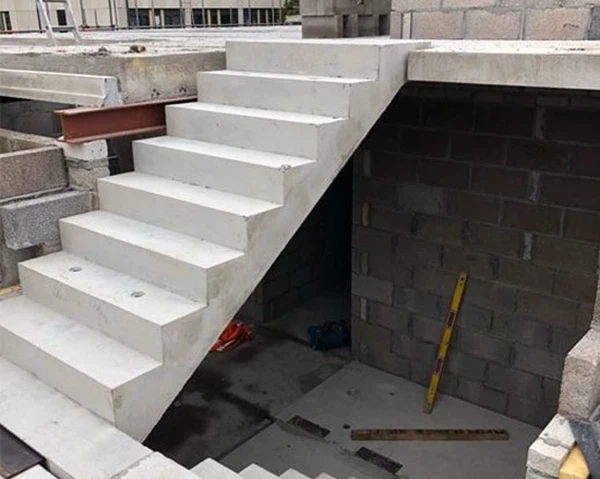
L-Shaped Stairs
These stairs have a landing where the direction changes 90 degrees. They are great when space is limited or you need to change direction in a stairway.
Shaped Stairs
These stairs include two flights with a landing in between, making a 180-degree turn. They are often used in commercial buildings or homes with limited space.
Curved or Spiral Stairs
Precast versions of these can add style and save space. They require careful planning but look great in entryways or special areas.
Stair Units with Integrated Landings
Stair units with integrated landings are precast stair sections that include a flat platform partway up the steps. This landing provides a safe place to rest, turn, or change direction. It's especially useful in longer staircases or where space requires a break in the flight.
Each type offers different advantages. Think about your space, usage, and style preferences when choosing the right precast stair unit for you.
Benefits of Precast Concrete Steps Over Traditional Steps
When deciding between precast concrete steps and traditional poured-in-place steps, you'll find that precast offers several clear advantages.
First, precast steps are made in a factory where conditions are controlled. This means the quality is more consistent than steps poured on-site, where weather and other factors can affect the finish and strength.
Second, installation is much faster. Since the steps arrive ready-made, you just need to prepare the base and set them in place. Traditional steps require building forms, pouring concrete, and waiting days for it to cure.
Here's a quick comparison:
|
Feature |
Precast Concrete Steps |
Traditional Concrete Steps |
|
Installation Speed |
Fast, usually in a day |
Slow, several days to cure |
|
Quality Control |
Factory-made, consistent |
Depends on site conditions |
|
Maintenance |
Low maintenance |
Can crack or chip over time |
|
Durability |
Highly durable and strong |
Durable but more prone to defects |
|
Cost |
Often cost-effective overall |
May be cheaper initially, but higher labor costs |
Choosing precast steps means less hassle, less wait time, and a product that stands the test of time. It's a practical choice for many projects.
Conclusion
Precast concrete steps offer a smart and reliable solution, whether you're upgrading an existing entry or building something new. They are strong, durable, and quick to install. Because they're made in controlled factory settings, you can expect consistent quality every time. That means fewer surprises and a better finished product.
When you install precast steps, you save time compared to pouring concrete on-site. Plus, they require less maintenance over the years. Remember to prepare your site properly and use the right tools. Taking care during installation helps your steps last longer and stay safe.