
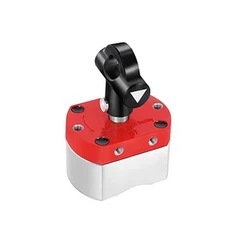

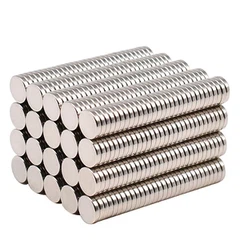
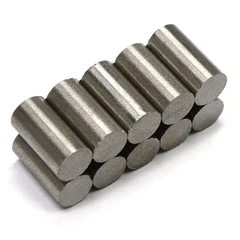
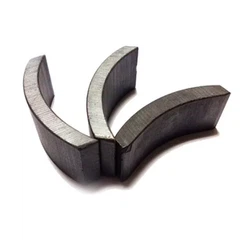







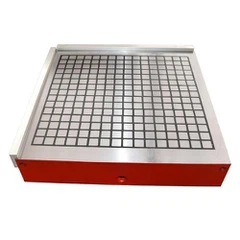
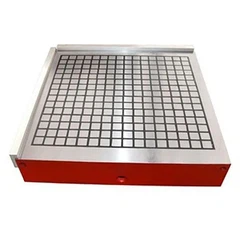
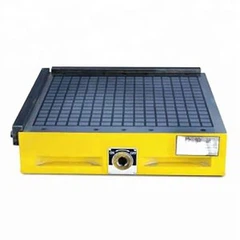
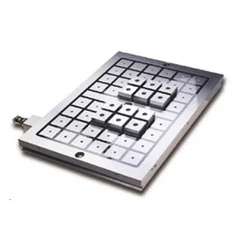


If you work with industrial production lines, you know how challenging it can be to handle thin sheets efficiently. Pneumatic Automated Fanner Magnets and Magnetic Sheet Separators help you separate and manage sheets quickly and accurately. In 2025, these systems will become essential for industries like steel, packaging, and electronics. By understanding how they work, you can improve workflow, reduce errors, and keep your production line running smoothly.
What Are Pneumatic Automated Sheet Magnets?
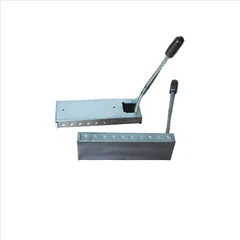
Pneumatic automated sheet magnets are machines that help you separate and organize thin sheets on industrial lines. You don't need to do it by hand, which saves time and reduces mistakes. They use air and magnets to lift and move sheets quickly, keeping your production line running smoothly.
Working Principle of Air-Actuated Sheet Fanners
The system works with compressed air and magnets. When you turn it on, the air pushes the sheets while the magnets keep them in order. Sheets are separated and moved automatically, one after another. You can adjust the air and timing to fit different sheet types and thicknesses. This makes your line faster and more efficient without a complicated setup.
Understanding Magnetic Sheet Separators
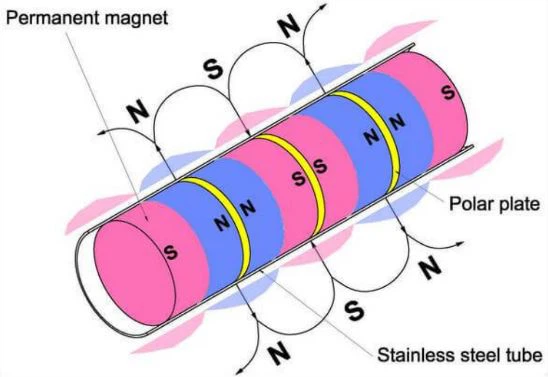
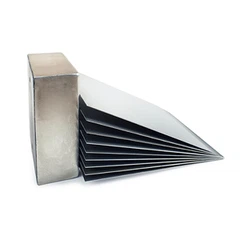
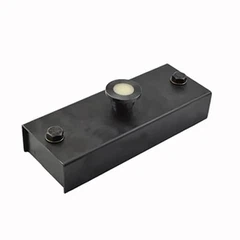
Permanent magnet sheet separators are tools you can use to separate and organize thin sheets on your production line using magnetic force. They help prevent sheets from sticking together and make handling faster and more reliable. You'll find them useful in industries like metal processing, paper, and packaging.

Working Principle of Magnetic Sheet Fanners
These separators use magnets to attract and hold metal sheets while keeping them separate from each other. When sheets pass through the system, the magnetic field lifts or moves them automatically, so you don't have to handle each sheet manually. You can adjust the system to work with different sheet sizes and thicknesses, making your line smoother and reducing mistakes.
The Difference Between Pneumatic Automated Sheet Magnets & Magnetic Sheet Separators
|
Feature |
Pneumatic Automated Sheet Magnets |
Magnetic Sheet Separators |
|
Main Function |
Separates and lifts sheets using air and magnets |
Separates sheets using magnetic force |
|
Key Technology |
Combines pneumatic air pressure and magnetic field |
Uses only magnetic force to separate sheets |
|
Speed |
High-speed operation for continuous handling |
Generally slower compared to pneumatic systems |
|
Applications |
Ideal for fast-paced production lines |
Best for handling metal or magnetic sheets |
|
Adjustability |
Air pressure and timing can be adjusted |
Magnetic force strength can be adjusted |
|
Efficiency |
High efficiency in mixed material environments |
More suited for uniform, metal-based materials |
Air Actuated Sheet Magnets: Features and Advantages
Air-actuated sheet fanners are essential tools that help you separate thin sheets quickly and efficiently using compressed air. They are designed to improve workflow by reducing manual handling and increasing speed in production lines.
Key Features of Air-Actuated Sheet Magnets
Air-Powered Operation: These fanners use air pressure to lift and move sheets, making them fast and precise.
Adjustable Settings: You can customize air pressure and timing to suit different sheet types and sizes.
Minimal Maintenance: With fewer moving parts, these systems are easy to maintain, reducing downtime.
Advantages of Using Air-Actuated Sheet Magnets
Faster Processing: They separate sheets much faster than manual methods, speeding up your production.
Reduced Handling Errors: Since the system is automated, the chance of mishandling sheets is much lower.
Increased Productivity: By handling sheets automatically, you free up workers for more important tasks, boosting overall efficiency.
Industrial Applications of Pneumatic Sheet Magnets & Sheet Magnets Separators
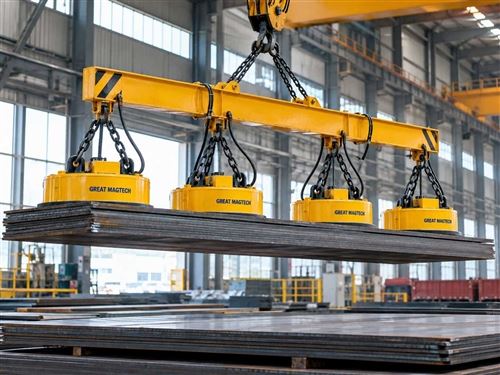
Pneumatic fanner magnets and magnetic sheet separators are widely used in industries where metal sheets must be handled efficiently and safely. You'll often find them in automated lines where speed, accuracy, and consistency are key to production quality.
Metal Stamping and Press Lines
In stamping plants, these systems help separate stacked steel sheets before they enter the press. By ensuring each sheet feeds individually, you can prevent double-sheet errors and avoid tool damage. The result is a smoother and more reliable stamping process.
Automotive Manufacturing
Automotive assembly lines often use fanner magnets to handle car body panels, door skins, and other metal components. Pneumatic control allows for precise timing, helping you maintain consistent material flow and reduce downtime during high-volume production.
Sheet Metal Fabrication
In fabrication shops, magnetic sheet separators simplify the process of picking and feeding thin metal sheets into cutting or bending machines. This not only saves time but also reduces the risk of injury caused by manual separation of oily or sharp-edged sheets.
Appliance and Packaging Industries
You can also see these systems used in appliance manufacturing, where stainless or coated steel sheets are handled daily, as well as in packaging lines that rely on smooth, automated material flow. Their pneumatic actuation ensures stable and repeatable sheet handling in fast-paced environments.
Pneumatic Automated Sheet Magnet in Action
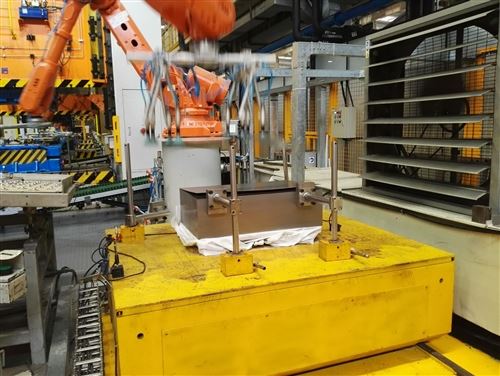
When you see a pneumatic automated fanner magnet in operation, it's clear how much faster and easier your work can become. The system uses air pressure to separate each sheet quickly and efficiently, ensuring smooth handling. You can adjust the settings to match different materials and thicknesses, making it ideal for high-speed production lines.
Watch this demonstration of our Pneumatic Sheet Separator in action! See how thin sheets are efficiently separated and handled using air-actuated fanners.
Choosing the Right Pneumatic Automated Sheet Magnet
Selecting the right air-actuated magnetic sheet fanners for your production line is crucial to ensure smooth operation and efficiency. With so many options available, it's important to consider several factors before making your decision.
Sheet Material and Thickness
Different materials, like metal, plastic, or paper, require different magnetic strengths and air pressure settings. Consider the thickness of the sheets you're working with and choose equipment that can handle your specific needs without causing damage.
Production Speed
If your production line operates at high speeds, you'll need a fanner magnet system that can keep up. Check for systems with adjustable air pressure and fast response times to ensure seamless integration into your workflow.
Size and Capacity
The size of the sheets and the volume you handle will impact the type of fanner system you need. Be sure to select equipment that can handle your sheet sizes and the quantity of sheets processed daily.
Ease of Maintenance
Look for equipment that is easy to maintain and repair. Systems with fewer moving parts are often more durable and require less downtime for maintenance, which is key to keeping your production line running smoothly.
Maintenance and Best Practices
Proper maintenance of your pneumatic automated sheet magnets ensures they work efficiently and last longer. By following a few simple best practices, you can keep your production line running smoothly and reduce the risk of equipment downtime.
Regular Cleaning
Dust, dirt, and metal particles can build up on the fanner magnets and interfere with their performance. You should clean the magnetic surfaces and air cylinders regularly to maintain consistent sheet separation.
Inspect Air Lines and Connections
Check air hoses and connections frequently for leaks or damage. Proper air pressure is critical for accurate sheet handling, and worn or leaking components can slow down your line or cause errors.
Check Moving Parts
Inspect moving parts like sliders, pistons, and magnetic holders for wear. Lubricate where necessary, and replace worn components promptly to avoid unexpected breakdowns.
Follow Manufacturer Guidelines
Always refer to the equipment manual for specific maintenance schedules and procedures. Following recommended practices helps prevent costly repairs and ensures safe operation.
Train Operators
Ensure that anyone using the equipment understands proper operation and maintenance procedures. Proper handling reduces errors and extends the life of your fanner system.
FAQs
Q: Can pneumatic sheet magnets handle non-metal materials?
A: Yes, but with limitations. The pneumatic (air) system can help separate lightweight non-metal sheets like plastic or paper, but the magnetic component only works on ferrous materials. For fully non-metal applications, you should rely more on air-based separation design.
Q: Can these systems be integrated into existing automated lines?
A: Yes. Most pneumatic sheet magnets and separators are designed for easy integration. They can be connected with PLC systems, sensors, and robotic arms to fit into your current workflow without major redesign.
Q: What are common signs that the system needs adjustment?
A: Watch for issues like inconsistent sheet spacing, double-sheet feeding, or unstable movement. These usually indicate that air pressure, timing, or magnetic strength needs fine-tuning.
Q: Can the system work continuously in 24/7 production environments?
A: Yes. These systems are designed for continuous industrial use. With proper setup and routine checks, they can run reliably in high-duty cycles without frequent shutdowns.
Q: How do environmental conditions affect performance?
A: Harsh environments-like high humidity, dust, or extreme temperatures-can affect air systems and magnetic performance. Using proper filtration and protective covers helps maintain stable operation.
Q: What is the typical lifespan of these systems?
A: With proper maintenance, pneumatic sheet magnets and separators can last for many years. Key components like air cylinders or seals may need periodic replacement, but the overall system is highly durable.
Q: Can pneumatic sheet magnets be customized for my production line?
A: Yes. Most systems are designed for customization. You can tailor dimensions, mounting structure, air layout, and magnetic strength to match your exact line setup and material handling needs.
Q: Can different magnetic strengths be customized?
A: Yes. Magnetic force can be adjusted based on your sheet thickness and material type. This ensures reliable separation without damaging thin or sensitive sheets.
Conclusion
In today's fast-paced industrial environments, pneumatic automated sheet magnets and magnetic sheet separators play a key role in ensuring smooth, error-free sheet handling. By using air pressure and magnetic force, these systems separate and organize materials efficiently, reducing manual labor and improving accuracy. Choosing the right equipment based on sheet type, thickness, and production speed is crucial for optimal performance. Regular maintenance, like cleaning and inspecting air lines, ensures that the system runs reliably without costly downtime. By following these best practices, you can enhance productivity, minimize errors, and keep your production line operating at its best.