















Have you ever tried to stick a magnet to a piece of aluminum and noticed it doesn't cling the way it does to steel? That small experiment often raises big questions. Magnets are a part of everyday life, from fridge doors to headphones, but not all metals react to them in the same way.
In this guide, you'll learn why aluminum behaves differently and what really happens when magnets and aluminum interact. By the end, you'll understand not only whether magnets stick to aluminum but also why it matters in both daily use and industry.

What Is a Magnet?
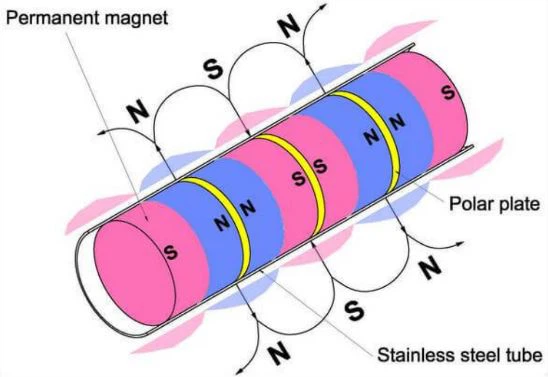
A magnet is a special material that produces an invisible force called a magnetic field. This magnetic field can pull or push certain metals, most commonly iron, nickel, and cobalt. When you bring a magnet near these metals, they become strongly attracted due to the way their atoms are arranged.
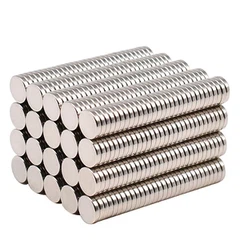
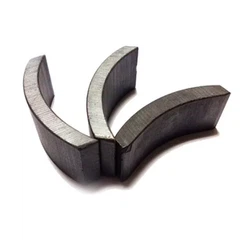
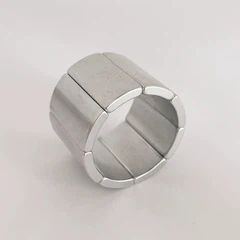
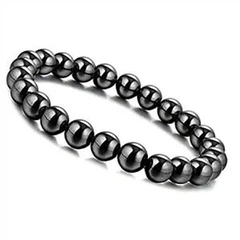
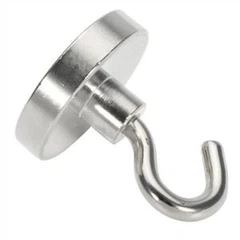
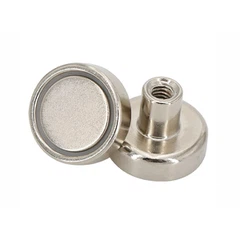
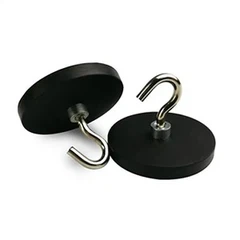
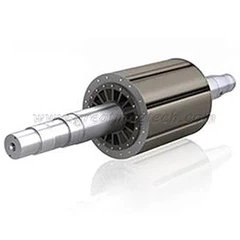
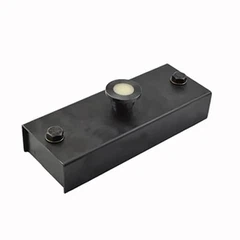
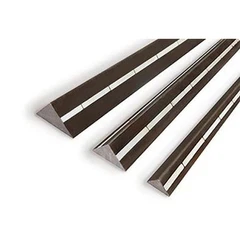
You're probably most familiar with simple bar magnets or refrigerator magnets, but magnets come in many forms. Some are natural, like lodestone, while others are artificially created from metals and alloys. For example, powerful neodymium magnets are commonly used in electronics, motors, and even medical devices.
In short, a magnet is more than just a piece of metal; it's an object that has either an attractive or repulsive force, depending on the material it's near.

What Is Aluminum?
Aluminum is a lightweight metal found in nearly every aspect of everyday life. From soda cans and kitchen foil to airplanes and bicycles, its value lies in its durability and ease of shaping. Unlike heavier metals like steel, aluminum does not rust, making it ideal for outdoor and long-term use.
Chemically, aluminum is considered a non-ferrous metal. This means it does not contain iron, a crucial consideration when discussing magnets. Because magnets are most attracted to iron and iron-based alloys, aluminum reacts differently when near these alloys.
Thus, while aluminum is one of the world's most practical and widely used metals, its relationship with magnets is more complex than you might think.

Understanding Magnetism and Metals
Magnets and metals have a unique relationship, but not all metals react the same way. To understand why, it's important to understand how magnets actually work and which metals have a strong attraction and which don't.
How Magnets Work
Magnets work by generating a magnetic field around them. This invisible field originates from the movement of electrons within the material. When many atoms align in the same direction, the magnetic force is strong enough to pull or push certain metals. You may have noticed that refrigerator magnets easily stick to steel surfaces.

Metals Attracted by Magnets
Now that you understand the basics of how magnets work, it's easier to understand why certain metals are attracted to them. These metals are called ferromagnetic metals. The most common examples are:
Iron: The strongest and most common metal with the strongest magnetism.
Nickel: Used in coins, batteries, and coatings.
Cobalt: Used in tools and high-performance alloys. These metals have a strong attraction to magnets and are often used to make magnetic objects.
Non-Magnetic Metals
On the other hand, many metals behave differently. Some metals, such as aluminum, copper, gold, and silver, have no magnetism at all. These metals are called nonferrous metals because they don't contain iron. Even if they don't react to magnetic fields as they normally would, they still have other valuable properties, such as being lightweight, resistant to rust, or being good electrical conductors.
Do Magnets Stick to Aluminum?
If you take an ordinary magnet and press it against a piece of aluminum, practically nothing happens. It doesn't attract like it attracts steel or iron. This is because aluminum isn't a ferromagnetic metal, so it doesn't have the atomic structure necessary for magnets to attract.
But that doesn't mean magnets and aluminum never interact. In some cases, such as when a strong magnet is brought very quickly close to aluminum, you'll see unusual effects, such as drag or slowdown. This is because an electric current is generated within the aluminum, not because the aluminum itself is magnetic.
So, while magnets don't "attract" aluminum, the relationship is more interesting than it might seem at first glance, as we'll explore in the next section.
When Magnets Can Affect Aluminum
Even though magnets don't stick to aluminum in the usual sense, that doesn't mean the two never interact. Under certain conditions, strong magnets can have surprising effects on this lightweight metal.
Why Aluminum Is Non-Magnetic
Aluminum is considered a non-magnetic, or paramagnetic, metal. Its atoms don't line up in a way that creates a lasting magnetic field. That's why a bar magnet won't cling to it. At the atomic level, the electrons in aluminum cancel each other out, leaving no strong attraction to magnets.
Induced Currents and Eddy Effects
Things change when a magnet moves quickly past a piece of aluminum. The movement of the magnetic field through the metal causes tiny electric currents, known as eddy currents. These currents flow inside the aluminum and create their own magnetic fields, which push back against the moving magnet. Instead of sticking, the magnet feels resistance or slows down. This effect is widely used in technology, such as in braking systems for roller coasters or trains.
Practical Demonstrations
You can try this at home with a strong neodymium magnet and a thick aluminum tube. Drop the magnet through the tube, and instead of falling fast, it will drift slowly to the bottom. What you're seeing is the eddy current effect in action, a clear example of how magnets can influence aluminum without actually sticking to it.

Aluminum vs Other Metals: Magnetic Comparison
It's easier to understand aluminum's behavior with magnets when you compare it side by side with other common metals. The table below shows how different metals react to magnets and what makes them unique.
|
Metal |
Magnetic |
Why It Reacts (or Doesn't) |
Common Uses You'll Recognize |
|
Aluminum |
No |
Non-ferrous atoms don't align magnetically |
Foil, cans, airplanes, bikes |
|
Iron |
Yes |
Strongly ferromagnetic; atoms line up easily |
Construction beams, tools, and car parts |
|
Steel (iron-based) |
Yes (depends on type) |
Most steels contain iron, making them magnetic |
Appliances, nails, bridges |
|
Nickel |
Yes |
Ferromagnetic; strong pull to magnets |
Coins, batteries, electronics |
|
Cobalt |
Yes |
Ferromagnetic; keeps magnetism well |
Magnets, high-strength alloys |
|
Copper |
No |
Non-ferrous, no lasting magnetic field |
Wiring, plumbing, electronics |
|
Gold |
No |
Atoms don't align with magnets |
Jewelry, electronics, and connectors |
|
Silver |
No |
Non-magnetic but highly conductive |
Jewelry, electronics, mirrors |
How to Test if a Metal is Magnetic at Home
Not sure whether a piece of metal is magnetic? You don't need special lab tools. With a few simple items around your house, you can find out quickly.
Step 1: Grab a Magnet
Start with any basic magnet, like one from your fridge. A strong magnet will give you clearer results, but even small ones work.
Step 2: Hold It Against the Metal
Gently place the magnet against the surface of the metal.
If it sticks right away, the metal is magnetic.
If it doesn't, the metal is non-magnetic.
Step 3: Try Different Spots
Some objects have coatings or mixed materials. Test more than one spot so you know for sure.
Step 4: Compare with Known Metals
Keep a small piece of steel, aluminum, or copper nearby for reference. This helps you learn how each reacts.
Testing metals at home is quick and safe. With just a magnet and a little curiosity, you can figure out whether the metal in your hands belongs to the magnetic family or not.
Practical Applications and Safety Tips
Magnets and aluminum interact in interesting ways, and these effects are put to use in both industry and daily life. Understanding these uses also helps you stay safe when handling metals around magnets.
Industrial and Engineering Applications
In factories and labs, magnets and aluminum play an important role together. Even though aluminum isn't magnetic, it reacts with moving magnetic fields through eddy currents. This is why:
Aluminum is used in high-speed trains for magnetic braking systems.
Recycling plants rely on eddy current separators to sort aluminum from other materials.
Electrical engineering uses aluminum in wiring and motor parts, where lightweight and conductive materials are needed.
These applications show how non-magnetic metals can still be vital when combined with magnet technology.
Everyday Uses and Safety Tips
You also see this interaction in simpler ways at home or in your neighborhood. Aluminum pans don't stick to fridge magnets, but aluminum bike rims and appliances may still feel magnetic effects when moving near strong fields.
When handling magnets and aluminum:
Keep powerful magnets away from electronics or credit cards.
Avoid letting children play with strong magnets unsupervised.
Wear gloves if you're working with magnets in a shop or garage.
By paying attention to both applications and safety, you can better appreciate how magnets and aluminum shape technology and daily life.
FAQs
Q: Are all types of aluminum non-magnetic?
A: Generally, yes. Standard aluminum and most aluminum alloys are non-magnetic. Some specialty alloys with tiny amounts of magnetic metals might show weak attraction, but this is rare.
Q: Are there safety concerns when using magnets near aluminum?
A: Aluminum is safe to touch with magnets. The main caution is when using very strong magnets, which can pinch skin or damage electronics if handled carelessly.
Q: Why doesn't aluminum rust when near magnets?
A: Aluminum naturally forms a thin oxide layer that protects it from corrosion. Magnets don't affect this property, making aluminum durable in many applications.
Conclusion
Now you know that magnets do not stick to aluminum in the way they do to iron or steel. Aluminum is a non-magnetic, lightweight metal, but it can still interact with moving magnets through eddy currents. This creates fascinating effects that are useful in both industry and everyday life.
Understanding how magnets and metals interact helps you make sense of why some materials are attracted to magnets while others are not. It also gives you practical knowledge for testing metals at home, using magnets safely, and recognizing the real-world applications of aluminum.
So next time you try a magnet on aluminum, remember: it won't cling, but the story doesn't end there. With a little curiosity, you can explore the surprising ways these two materials influence each other.