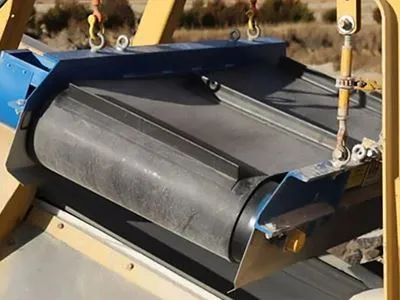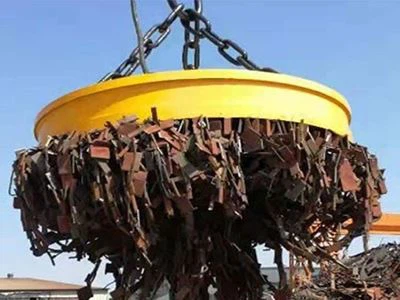









Plastic lines look clean, but you know how fast metal shows up. It can come from worn screws, grinders, broken blades, or even a stray fastener in regrind. One small piece is enough to damage equipment or turn a good batch into scrap.
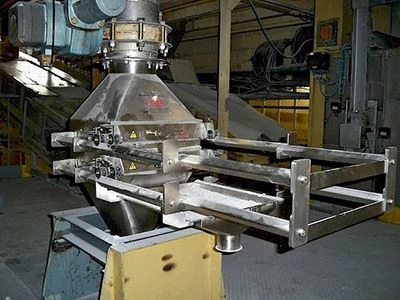
That's why drawer magnets matter in the plastic industry. They sit under hoppers or in gravity-fed points and pull metal out before it reaches sensitive parts of your process.
Here's the catch: not every drawer magnet fits every line. Pellets, powder, and regrind flow differently. Throughput, space, and how often you can clean the unit all change what "best" means.
In this guide, you'll learn how to choose the right drawer magnet type for your material and your production reality.
Why Do Plastics Need Specific Drawer Magnet Features
Plastics don't behave like rocks or grain. Pellets roll and bounce. Powder can bridge and pack. Regrind is uneven and often dusty. That's why a drawer magnet that works fine in one line can struggle in another. The housing design, bar layout, and clearance all affect how well metal is captured without slowing your flow.

Your contamination risk is also different. In plastics, you're often dealing with small metal fines from wear, not just big tramp pieces. Those fines can slip through if the magnetic bars are spaced incorrectly or the capture area is too short. And if you run recycled resin, the metal risk usually goes up.
Cleaning is the other big factor. A drawer magnet only protects your process when it's actually clean.
So the best drawer magnet for plastics usually needs:
Stable flow with low bridging risk.
Strong capture for fine metal particles.
A cleaning method your team will keep up with.
A housing that fits your hopper and throughput.
Types of drawer magnets for the plastic industry
Not all plastic lines need the same drawer magnet setup. The "best" choice depends on your material form (pellets, powder, regrind), how often metal shows up, and how much downtime you can accept for cleaning.

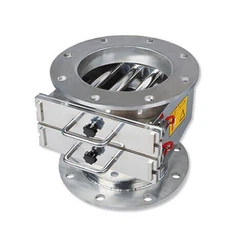
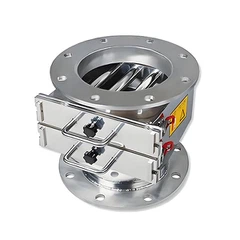
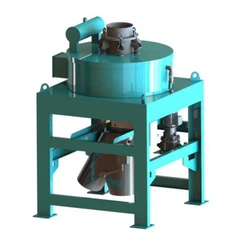
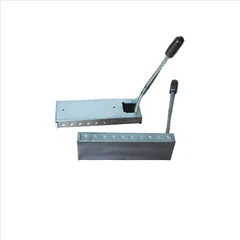
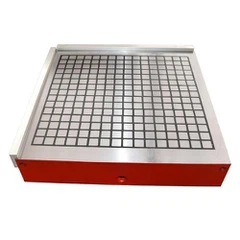
N Style Magnetic Drawer
Send Inquiry Now

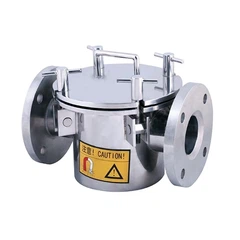
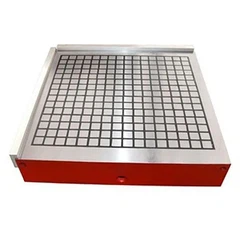
E Style Magnetic Drawer
Send Inquiry Now

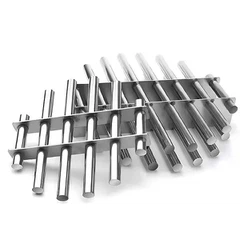
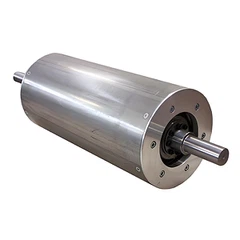
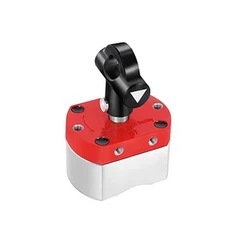
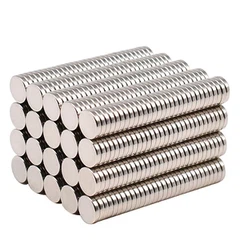
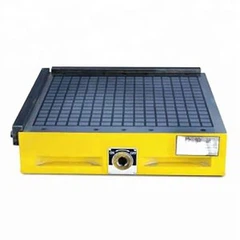
Drawer Magnets
Send Inquiry Now

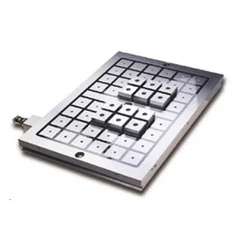
Magnetic Drawer
Send Inquiry Now
Manual-Clean Drawer Magnet
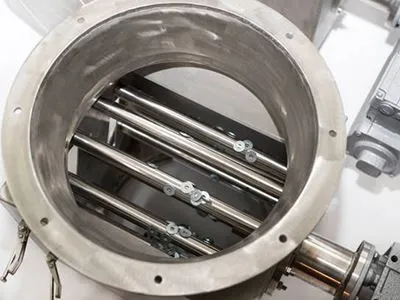
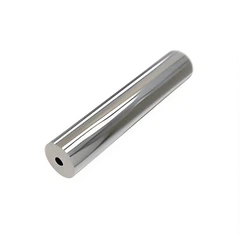
This is the standard option you'll see under hoppers and gravity chutes. Inside the housing, magnetic bars sit in one or more drawers and pull ferrous bits out of pellets, powder, or regrind. You stop the line, slide the drawers out, and wipe off the captured metal.
Best fit: virgin pellets or stable lines that you can schedule cleanouts for.
Quick-Clean Drawer Magnet
If you like the simplicity of manual cleaning but want faster, easier cleanouts, a quick-clean design is the next step. Many use sleeves or a stripping feature, so metal comes off the bars with less wiping. That matters when your team needs to clean often, especially on dusty regrind.
Best fit: higher-throughput plants that still prefer manual systems.
Pneumatic Drawer Magnet
When stopping the line is expensive, the cleaning method becomes the deciding factor. A pneumatic drawer magnet adds air-driven movement or automated cleaning action to remove captured metal more consistently than manual wiping. You still need routine checks, but you reduce missed cleanings.
Best fit: recycled resin, regrind, or lines with frequent metal findings.
Multi-Row / High-Capture Drawer Magnet
If contamination risk is high, you may need more than one capture stage. Multi-row designs add extra drawers or rows of bars, giving metal fines more chances to get trapped. The trade-off is flow restriction if the housing is undersized.
Best fit: regrind, recycled plastics, powder blends, and high-risk streams.
High-Temperature Drawer Magnet
Finally, don't forget the environment around the magnet. If the unit sits near dryers or hot feed zones, heat can reduce magnetic performance over time. A high-temperature drawer magnet is designed to remain stable under those conditions-no guesswork required.
Best fit: lines with sustained elevated temperatures at the magnet location.
Key Buying Considerations
| Buying Factor | Why It Matters | Best Practice / Recommended Approach |
| Material Form (pellets / Powder / Regrind) | bridging risk and capture efficiency. | Powder and regrind usually need more clearance and stronger capture stages. |
| Contamination Level (Virgin vs. Recycled) | Recycled and regrind streams typically carry more metal fines and random tramp. | Use multi-row or pneumatic/self-cleaning designs for higher-risk lines. |
| Target Contaminant Type | Large tramp pieces and fine wear particles behave differently. | If fines are common, choose higher-capture layouts and avoid wide bar spacing that lets fines slip through. |
| Throughput (kg/h or t/h) | Undersized housings restrict flow and create hang-ups. | Size the drawer magnet for the real peak rate, not the average. Leave a safety margin to prevent bridging. |
| Installation Point (hopper/Chute/Vacuum Conveying Drop) | Location decides what you catch and what you miss. | Place it before sensitive equipment (extruder, screen changer) and after high-risk steps (grinder, blender, recycler feed). |
| Cleaning Method & Frequency | A drawer magnet only protects you when it's clean. | Choose a cleaning style your team will follow: manual for scheduled stops, quick-clean for frequent wipes, pneumatic for uptime. |
| Number of Rows / Drawers | More stages can improve capture, but can also add restrictions. | Use single-stage for cleaner pellet lines; use 2–4 stage for regrind/recycled/powder-then increase housing size to keep flow stable. |
| Magnet Strength & Bar Design | Strong capture matters most for fine metal. | Specify bar diameter/length and magnetic strength suited to your material depth and particle size. Avoid "strongest only" thinking. |
| Housing Material & Finish | Dust, abrasion, and cleaning chemicals affect durability. | Use stainless steel housings for durability and easier cleaning; choose the finish that matches your housekeeping standards. |
| Temperature Near the Unit | Heat can reduce magnetic performance over time. | Only choose high-temperature magnets if the real operating area stays hot (near dryers or hot feed zones). |
| Access and Safety for Maintenance | Poor access leads to skipped cleanouts. | Confirm you have space to pull drawers safely and set a simple cleanout routine your operators can follow. |
| OEM Documentation & Fit-up | Wrong dimensions cause rework and delays. | Request drawings/CAD, inlet/outlet sizes, and a clear installation note before ordering. Include a basic acceptance checklist. |
Benefits of Using the Right Drawer Magnet in Plastics
Once you match the drawer magnet to your material and your line conditions, the payoff shows up in simple, everyday ways.

Cleaner Material, Less Scrap
When your drawer magnet fits your pellets, powder, or regrind, it catches metal before it turns into a quality problem. That means fewer black specks, fewer rejected parts, and fewer "surprise" defects that only appear after hours of running.
Better Protection for the Equipment You Rely On
Product quality is only half the story. The other half is equipment protection. A well-sized drawer magnet helps stop ferrous contamination before it reaches grinders, screws, and screen packs. You spend less time dealing with jams, damaged parts, and unplanned stops.
Smoother Shifts and Easier Maintenance
The last benefit is the one your operators feel most.
If cleaning is fast and safe, it actually gets done on time. Performance stays steady instead of fading over the week.
Here are a few day-to-day wins you'll notice:
Fewer line interruptions caused by metal contamination.
More stable flow with less bridging or hang-ups.
Quicker cleanouts, especially on dusty regrind.
More predictable maintenance instead of last-minute fixes.
Common mistakes to avoid
Most drawer magnet problems in plastics come from small decisions that feel "close enough" at the time. They usually show up later as scrap, clogs, or extra maintenance.
Picking the Wrong Housing Size
You might choose a compact unit to save space, then wonder why pellets hang up or powder starts to bridge. If the housing is too small for your real throughput, the flow becomes uneven. And uneven flow means uneven capture.
Buying By Magnet Strength Only
It's tempting to chase the highest Gauss number. But in plastics, flow matters just as much. If the housing is undersized or the bar layout doesn't fit your material, pellets can hang up, and powder can bridge. You end up with slow flow and missed capture at the same time.
Treating Pellets, Powder, and Regrind the Same
These materials behave very differently. Regrind is uneven and can carry more fines. Powder can pack and choke a tight opening. If you use a one-size setup, you'll either restrict throughput or let metal slip through.
Underestimating Metal Fines
In plastics, contamination isn't always big, tramp pieces. It's often tiny wear particles from grinders, screws, or recycled feed. If you only design for "big metal," you can still end up with defects and black specks.
Installing It Where the Flow Isn't Stable
A drawer magnet works best when material falls evenly through it. If you mount it in a spot with surging feed or poor distribution, you'll get dead zones-and metal can pass through untouched.
FAQs
Q: What information should you provide for an OEM quote?
A: Share your material type (pellet/powder/regrind), throughput, and contamination level (virgin vs recycled). Add installation details like hopper opening size, available height, and whether you need quick access for cleaning. With these basics, the recommended drawer configuration becomes much more accurate.
Q: How do you know if your drawer magnet is working properly?
A: Check what you collect during cleaning and whether the amount changes over time. Watch for signs like more black specks, screen pack plugging, or unexpected wear on screws. If those increase, your feed conditions may have changed-or your magnet may be overloaded.
Q: How many times should you "stage" the capture for recycled plastics?
A: If metal fines show up often, one stage can be risky. Two to four capture stages (multi-row) usually give you better control, especially with regrind and recycled pellets. The trade-off is flow restriction, so you may need a larger housing to keep the line stable.
Q: Do you need food-grade construction for plastics?
A: Not always, but it depends on your product and customer requirements. If you supply packaging, medical, or clean-room-grade materials, you may need higher finish levels and stricter documentation. For general industrial plastics, standard stainless construction and a practical cleaning plan are often enough.
Conclusion
The best drawer magnet for the plastic industry isn't one specific model. It's the one that fits your material and the way your line actually runs. If you process clean, consistent pellets and you can stop for routine cleanouts, a manual-clean or quick-clean drawer magnet is usually enough. If you run recycled resin, regrind, or dusty blends, a multi-row design gives you more capture stages. And when downtime is expensive, pneumatic self-cleaning becomes the safer choice.
Keep it simple: match the magnet to your risk level, your throughput, and your cleaning reality.
If you're comparing options, gather a few basics: material form (pellet/powder/regrind), peak throughput, installation opening size, and how often you can clean. Share that with Great Magtech, and we can recommend a practical drawer configuration and housing size for your OEM project.