










When you use a drawer magnet in your process, cleaning is part of the job. The real question is how often you need to do it-and how much time it takes each time. If your production runs in batches with low contamination, a manual drawer magnet may be enough. You stop the line, pull out the drawer, clean the tubes, and continue. It is simple, and in some cases, that is all you need.
But things change when your process becomes continuous. Or when cleaning is required more frequently. Stopping production again and again starts to affect efficiency. It also depends heavily on how consistently the cleaning is done. This is where automatic (pneumatic) drawer magnets come into the picture.
They do not change what the magnet does. They change how the system is maintained.
What Is a Drawer Magnet?
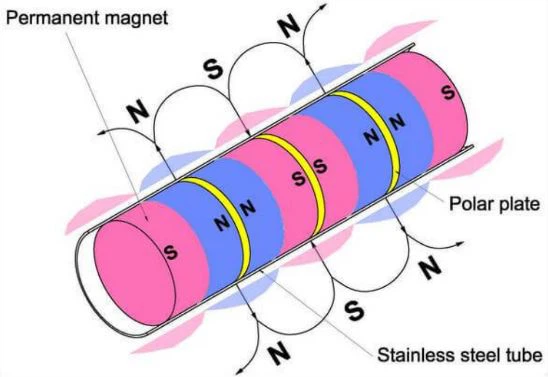
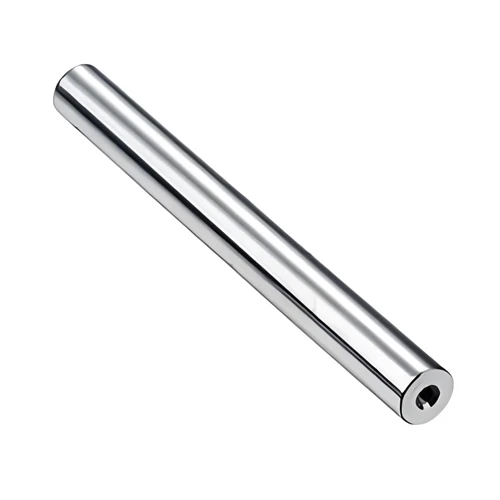
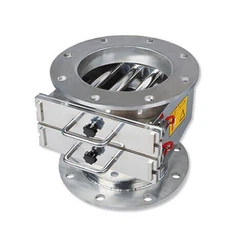
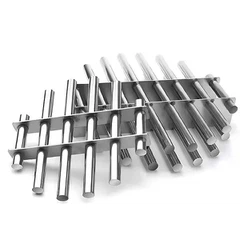
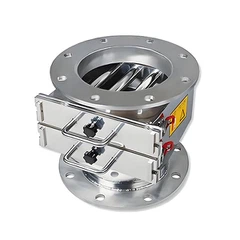
A drawer magnet is a type of magnetic separator used to remove metal contamination from dry materials such as powders, grains, or granules. You will usually find it installed in gravity-fed systems where material flows through a housing. Inside the unit, rows of magnetic tubes are fixed within a drawer frame. As material passes through these tubes, they capture ferrous particles from the flow.

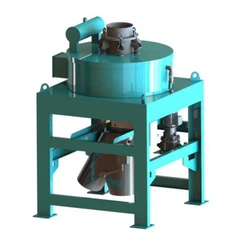
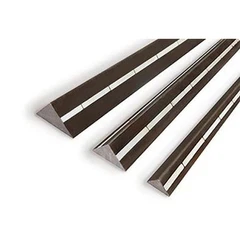
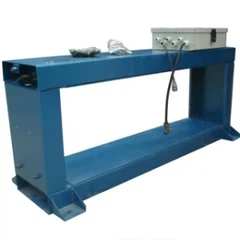
N Style Magnetic Drawer
Send Inquiry Now

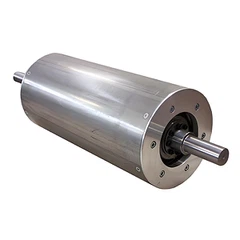
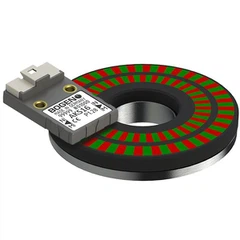
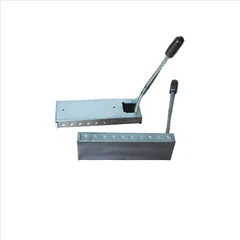
E Style Magnetic Drawer
Send Inquiry Now

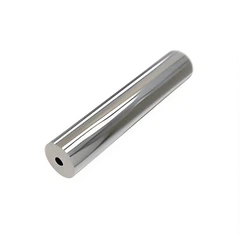
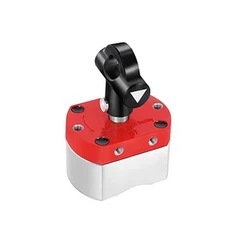
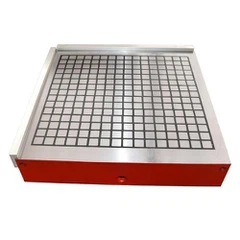
Drawer Magnets
Send Inquiry Now

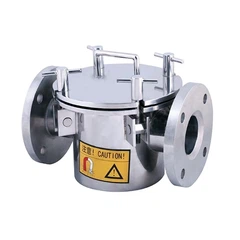
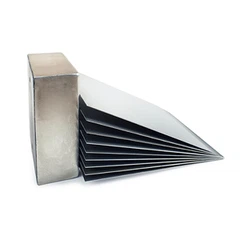
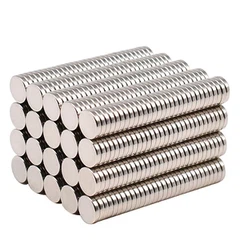
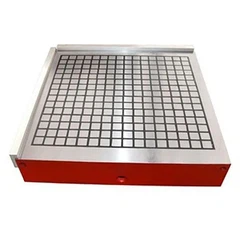
Magnetic Drawer
Send Inquiry Now
Cleaning is done manually. You pull out the drawer, remove the collected metal from the tubes, and place it back into position. This type of design is often used when cleaning is not required very often, and the process remains relatively stable.
What Is an Pneumatic Drawer Magnet?
A pneumatic drawer magnet is a magnetic separator designed to remove metal contamination while simplifying the cleaning process. Like a manual drawer magnet, it is used in systems where powders or granules flow through a housing. The difference lies in how it is cleaned. Instead of pulling out the drawer by hand, a pneumatic system moves the magnetic tubes during the cleaning cycle. As the tubes pass through wiper seals, the collected metal is stripped away.
You do not need to stop the process or handle the tubes directly. This makes the system more suitable for operations where cleaning is frequent or production runs continuously.
Key Differences Between Automatic and Manual Drawer Magnets
|
Factor |
Automatic (Pneumatic) Drawer Magnet |
Manual Drawer Magnet |
|
Cleaning Method |
The pneumatic system moves tubes and removes metal automatically |
The drawer is pulled out and cleaned by hand |
|
Production Downtime |
Minimal cleaning can be done without stopping the line |
Requires stopping the process for cleaning |
|
Labor Requirement |
Low, less operator involvement |
High, depending on manual work |
|
Cleaning Consistency |
More consistent and repeatable |
Varies depending on the operator |
|
Efficiency |
Suitable for continuous and high-volume production |
Better for low-volume or batch processes |
|
Hygiene Level |
Reduced contact, more controlled environment |
Direct handling may increase contamination risk |
|
System Complexity |
More complex, includes pneumatic components |
Simple structure, easy to understand |
|
Maintenance Needs |
Requires regular checks of the air system and seals |
Basic maintenance, mainly cleaning and inspection |
|
Initial Cost |
Higher upfront investment |
Lower initial cost |
In simple terms, the main difference is not how metal is captured, but how the system is cleaned and maintained during operation.
Advantages and Disadvantages of Automatic Drawer Magnets
Automatic drawer magnets are designed to improve how you handle cleaning in your process. They do not change the basic separation function, but they change how the system runs day to day.
Advantages
One of the main benefits is reduced manual work. You do not need to remove magnetic tubes by hand, which makes the process easier to manage.
Consistency is another advantage. The cleaning cycle follows a set pattern, so results are more stable compared to manual operation. They are also better suited for continuous production. You can clean the system without stopping the entire line, which helps maintain output.
In environments where hygiene matters, less direct contact with the product can also be helpful.
Disadvantages
The system is more complex. It includes pneumatic components that require proper setup and regular checks.
The initial cost is usually higher than that of a manual system. You also need a stable air supply. If the pneumatic system does not work properly, the cleaning process may be affected.
For smaller operations, this type of system may be more than what you actually need.
Advantages and Disadvantages of Manual Drawer Magnets
Manual drawer magnets are built around a simple idea: strong magnetic capture with hands-on cleaning. This makes them easy to understand and easy to use.

Advantages
The main advantage is simplicity. The structure is straightforward, with no pneumatic or control system involved. This makes installation and daily use easier.
Cost is also lower. For many smaller operations, this can be an important factor when choosing equipment.
Maintenance is minimal. You mainly need to:
clean the magnetic tubes.
Check the housing condition.
This type of system also works well when cleaning is not required very often.
Disadvantages
Cleaning depends on manual work. You need to stop the process, pull out the drawer, and clean the tubes by hand. This takes time.
Consistency can vary. The cleaning result may differ depending on how it is done each time.
It is also less suitable for continuous production. If cleaning is needed frequently, repeated stopping can affect efficiency and workflow.
Selection Checklist: Automatic vs Manual Drawer Magnet
|
Selection Factor |
Automatic (Pneumatic) Drawer Magnet |
Manual Drawer Magnet |
|
Production Type |
Continuous production lines |
Batch or intermittent production |
|
Cleaning Frequency |
Frequent cleaning required |
Occasional cleaning sufficient |
|
Labor Availability |
Limited labor or a need to reduce manual work |
Operators available for manual cleaning |
|
Material Flow Rate |
High flow rate systems |
Low to moderate flow rate |
|
Hygiene Requirements |
High hygiene standards (food, pharma) |
Standard industrial requirements |
|
Process Downtime Tolerance |
Low tolerance for downtime |
Can accept short stoppages |
|
System Complexity Preference |
Accepts more complex systems |
Prefers a simple and easy-to-maintain setup |
|
Budget Consideration |
Higher initial investment acceptable |
Lower upfront cost preferred |
|
Installation Environment |
Integrated into automated systems |
Simple or standalone installations |
In practice, this checklist helps you match the system to your actual working conditions. The right choice depends less on the product itself and more on how your process operates day to day.
Cost vs Efficiency: Which Matters More?
|
Factor |
Automatic (Pneumatic) Drawer Magnet |
Manual Drawer Magnet |
|
Initial Cost |
Higher upfront investment due to the pneumatic system |
Lower initial cost with a simple structure |
|
Labor Cost |
Low, minimal operator involvement |
Higher requires manual cleaning and handling |
|
Production Downtime |
Minimal, cleaning without stopping the line |
Requires stopping the process for cleaning |
|
Cleaning Time |
Fast and consistent |
Slower and depends on the operator |
|
Operational Efficiency |
High, suitable for continuous processes |
Moderate, better for intermittent use |
|
Consistency |
Stable and repeatable cleaning performance |
May vary depending on manual operation |
|
Long-Term Cost |
Lower over time in high-volume production |
Can increase due to labor and downtime |
In practice, the difference becomes clear over time. A manual system may save money at the start, but in a process that runs often or continuously, efficiency and reduced downtime can make an automatic system more practical.
How to Choose Based on Your Application Conditions
Choosing between automatic and manual drawer magnets depends on how your process actually runs. The right option should match your daily operation, not just your budget.
Production Type
Start by looking at your production setup. If your line runs continuously, stopping for cleaning can quickly reduce efficiency. In this case, an automatic system is often more suitable. If your process runs in batches, a manual system may be enough.
Cleaning Frequency
Think about how often you need to remove metal contamination. If cleaning is required often, manual work can become time-consuming and inconsistent. Frequent cleaning usually points toward automation.
Material Behavior
Different materials behave in different ways. Fine powders, sticky materials, or high-volume flow can make manual cleaning more difficult. These conditions often benefit from a more controlled cleaning process. Your material affects both performance and maintenance.
Labor and Operation
Consider how much operator involvement your process can support. If labor is limited or you want to reduce manual handling, an automatic system can help simplify daily work.
If operators are available and the process is simple, manual cleaning may still work well.
System Stability
If your goal is a stable and predictable process, consistency becomes important. Automatic systems provide repeatable cleaning cycles, while manual systems depend more on how they are used.
Common Mistakes When Choosing Between the Two
Choosing between automatic and manual drawer magnets is not only about the product. Many mistakes come from how the system is evaluated.
Focusing Only on Initial Cost
It is easy to choose a manual system because it costs less at the start. But this ignores long-term factors like labor and downtime. Over time, these can add up.
Ignoring Cleaning Frequency
Some processes require frequent cleaning, but this is not always considered during selection. If you choose a manual system in this case, the repeated stopping and cleaning can slow down production.
Cleaning needs should be part of the decision.
Underestimating Material Flow
High flow rates or fine powders can make manual cleaning less effective. If the material moves too quickly or builds up easily, the system may not perform as expected. Flow conditions matter more than many people think.
Overlooking Operator Dependency
Manual systems depend on how they are used. If cleaning is not done properly or consistently, performance can vary. This can affect product quality over time.
Choosing Automation Without Need
Automatic systems are not always the better choice. If your process is simple, runs occasionally, or does not require frequent cleaning, a manual system may be more practical.
FAQs
Q: Can you switch from a manual drawer magnet to an automatic system later?
A: In some cases, yes. But it depends on your existing setup. Space, installation design, and system layout all affect whether an upgrade is possible or if a full replacement is needed.
Q: Which option is easier to operate?
A: Manual systems are simpler and easier to understand. Automatic systems reduce manual work but require basic knowledge of pneumatic operation and control.
Q: Which system is better for a limited space?
A: Manual drawer magnets are usually more compact. Automatic systems may need additional space for pneumatic components and movement.
Q: Do both systems provide the same separation performance?
A: Yes, in terms of magnetic strength, both can capture metal particles effectively. The main difference is how cleaning is handled, not how separation works.
Q: Do automatic systems require special air pressure?
A: Yes. A stable compressed air supply is needed for pneumatic systems to operate correctly. If the air pressure is too low or unstable, the cleaning cycle may not work as expected.
Q: Can automatic and manual drawer magnets be customized for specific applications?
A: Yes. Both types can be customized based on your process conditions. This may include changes to size, number of magnetic tubes, housing design, or installation method. A standard model does not always match every system.
Q: Can the magnetic strength be customized?
A: Yes. Magnetic intensity can be adjusted depending on your application. For fine powders or strict contamination control, higher strength may be required.
Conclusion
Choosing between an automatic and a manual drawer magnet is not about picking the more advanced option. It is about how your process actually runs every day. If your line requires frequent cleaning, runs continuously, or needs more consistent results, an automatic system can help reduce interruptions. If your operation is simpler, with lower flow and less frequent maintenance, a manual drawer magnet may already meet your needs. Small differences in your setup can lead to very different outcomes. That is why matching the system to your working conditions matters more than comparing features alone.
At Great Magtech, different drawer magnet solutions are available for a range of applications, including options for custom design when standard models do not fit. If you are working with specific materials, space limits, or process requirements, it may be worth discussing a solution that is built around your setup.