









If you work in recycling, you know how important it is to keep materials clean and equipment running smoothly. Magnetic separators play a key role in sorting ferrous metals from mixed waste streams. By removing metal fragments early in the process, you can prevent damage to shredders, crushers, and conveyors.
Metal contamination is common in plastic recycling, scrap processing, and electronic waste handling. Without proper separation, these metals can reduce product quality and increase maintenance costs. Magnetic separation helps you improve the recycling process by ensuring cleaner output and more stable operation.
In modern recycling lines, magnetic separators are not optional tools. They are part of an efficient and reliable material recovery system.
Quick Answers
Magnetic separation is a practical solution for recycling operations that need reliable ferrous metal removal. The right system depends on your material stream, throughput capacity, and installation layout. Proper sizing and placement are just as important as magnetic strength.
In recycling plants, performance is measured by stability and recovery rate. Equipment that matches your process conditions will deliver consistent results over time.
At Great Magtech, we provide magnetic separator solutions designed for recycling lines of different scales and configurations. If you are evaluating options for scrap, plastic, or mixed waste processing, you can share your technical requirements with our team for application-focused support.
How Magnetic Separators Work in Recycling Lines
To understand their value in recycling, it helps to look at how magnetic separators actually operate within your production line.

Basic Working Principle
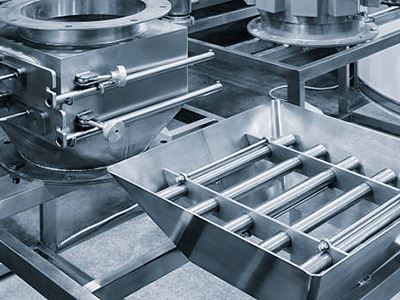
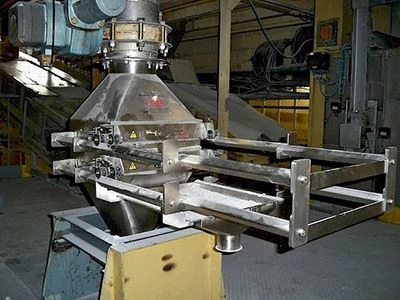
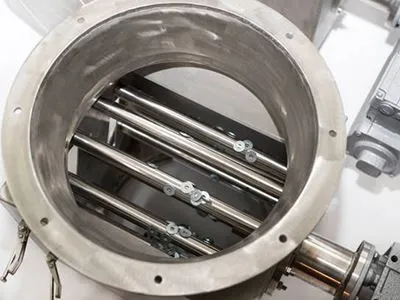
Magnetic separators remove metal from waste materials by using magnetic force to attract ferrous particles. As mixed waste moves along a conveyor or passes through a processing point, the magnet pulls iron-containing pieces away from the main material stream. The separated metal is then discharged or collected, while non-magnetic materials continue through the recycling line.
This process allows you to separate metals automatically without interrupting material flow.
Placement in Recycling Lines
Magnetic separators are usually installed at points where metal contamination is most likely. For example, they are often positioned after shredding plastic or electronic waste, or above conveyor belts carrying mixed materials.
By removing metals before the material moves to the next stage, you reduce the risk of equipment damage and improve the consistency of the recycled output. Proper placement ensures stable separation and smooth operation throughout your recycling system.
Types of Magnetic Separators Used in Recycling
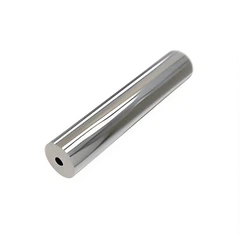
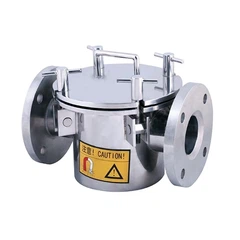
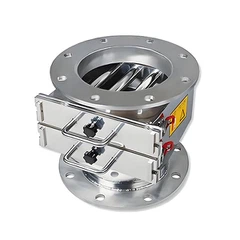
Different recycling processes require different types of magnetic separators. The right choice depends on material flow, contamination level, and production capacity.

Drum Magnetic
Separators
Send Inquiry Now

Overband Magnetic Separators
Send Inquiry Now

Rotary Magnetic
Separators
Send Inquiry Now

Eddy Current
Separators
Send Inquiry Now
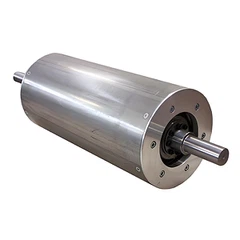
Drum Magnetic Separators
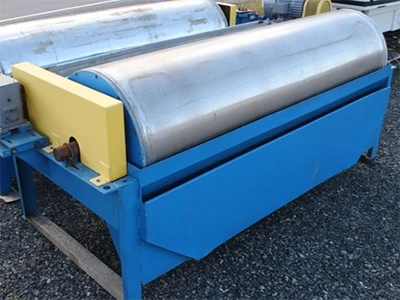
Drum magnetic separators use a rotating drum with internal magnets. As materials pass over the drum, ferrous metals are attracted to the surface while non-magnetic materials fall away.
This type is commonly used in continuous bulk processing, such as scrap metal and mixed waste streams.
Overband (Suspended) Magnetic Separators
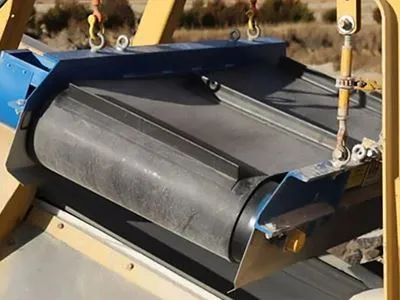
Overband magnetic separators are installed above conveyor belts. They attract and lift ferrous metals from moving materials below. Collected metals are then discharged automatically. This design is suitable for high-throughput recycling lines that require continuous removal.
Rotary Magnetic Separators
Rotary magnetic separators are designed for sticky or clumped materials. The rotating action helps separate metals from damp or compacted waste, reducing blockages and maintaining stable operation.
Eddy Current Separators
Eddy current separators are used to separate non-ferrous metals such as aluminum. Instead of attracting metal, they create a magnetic field that repels conductive materials, allowing them to be separated from the waste stream.
Key Applications of Magnetic Separators in Recycling
Magnetic separators are used across many recycling streams where metal contamination is present. Their role changes depending on the material being processed.
Plastic Recycling: In plastic recycling lines, magnetic separators remove nails, wires, and small steel fragments that may enter during collection or shredding. By extracting these metals early, you reduce the risk of damage to granulators and extrusion systems.
Electronic Waste: Electronic waste contains various metal components, including steel parts and fasteners. Magnetic separators quickly remove ferrous materials after shredding, helping you separate iron-based metals from mixed electronic fragments before further sorting.
Auto Shredder Residue: During vehicle recycling, shredded car bodies generate mixed metal and non-metal materials. Magnetic separators recover steel from this stream, allowing you to collect valuable ferrous scrap before the remaining material is processed.
Construction & Demolition Waste: Construction debris often contains steel bars, screws, and metal fittings mixed with concrete, wood, or drywall. Magnetic separation helps extract these metals for recovery or safe disposal.
Biomass and Wood Waste: In biomass processing, metal pieces can be mixed with wood chips or organic waste. Magnetic separators remove these contaminants before the material is used for fuel or further processing, protecting downstream equipment.
Benefits of Using Magnetic Separation in Recycling Plants
Using magnetic separation in your recycling plant brings practical operational advantages. By removing ferrous metals early in the process, you improve the overall quality of the recycled material. Cleaner output helps meet industry standards and reduces the need for additional sorting.
Magnetic separators also protect your equipment. Metal fragments can damage shredders, crushers, and conveyors if not removed in time. By capturing these contaminants before they reach sensitive machinery, you reduce breakdowns and extend equipment life.
Efficiency improves when materials move through the line without obstruction. Stable separation means fewer interruptions, smoother workflow, and more consistent production output.
There are cost benefits as well. Less equipment damage leads to lower maintenance expenses and fewer unexpected repairs. At the same time, recovering ferrous metals creates additional material value instead of sending them to landfill.
Choosing the Right Magnetic Separator for Your Recycling Application
Selecting the correct magnetic separator depends on your material, production capacity, and operating environment. A careful evaluation at the beginning helps ensure stable performance and long-term reliability.

Material Type
Start by identifying the material you are processing. Plastic flakes, scrap metal, electronic waste, and construction debris all behave differently on a conveyor line.
Some streams contain large steel pieces, while others include fine iron particles mixed with non-metal materials. The separator type and magnetic strength must match the contamination level and material characteristics.
Particle Size and Throughput
Consider the size of the metal pieces you want to remove and the volume of material flowing through your system. High-throughput lines may require drum or overband separators designed for continuous operation. Smaller particles may need stronger magnetic fields or closer installation to ensure effective separation.
Capacity alignment is essential for consistent results.
Permanent vs Electromagnetic
Permanent magnetic separators operate without external power and require minimal maintenance. They are suitable for many recycling applications with stable material streams.
Electromagnetic separators offer adjustable magnetic strength and are often used in heavy-duty or variable-processing environments. Your choice should balance performance needs, operating conditions, and long-term maintenance considerations.
Key Technical Considerations for Recycling Plants
When integrating magnetic separation into your recycling plant, technical details directly affect performance. Understanding these factors helps you avoid undersized equipment or unnecessary investment.
Throughput (T/H): Throughput, measured in tons per hour, determines the required separator capacity. Your magnetic system must handle the actual material flow without causing bottlenecks. If the capacity is too low, the separation efficiency drops. If oversized, costs increase without added benefit.
Conveyor Width: The width of your conveyor belt influences magnet size and coverage. A narrow magnet on a wide belt may leave areas unprotected. Proper alignment ensures full material exposure to the magnetic field.
Magnetic Strength: Magnetic strength should match the type and size of ferrous contamination. Fine particles may require higher intensity magnets, while large tramp iron can be removed with moderate strength systems. Selection should be based on real operating conditions.
Installation Height: The distance between the magnet and the material stream affects separation efficiency. Greater height reduces magnetic reach. Correct mounting height improves capture performance and stability.
Cleaning System: Consider whether your operation requires manual or self-cleaning systems. Continuous recycling lines often benefit from automatic discharge, while smaller facilities may use manual cleaning methods depending on contamination levels.
Comparison with Other Separation Technologies
In recycling plants, magnetic separation is often used alongside other sorting technologies. Each method serves a different purpose depending on the material type and recovery goals.
| Separation Method | Working Principle | Best For | Main Limitation |
|---|---|---|---|
| Magnetic Separator | Attracts ferrous metals using magnetic force | Steel, iron fragments | Only removes magnetic metals |
| Eddy Current Separator | Repels conductive non-ferrous metals | Aluminum, copper | Does not remove ferrous metals |
| Air Separator | Uses airflow to separate light and heavy materials | Paper, plastics | Sensitive to moisture and density changes |
| Optical Sorter | Uses sensors to identify materials | Plastics, glass | Higher cost and maintenance |
| Vibratory Screen | Separates materials by size | Aggregates, shredded waste | Not effective for metal identification |
Magnetic separators are typically used at the early stage of recycling lines to remove ferrous metals before other sorting processes.
Combining multiple technologies often improves overall material recovery and system efficiency.
Future Trends in Magnetic Separation Technology
Magnetic separation technology continues to evolve as recycling streams become more complex. Equipment design is gradually shifting toward higher efficiency and better integration with automated production lines.
One clear trend is improved system control. Modern separators can be combined with monitoring systems to track performance and detect material changes. This allows you to maintain stable separation without frequent manual adjustments.
Energy efficiency is also gaining attention. Manufacturers are optimizing magnetic circuits and structural design to reduce power consumption in electromagnetic systems while maintaining separation performance.
Customization is becoming more common as well. Instead of standard models only, recycling plants increasingly require solutions tailored to specific materials, throughput levels, and layout constraints.
FAQs
Q: What magnetic strength is typically required in recycling applications?
A: The required magnetic strength depends on the type and size of ferrous contamination. Large steel pieces can often be removed with moderate magnetic intensity, while fine iron particles may require higher-strength systems. Selection should be based on real operating conditions.
Q: Can magnetic separators remove stainless steel?
A: Some stainless steels are weakly magnetic and may be partially removed, depending on grade and separator strength. However, fully non-magnetic materials require other separation technologies.
Q: How often should magnetic separators be cleaned?
A: Cleaning frequency depends on contamination levels and production volume. Continuous recycling lines often use self-cleaning systems to avoid interruptions.
Q: How long do magnetic separators last in recycling plants?
A: With proper installation and maintenance, magnetic separators can operate for many years. Regular inspection and correct alignment help maintain stable performance over time.
Q: Can magnetic separators handle high-throughput recycling lines?
A: Yes. Many magnetic separators are designed for continuous, high-volume processing. Drum and overband systems are commonly used in large recycling plants where material flow is constant.
Q: What happens if the separator is installed too high above the conveyor?
A: If the installation height is too great, magnetic reach decreases, and separation efficiency may drop. Proper positioning ensures that ferrous materials are fully exposed to the magnetic field.
Q: Can magnetic separators reduce manual sorting labor?
A: Yes. By removing ferrous metals automatically, magnetic separators reduce the need for manual metal picking. This helps improve worker safety and operational efficiency.