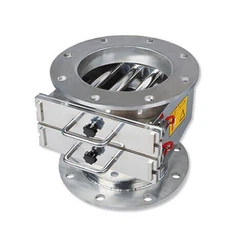
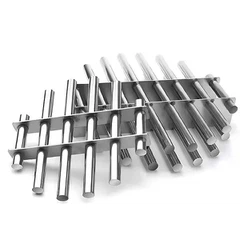
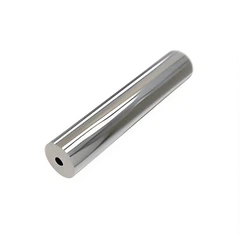
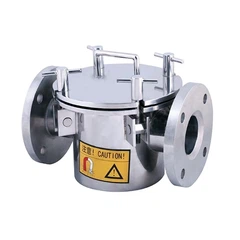
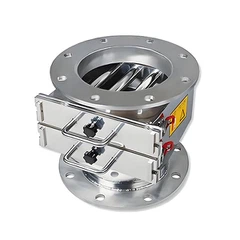
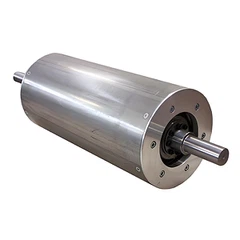
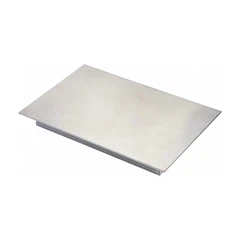











If you work in an industry that deals with the separation of ferrous materials from non-ferrous ones, then you may have heard of magnetic drum separators, a key industrial device for ferrous material removal. Magnetic separation technology is an advanced solution that extracts ferromagnetic materials efficiently from various sources. Magnetic separators, including magnetic drum separators, have become essential in mining, recycling, food, chemical, and manufacturing processes.
The magnetic drum separator's working principle relies on a powerful, rotating magnetic drum that attracts and holds ferrous contaminants, separating them from non-magnetic substances. This reliable technology ensures the safe, continuous, and efficient removal of metal particles and impurities from materials such as plastics, grains, wood, and minerals.
The drum's design maximizes the magnetic field coverage, allowing thorough extraction of all contaminants. Magnetic drum separators are widely adopted across industries, including mining, recycling, chemical production, and food processing, due to their high efficiency and durability.

Components of Magnetic Drum Separators
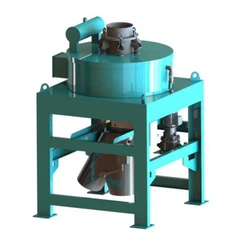
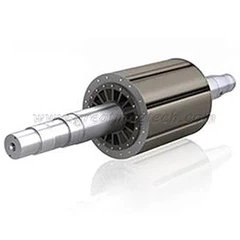
Magnetic drum separators consist of a magnetic drum, a stationary magnet system, a splitter, and a vibrating feeder. The magnetic drum, the primary component, rotates at high speed to attract and separate ferrous contaminants from non-magnetic substances efficiently. The stationary magnet system inside the drum generates a strong and stable magnetic field, ensuring that all ferrous materials are attracted and held firmly. The splitter is responsible for separating the captured magnetic materials from non-magnetic ones. The vibrating feeder delivers materials evenly across the drum surface, allowing full contact with the magnetic field for maximum separation efficiency.
Working Principle of Magnetic Drum Separators
The magnetic drum separator's working principle is based on magnetism and its ability to attract and retain ferrous particles. Ferrous particles are drawn by the magnetic field produced by the stationary magnet system within the drum.
As the drum rotates, the ferrous contaminants adhere to the drum surface until they reach the bottom, where the splitter removes them from non-magnetic substances. Non-magnetic materials continue along the drum, ensuring a clean separation of ferrous and non-ferrous components.
Industrial Applications of Magnetic Drum Separators
The industrial applications of magnetic drum separators are extensive and critical across multiple industries. From mining and recycling to manufacturing and chemical processing, these separators play a vital role in ensuring materials are pure, contaminant-free, and suitable for further processing. Magnetic drum separators also provide significant cost and energy savings while enabling the recovery of valuable materials from raw materials and waste streams.
Mining
In the mining industry, magnetic drum separators efficiently extract ferrous minerals and ores from raw materials. Typically installed on conveyor belts, the separators attract and hold ferrous contaminants while allowing non-magnetic materials to pass through, ensuring high purity in the extracted materials. This not only increases the value of the minerals but also simplifies downstream refining and processing.
Recycling
Magnetic drum separators are widely used in the recycling industry to recover metals such as iron, steel, and aluminum from mixed waste streams. By effectively separating ferrous materials from non-ferrous components, these separators improve the quality and value of recycled materials. They also help prevent equipment damage caused by metal contamination, ensuring a safer and more efficient recycling process.
Manufacturing
In manufacturing, magnetic drum separators remove metal particles and impurities from materials such as plastic, wood, minerals, grains, and powders. These contaminants can damage machinery or compromise the quality of the final product, leading to costly repairs or product devaluation. By ensuring materials are clean and contaminant-free, magnetic drum separators maintain production quality, reduce downtime, and enhance overall efficiency.
Advantages of Using Magnetic Drum Separators
The primary advantage of magnetic drum separators is their ability to extract ferrous materials from non-magnetic substances without altering the material properties. This non-invasive technology protects the integrity of raw materials while ensuring effective separation. Additionally, magnetic drum separators are low-maintenance, energy-efficient, and cost-effective, making them ideal for industrial applications across mining, recycling, and manufacturing.

Key Benefits of the Technology
Using magnetic drum separators provides multiple advantages for industrial processes. By effectively separating ferrous contaminants from raw materials, these separators significantly improve product quality and consistency. This leads to higher production efficiency, minimizes the risk of machinery damage, and reduces losses caused by contaminated materials.
In addition, magnetic drum separators support sustainability initiatives, as they ensure recycled materials are free from metal contaminants, helping companies reduce environmental impact and meet industry compliance standards. The technology is also low-maintenance and energy-efficient, offering a cost-effective solution for continuous industrial operations.
Types of Magnetic Drum Separators
Magnetic drum separators are a valuable tool used in various industries to separate ferrous from non-ferrous materials. These separators come in different types, designed according to specific needs, materials, and desired outcomes.
Wet Drum Separators
Wet drum separators are another type of magnetic separator used in industries like mining, recycling, and mineral processing. As the name suggests, wet drum separators use water as a medium to separate magnetic materials from non-magnetic ones. The drum rotates in the water, and magnetic particles are attracted to the magnetic field, which separates them from the non-magnetic material.
Once the magnetic pulley separates the material, the water can be drained, and the magnetic particles collected. Wet drum separators are highly efficient and can remove even the smallest magnetic impurities from coal, sand, and iron ore. Wet drum separators are also ideal for processing high volumes of materials and can be customized to suit various needs, making them a vital tool in many processing plants.
Dry Drum Separators
Dry drum separators are another magnetic separator widely used in various industries. As the name suggests, dry drum separators use air as a medium to separate magnetic materials from non-magnetic ones. The drum rotates in the air, and magnetic particles are attracted to the magnetic field, which separates them from the non-magnetic material.
Once the material is separated, the magnetic particles can be collected using a series of conveyors or other methods. Dry drum separators are highly efficient and can remove even the smallest magnetic impurities from grain, sugar, and minerals. Moreover, dry drum separators are easy to maintain and are ideal for processing low volumes of materials.
Permanent Drum Separators
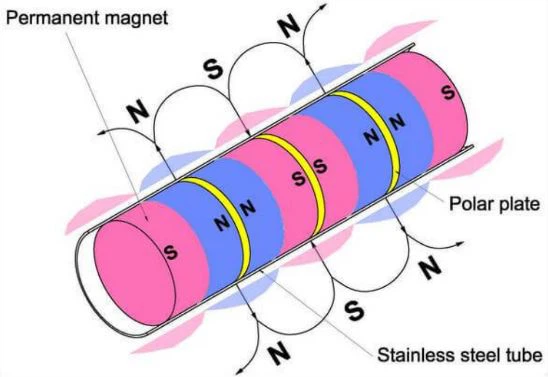
Permanent drum separators, as the name suggests, use permanent magnets to generate the magnetic field required for separating magnetic particles from non-magnetic ones. Permanent drum magnetic separators do not require an external power source, making them highly efficient and cost-effective. The permanent magnets are arranged in a pattern to provide maximum magnetic force.
Permanent drum separators are ideal for processing materials like plastics, chemical powders, and food products. The permanent magnets used in the separators are designed to last a lifetime, making permanent drum separators a reliable and durable option.

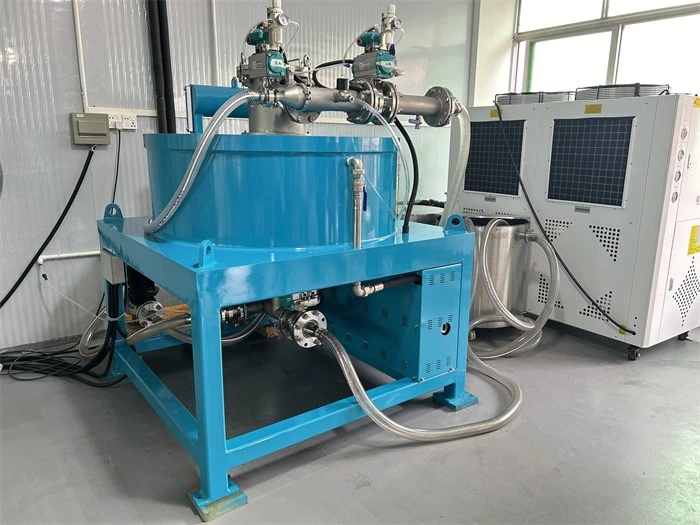
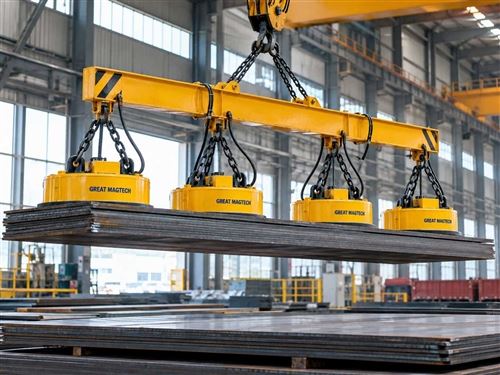
Electromagnetic Drum Separators
Electromagnetic drum separators use powerful electromagnets to generate the magnetic field required for separating magnetic particles from non-magnetic ones. Unlike permanent drum separators, electromagnetic ones require an external power source to generate the magnetic force. The advantage of electromagnetic drum separators over permanent ones is their flexibility.
Electromagnetic drum separators can be adjusted to create different levels of magnetic force, making them ideal for processing materials with varying levels of magnetic impurities. Electromagnetic drum separators are widely used in mining, recycling, and manufacturing industries. The electromagnetic drum separator's powerful magnetic field can extract even the smallest metallic impurities from wood chips, plastics, and construction waste.

Choosing The Right Magnetic Drum Separator
Selecting the appropriate magnetic drum separator is critical for achieving optimal performance in industrial applications. Several factors must be considered to ensure the separator meets the specific needs of your process. These include the type of material being processed, the required purity level, the size and shape of ferrous contaminants, and the desired separation efficiency.
It is also important to choose a separator that is user-friendly, easy to operate, maintain, and clean, ensuring continuous and reliable operation. Considering these factors helps companies maximize productivity, reduce downtime, and protect equipment from potential damage caused by metal contamination.
Final Verdict
The magnetic drum separator has revolutionized the process of separating ferrous materials from non-ferrous ones. Its powerful magnets and sophisticated technology have become integral tools in industries like mining, recycling, and manufacturing. The magnetic drum separator ensures product purity and safety while reducing waste by efficiently extracting metal particles and impurities from materials like plastic, wood, and minerals.
Its ample space and effective design allow for maximum extraction of contaminants, making it an essential tool for industries that deal with separation processes. The potential for the technology to expand into different sectors is vast, with many industries already recognizing the benefits of integrating magnetic drum separators into their processes. As the demand for product purity and sustainability continues to increase, the magnetic separator will undoubtedly play a crucial role in meeting those demands.