









Introduction
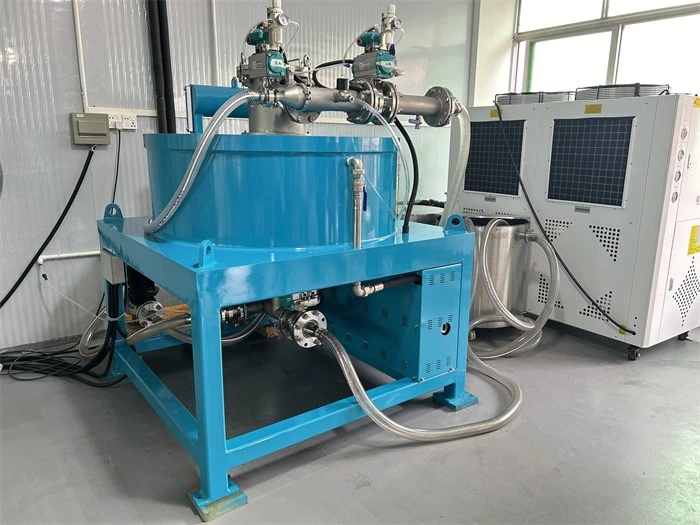
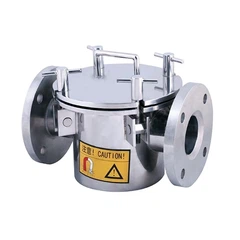
A hopper magnet is a magnetic separation device used in different industrial processes to remove ferrous impurities from free-flowing materials. It is a vital component utilized in food processing, pharmaceuticals, chemicals, polymers, and mining sectors, where undesired metallic particles can degrade product quality, damage equipment, and pose safety issues.
Indeed, hopper magnets are placed strategically within material flow pathways, such as at the inlet or outlet of hoppers, chutes, conveyors, or pipelines. As materials flow through the hopper magnet's magnetic field, ferrous particles are attracted and kept on the magnet's surface, separating them from the main material stream.
This article explains the working principle of hopper magnets, explores their various applications across industries, discusses their benefits, and more. Get reading!

Working Principle
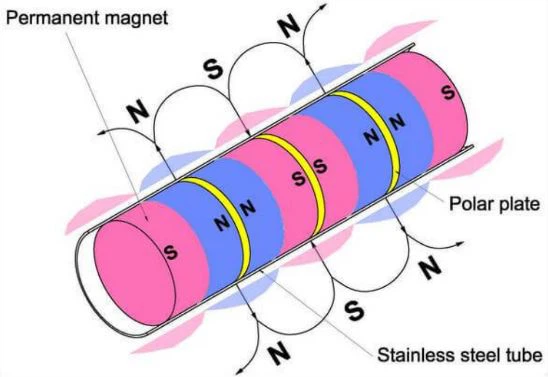
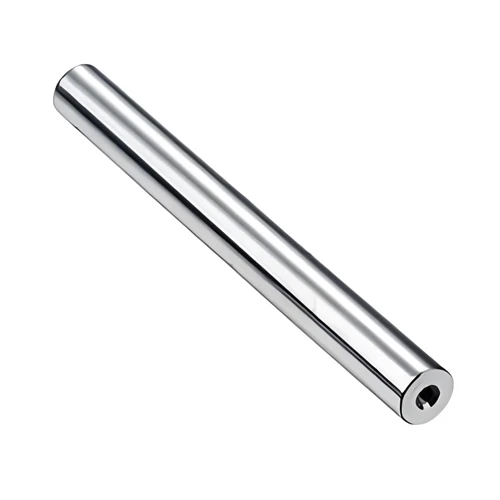
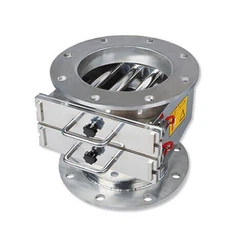
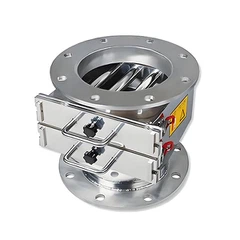
The operation of hopper magnets is straightforward. The ferrous impurities in the material are attracted and held onto the magnetic tubes when the material runs through the hopper magnet. The purified material is subsequently discharged through the opposite side of the hopper magnet.
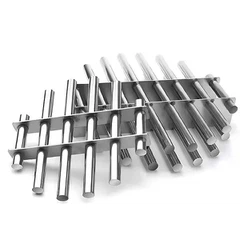
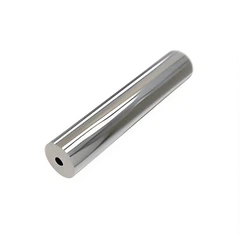
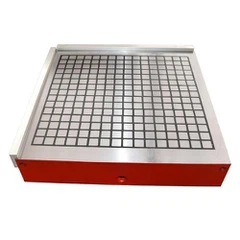
As the material goes through the magnetic tubes inside the hopper magnet, a magnetic field attracts and traps ferrous impurities such as iron and steel. The magnetic tubes are laid out in a grid pattern to ensure that the entire material flow is exposed to the magnetic field, and that nonferrous contaminants are not overlooked.

Applications of Hopper Magnets
Hopper magnets find wide-ranging applications across various industries that deal with bulk materials. Some of the sectors where hopper magnets are commonly employed include:
• Food and beverage industry
Hopper magnets are critical components in food processing and manufacturing operations. They successfully eliminate ferrous pollutants from grains, spices, powders, and liquids, ensuring the purity and safety of the final food items.
• Pharmaceutical Industry
In pharmaceutical manufacturing, hopper magnets are crucial in removing metal particles from raw materials, intermediates, and final formulations. They help maintain product quality, prevent cross-contamination, and comply with stringent regulatory standards.
• Chemical Industry
In chemical processing plants, hopper magnets remove ferrous contaminants from powders, granules, and liquid chemicals. They help to keep products intact, prevent equipment damage, and ensure smooth production processes.
• Plastic and Recycling Industry
Hopper magnets remove metal impurities from plastic pellets or flakes in plastic processing and recycling operations. They aid in the protection of processing machinery, the preservation of product quality, and the enhancement of the efficiency of plastic recycling processes.
• Mining and Aggregate Industry
Hopper magnets play a crucial role in extracting and processing minerals, ores, and aggregates. They effectively remove ferrous particles from materials such as coal, sand, gravel, or crushed rock, preventing equipment damage and ensuring the quality of the final products.
• Other Industries
Hopper magnets also find applications in industries such as ceramics, textiles, cement, woodworking, etc. They are utilized in various material handling and processing operations to safeguard equipment, enhance product purity, and minimize production downtime.
Benefits of Using Hopper Magnets

Follow the below benefits of using the hoper magnets:
1. Removal of Ferrous Contaminants
One of the most significant advantages of using hopper magnets is their ability to remove ferrous impurities from bulk materials effectively. Contaminants like iron, steel, or magnetic particles can enter manufacturing through various channels, including raw materials, equipment wear, or inadvertent contamination. These undesired particles are captured and retained by hopper magnets, preventing them from causing equipment damage, product flaws, or safety problems.
2. Prevention of Equipment Damage
Ferrous contaminants can wreak havoc on processing equipment, causing mechanical damage, clogging, or jamming. By removing these particles from the material stream, hopper magnets protect downstream equipment such as crushers, grinders, mixers, or extruders. This leads to increased equipment lifespan, reduced maintenance costs, minimized downtime, and improved overall operational efficiency.
3. Improved Product Quality and Purity
Hopper magnets are essential in guaranteeing product quality and purity in various sectors. They avoid contamination of the finished product by successfully catching ferrous impurities, ensuring it fulfills the needed criteria and standards. In industries such as food processing and pharmaceuticals, where product safety is critical, hopper magnets play a significant part in removing potential sources of contamination and protecting customer safety.
4. Increased Operational Efficiency
Using hopper magnets in material handling and processing operations enhances overall operational efficiency. Removing ferrous contaminants significantly reduces the risk of equipment failures, unplanned maintenance, and production disruptions. This leads to improved productivity, optimized process flows, and cost savings in reduced downtime and equipment repairs.
5. Compliance with Safety Standards and Regulations
Many industries are subject to rigorous safety requirements and regulations, particularly food processing, medicines, and chemical manufacturing. Hopper magnets help organizations meet these criteria by successfully eliminating ferrous impurities that may jeopardize product safety or exceed regulatory restrictions. Adhering to safety standards protects legal compliance, brand reputation, and trust among customers.
Types of Hopper Magnets
Here are the significant types of hopper magnets:
• Permanent Magnets
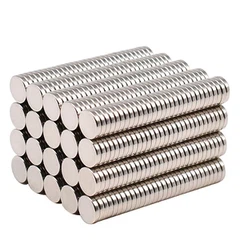
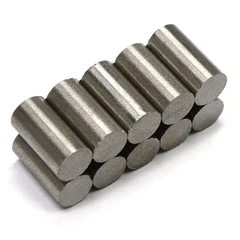
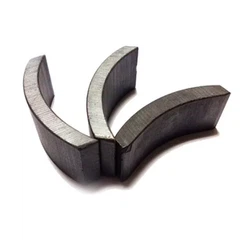
Permanent magnets are extensively employed in hopper magnets due to their consistent magnetic strength and endurance. These magnets keep their magnetism in the absence of an external power source. Indeed, ceramic (ferrite) magnets and alnico magnets are two common materials used in permanent magnets. They are appropriate for applications requiring moderate magnetic strength.
• Electro-Magnets
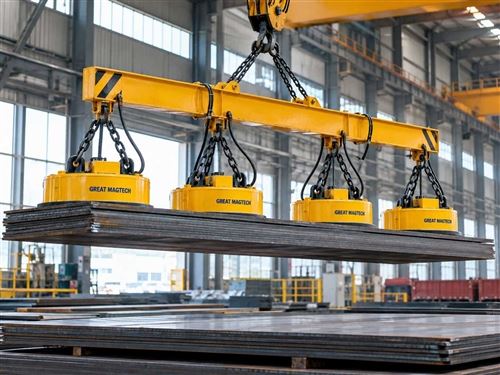
Electro-magnets are a coil twisted around a core material, usually iron or steel, that becomes magnetized when an electric current flows through it. Adjusting the current controls the magnetic strength of electromagnets. And they are helpful for situations where the magnetic force must be adjusted or switched on and off as needed.
• Rare Earth Magnets
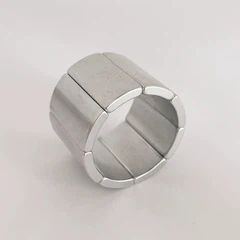
Rare earth magnets, specifically neodymium or samarium cobalt magnets, have high magnetic strength. They have a substantially stronger magnetic force than other magnets, making them suited for applications requiring exceptional capturing power. Generally, rare earth magnets are small and light, enabling the effective design and installation of hopper magnets in tight quarters.
Factors to Consider When Choosing a Hopper Magnet
There are various factors to consider while choosing a hopper magnet. We have discussed some of them in detail.
1. The magnitude of Magnetic strength Required
The magnetic strength required by a hopper magnet is determined by parameters such as the size and content of the ferrous impurities, the material flow rate, and the specific application. Therefore, choosing a hopper magnet with enough magnetic force to catch and retain pollutants under operating conditions is critical.
2. Hopper Size and Dimensions
The dimensions and size of the hopper or chute where the magnet will be attached are critical factors. The hopper magnet must fit inside the available space and suit the material flow rate. In short, to guarantee successful separation, the magnet's magnetic field must cover the hopper's full cross-sectional area.
3. Material Characteristics and Flow Rate
Different materials have varying magnetic properties and flow characteristics. It is essential to consider factors such as material density, particle size, moisture content, and abrasiveness. These factors can impact the effectiveness of the hopper magnet. Understanding the material properties and flow rate is crucial for selecting a hopper magnet that can efficiently capture contaminants without impeding material flow.
4. Maintenance and Cleaning Requirements
Regular maintenance and cleaning are required to ensure that hopper magnets operate optimally. Consider the magnet's accessibility for cleaning and the frequency of required maintenance. However, some magnets may need to be disassembled to be cleaned, while others may have features that make cleaning easy, such as quick-release mechanisms or self-cleaning choices. Thus, selecting a hopper magnet compatible with the operation's maintenance capabilities and schedule is critical.
5. Cost Considerations
Cost is a significant factor in equipment selection. Consider the initial purchase cost and any additional costs associated with installation, maintenance, and replacement parts. While it is important to work within budget constraints, it is equally crucial to ensure that the chosen hopper magnet meets the required performance standards. Therefore, balancing cost considerations with the desired level of effectiveness and durability is essential.
Conclusion
In short, hopper magnets are essential equipment in many sectors for efficiently removing ferrous impurities from bulk materials. They offer several advantages, including contamination removal, equipment protection, enhanced product quality, increased operational efficiency, and compliance with safety regulations.
Incorporating hopper magnets into material handling and processing systems is critical for maintaining product integrity, protecting equipment, and ensuring industrial operations run smoothly.
Hopper magnets are critical in many industries because they provide reliable and efficient magnetic separation of ferrous impurities. They are vital in guaranteeing product purity, equipment longevity, and operational excellence because of their versatility and efficiency.
GreatMagTech for Hopper Magnet
As a significant supplier of magnetic equipment, we provide a wide range of items for use in various industries. Our products provide numerous benefits, and we are dedicated to offering high-quality goods and services.
Our products are a dependable source of magnetic equipment manufacturers for businesses. We have a large selection of high-quality commercial magnets and separators. Contact us right now to learn more about our magnets and magnetic products and how we can help you.
Thus, if you're looking for high-quality hopper magnets, look at GreatMag. We are China's top hopper magnet supplier and are dedicated to providing our customers with the finest quality products and services.