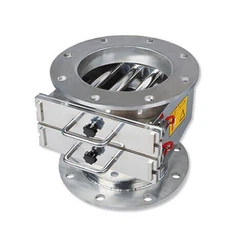
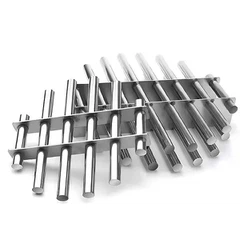
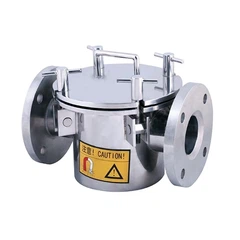
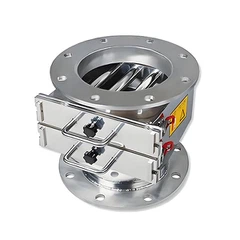
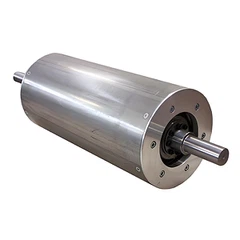
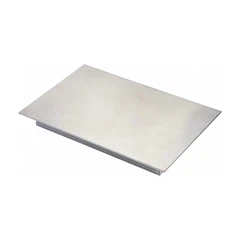






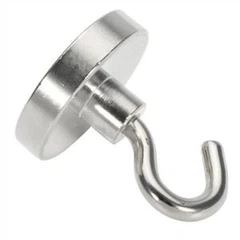
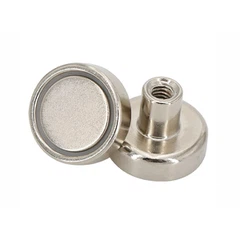
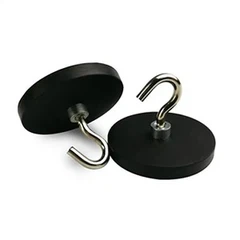
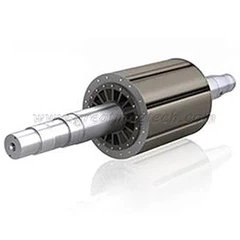



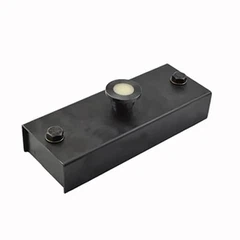
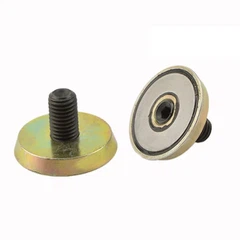
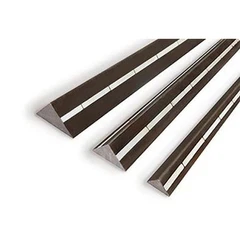
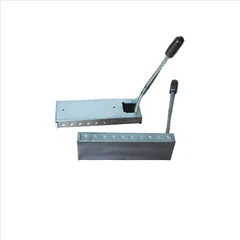
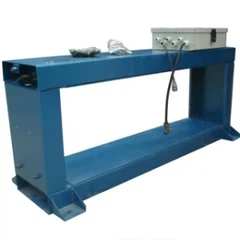
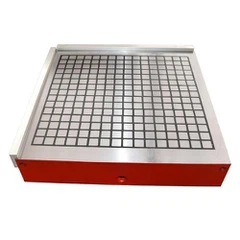


Many businesses utilize hung magnets, sometimes magnetic separators, to remove ferrous contaminants from product streams.
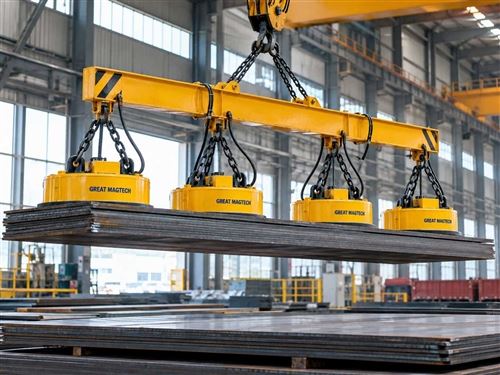
A powerful electromagnet is suspended above a conveyor belt, chute, or other material flow channel. A suspended magnet removes iron and steel impurities from bulk materials during processing or transportation. Under magnetic force, the hung magnets maintain product purity, equipment protection, and end-product safety and quality.
In many sectors, metallic contaminants can reduce production efficiency and product quality, making magnetic separators essential. Mining, recycling, food processing, and waste management use suspended magnets to extract ferrous contaminants.
These magnets protect machinery, prevent contamination, save downtime, and ensure quality compliance. Suspended magnets boost efficiency, cost savings, and customer satisfaction across many industries by isolating and removing undesirable metals.
Let's dive into the world of suspended magnets and the many wonders they do in our daily lives!
Understanding Suspended Magnets
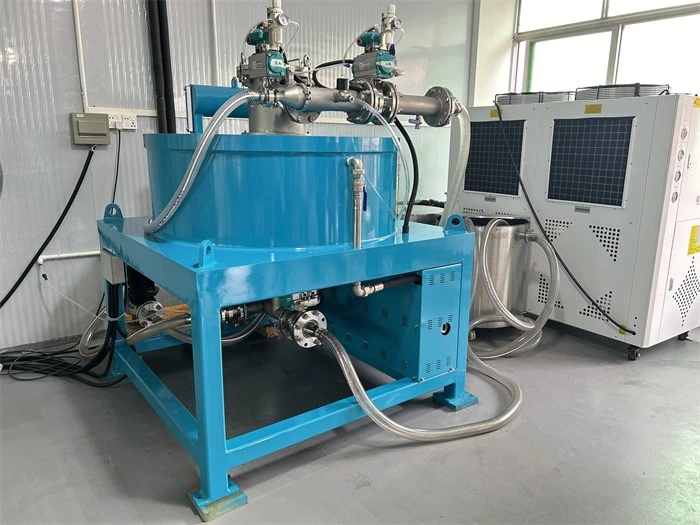
Electromagnets, support structures, control systems, and conveyor belts or chutes, all comprise a suspended magnet.
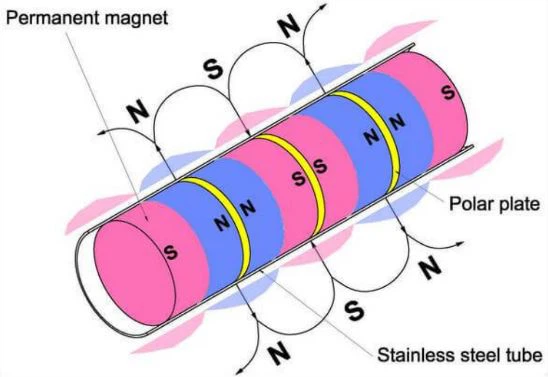
The system's heart, the electromagnet, generates a powerful magnetic field. The magnetic flux is increased by a coil around a ferromagnetic core. The support structure stabilizes and positions the magnet above the material flow route.
Moreover, the control system controls electromagnet power, allowing operators to modify magnetic force. Lastly, the conveyor belt or chute moves material beneath the hung magnet for successful separation.
Working Principle and Functionality
Electromagnetic induction powers suspended magnets. Electromagnet coils create magnetic fields when current flows through them. Current via the coil determines magnetic field strength which can be altered by operators by adjusting current.
Ferrous Material Attraction and Separation
Ferrous materials in the material stream are attracted to the magnetic field as they pass beneath the suspended magnet. When near a strong magnetic field, ferrous materials like iron or steel experience substantial magnetic forces.
The hanging magnet attracts ferrous materials to the electromagnet or any ferromagnetic material in the magnetic field. Ferrous materials stay connected to the magnet and are separated from the rest of the material stream as it moves along the conveyor belt or chute.
This procedure removes undesirable metals, purifies products, and protects downstream processing equipment.

Applications of Suspended Magnets
1. Eliminating Tramp Iron
Many mining and aggregate companies employ hanging magnets to remove tramp iron from bulk commodities. Tramp iron is ferrous material accidentally combined with the desired product, such as rocks or ore.
Metallic impurities can harm crushers, screens, and other processing equipment, causing costly repairs and downtime. Thus, suspended magnets remove tramp iron from the material stream, protecting downstream machinery and enhancing efficiency.
2. Protection of Conveyors and Crushers
Metal pollution damages mining and aggregate crushers and conveyors. This equipment is protected by suspended magnets that capture and remove ferrous debris before reaching crushers or tangled in conveyor belts.
Fixed magnets prevent metal particles from entering the crushing process or harming conveyors, reducing equipment maintenance, extending lifespan, and increasing productivity.
3. Separating Ferrous Materials
Magnetic suspensions sift ferrous items from recyclable and trash streams in recycling and waste management plants. Steel and iron may be removed efficiently using magnetic force.
Above conveyor belts or chutes, suspended magnets attract and collect ferrous materials for processing. This separation process improves the recovery of essential metals, recycling efficiency, and product quality.
4. Recycling Efficiency Improvement
Recycling efficiency is greatly affected by suspended magnets. These magnets reduce contamination and downstream equipment damage by eliminating ferrous contaminants early. This streamlines recycling, reducing downtime and increasing production.
While suspended magnets assist in producing high-quality products with few contaminants, they also ensure recycling compliance.
5. Protecting Against Metal Contamination
The food processing sector prioritizes food safety. Suspended magnets capture and remove metal particles from raw materials during processes, eliminating contamination. Even little metal shards might be harmful if eaten accidentally.
Hence, suspended magnets separate and isolate metal particles to keep food safe and meet quality standards.
6. Ensure Product Quality and Safety
Food safety and quality depend on suspended magnets. These magnets help produce clean food by removing metal impurities. This protects consumers and boosts food brand reputations.
From raw material intake to packing, suspended magnets in processing lines control metal contamination.
Suspended Conveyor Magnets
Suspended conveyor magnets are developed for conveyor belt systems. This magnet is strategically placed above the conveyor belt to remove ferrous contaminants from the material stream continuously.
Metal impurities can damage equipment, product quality, and operating efficiency in mining, recycling, and manufacturing; thus, suspended conveyor magnets are utilized.
Advantages Over Typical Conveyors
Remove Ferrous Materials Continuously
Continuous ferrous material removal is a significant benefit of suspended conveyor magnets. Manual intervention or separate operations to remove metal impurities from traditional conveyor systems can disrupt production and increase labor expenses.
However, suspended conveyor magnets automatically and in real-time remove these items, maintaining a smooth conveyor belt movement. Continuous removal decreases metal contamination, safeguards downstream equipment, and boosts efficiency.

Reduced Downtime and Increased Productivity
By eliminating ferrous materials from the material stream, hanging conveyor magnets boost productivity and save downtime. After all, damage from metal impurities can create unanticipated machinery downtime for repairs and maintenance.
Thus, suspended conveyor magnets reduce equipment damage, reducing manufacturing schedule delays and improving efficiency. Continuous ferrous material elimination ensures product quality and reduces rework or rejection of contaminated materials. This improves consumer happiness, market competitiveness, and cost savings.
Magnetic Levitation and Anti-Gravity
An intriguing use of magnetic suspension technology is in levitating magnets that float in midair without support. This innovation uses magnetic repulsion and attraction to lift and stabilize. These anti-gravity magnets defy gravity and appear to float by accurately regulating magnetic fields.
Potential Uses and Advantages
Transportation Systems and Maglev Trains
Levitating magnets are widely used in Maglev trains and transportation systems. Maglev technology uses magnetic repulsion and attraction forces to suspend the train above the tracks, eliminating wheels and friction for faster, smoother, and more energy-efficient transportation.
High-speed maglev trains minimize travel time and improve comfort. The lack of train-track contact reduces wear and tear, lowering maintenance costs and extending infrastructure life.
Energy-Efficient Suspensions
Levitating magnets could create energy-efficient suspension systems for numerous purposes. Magnetic levitation reduces friction and energy consumption in cars and industry. Energy conservation and performance improvement are crucial in automobile, aerospace, and energy production, where this technology might help.
Magneto Suspension Challenges and Limitations
Magnetic suspension is fantastic, but it has drawbacks. Technical constraints make magnetic suspension systems challenging to implement. These systems require exact calculations, complex control mechanisms, and specialized components to design and engineer.
Stability, control, and reliability are difficult in high-speed or heavy-load applications. Due to their high development and implementation costs, some industries and applications need help to afford magnetic suspension systems.
Safety Precautions While Handling Suspended Magnets
Magnetic suspension systems can demagnetize or malfunction, posing safety risks. Temperature variations, mechanical stress, and external magnetic fields can weaken magnets over time.
Demagnetization or failure can affect suspension system stability and performance, causing accidents or equipment failure. Magnetic suspension systems require regular inspections, maintenance, and monitoring of magnetic components to operate safely.
Human Health Impact
The health effects of magnetic suspension systems are also crucial. These systems' strong magnetic fields can harm pacemakers and other medical devices.
Access to high magnetic fields must be restricted, and warnings must be provided to protect sensitive medical devices. To reduce health concerns, shielding and safety practices should be used.
Magnetic Suspension Research and Development
Magnetic suspension technology has significant potential for magnetic levitation developments. Research and development aim to increase magnetic suspension system stability, control, and efficiency.
Magnetic levitation performance and responsiveness are improved via sensor technologies, control algorithms, and power electronics. Superconducting materials and cryogenics may enable more powerful and efficient magnetic suspension systems.
Discovering Novel Materials and Production Methods
New materials and production methods are explored in magnetic suspension innovations. Researchers are testing new magnetic materials with better magnetic flux density or demagnetization resistance.
3D printing and nanotechnology may enable the creation of intricate and optimized suspension system magnetic components. These advances may lead to lighter, stronger, and cheaper magnetic suspension solutions.
The Bottom Line
Many industries rely on suspended magnets for magnetic separation and ferrous material removal. These magnets protect crushers and conveyors in mining and aggregate operations, sort ferrous materials in recycling and trash management, and prevent food processing contamination.
Moreover, suspended magnets affect many sectors. By removing tramp iron, these magnets protect mining and aggregate equipment and boost production. Secondly, by sorting ferrous materials, suspended magnets improve recycling and trash management by recovering valuable metals. These sectors benefit from the adaptability and efficiency of hanging magnets, advancing sustainability.
All in all, hung magnets are helpful for magnetic separation, equipment protection, and product quality and safety in many industries. Magnetic suspension technology promises future stability, control, and cost-effectiveness improvements.
With continued research, magnetic suspension technology is poised to transform transportation, energy, and other industries. Accepting these advances will lead to a more efficient, sustainable, and technologically advanced future!
Many businesses utilize hung magnets, sometimes magnetic separators, to remove ferrous contaminants from product streams.
A powerful electromagnet is suspended above a conveyor belt, chute, or other material flow channel. A suspended magnet removes iron and steel impurities from bulk materials during processing or transportation. Under magnetic force, the hung magnets maintain product purity, equipment protection, and end-product safety and quality.
In many sectors, metallic contaminants can reduce production efficiency and product quality, making magnetic separators essential. Mining, recycling, food processing, and waste management use suspended magnets to extract ferrous contaminants.
These magnets protect machinery, prevent contamination, save downtime, and ensure quality compliance. Suspended magnets boost efficiency, cost savings, and customer satisfaction across many industries by isolating and removing undesirable metals.
Let's dive into the world of suspended magnets and the many wonders they do in our daily lives!