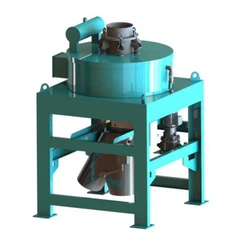
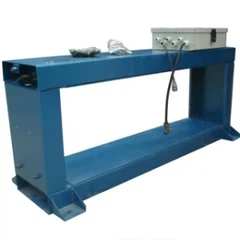


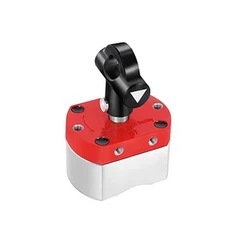

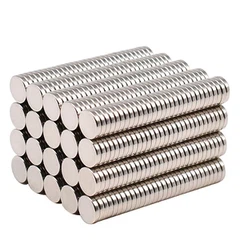









Magnetic separation is the process of "separating" unwanted harmful materials from a substance to "purify" it. This process is widely used in industries throughout the globe to help remove ferrous materials during mining, recycling, pharmaceuticals, or environmental cleanup. At the core of magnetic separation is its various techniques, each with different operation and application. The following guide delves deeper into magnetic separation, its basic principles, material types, and different techniques. Let's get started!
What is Magnetic Separation?
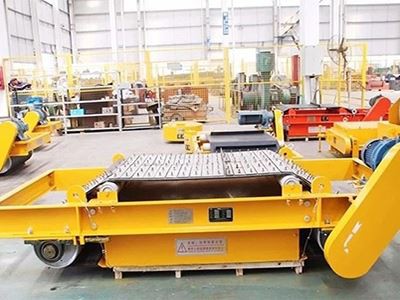
Magnetic separation is a way to sort materials using special machines that make a magnetic field. This method is mainly used in waste treatment to find and keep iron things or to take out iron from the waste.
In big machines, they use magnetic equipment above the waste to find iron before smashing it up. For example, they can find the iron before burning the waste. Also, they use these magnetic machines in places where they bury waste to find iron before getting rid of it.
Waste can be sorted by how magnetic it is: very magnetic, sort of magnetic, a little magnetic, or not magnetic at all. When these things with different magnetic levels go through the magnetic field, the very magnetic stuff, often made of iron, sticks to the magnetic machine. The stuff that's not very magnetic gets carried away by a moving machine or falls down because of gravity or spinning power. This way, they separate the iron from the rest of the waste.

Magnetic Separation Technique – Basic Principles
Magnetic separation is a really useful method used in many industries, like mining and making food. It works because of magnets that can make materials with iron in them move.
The key idea behind magnetic separation is called "magnetic fields." Using these magnetic fields, the magnetic separation technique can be employed to do two main things: to either pull material closer or throw it away.
When applying magnetic separation, the main technique is to use magnetic fields to sort materials. These materials containing iron or other magnetic properties are attracted and drawn closer to the magnet, while those lacking magnetic properties are repelled and pushed away. This process "purifies" substances from unwanted materials and thus, is a valuable technique in various industries.
Different Types of Materials in Magnetic Separation
Materials react differently when exposed to magnets. As mentioned earlier, some materials react quickly to magnetic fields, others show a milder interest, and then there are those that remain indifferent.
These materials can be classified based on whether they are ferromagnetic, paramagnetic, or diamagnetic materials.
● Ferromagnetic: These materials have a strong attraction to magnets and can become magnets themselves in proximity to one. Common examples of ferromagnetic materials are iron and nickel.
● Paramagnetic: These materials keep a moderate attraction to magnets, less intense than ferromagnetic materials. A common example of a paramagnetic materials is aluminum.
● Diamagnetic: Materials like water or wood don't respond to magnets. They show weak repulsion and move away when they are near a strong magnet.
All these three categories of materials react to magnets in the following two ways:
● Magnetization: This measures a material's magnetic response when close to a magnetic field. The higher the magnetization, the stronger the affinity for magnets.
● Magnetic Susceptibility: It measures how easily a material can become magnetic. When there's high magnetic susceptibility, it means the material quickly responds to magnets, while low susceptibility means it doesn't respond much at all.
Types of Magnetic Separation Techniques
Magnetic separation is a versatile technique with various methods, each designed for specific tasks. Let's explore the different types of magnetic separation techniques used in various industries in the following table.
Magnetic Separation Technique | What is it? | Where is it used? |
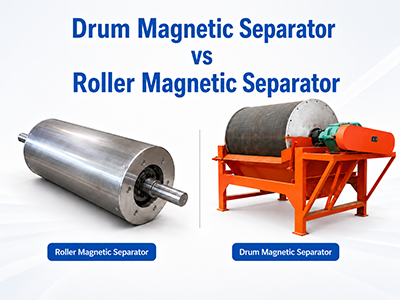
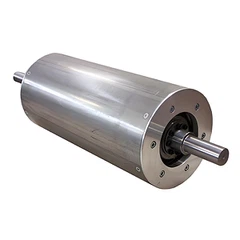
Magnetic Drum Separators | Magnetic drum separators are like powerful magnetic drums that play a key role in separating materials. | ● Magnetic drum separators find use in various industries such as mining, recycling, and even in the food industry. |
Magnetic Roll Separators | Magnetic roll separators have large rolls equipped with strong magnets. | ● Magnetic roll separators are widely used in mineral processing and mining to extract valuable minerals from ore. ● They are also useful in recycling processes to sort out valuable materials from waste streams. |
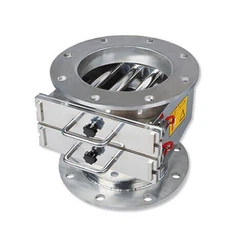
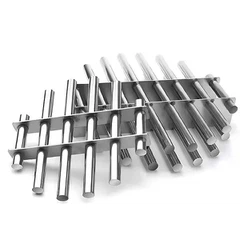
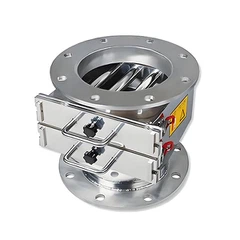
Magnetic Filters and Grids | Magnetic filters and grids are like special nets designed to catch magnetic particles from a flowing material stream. | ● Magnetic filters and grids are widely used in industries like pharmaceuticals and food processing to remove tiny magnetic impurities from liquids or powders. |
High-Gradient Magnetic Separation (HGMS) | High-gradient Magnetic Separation (HGMS) is an advanced method that uses specialized equipment to capture fine magnetic particles. | ● HGMS is used in applications where fine magnetic particles need to be separated, such as in the purification of drug compounds and the removal of magnetic impurities in various industrial processes. |
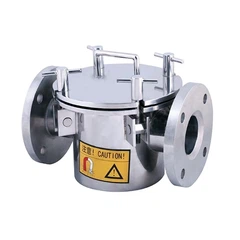
Magnetic Liquid Traps | Magnetic liquid traps are used to remove magnetic particles from liquid materials. | ● Magnetic liquid traps are used in industries like chemicals and wastewater treatment. |
Working Principles of Different Magnetic Separation Techniques
Now, let’s see how different magnetic separation techniques work in industries:
1. Magnetic Drum Separators
They work like this:
● Inflow: The mixture of materials enters the drum through a feeder.
● Magnetic Field: Inside the drum, there are strong magnets that create a magnetic field. This field attracts magnetic particles in the mixture.
● Separation: As the mixture rotates inside the drum, the magnetic particles get pulled towards the drum's surface. They stick to it, separating from the non-magnetic materials.
● Outflow: The separated magnetic particles are carried away by the rotating drum and collected in a separate area, while the non-magnetic materials continue on their way.

2. Magnetic Roll Separators
Magnetic roll separators function in the following way:
● Material Flow: The mixture flows onto the surface of the magnetic roll.
● Magnetic Attraction: The powerful magnets inside the roll create a magnetic field. This field attracts the magnetic particles in the mixture.
● Rolling Separation: As the mixture passes over the roll, the magnetic particles get attracted and stick to the roll's surface. Meanwhile, the non-magnetic materials continue their journey.
● Collection: The separated magnetic particles are removed from the roll's surface, typically by a conveyor belt, and collected separately.
3. Magnetic Filters and Grids
This type of magnetic separation technique has the following operation:
● Flow Passage: The material mixture flows through a passage where magnetic filters or grids are placed.
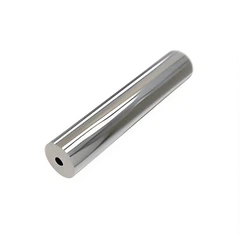
● Magnetic Capture: These filters and grids have strong magnets inside them. As the mixture flows past them, the magnetic particles are captured on the surface of these magnetic elements.
● Remaining Materials: The non-magnetic materials continue through the passage without being affected.

4. High-Gradient Magnetic Separation (HGMS)
These separators work like this:
● Magnetic Matrix: HGMS devices contain a “magnetic matrix”, which is like a grid filled with fine magnetic wires or materials.
● High Gradient: A strong magnetic field is applied, creating a high-gradient environment near the matrix.
● Particle Capture: As the material mixture passes through this high-gradient area, even very fine magnetic particles are captured by the matrix.
● Release: After capturing the particles, the matrix can be cleaned and the magnetic particles released, ready for collection.
5. Magnetic Liquid Traps
Liquid traps have the following working techniques:
● Liquid Flow: The liquid mixture flows through a trap, which contains powerful magnets.
● Magnetic Particle Capture: As the liquid passes through the trap, the magnetic particles are attracted to the magnets and get trapped.
● Clean Liquid: The purified liquid continues its journey while the magnetic particles are held in the trap.

Factors Affecting the Efficiency of Magnetic Separation Techniques
All magnetic separation techniques are powerful in separating unwanted material in substances. But, there are various factors affecting their efficiency, as listed below:
● Magnetic Field Strength: The power of the magnetic field is like the strength of a magnet. The stronger it is, the better it can attract and separate magnetic materials from non-magnetic ones. Stronger magnetic fields are required when dealing with challenging separation tasks, otherwise, they won't be able to purify the substance properly.
● Particle Size and Shape: The size and shape of particles matter. Larger or irregularly shaped particles might not be as easily attracted to magnets compared to smaller, well-shaped ones. Smaller particles also tend to respond better to magnetic forces.
● Flow Rate and Particle Concentration: The speed at which materials flow through the separation process affects efficiency. If the flow rate is too high or the particle concentration too low, some particles might not have enough time to interact with the magnetic field, leading to less effective separation.
● Temperature Effects: Temperature can impact magnetic properties. Some materials may become more or less magnetic at different temperatures. An easy solution for this is to control and modify temperature to improve the separation process.
● Magnetic Particle Coating: Sometimes, particles are coated with non-magnetic materials. This coating can reduce their responsiveness to magnetic fields, making separation less efficient.
Conclusion
To sum it up, magnetic separation techniques are widely used in industries. They efficiently sort materials with magnets and purify the substances. Whether it's mining, recycling, pharmaceuticals, or environmental cleanup, magnetic separation helps streamline processes, improve product quality, and enhance environmental sustainability.