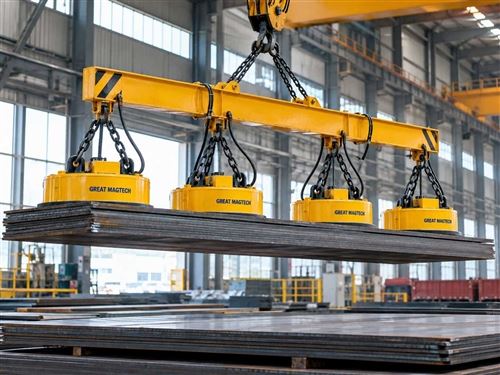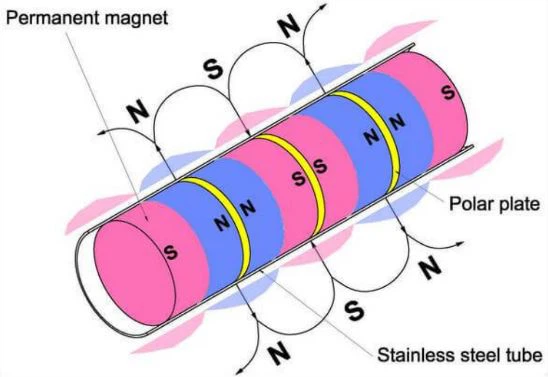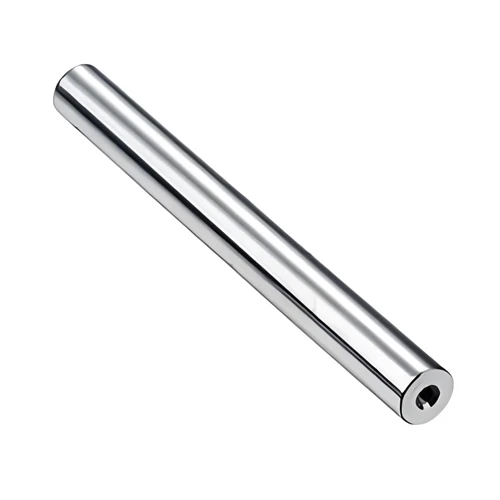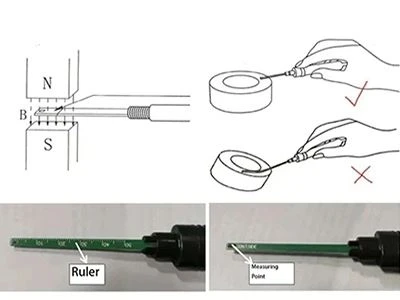
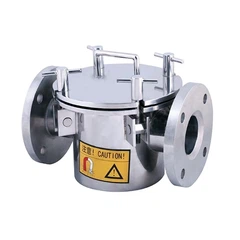
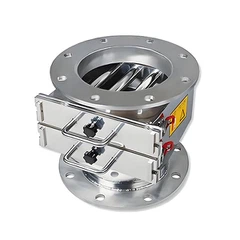
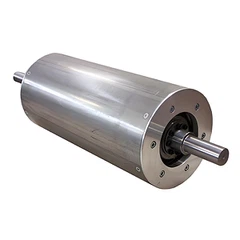
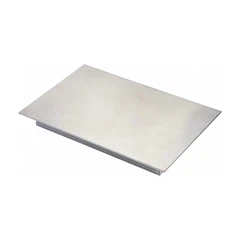










Magnetic separation is a powerful technique used in various industries to separate magnetic and non-magnetic materials. Across industries like mining, recycling, pharmaceuticals, and food processing, magnetic separation plays a pivotal role in separating magnetic materials from non-magnetic substances. This process contributes significantly to resource recovery, minimizes waste, and ensures the purity of final products. Within this domain, both dry and wet magnetic separation methods emerge as prominent strategies.
In this article, we will delve into the world of magnetic separation, focusing on the key differences between dry and wet magnetic separation methods.
What is Magnetic Separation?
Magnetic separation is a process that uses the magnetic properties of materials to separate them efficiently. It relies on the fact that different materials respond differently to a magnetic field, and this property can be harnessed for separation purposes.

Understanding Magnetic Separation
Magnetic Separation Process
The magnetic separation process involves applying a magnetic field to the materials to be separated. When subjected to this field, materials with magnetic properties are attracted to it, while non-magnetic materials are not affected.
Dry Magnetic Separation
Dry magnetic separation, as the name suggests, is a process that separates materials in a dry state. This method is ideal for separating materials that are dry and free-flowing. It is widely used in industries where water is scarce or not feasible in the separation process.
Wet Magnetic Separation
On the other hand, wet magnetic separation is a method that involves the use of water or other liquids as a medium. This method is employed when dealing with materials that are in a slurry or liquid state. It is often preferred in situations where dry separation may not be effective.
Key Differences Between Dry and Wet Magnetic Separation
Magnetic Properties of Materials
One of the primary differences between these two methods is the type of materials they can effectively separate. Dry magnetic separation is more suitable for materials with strong magnetic properties, whereas wet magnetic separation is used for materials with weaker magnetic properties.
Dry magnetic separation is particularly efficient when dealing with materials that exhibit strong magnetic properties. The materials are attracted to the magnetic field and can be easily separated. Common applications for dry magnetic separation include the extraction of minerals from ore and the removal of ferrous contaminants from recycled materials.
On the other hand, wet magnetic separation is more effective for materials with weaker magnetic properties. The presence of a liquid medium enhances the separation process. This method is commonly used in applications where the material is in a slurry form or when fine-grained particles need to be separated. The ceramics industry and the processing of finely ground ores often employ wet magnetic separation.
Operating Costs and Maintenance Requirements
Operating costs and maintenance considerations significantly impact the choice between dry and wet magnetic separation methods in various industries.
Dry magnetic separation holds a distinct economic advantage by cutting operational costs through the absence of liquid carriers. This cost-effectiveness is especially valuable in settings prioritizing efficient spending. Additionally, its low maintenance needs, stemming from the lack of liquid components, reduce downtime and equipment wear, making it an attractive option for industries aiming to streamline processes and minimize expenses.
Wet magnetic separation often involves higher costs because it uses liquid mediums, which add up expenses for acquiring, disposing, and managing these liquids. These factors significantly increase operational costs, which can be a big concern in financially limited situations. Moreover, using liquid mediums also means more maintenance work, requiring frequent inspections, cleaning, and possible repairs. While this method works well in certain situations, the economic aspects related to running costs and maintenance are pivotal factors in choosing between these methods based on material characteristics, industry requirements, and budget constraints.
Particle Size and Shape
The distinction between dry and wet magnetic separation methods lies in their unique capabilities to handle diverse particle sizes and shapes, which significantly shapes their applicability across various industrial processes.
Dry magnetic separation showcases remarkable efficiency in handling larger particles. Leveraging its magnetic field, this method adeptly captures and segregates bulkier materials, making it particularly suitable for scenarios demanding the separation of larger particles from non-magnetic substances. Its effectiveness in managing sizable materials ensures the efficient extraction or purification required in diverse industrial applications.
Conversely, wet magnetic separation excels in isolating finer particles by utilizing the support provided by a liquid medium. This method showcases a remarkable ability to separate smaller and irregularly shaped particles, proving especially advantageous where dry methods struggle to capture smaller materials effectively. Industries involved in processing finely ground ores or separating micron-sized particles within a slurry significantly benefit from the superior capacity of wet magnetic separation in handling finer particles.
Environmental Considerations
The environmental impact is a critical factor when choosing between dry and wet magnetic separation methods.
Dry magnetic separation is often considered more environmentally friendly. It does not require the use of water or other liquids, which can be advantageous in regions where water is scarce or in industries looking to reduce their environmental footprint. This method generates less waste and is easier to manage from an environmental perspective.
In contrast, wet magnetic separation involves the use of water or other liquids as a medium. While this is essential for the efficient separation of certain materials, it can raise environmental concerns. The liquid used may need to be treated or managed to ensure compliance with environmental regulations. In some cases, the disposal of the liquid medium can be a challenge.
Applications of Dry Magnetic Separation
Dry magnetic separation is commonly employed in industries such as mining and recycling. Its ability to efficiently separate materials with strong magnetic properties from non-magnetic waste materials contributes to more efficient resource utilization. In the mining industry, dry magnetic separation is used to extract valuable minerals from ore, while in recycling, it aids in the removal of ferrous contaminants from recycled materials.
Applications of Wet Magnetic Separation

Wet magnetic separation finds its applications in industries like ceramics and the processing of fine-grained ores. This method is especially valuable when dealing with materials in a slurry or liquid state. In the ceramics industry, wet magnetic separation is used to remove impurities and contaminants from ceramic materials. In ore processing, it is employed to separate valuable minerals from finely ground ore particles suspended in water.
Advantages and Disadvantages of Both Methods
Dry Magnetic Separation
Advantages:
Effective for materials with strong magnetic properties.
Environmentally friendly, as it does not require the use of liquids.
Suitable for larger particles.
Disadvantages:
Not ideal for materials with weak magnetic properties.
Wet Magnetic Separation
Advantages:
Suitable for fine-grained materials with weaker magnetic properties.
Effective for materials in a slurry form.
Can handle irregularly shaped particles.
Disadvantages:
Requires the use of liquids, which may raise environmental concerns.
May be less efficient for larger particles with strong magnetic properties.
Conclusion
In summary, understanding the differences between dry and wet magnetic separation methods is crucial for informed decision-making in industrial settings. Each method offers unique advantages and limitations, catering to specific scenarios based on material properties, industry needs, and cost considerations.
As magnetic separation technologies advance, there's potential to narrow the efficiency gap between these methods. Industries continually evolve, underscoring the importance of selecting the right magnetic separation method to boost efficiency, sustainability, and product quality across diverse sectors.
Understanding the distinct differences between dry and wet magnetic separation empowers industries with the knowledge required to enhance processes and achieve specific goals.