









Magnetic separators are used to remove unwanted metal particles from materials in food processing, mining, recycling, pharmaceuticals, and other industries. By using magnetic force, they help keep materials clean, protect downstream equipment, and improve product quality.
This article explains the magnetic separator working principle, common types of magnetic separators, selection factors, and typical applications. It will help you understand how magnetic separation works and how to choose a suitable separator for different industrial processes.
What is a Magnetic Separator?
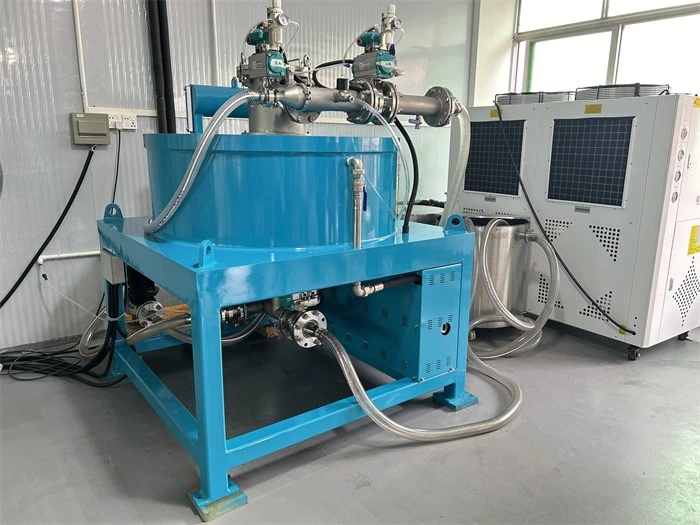
A magnetic separator is a machine that uses a magnet to remove iron and other ferromagnetic materials from nonmagnetic materials. This magnet is quite strong, and it can easily remove small pieces of metal from the skin. There are different types of these devices depending on the need they will serve.

Industries that require clean materials often use magnetic separators. For example, in recycling these devices, sort out metal from plastic, paper, and other recyclable materials. In the mining industry, they are used to liberate valuable metals from the rock mass. A magnetic separator is a device that uses magnetic force to remove metal impurities from a mixture of non-metallic and metallic materials.
Magnetic Separator Working Principle
The magnetic separator's working principle is straightforward yet highly effective. It uses magnets to attract and remove metallic particles from other forms of material. Let's break it down step-by-step:

Magnetic Field Creation
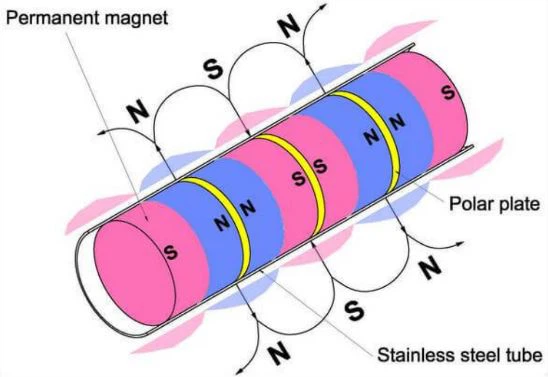
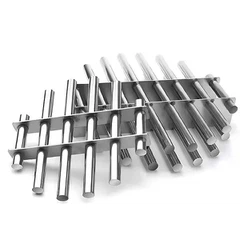
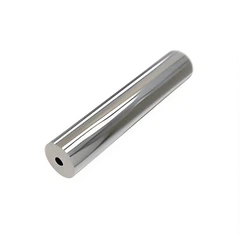
The separator's center contains a magnet. This magnet creates a magnetic field, an invisible force that pulls metal objects toward it. The magnet's size or strength determines how well it can draw metal objects.
Material Flow
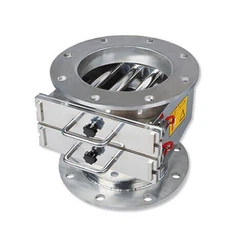
The stream of material, like food, rocks, or plastic, is passed through the separator. This movement is done on a conveyor belt system or through tubing, as determined by the design of the separator.
Metal Attraction
In the process, the magnetic field removes all the metallic particles from the given material. The metal remains attached to the magnet, and the other materials are just moving forward.
Separation
Then, the workers take out and remove the metal pieces. The clean materials go on their way, and there is no more metal to be seen with them. This process is very fast, and in no time, you will have your work done. It operates on both solid materials and liquids, or on whichever substance the separator that is being used requires. The fundamental idea of the magnetic separator, though, is the same across all categories; the design and the usage may vary.
Types of Magnetic Separators
Many kinds of magnetic separators exist, each designed for specific tasks. Here are the most common types.

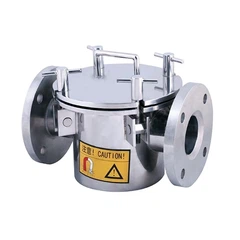
Drum Magnetic Separators
Send Inquiry Now

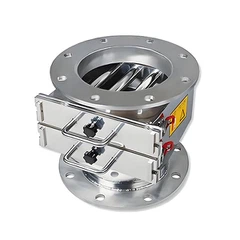
Suspension Magnetic Separators
Send Inquiry Now

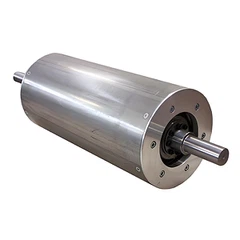
Eddy Current Separators
Send Inquiry Now

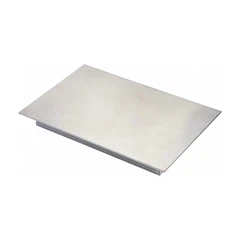
Conveyor Belt Magnetic Separators
Send Inquiry Now
1. Eddy Current Separators
How They Work:
Some separators utilize a rotating magnet. This results in a magnetic field that repels non-ferromagnetic materials such as aluminum and copper from other materials.
Applications:
They are popular in recycling processes. These separators aid in the differentiation between metals, such as aluminum cans, from the plastic or glass ones.
2. Suspension Magnetic Separators
How They Work:
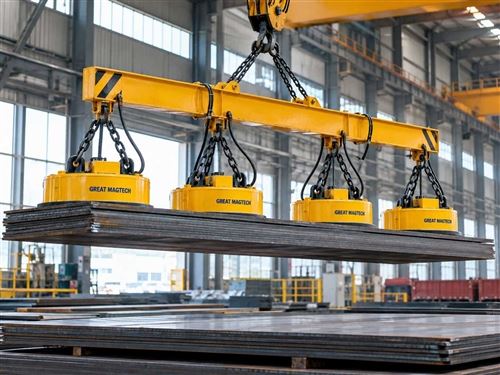
These separators are mounted above a conveyor belt. They catch the metallic pieces as the material passes below them.
Applications:
Mining and food processing industries apply them for the removal of metal particles from large amounts of materials.
3. Conveyor Belt Magnetic Separators
How They Work:
These come with a magnet incorporated into the conveyor belt. During the belt movement, the magnet pulls any metallic particles that are on the belt.
Applications:
They are ideal for use in industries that transport goods on conveyors, such as recycling and manufacturing firms.
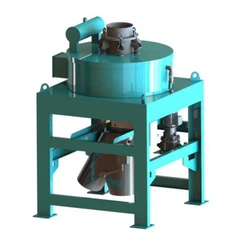
4. Drum Magnetic Separators
How They Work:
These include one that has a drum with a magnet within it. The drum rotates, and the magnet takes away the pieces of metal as the material is conveyed through it.
Applications:
Other common applications include mining and recycling, where they are used to separate metal particles from other materials.
Every type of separator is used in a particular industry. It depends on the materials to be cut and the size of the metal parts to be removed.
Magnetic Separator Type Comparison for Different Applications
Different magnetic separators are used in different working conditions. After understanding the basic types, this table can help you quickly compare which separator may be more suitable for your material and production line.
| Application Condition | Suitable Magnetic Separator | Why It Is Suitable |
|---|---|---|
| Large iron pieces mixed with bulk materials on a conveyor | Suspension Magnetic Separator | It can be installed above the conveyor and remove tramp iron before the material reaches downstream equipment. |
| Continuous separation of iron from crushed or granular materials | Drum Magnetic Separator | It works well for steady material flow and can separate ferrous particles during continuous processing. |
| Materials are transported directly on a conveyor belt | Conveyor Belt Magnetic Separator | It is suitable for production lines where metal removal needs to happen during material conveying. |
| Aluminum, copper, or other non-ferrous metals in mixed waste | Eddy Current Separator | It is designed for separating non-ferrous metals that ordinary magnets cannot remove. |
| High-volume recycling or mining line | Suspension or Drum Magnetic Separator | These systems can handle large material flow and support continuous operation. |
| Limited installation space | Customized Magnetic Separator | The structure can be adjusted according to conveyor width, chute size, and plant layout. |
This table is only a basic selection reference. The final choice should also consider material size, material thickness, conveyor speed, contamination level, and available installation space. For a stable separation result, it is better to match the separator with the actual working condition.
How to Choose the Right Magnetic Separator
Choosing the right magnetic separator depends on the material type, metal contamination, processing capacity, and installation conditions. The right choice helps improve separation efficiency and production performance.

Check the Type of Metal Contamination
The first step is to know what kind of metal needs to be removed. If the material contains iron, steel, or other ferrous metals, a magnetic separator can be used. If the material contains aluminum, copper, or brass, an eddy current separator is usually needed. For mixed waste streams, more than one separation system may be required.
Understand the Material Condition
Different materials flow in different ways. Large bulk materials on a conveyor may need a suspension magnetic separator. Crushed materials, granules, or powder may be more suitable for drum separators or other compact magnetic systems.
Match the Processing Capacity
The separator should match the actual production capacity. If the material layer is too thick or the conveyor speed is too fast, metal particles may not be captured effectively. For high-volume recycling, mining, or bulk handling lines, a continuous separation system is usually more practical.
Consider the Installation Position
Installation space is also important. Some separators are installed above the conveyor, while others are placed inside a chute, at a discharge point, or as part of a conveyor system.
Choose the Right Cleaning Method
Magnetic separators can be designed for manual cleaning or automatic cleaning. Manual cleaning is suitable for lines with low metal contamination and lower processing volume. Automatic cleaning is better for continuous production lines, especially where stopping the line often would affect output.
Work with a Reliable Supplier
A reliable supplier should not only provide a standard machine. They should also check the material type, metal size, processing capacity, and plant layout before making a recommendation. Great Magtech can support custom magnetic strength, equipment size, and installation structure for recycling, mining, food, chemical, and other industrial processing lines.
Applications of Magnetic Separation
Magnetic separation is used widely throughout various industries. It is important for the quality assurance and safety of products. Here are some important uses:
1. Food Industry
Purpose: Rid your kitchen of any metal items in your flour, sugar, cereals, and other food products.
Importance: This step helps preserve the food and also ensures that it is safe for consumption as recommended by health experts.
2. Mining

Purpose: Extraction of iron, gold, copper, etc., from rocks and ores.
Importance: This improves the metal extraction process and reduces wastage.
3. Recycling
Purpose: To separate metal from plastic, paper, or glass during the recycling process.
Importance: This gets valuable metals and also signifies liberated material is consistent.
4. Pharmaceuticals
Purpose: Keep medicines and medical products from having metallic particles.
Importance: This ensures the safety and efficacy of medicines.
5. Waste Management
Purpose: Recycle the metallic items before disposal or disposing of them in the garbage or dumping sites.
Importance: This minimizes the social cost of environmental degradation, and at the same time, it promotes the recycling of materials.
Conclusion
Magnetic separators are widely used to remove unwanted ferrous metals from raw materials and finished products. In many industries, even small metal contaminants can damage equipment, cause production interruptions, or affect product quality. Choosing the right magnetic separator depends on several factors, including the material being processed, particle size, throughput, installation position, and the type of metal contamination that needs to be removed.
Great Magtech supplies magnetic separation equipment for recycling, mining, food processing, chemicals, pharmaceuticals, plastics, and other industrial applications. If you are planning a new production line or looking to improve an existing process, our team can help assess your requirements and recommend suitable magnetic separation solutions. Contact Great Magtech to discuss your application and receive technical guidance tailored to your operating conditions.
FAQ
Q: Can magnetic separators work with wet materials?
A: Yes, but the separator design must match the material condition. Wet materials, slurry, or sticky products may require a different structure from dry powder or bulk materials.
Q: How often should a magnetic separator be inspected?
A: It depends on the working environment and contamination level. In regular production, the magnetic surface, cleaning parts, and installation position should be checked periodically to keep stable performance.
Q: Can magnetic separators be added to an existing production line?
A: Yes. Many magnetic separators can be installed on existing conveyors, chutes, or processing lines. The available space, material flow direction, and equipment layout should be checked before installation.
Q: What details should I provide before requesting a magnetic separator?
A: You can provide the material name, particle size, moisture condition, processing capacity, conveyor width or pipe size, metal contamination type, and installation space. These details help suppliers recommend a more suitable model.
Q: Is manual cleaning or automatic cleaning better?
A: Manual cleaning is suitable for low-contamination lines or small production volumes. Automatic cleaning is better for continuous operation, high material flow, or lines where frequent shutdowns are not practical.