







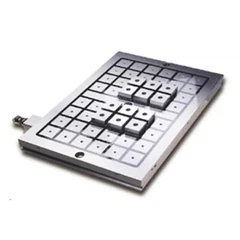


When you process stainless steel, you may find metal particles mixed into your powders, granules, or liquids. Can magnets remove them?
The answer depends on the type of stainless steel and its magnetic properties. Grades such as 304 and 316 are usually non-magnetic, while ferritic and martensitic grades respond more strongly to magnets. Some stainless steel fragments can also become magnetic after cold working.
Understanding these differences helps you choose the right stainless steel separator and test whether magnetic separation will work for your material.
Is Stainless Steel Magnetic?
Stainless steel does not always respond to a magnet in the same way. Its magnetic properties depend mainly on its internal structure and how it has been processed. Some grades are strongly magnetic, while others show little or no attraction.
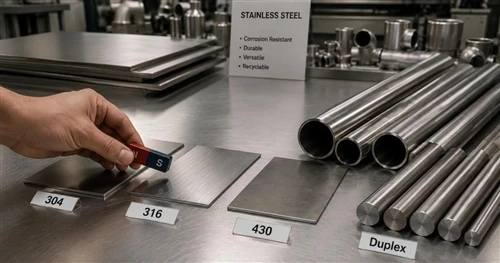
Magnetic and Non-Magnetic Stainless Steel Grades
You can divide stainless steel into four main groups based on their structure and magnetic properties:
• Austenitic stainless steel: Grades such as 304 and 316 are usually non-magnetic or only weakly magnetic. They are widely used in food processing equipment, chemical systems, and industrial pipelines.
• Ferritic stainless steel: Grades such as 430 are generally magnetic. Their iron-based structure allows them to respond to permanent magnets.
• Martensitic stainless steel: Grades such as 410 and 420 are magnetic. You can find them in cutting tools, shafts, and other parts that need high strength.
• Duplex stainless steel: Grades such as 2205 contain both ferritic and austenitic structures. They are generally magnetic, although their magnetic response varies with composition and structure.
These differences matter when you use a stainless steel separator. A magnetic separator can capture stainless steel particles that respond strongly enough to its magnetic field, but it cannot reliably remove all grades.
Why Can Some 304 Stainless Steel Become Magnetic?
Although 304 stainless steel is normally non-magnetic, you may notice magnetic attraction after certain manufacturing processes.
Cold working, such as bending, stamping, cutting, and machining, can change its internal structure. In some areas, this process forms deformation-induced martensite, which has magnetic properties.
As a result, you may find that:
• A flat 304 stainless steel sheet shows little magnetic attraction.
• A bent or heavily worked section responds more strongly to a magnet.
• Machining fragments may have different magnetic responses from the original material.
This explains why some 304 stainless steel particles can be attracted to a strong magnet even when the original material shows little attraction.
However, you should not use a magnet test alone to identify a stainless steel grade. The magnetic response only gives you an initial indication. If you need to confirm the material composition, use a suitable material analysis method.
What Can Magnets Remove from Stainless Steel Processing Lines?
During stainless steel processing, you may find metal contaminants entering your materials from raw ingredients, cutting tools, conveyors, and other equipment. Magnetic separators can help remove these contaminants before they reach the next production stage.
Iron Filings and Metal Shavings
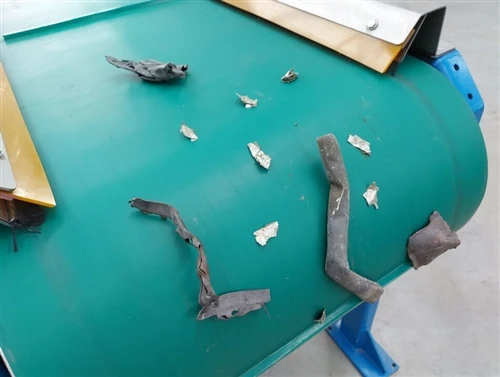
Cutting, drilling, grinding, and machining can leave small metal particles in your production materials. These may include iron filings, carbon steel fragments, and other ferrous debris.
If these particles enter your powders, granules, or liquids, they can affect product quality or damage downstream equipment. A magnetic separator can capture ferrous particles as your material passes through the magnetic field.
Ferrous Wear Particles and Rust Contamination
Metal parts in conveyors, mixers, pumps, and processing machines can wear down over time. This wear may release small iron particles into your production line. You may also find iron oxide or rust particles from corroded steel surfaces.
Magnetic bars and magnetic grates can help collect these contaminants before they move further through the process. However, not all rust or oxide particles respond strongly to magnets. Their capture depends on their composition and magnetic properties.
Work-Hardened Stainless Steel Fragments
Some stainless steel fragments can also respond to magnets. This is more likely with austenitic grades such as 304 after heavy cold working, cutting, or machining. These processes can form magnetic regions within the material.
You may find such fragments around cutting tools, stamped parts, or worn processing equipment. A high-strength magnetic separator may capture them if their magnetic response is strong enough.
However, the magnetic response varies between grades and processing conditions, so not every fragment can be captured.
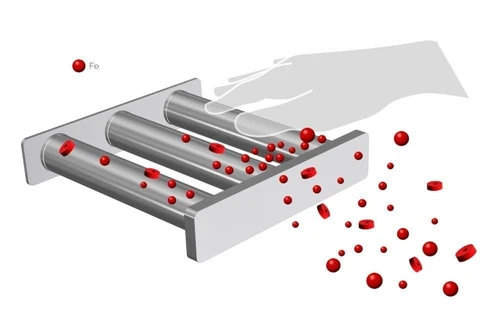
How Does Magnetic Separation Work?
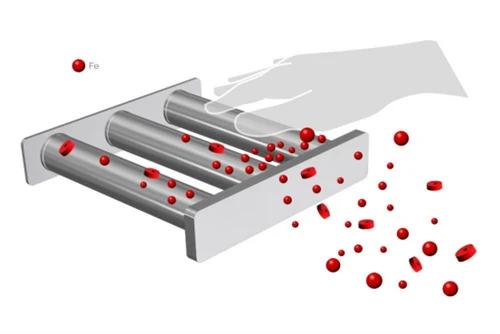
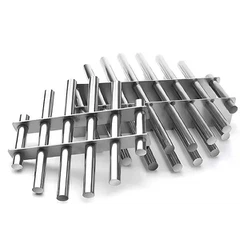
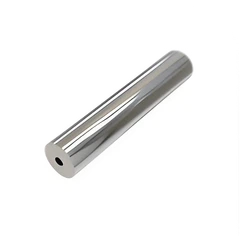
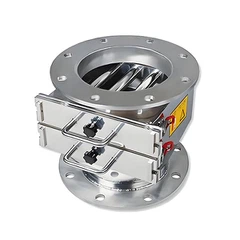
Magnetic separation uses a magnetic field to attract and collect ferrous metal particles from your materials. In a magnetic grate separator, magnetic bars capture iron particles as powders or granules pass through the unit. The particles remain on the bars until you remove them during cleaning.
The separation results depend on the magnetic properties and size of the contaminants, as well as their distance from the magnetic bars.
How to Test If Stainless Steel Is Magnetic?
Before choosing a separator, you need to know whether your material responds to a magnetic field. You can start with a simple magnet test.
Test Stainless Steel with a Permanent Magnet
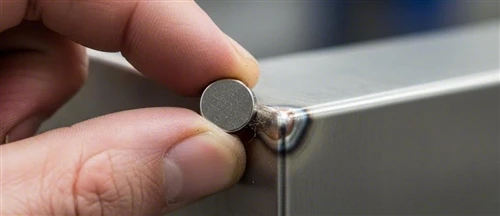
Place a permanent magnet close to your stainless steel sample and observe the attraction. Test several areas, especially if the material has been cut, bent, stamped, or machined.
• Strong attraction: The material is likely magnetic, such as ferritic or martensitic stainless steel.
• Weak attraction: The material may be cold-worked 304 stainless steel or another weakly magnetic grade.
• Little or no attraction: Common with untreated 304 and 316 stainless steel.
This test gives you a quick indication of magnetic properties, but it cannot confirm the exact grade.
Use a Material Identification Test
If you need to identify the stainless steel grade, use a suitable material analysis method. An X-ray fluorescence (XRF) analyzer can help identify its chemical composition and distinguish common grades such as 304 and 316.
This is useful when you cannot identify the material from its markings or technical documents. Keep in mind that XRF checks material composition, while a magnet test checks magnetic response. They answer different questions.
How to Choose the Right Magnetic Separator for Your Application
Choosing a magnetic separator depends on your material, the type of metal contaminants, and your production conditions. You should also consider how often you need to clean the equipment and whether it must fit an existing production line. Start with these factors before deciding on a model.
| Application | Common Contaminants | Recommended Separator | Notes |
| Dry powders and granules | Iron filings, ferrous particles | Magnetic Grate | Suitable for hoppers and chutes |
| Food processing | Ferrous metal fragments | Easy-Clean Magnetic Grate | Easier cleaning and maintenance |
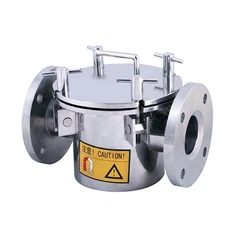
| Liquids and slurries | Magnetic metal particles | Magnetic Liquid Trap | Designed for liquid pipelines |
| Special production lines | Application-specific magnetic contaminants | Custom Magnetic Separator | Based on material and installation needs |
Select a Magnetic Grate Separator for Powders and Granules
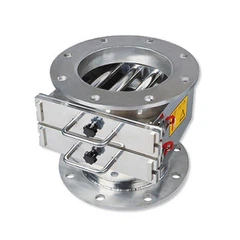
If you process powders, granules, or other free-flowing materials, a magnetic grate separator can help remove ferrous contaminants during material flow. Its magnetic bars attract iron particles as the material passes through the unit.
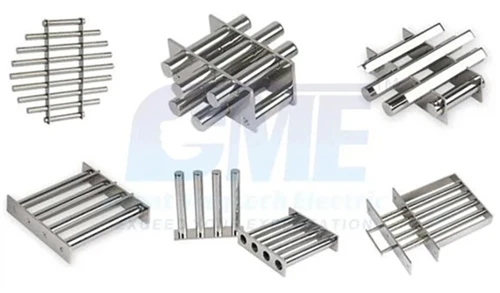
When selecting a magnetic grate separator, consider:
• Material type: Check whether you process fine powders, coarse granules, or mixed materials.
• Magnetic bar arrangement: Choose a layout that allows your material to pass close to the magnetic surfaces.
• Cleaning method: Consider how easily you can remove collected metal particles during routine cleaning.
For food processing lines where regular cleaning is important, you can consider a food grade easy-clean magnetic separator grid.
Consider Stainless Steel Construction and Cleaning Requirements
The housing material matters when you choose an industrial magnetic separator. You may need different stainless steel grades depending on your working environment.
• SS304: Commonly used in general food processing and industrial applications.
• SS316L: Often preferred when you need better resistance to corrosion, especially in certain wet or chemically demanding environments.
You should also check whether the magnetic bars are easy to remove and clean. If your production line handles sticky or fine materials, cleaning access becomes especially important.
For these applications, you can review Great Magtech's stainless steel magnetic grate.
Evaluate Processing Capacity and Installation Conditions
Your magnetic separator must match the way your production line operates. Before selecting a model, check:
• Processing capacity: Make sure the separator can handle your required material flow rate.
• Installation space: Check the available dimensions and connection points in your existing equipment.
• Contaminant characteristics: Consider particle size, magnetic response, and the amount of metal contamination.
• Operating conditions: Review temperature, moisture, and material properties that may affect equipment performance.
If standard models do not fit your production requirements, you can discuss custom dimensions, magnetic strength, and structural designs with the manufacturer.
Test your actual material before confirming the final configuration, so you can base your choice on separation results rather than specifications alone.
What Are the Limitations of Magnetic Separation?
Magnetic separation works well for ferrous contaminants, but it cannot remove every type of metal from your production materials. Some cold-worked fragments may respond to a strong magnetic field, but their removal depends on their magnetic properties.
You should also understand the difference between a magnetic separator and a metal detector:
• Magnetic separator: Attracts and collects magnetic metal particles, such as iron and carbon steel fragments.
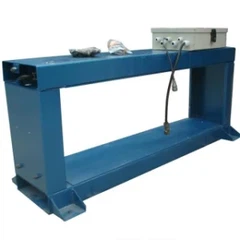
• Metal detector: Detects different types of metal contamination, including many non-ferrous and stainless steel particles. It can trigger an alarm or a rejection system when metal is detected.
If your production line needs to remove magnetic iron particles, a magnetic separator may be suitable. If you also need to detect non-magnetic stainless steel or other metal contaminants, you may need a metal detector or another separation method.
The right choice depends on the types of contaminants you need to control, not just the stainless steel grade.
Conclusion
Stainless steel separation depends on the magnetic properties of the material you need to remove. While magnetic separators can capture iron particles and some work-hardened stainless steel fragments, they cannot reliably remove standard non-magnetic 304 and 316 stainless steel. Before choosing a stainless steel separator, test your actual material and consider your production conditions.
Great Magtech offers magnetic grate separators with different stainless steel constructions and customization options to suit your application. Contact our team to discuss your material and separation requirements.
FAQ
Q: Can a Magnetic Separator Remove Stainless Steel from Water?
A: Yes, a magnetic separator can remove magnetic metal particles from water, including iron fragments and some magnetic stainless steel particles. You can use a magnetic liquid trap or inline magnetic filter in liquid processing systems. However, standard 304 and 316 particles generally cannot be reliably captured by ordinary magnetic separators.
Q: Does Stainless Steel Lose Its Magnetic Properties Over Time?
A: Stainless steel does not normally lose its magnetic properties simply through regular use. Its magnetic response mainly depends on its composition and internal structure. However, heat treatment, cold working, and other processing conditions can change its magnetic behavior.
Q: Can You Use a Magnetic Separator for Fine Stainless Steel Particles?
A: Yes, if the particles have enough magnetic response to be captured. Fine particles can be harder to collect because their magnetic attraction is affected by particle size, magnetic properties, and distance from the magnetic bars. You should test your actual material to check whether the separator can capture them.
Q: How Often Should You Clean a Magnetic Separator?
A: Cleaning frequency depends on how much metal contamination enters your production line and how often you operate the equipment. If you process materials with high contamination levels, you may need to clean the magnetic bars more often. Regular inspection also helps prevent collected metal from building up and affecting separation.
Q: Can a Magnetic Separator Work Continuously in a Production Line?
A: Yes. You can install magnetic grate separators in hoppers, chutes, and other material handling systems to capture ferrous contaminants as materials pass through. However, you still need a suitable cleaning schedule to remove collected particles and maintain performance during continuous production.
Q: Does a Stainless Steel Magnetic Separator Need SS304 or SS316L Construction?
A: The choice depends on your working environment. SS304 works well in many general industrial and food processing applications. SS316L offers better resistance to many corrosive environments, especially those involving chlorides. You should consider the materials being processed, cleaning chemicals, moisture, and operating conditions before selecting the stainless steel grade.