









Hump magnets are a popular product in industries such as food processing, recycling, mining, and manufacturing. They offer high-efficiency magnetic separation, low maintenance requirements, and customizability to meet specific application needs. However, that's not all. There are different types of hump magnets, each with its unique function. In the following guide, let's explore more about what is a hump magnet, its key components, types, and which one to invest for long-term product quality and safety!
What is a Hump Magnet?
A hump magnet is a specialized magnetic separator popular in various industries. Its primary purpose is to remove ferrous contaminants from free-flowing materials like grains, powders, plastics, and other granular substances.
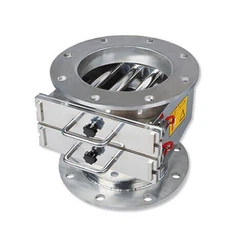
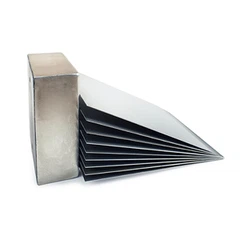
This unique device gets its name from the recognizable hump-shaped casing that houses powerful magnets specifically designed for attracting and capturing ferrous particles within the product stream.
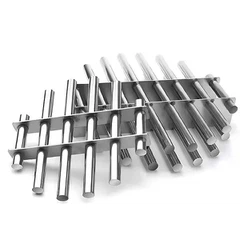
In a typical hump magnet, key components consist of magnetic plates or grids placed within the housing. As the material passes through the magnet, it attracts ferrous particles, effectively separating them from the rest of the product. The contaminants are then captured on the magnetic surface while the clean product continues to flow through the outlet.

Use of Magnetic Separation in a Hump Magnet
Hump magnets are commonly employed in various industries as a type of magnetic separator. Their purpose is to separate ferrous contaminants from different materials. This separation process relies on the inherent magnetic properties exhibited by certain materials.
For instance, ferrous materials like iron, nickel, and cobalt possess a strong magnetic tendency. To create a magnetic field for separation, three types of magnets are utilized: permanent magnets, electromagnets, or superconducting magnets. By generating lines of force within their fields, these magnets exert forces that pull the magnetic particles in the material being processed.
So, hump magnets are magnetic separators that use strong permanent magnets enclosed within a hump-shaped casing. These magnets attract ferrous contaminants as materials pass through the hump magnet, thus isolating them from the product stream.
This application of hump magnetic separation is widely used in industries such as food processing, recycling, mining, and manufacturing to maintain high product quality and safety standards. The captured contaminants stick to the surface of the magnet, allowing clean products to continue through the outlet.

Key Components & Operation of a Hump Magnet
Let's take a look at the key components of a hump magnet:
● Hump-Shaped Casing: The outer casing of a hump magnet is typically made of stainless steel or another durable material. Its unique hump shape facilitates the material's flow through the magnet, exposing it to the magnetic field for effective separation.
● Magnetic Plates or Grids: These internal components do the most work in magnetic separation. These magnetic plates or grids are positioned inside the casing and generate the powerful magnetic field necessary for attracting and capturing ferrous contaminants within the material stream.
● Inlet and Outlet: Hump magnets have inlet and outlet points designed for the seamless flow of materials. The inlet enters the mixture, while the outlet allows the cleaned product to exit after magnetic separation.
Using these components, a hump magnet attracts and captures metal bits from materials that flow through it. The entire process can be divided into three steps:
1. First, the materials to be separated are introduced into the inlet of the hump magnet. These can include granular products like grains, powders, or plastics, which may contain ferrous contaminants like iron or steel particles.
2. Next, as the materials move through the hump magnet, powerful magnetic fields generated by internal magnets attract any ferrous contaminants. These contaminants are then drawn toward the surface of the magnet, which separates them from the rest of the product stream.
3. Lastly, as the clean product continues to flow through the outlet, the captured contaminants remain firmly attached to the magnet.
Types of Hump Magnet
There are two primary types of hump magnets, standard and self-cleaning. Both have unique cleaning mechanisms and differences, as described below:
Manual Cleaning (Standard Hump Magnets)
In the case of standard hump magnets, the cleaning process requires a temporary halt in material flow. Once the magnet loses its effectiveness due to accumulated contaminants, maintenance personnel manually remove the magnetic plates or grids.
The collected ferrous materials are dislodged using specialized tools or by wiping them off the magnet's surface. Although this method is effective, it does result in downtime for maintenance purposes.
Self-Cleaning Mechanism (Self-Cleaning Hump Magnets)
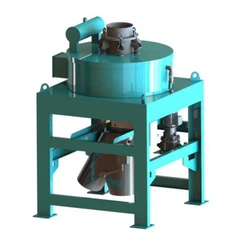
Self-cleaning hump magnets provide a more efficient solution to removing contaminants. These magnets are equipped with an automated cleaning mechanism that periodically removes the accumulated ferrous particles.
This is achieved by moving the magnetic plates or grids out of the product flow and into a separate area where the particles are released into a designated collection container.
By automating this process, self-cleaning hump magnets minimize downtime and reduce the need for manual intervention, making them highly practical for continuous production processes.
To help you understand better, here is a side-by-side comparison for both types of hump magnets:
Standard Hump Magnet | Self-Cleaning Hump Magnet | |
Cleaning Mechanism | Manual removal of captured contaminants, requiring downtime for maintenance | Automated mechanism periodically removes captured contaminants, minimizing downtime |
Maintenance | Requires manual cleaning, which can be labor-intensive and may result in product loss | Requires less manual intervention, reducing labor and minimizing product loss |
Downtime | Cleaning process leads to downtime for maintenance, potentially affecting production | Minimal downtime as cleaning can occur without halting production, enhancing operational efficiency |
Efficiency | Effective in capturing ferrous contaminants but may require frequent cleaning | Effective in capturing ferrous contaminants, with automated cleaning maintaining high efficiency |
Application Flexibility | Suitable for applications with lower production volumes and downtime tolerance | Ideal for continuous production processes where downtime must be minimized |
Long-Term Operational Cost | May have slightly higher long-term operational costs due to manual maintenance | Generally lower long-term operational costs as automated cleaning reduces labor and downtime expenses |
Product Loss | Potential for product loss during manual cleaning | Minimal to no product loss during automated cleaning |
Advantages and Limitations of Hump Magnet
Hump magnets have some incredible advantages but also a few limitations. Let's take a closer look.
Advantages
Here are a few top advantages of hump magnets:
● High-Efficiency Magnetic Separation: Hump magnets are super efficient at doing what they're made for. That is, getting rid of metal bits from different materials. They have strong magnets that make sure even the tiniest metal pieces are captured, leaving the product clean and safe.
● Low Maintenance and Operational Costs: Hump magnets are known for low-maintenance. They don't need a lot of repair, so they don't cost much to keep running smoothly.
● Customizability for Specific Needs: One great thing about hump magnets is that they can be customized to fit the needs of different industries and products.
● Minimal Downtime: Downtime slows things down, but with hump magnets, especially the self-cleaning ones, downtimes are rare. They can keep working even when they're full of metal bits, so the production line doesn't have to stop.
Limitations
Now, let's look at a few limitations of hump magnets:
● Limited to Ferrous Material Separation: Hump magnets have great power, but it's a bit specific. They can only deal with ferrous materials, which are things like iron and steel. For non-ferrous stuff, like aluminum or copper, they won't help.
● Potential for Product Loss During Cleaning (If Manual): Manual hump magnets can be a bit tricky. When they're cleaned by hand, some product might be lost along with the metal bits. This is one reason self-cleaning hump magnets are becoming popular in today's world, as they cause lesser product loss while cleaning.
● May Not Be Suitable for Very Fine Materials: When dealing with super fine materials, like powders or really tiny particles, hump magnets might not be the best choice. The magnets may not capture the super-small metal pieces effectively in these cases.
Should You Choose a Manual or Self-Cleaning Hump Magnet?
If you are confused between a manual and self-cleaning hump magnet, remember to consider factors such as efficiency, cost-effectiveness, and operational convenience as your basic requirements.
While both options serve the purpose of separating ferrous contaminants from materials but opting for a self-cleaning hump magnet offers several compelling advantages.
First and foremost, self-cleaning hump magnets are essential in reducing downtime. By operating continuously without frequent interruptions for manual cleaning, they ensure a seamless production process. As a result, higher productivity and long-term cost savings are achieved.
Secondly, self-cleaning hump magnets offer enhanced efficiency by consistently capturing contaminants without compromising performance over time. Their automated cleaning mechanisms effectively minimize product loss, resulting in reduced waste and a higher yield.
In other words, choosing a self-cleaning hump magnet is an investment in streamlined operations, lower long-term operational costs, and enhanced product quality. So, when seeking the best in magnetic separation, go for a self-cleaning hump magnet!
Looking for the Best Self-Cleaning Hump Magnet?
Are they dealing with removing metal bits from materials in pneumatic conveyor systems? The Self-Cleaning Efficiency Magnetic Hump Magnet Separators by GME is an ideal solution.
This hump magnet is designed to work seamlessly in dusty environments, thanks to its dust-proof galvanized steel casing. With two powerful magnetic plates placed cleverly at right angles to each other, the separator promises thorough extraction of ferrous particles through the material.
Furthermore, what sets it apart is its ability to keep materials flowing smoothly without causing turbulence or blockages. Any unwanted metal bits are automatically drawn out, leaving you with clean, safe materials. Plus, there's an inspection window for a quick check on the magnets' performance.
You have options, too! Whether you prefer manual or pneumatic versions, this hump magnet caters to your needs. The pneumatic version, in particular, makes removing collected ferrous particles as easy as pushing a button.
At GME, we are the worldwide leader in supplying top-quality permanent magnets and magnetic solutions for industries, research, and engineering. We're dedicated to offering great quality, fair prices, and excellent service to our customers. You are welcome to discover a variety of magnetic chucks and industrial magnetic and lifting devices that are designed to meet your specific needs.