



















In a world driven by invisible forces, ring magnets are the unsung heroes of attraction and repulsion. These unassuming circular powerhouses may not grab headlines, but they are the magnetic marvels that silently shape our lives. With a hollow core and a magnetic personality, ring magnets have a secret: they make the world spin, speakers sing, and even save lives in the quiet corners of hospitals. From the roar of a stereo system to the gentle hum of a generator, this article explores the captivating world of ring magnets, delving into their workings, applications, and the magnetic magic that keeps the world in motion.
What Are Ring Magnets?
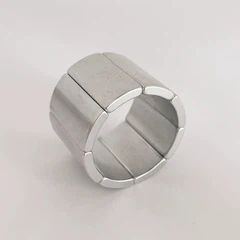
Ring magnets, as the name suggests, possess a circular shape with a hollow center. This distinctive design sets them apart from conventional disc magnets, renowned for their versatility and utility. The central cutout in ring magnets provides them with a wide range of applications, making them exceptionally well-suited for various uses.
How Do Ring Magnets Work?
Ring magnets operate on the principles of magnetism, which revolve around the attraction and repulsion of magnetic materials. These magnets are typically made from different materials, with neodymium rings being the most powerful. Neodymium, a rare earth magnetic material, offers exceptional magnetic strength.
The way ring magnets function is by generating a magnetic field that extends from the north pole to the south pole. The hollow center of the ring does not affect this magnetic field's strength; instead, it allows for unique applications due to its shape. This magnetic field can attract or repel ferromagnetic materials, such as iron or steel, based on the magnet's polarity.
In the case of neodymium ring magnets, their strength makes them particularly useful in applications requiring a strong magnetic force. They are utilized in various fields, including:
Applications of Ring Magnets:
● Loudspeakers and Stereo Systems: Neodymium ring magnets are a vital component in audio equipment, contributing to the production of clear and powerful sound. The magnets help in driving the diaphragms of speakers, which vibrate and produce sound waves.
● Motors and Sensors: The automotive industry and other high-tech applications extensively use neodymium ring magnets in motors and sensors. These magnets provide the necessary magnetic field for sensor operation and motor rotation, contributing to the efficient functioning of vehicles and electronic devices.
● Generators: In critical environments like hospitals, where uninterrupted power is essential, neodymium ring magnets are employed in generators. These generators ensure that crucial electronic equipment remains operational during power outages, potentially saving lives in emergencies.
● Technology: The ever-evolving world of technology, including robotics and consumer electronics, relies on neodymium ring magnets. These magnets play a pivotal role in the functionality of various devices, making them smaller, lighter, and more efficient.
● Medical Devices: A fascinating example of ring magnet use is in hospitals, where they are employed to neutralize malfunctioning implantable cardioverter-defibrillators (ICDs). When an ICD malfunctions, it can deliver inappropriate shocks to the patient's heart, leading to potential harm or even death. Medical professionals have discovered that applying a ring magnet to the patient's chest corrects this malfunction, offering a life-saving solution.
● Scientific Experiments and Demonstrations: Ring magnets also find their place in the world of science. They are used for educational purposes, from conducting simple demonstrations for students to illustrating the principles of magnetic force. These demonstrations show how two magnets either attract each other or repel away, making them valuable tools for teaching and learning.
● Affordable Options: In applications where extreme magnetic strength is not necessary, ceramic and alnico ring magnets are popular choices. These magnets offer affordability and widespread availability, making them suitable for various uses.

How to Choose the Right Ring Magnet
Magnets, those unassuming yet remarkably versatile devices, are integral to countless applications, from holding pictures on your fridge to powering intricate machinery. However, the task of selecting the ideal magnet for your specific application can be a daunting one. With many shapes, sizes, and materials, each possessing unique properties, where do you begin when selecting the perfect ring magnet?
Fortunately, we're here to provide you with guidance on how to choose the right ring magnet for your project, covering essential aspects such as magnet strength, size, shape, material, and temperature considerations.
Magnet Material
Ring magnets are available in a range of materials, each with its unique properties. The most common magnet materials include neodymium, ferrite, alnico, and samarium cobalt.
● Neodymium magnets are the most robust material available. They are ideal for applications that demand powerful magnetic forces.
● Ferrite magnets are more cost-effective but slightly less powerful. They serve well in applications where extreme strength is optional.
● Samarium cobalt magnets offer excellent temperature resistance, making them suitable for applications exposed to elevated temperatures.
● Alnico magnets are known for their strength and the highest maximum operating temperature among permanent magnets. They don't suffer irreversible losses in performance until temperatures reach 525°C.
Magnet Strength
The first and foremost consideration when choosing a ring magnet is its strength. Magnet strength is typically measured in units like Gauss or Tesla, with higher values signifying more potent interests. However, there's another essential measurement of magnet strength to consider: pull strength. Pull strength is the force required to pull the magnet straight from a steel plate vertically.
The strength of the ring magnet you require will depend entirely on your specific application. If you need more certainty about the power required for your project, feel free to contact our team for free, no-obligation advice.
Temperature Considerations
The temperature to which your ring magnet will be exposed in your application must be considered when selecting. Different magnet materials exhibit varying temperature behaviors.
● Standard-grade neodymium magnets have a maximum operating temperature of 80 degrees Celsius. Beyond this threshold, they experience irrecoverable losses in performance. High-temperature grades of neodymium magnets with higher maximum operating temperatures are available for extreme conditions.
● Samarium cobalt magnets are not as strong as neodymium magnets at room temperature but have a better temperature coefficient for both remanence (Br) and resistance to demagnetization (Hci).
● Alnico magnets boast the highest maximum operating temperature among permanent magnet materials and don't suffer irreversible losses in performance until temperatures reach 525°C.
● Ferrite magnets, in a unique twist, become more resistant to demagnetization as their temperature increases. However, their strength decreases as their temperature rises, albeit slower.
Magnet Size
Another crucial consideration revolves around the dimensions of your ring magnet. Frequently, the requirements of your application may already specify the necessary size. Nevertheless, procuring a ring magnet of the appropriate dimensions constitutes a pivotal step in selecting the right one.
Generally, diminutive ring magnets possess lesser strength, yet they offer adaptability and facilitate usage in particular applications. Conversely, larger ring magnets exhibit greater potency and are better suited for demanding tasks, but they may incur higher costs. Thus, your selection of size should harmonize with the particular demands of your project.
Magnet Shape
Ring magnets come in various shapes, including bars, rings, discs, horseshoes, cubes, and rectangles. The shape of the ring magnet you choose will have a direct impact on its usefulness in your application.
The choice of the magnet's shape should be closely tied to the demands of your project. For instance, a disc-shaped ring magnet may be ideal for mechanical applications, while horseshoe magnets are commonly used for holding objects securely in place.
Advantages of Ring Magnets
Ring magnets offer several advantages:
● Diverse Applications: Their unique design and varying magnetic strengths make them suitable for various applications.
● Strong Magnetic Force: Neodymium ring magnets, in particular, provide a powerful magnetic force, enabling efficient operation in demanding applications.
● Efficiency: They contribute to the efficiency of devices and systems, whether generating electricity, producing sound, or powering motors.
● Educational Tools: Ring magnets are excellent tools for educational purposes, allowing students to explore the principles of magnetism.

Limitations of Ring Magnets
Despite their many advantages, ring magnets also come with limitations and considerations:
● Safety Concerns: Strong neodymium magnets can be dangerous if mishandled. They can potentially cause injury or damage if not used with caution.
● Temperature Sensitivity: Some magnets may lose their magnetic properties at high temperatures, so they are not suitable for applications in extreme heat.
● Cost: While ceramic and alnico magnets are more affordable, neodymium magnets can be relatively expensive due to their rare earth material.
Safety Precautions and Handling
To ensure the safe use of ring magnets, follow these precautions:
● Avoid Pinching: Neodymium magnets are powerful and can pinch or trap fingers or other objects. Handle them carefully and avoid placing them in situations where they could cause harm.
● Keep Away from Electronics: Strong magnets can affect electronic devices. Keep them away from sensitive equipment, credit cards, and magnetic media.
● Storage: Store magnets in a secure place, away from children and pets, to prevent accidental ingestion or injury.
● Temperature Considerations: Be aware of temperature limits, as excessive heat can demagnetize specific magnets.
Conclusion
In conclusion, ring magnets, with their distinctive design and magnetic properties, play a vital role in numerous applications across various industries. From powering loudspeakers and generators to saving lives by correcting malfunctioning medical devices, these magnets offer versatility and utility. To tap into the power of magnetism efficiently and safely, select the right ring magnet. Keep in mind their limitations, especially with strong neodymium magnets. Ring magnets exemplify how well-designed technology can impact our daily lives and advance science and technology.