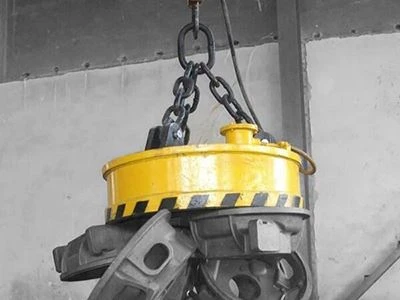
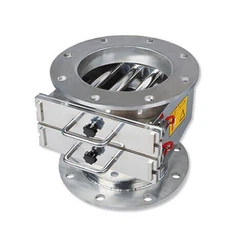
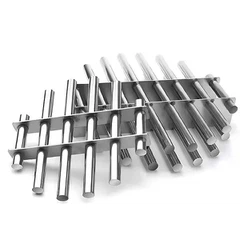









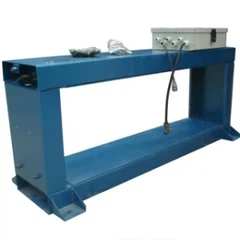


Cross Belt Magnetic Separators are a remarkable innovation in material handling and separation technology. These versatile devices play a crucial role in various industries, ensuring the purity and quality of materials. Whether you're in mining, recycling, food processing, or construction, understanding how crossbelt magnetic Separators work and their applications is vital. In this comprehensive guide, we'll delve deep into the principles behind these magnetic separators, explore the different types and their components, and discuss their real-world applications. We'll also highlight the numerous benefits they offer, from improved product purity to cost savings and environmental advantages.

Types and Variations of Cross Belt Magnetic Separators
Cross Belt Magnetic Separators come in various types and configurations, each tailored to suit specific industrial applications and material separation needs. Understanding these variations is crucial for choosing the right separator for your operation. Here, we'll explore the primary types and their key characteristics.
Permanent vs. Electromagnetic
Cross Belt Magnetic Separators can be categorized into two main types - permanent and electromagnetic. Permanent magnets maintain their magnetic strength continuously, while electromagnetic separators rely on electrical power to generate a magnetic field. Electromagnetic separators offer greater control and adaptability.
Single Belt vs. Multi-Belt Configurations
These separators are available in single-belt and multi-belt configurations. Single-belt separators are suitable for smaller-scale operations, while multi-belt configurations are ideal for high-capacity applications, allowing for simultaneous separation of different materials.
Specialized Designs
Some Cross Belt Magnetic Separators feature specialized designs for specific materials or industries. For example, models are designed to handle fine powders, large objects, or abrasive materials, ensuring efficient separation without damage.
How Cross Belt Magnetic Separators Work
Cross Belt Magnetic Separators are remarkable devices designed to efficiently and effectively separate materials by utilizing the principles of magnetic attraction. These separators are integral to various industries, including mining, recycling, and manufacturing, where the purity and quality of materials are of paramount importance.

The basic working principle of Cross Belt Magnetic Separators involves using a powerful magnetic field generated by either permanent magnets or electromagnets. This magnetic field is strategically positioned above a moving conveyor belt, which carries the material to be separated. As the material travels under the magnetic field, the magnetic particles within it are attracted to the surface of the conveyor belt. This magnetic attraction causes the particles to be pulled away from the non-magnetic ones, resulting in a separation of the two.
The separated magnetic material, also known as the "tramp metal," is then carried away from the conveyor belt and deposited in a separate collection area. At the same time, the non-magnetic material continues on the conveyor for further processing.
Key Components and Their Functions in Cross Belt Magnetic Separators
Cross Belt Magnetic Separators are complex machines designed to efficiently separate materials by exploiting magnetic forces. Understanding the key components and their functions is essential for maximizing the performance of these separators in various industries, including mining, recycling, and manufacturing.
Conveyor Belt Systems
The conveyor belt serves as the transport medium for the material to be separated. It moves beneath the magnetic field, ensuring all materials are exposed to the magnetic force. High-quality, durable conveyor belts are essential to withstand the rigors of industrial applications.
Magnetic Pulleys
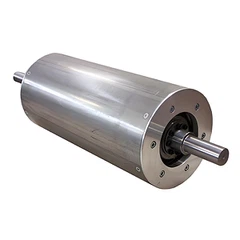
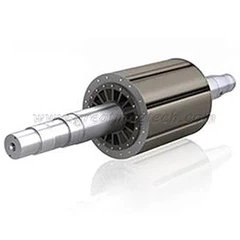
Magnetic pulleys, typically installed at the head of the conveyor, play a pivotal role in enhancing the magnetic separation process. They contain powerful magnets that generate a strong magnetic field, increasing the attraction and retention of magnetic materials. Magnetic pulleys are particularly valuable when dealing with bulk materials.
Control Systems and Sensors
These components are responsible for regulating the strength of the magnetic field and ensuring precise separation. Control systems allow operators to adjust the intensity of the magnetic field based on the material type, volume, and separation requirements. Sensors provide real-time feedback on the separator's performance, enabling automatic adjustments to optimize the process.
Magnetic Materials
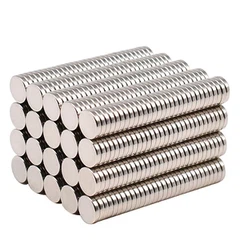
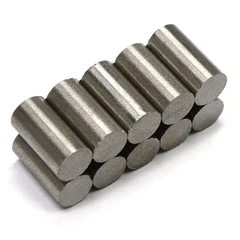
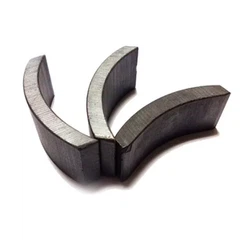
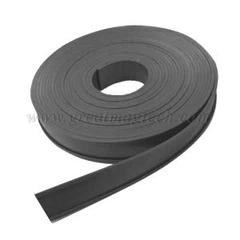
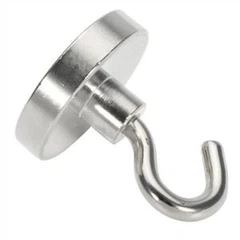
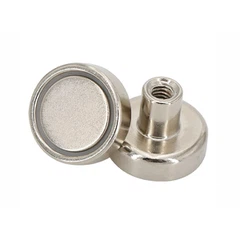
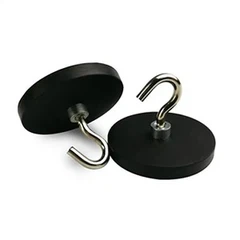
The choice of magnetic materials is crucial for achieving effective separation. Cross Belt Magnetic Separators use various types of magnets, such as neodymium, ferrite, and rare earth magnets, depending on the specific application. These magnets create a magnetic field to attract and separate ferrous materials from non-ferrous ones.
Frames and Supports
Sturdy frames and supports maintain the structural integrity of the separator. These components ensure the correct alignment of the conveyor belt and pulleys and contribute to the overall stability and longevity of the equipment.
Cleaning Mechanisms
To maintain separator efficiency, some models are equipped with automatic cleaning mechanisms. These mechanisms remove captured ferrous materials from the surface of the conveyor belt, preventing accumulation that can interfere with the separation process.
Benefits of Using Cross Belt Magnetic Separators
Cross Belt Magnetic Separators have become indispensable tools in various industries, and for good reason. Their application offers many benefits that enhance the efficiency, productivity, and environmental impact of material processing and handling. Here, we delve into the key advantages of using these separators.

Improved Product Purity
One of the primary benefits of Cross Belt Magnetic Separators is their ability to enhance product purity. They efficiently remove ferrous materials from the bulk, ensuring the final product is free from unwanted contaminants. This is crucial in industries like food processing and recycling, where product quality is paramount.
Increased Operational Efficiency
These separators facilitate smoother material flow, preventing clogs, jamming, or equipment damage caused by unwanted ferrous materials. As a result, production processes can operate continuously and efficiently, minimizing downtime and costly maintenance.
Cost Savings
By preventing damage to downstream equipment and reducing material waste, Cross Belt Magnetic Separators contribute to significant cost savings. They also decrease the need for manual labor to remove contaminants, which can be time-consuming and expensive.
Environmental Benefits
Utilizing Cross Belt Magnetic Separators in material processing can have a positive environmental impact. With cleaner, uncontaminated materials, there's less waste and less need for disposal. This aligns with sustainable and eco-friendly practices, reducing the environmental footprint of various industries.
Versatility
Cross Belt Magnetic Separators are versatile and adaptable to different materials and applications. Their magnetic strength and settings can be adjusted to suit the specific needs of an industry, making them a valuable addition in diverse sectors, from mining to recycling and beyond.
Minimal Maintenance
With well-designed systems and automated cleaning mechanisms, these separators require minimal maintenance. They can operate continuously with little operator intervention, further reducing operational costs.
Enhanced Workplace Safety
Removing potentially hazardous ferrous materials from the processing stream enhances workplace safety. It reduces the risk of equipment damage, operational interruptions, and injuries that may occur due to manual removal of contaminants.
Consistent Quality Control
Cross Belt Magnetic Separators play a vital role in quality control by ensuring the uniformity and consistency of the end product. In industries like mining, where ore quality affects downstream processes, these separators are essential for maintaining high standards.
High Processing Capacities
These separators are capable of handling high volumes of materials efficiently. Their design allows for continuous processing, making them suitable for industries with demanding production needs.
Regulatory Compliance
Many industries must stick to strict regulations regarding product quality and environmental impact. Cross Belt Magnetic Separators help meet these compliance standards, ensuring that products meet quality and safety requirements.
Pros
Cross Belt Magnetic Separators effectively remove ferrous contaminants from materials, ensuring the final product's purity and quality.
These separators prevent equipment damage and material blockages, leading to smoother and more efficient production processes.
Reduced downtime, maintenance, and labor costs contribute to significant cost savings for businesses.
Removing contaminants leads to less waste and a smaller environmental footprint, aligning with sustainable practices.
Cross Belt Magnetic Separators can be tailored to different materials and applications, making them suitable for a wide range of industries.
Cons
Acquiring and installing Cross Belt Magnetic Separators can be a substantial upfront investment, which may deter some businesses.
While maintenance is generally minimal, occasional upkeep is still necessary to ensure the continued efficiency of the separators.
Applications Across Industries for Cross Belt Magnetic Separators
Cross Belt Magnetic Separators find widespread use across diverse industries, offering a versatile solution for material separation and quality control. Their adaptability and efficiency make them indispensable in the following sectors:
Mining and Mineral Processing
In the mining industry, Cross Belt Magnetic Separators are crucial for extracting and separating valuable minerals from ore. They remove unwanted tramp metal, ensuring the quality and purity of the final product. These separators contribute to increased yields and reduced equipment wear and damage.

Recycling and Waste Management
Recycling facilities employ Cross Belt Magnetic Separators to efficiently sort and separate ferrous materials from recyclables. This helps maintain the purity of recycled materials and minimizes contamination, making the recycling process more efficient and environmentally friendly.
Food and Pharmaceutical Industries
Food and pharmaceutical manufacturing require strict quality control. Cross Belt Magnetic Separators are utilized to remove metal contaminants from raw materials and final products, ensuring consumer safety and compliance with industry regulations.
Construction and Aggregate Industries
In the construction and aggregate sectors, these separators extract and segregate ferrous materials from raw materials, such as sand, gravel, and concrete. This enhances material quality and equipment performance.
Wood and Paper Industries
Cross Belt Magnetic Separators are utilized to remove metal particles and tramp metal from wood and paper processing streams. By eliminating contaminants, these industries maintain product quality and protect machinery from damage.
Plastics and Rubber Processing
Cross Belt Magnetic Separators help separate metal contaminants from plastic and rubber materials during manufacturing. This improves product quality, reduces equipment wear, and enhances overall efficiency.
Textile and Clothing Manufacturing
In the textile and clothing industries, these separators eliminate metal contaminants from fabrics and materials, ensuring that the end products meet quality standards.
Glass Production
Glass manufacturers use Cross Belt Magnetic Separators to remove metal impurities from raw materials, ensuring the integrity and transparency of the final glass products.
Ceramics and Pottery
Cross Belt Magnetic Separators assist in removing ferrous materials from clay and ceramic processing, leading to improved material quality and the prevention of equipment damage.
Selecting the Right Cross Belt Magnetic Separator
Choosing the appropriate Cross Belt Magnetic Separator is essential to ensure efficient material separation and quality control in your application. Here are key considerations to guide your selection:
Material Characteristics
Understanding the composition of the materials you need to separate is paramount. Consider factors like material size, shape, and magnetic susceptibility. Different materials may require specific magnetic strengths or configurations.
Conveyor Belt Width and Speed
Ensure the separator's width matches your conveyor belt's width to cover the entire material flow. The conveyor speed should also align with the separator's capacity for optimal performance.
Magnetic Field Strength
Evaluate the strength of the magnetic field generated by the separator. The magnetic field's intensity should be appropriate for the materials you work with, as higher-strength magnets are required for some applications.
Type of Magnet
Decide between permanent and electromagnetic separators. Permanent magnets offer reliability, while electromagnetic models provide flexibility in magnetic field control. Choose the one that best suits your operational requirements.
Installation and Maintenance
Consider ease of installation and maintenance. Some models come with automated cleaning mechanisms that simplify maintenance. Ensure that the separator is easily accessible for periodic checks and servicing.
Application-Specific Features
Some Cross Belt Magnetic Separators offer specialized features to cater to unique materials or conditions. Look for features like self-cleaning mechanisms or technical belt materials for enhanced performance.
Budget and Cost of Ownership
Balance your budget constraints with long-term cost-effectiveness. While initial investment is a consideration, remember that efficient separators can lead to significant savings over time through reduced downtime and maintenance.
Industry Standards and Regulations
Ensure that the selected separator complies with industry standards and regulations. This is crucial in applications where quality control and safety standards are stringent.
Consultation with Experts
If in doubt, consult with experts in the field of magnetic separation. They can provide valuable insights and help you decide based on your needs.
Conclusion
Cross Belt Magnetic Separators are indispensable tools in material processing and quality control across diverse industries. Their ability to enhance product purity, increase operational efficiency, and reduce costs while ensuring environmental responsibility makes them a valuable asset. Choosing the right separator for specific applications is essential for reaping these benefits fully. As technology and industry measures continue to evolve, the role of crossbelt magnetic Separators in ensuring high-quality and efficient material handling remains unwavering.