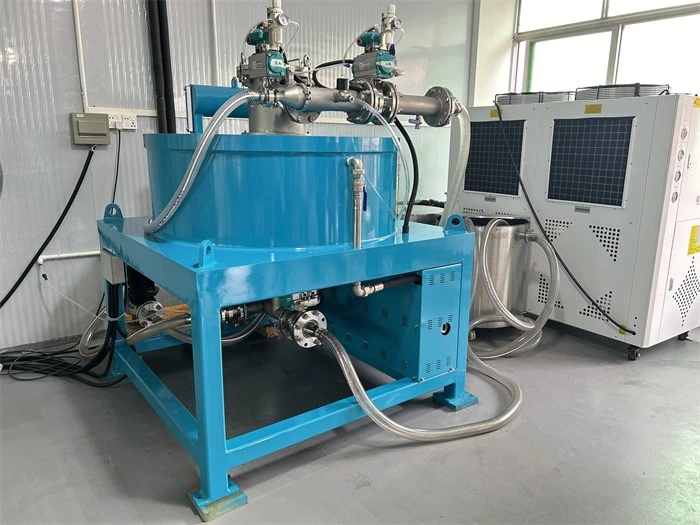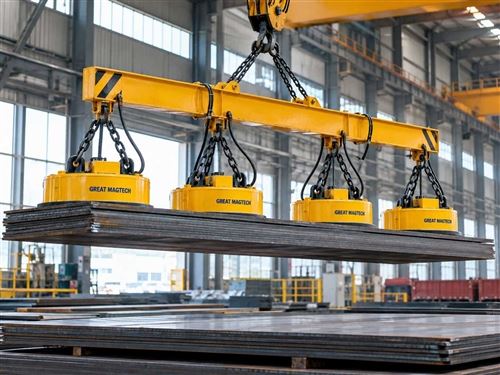
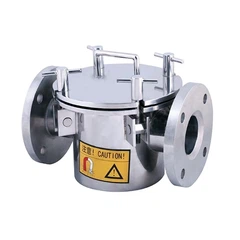
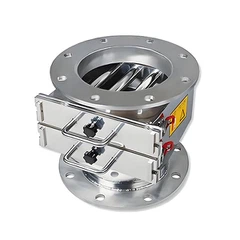
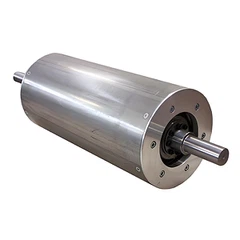
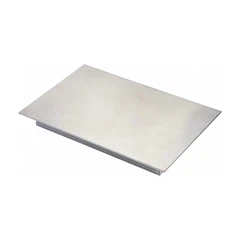
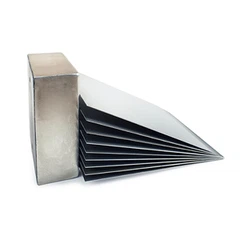
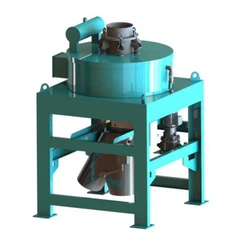

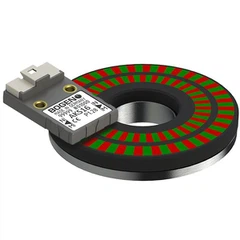
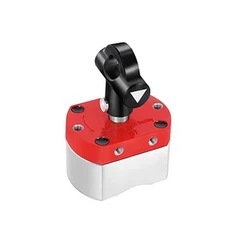









The efficient separation of magnetic particles from different substances ensures product quality and process integrity. Two practical approaches to accomplishing this separation are self-cleaning and manual magnetic separators. These technologies are critical in different industries, ranging from mining and recycling to food handling and pharmaceuticals.
Self-cleaning magnetic separators utilize inventive systems to automatically eliminate accumulated ferrous pollutants from the separation surface. They are highly appealing for continuous and high-volume production environments because of their improved operational efficiency and reduced downtime. However, manual magnetic separators depend on human intervention for the periodic removal of magnetic contaminations, giving an efficient and cost-effective solution.
What Is a Self-Cleaning Magnetic Separator?
A specialized piece of equipment called a self-cleaning magnetic separator automatically removes ferrous materials or tramp metal from the flow of materials in various industrial processes. Its essential capability guarantees the end product's purity and quality by effectively separating and eliminating undesirable magnetic contaminants.
Key Features of Self-Cleaning Magnetic Separators
Automatic Cleaning: The separator removes collected ferrous metal without regular manual cleaning. This helps reduce production stops in continuous lines.
Continuous Operation: Self-cleaning designs often use a belt, drum, pulley, or scraper system to carry metal away from the magnetic surface.
Suitable for High Material Flow: They are useful when the line handles large volumes of material or when frequent manual cleaning is not practical.
More Moving Parts: Compared with manual magnetic separators, self-cleaning models may require more attention to belts, motors, scrapers, bearings, and discharge areas.
Common Configurations: Typical types include self-cleaning overband magnets, crossbelt magnets, magnetic drums, and magnetic pulleys.
What Is a Manual Magnetic Separator?
A manual magnetic separator is a central piece of equipment designed to separate magnetic materials from non-magnetic substances in different industrial processes. Compared with self-cleaning magnetic separators, a manual magnetic separator requires human intervention to remove accumulated ferrous contaminants. This methodology makes it a cost-effective solution for applications where the volume of material processed is moderate and periodic maintenance can be accommodated without critical disturbances to production.

Key Features of Manual-Magnetic Separators
Manual Cleaning: Operators need to stop or pause the process and remove collected metal from the magnetic surface by hand.
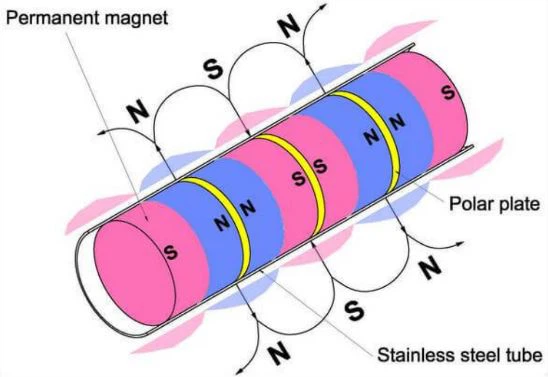
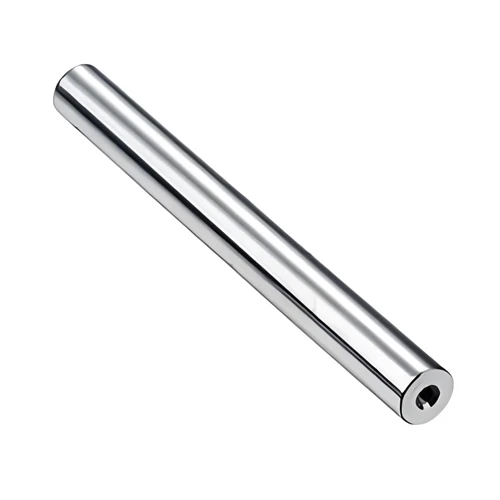
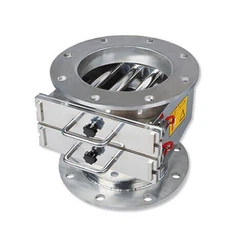
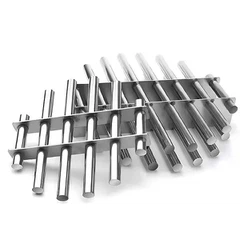
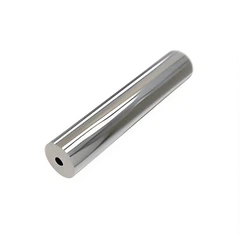
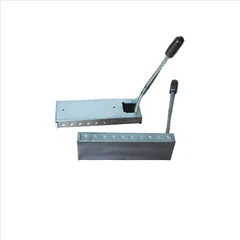
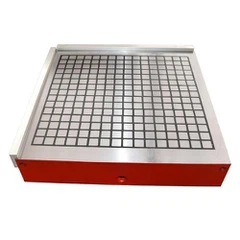
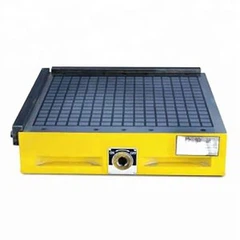
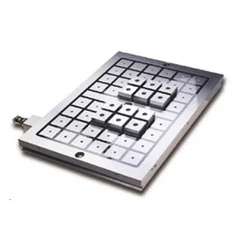
Simple Structure: Manual designs usually have fewer moving parts. Common types include magnetic grates, drawer magnets, plate magnets, magnetic bars, and manual drums.
Lower Upfront Cost: Because the structure is simpler, manual magnetic separators usually cost less than self-cleaning systems.
Easy Inspection: Operators can directly check the magnet surface during cleaning, which helps monitor the amount and type of collected metal.
Best for Moderate Flow: Manual separators are suitable when cleaning can be arranged during normal production stops and operator access is safe.
Self-Cleaning vs Manual Magnetic Separators: Which One to Choose?
| Selection Factor | Self-Cleaning Magnetic Separator | Manual Magnetic Separator |
|---|---|---|
| Material flow | Better for continuous or high-volume flow | Better for small or medium flow |
| Cleaning method | Removes collected metal automatically | Requires manual cleaning by operators |
| Downtime | Helps reduce cleaning stops | Needs planned stops for cleaning |
| Labor requirement | Lower daily cleaning labor | More operator involvement |
| Upfront cost | Usually higher | Usually lower |
| Maintenance focus | Belt, motor, scraper, and discharge area | Magnet surface, cleaning access, and cleaning schedule |
| Best fit | Conveyor lines, recycling, mining, bulk handling | Food powders, plastics, chemicals, ceramics, small batch lines |
| Main risk | Higher cost and more moving parts | Missed cleaning may reduce separation performance |
A self-cleaning magnetic separator is a better fit when the line runs continuously, and frequent manual cleaning would interrupt production. A manual magnetic separator remains practical when the material flow is lower, metal contamination is limited, and operators can clean the magnet safely during scheduled stops.
Where These Separators Are Commonly Used
Self-cleaning and manual magnetic separators are used across many industries, but the application depends on the material condition and cleaning requirements. You should consider whether the material is dry, wet, sticky, free-flowing, coarse, or fine.
Dry Bulk Materials
Dry bulk materials include grain, plastic pellets, minerals, and recycled material. Metal pieces are often mixed in during handling, conveying, crushing, or storage. In these lines, magnetic separators are used to capture iron and steel before they move further through the process.
Powders and Fine Granules
Flour, sugar, chemical powder, ceramic powder, and fine plastic granules need closer contact with the magnet. Small metal particles are harder to catch if the material layer is too thick or the flow is uneven. Magnetic grates, drawer magnets, and plate magnets are common choices in these applications.

Recycling and Mixed Materials
Recycling materials are often uneven in size and shape. Plastic flakes, mixed waste, wood chips, scrap, and crushed material may contain nails, wire, screws, or small steel pieces. A separator with a suitable cleaning method helps prevent metal buildup during operation.
Food and Pharmaceutical Materials
Food and pharmaceutical lines need more attention to cleaning and inspection. Stainless steel construction, smooth welding, surface finish, and easy access are important. The separator should be simple to clean and should not create hidden material buildup.
Mining and Heavy Bulk Handling
Mining and heavy bulk handling often involve abrasive material, large feed sizes, and tramp metal. Magnetic separators are used to remove iron parts that may damage equipment or affect downstream processing.
What to Confirm Before Choosing
When choosing a self- or manual-cleaning magnetic separator, consider real working conditions-not just price or magnetic strength, as even strong magnets can perform poorly if flow, cleaning access, or installation space is unsuitable.
Material Condition
Check what material you are processing. Is it powder, granule, lump material, liquid, or mixed waste? You also need to confirm whether it is dry, wet, sticky, dusty, abrasive, or easy-flowing. These details affect the separator type and cleaning method.
Metal Contamination
You should know what kind of metal needs to be removed. Large iron pieces, fine steel particles, and weakly magnetic metal may need different magnetic designs. The amount of metal contamination also affects how often cleaning is needed.
Line Capacity
Confirm the flow rate, belt speed, pipe size, or chute size. If the material layer is too thick or moves too fast, the magnet may not capture metal well.
Cleaning and Access
Think about who will clean the separator and how often. Manual cleaning needs safe access. Self-cleaning designs need enough space for metal discharge and maintenance.
Installation Requirements
Before ordering, prepare drawings, photos, material information, and basic line dimensions. These details help the supplier recommend a separator that fits your process.
Conclusion
Self-cleaning and manual magnetic separators solve the same problem, but they affect daily operation in different ways. A self-cleaning model can reduce manual cleaning and keep material moving, but it also needs discharge space and more attention to belts, motors, scrapers, or moving parts. A manual model is simpler and easier to inspect, but it depends on regular operator cleaning.
The right choice should match how often metal is collected, how easy it is to stop the line, and whether workers can clean the magnet safely. If cleaning is missed, even a strong magnet may lose separation performance.
For a more accurate recommendation, share your material type, flow rate, contamination level, installation space, and cleaning method with Great Magtech. We can help compare self-cleaning and manual magnetic separator options for your line.
FAQ
Q: What is the main difference between a self-cleaning and manual magnetic separator?
A: The main difference is how collected metal is removed. A self-cleaning magnetic separator discharges metal automatically, while a manual magnetic separator needs operators to clean the magnet by hand.
Q: When should you choose a self-cleaning magnetic separator?
A: You should choose a self-cleaning separator when the line runs for long hours, handles a large material flow, or cannot stop often for cleaning.
Q: Are self-cleaning magnetic separators always better?
A: No. They reduce manual cleaning, but they cost more and have more moving parts. For simple lines, a manual separator may be easier to use and maintain.
Q: Can both types be customized?
A: Yes. Both self-cleaning and manual magnetic separators can be customized by size, magnet strength, structure, inlet and outlet design, material contact parts, and cleaning requirements.
Q: Which type is easier to maintain?
A: Manual separators usually have a simpler structure and fewer moving parts. Self-cleaning separators need checks on belts, motors, scrapers, bearings, and discharge areas.
Q: Does magnet strength alone decide separation performance?
A: No. Magnet strength is important, but it is not the only factor. Material depth, flow speed, installation distance, particle size, and cleaning frequency also affect the result.
Q: Can self-cleaning magnetic separators be used in food production?
A: Yes, but the design must meet food-grade requirements. Stainless steel contact parts, smooth welds, easy access, and clean discharge areas should be checked before selection.