






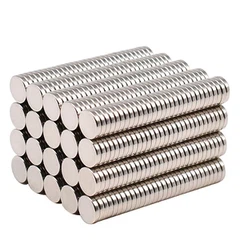
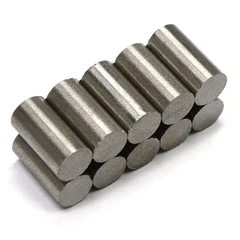



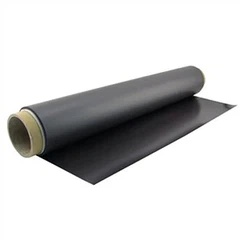
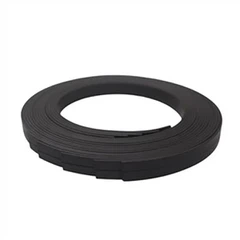


















In the intricate world of magnets, the choice of coating is as crucial as the magnet itself. Different applications demand various coatings to enhance durability, resist corrosion, and ensure optimal performance. This article delves into a detailed analysis of specific magnet coatings, unraveling their unique properties, applications, and the advantages they bring to diverse industries.
Nickel Coating: The Universal Protector
Overview
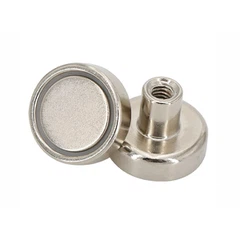
Nickel coating stands as the go-to choice for a universal protective layer on magnets. Known for its corrosion resistance and affordability, nickel coatings find applications in a myriad of industries.
Applications
Electronics: Nickel-coated magnets are widely used in electronic devices, providing a protective layer against environmental factors and ensuring stable performance.
Automotive: In sensors and motors, nickel coatings safeguard magnets from harsh automotive conditions, contributing to the longevity of these components.
Advantages
Corrosion Resistance: Nickel provides a reliable shield against corrosion, making it an ideal choice for applications exposed to moisture and varying temperatures.
Epoxy Coating: Where Precision Meets Protection
Overview
Epoxy coatings offer a precision layer that adheres tightly to magnet surfaces. This coating is particularly valued for its insulation properties.
Applications
Medical Devices: Epoxy-coated magnets are prevalent in medical applications due to their biocompatibility and ability to withstand sterilization processes.
Electronics: In applications where electrical insulation is crucial, epoxy-coated magnets prevent short circuits and enhance safety.
Advantages
Biocompatibility: Epoxy coatings are non-toxic and safe for medical applications, ensuring patient well-being in devices like MRI machines.
Gold Coating: The Mark of Elegance and Corrosion Resistance
Overview
Gold coatings, while adding a touch of elegance, also provide excellent corrosion resistance and conductivity.
Applications
Electronics: Gold-coated magnets are ideal for delicate electronic components, offering both protection and enhancing electrical conductivity.
Luxury Goods: In applications where aesthetics matter, gold-coated magnets find their place in high-end consumer goods.
Advantages
Conductivity: Gold's conductivity makes it suitable for applications where maintaining electrical performance is critical.
Zinc Coating: Balancing Protection and Affordability
Overview
Zinc coatings strike a balance between protection and affordability, making them a popular choice for various industrial applications.
Applications
Renewable Energy: Zinc-coated magnets contribute to wind turbines, where cost-effectiveness and durability are paramount.
Automotive: In non-exposed automotive components, zinc coatings provide a cost-efficient protective layer.
Advantages
Cost-Effectiveness: Zinc coatings offer effective protection without a hefty price tag, making them an economical choice.
Polymer Coating: Tailored Solutions for Specialized Applications
Overview
Polymer coatings, including PTFE (Polytetrafluoroethylene) and other plastics, provide tailored solutions for specific applications.
Applications
Food Industry: PTFE-coated magnets are used in food processing, where non-stick properties are crucial for hygiene.
Chemical Industry: Resistant to various chemicals, polymer-coated magnets find applications in corrosive environments.
Advantages
Customizability: Polymer coatings can be tailored to meet specific requirements, making them suitable for niche applications.
Conclusion
Choosing the Right Coating for Optimal Performance
As we navigate the diverse landscape of magnet coatings, it becomes evident that each type serves a specific purpose dictated by the demands of the application. The choice of coating is a critical decision, impacting the magnet's longevity, performance, and even its aesthetic appeal. By understanding the unique properties and advantages of each coating, industries can make informed decisions, ensuring that magnets continue to play an integral role across a spectrum of applications.