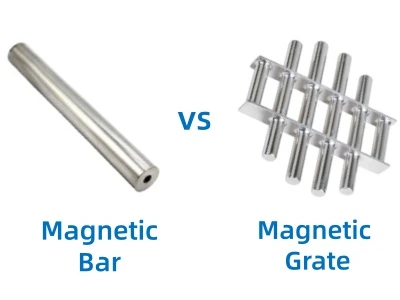
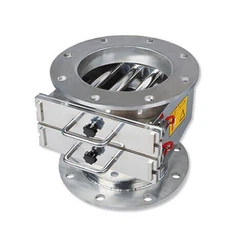
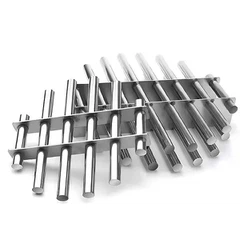


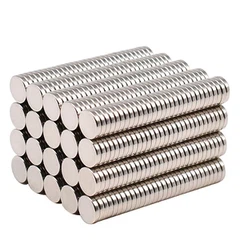
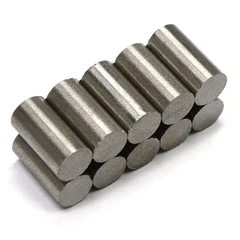
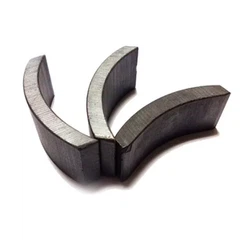
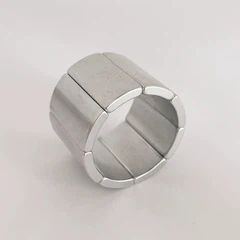

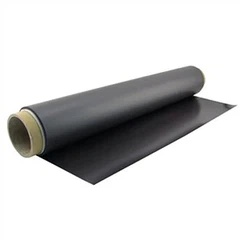







Magnetic separator conveyor belts move things from one place to another in factories. Some conveyor belts have magnets. The magnets take away pieces of metal that shouldn't be there. This makes the product cleaner. It also stops metal from breaking machines further down the line. There are a few types of these magnetic separator conveyor belts. Each one works best in certain situations. Knowing the differences lets you pick the right one.
Types of Magnetic Separator Conveyor Belts
There are several standard designs for conveyor-based magnetic separator belts, each with its strengths. Moving forward, we'll describe the main types in use today.
Permanent Magnetic Separator Conveyor Belts
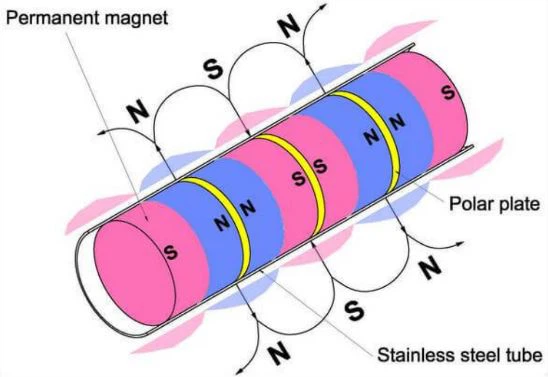
Some conveyor belts have permanent magnets inside them or under them. When stuff moves over the magnets, they pull iron pieces onto the belt. The belt carries the iron pieces away so they don't stay mixed with the other stuff.
Permanent magnet belts work best at taking out bigger chunks of iron. Stronger magnets can grab smaller bits of iron.
Permanent magnet belts keep working without any power. They don't need maintenance. They can work with almost any material.
Permanent magnet belts are suitable when not too much iron is mixed in. They can grab loose iron before it breaks equipment down the line. They aren't as good if a lot of iron needs constant removal.
Permanent magnets always have their magnetism. It doesn't turn off. The magnets are built into the belt. So they always grab iron as the belt moves. Permanent belts don't need any upkeep. The magnets always work without electricity. These belts can remove iron from all kinds of stuff. They're great when iron shows up every so often. But if there's iron all the time, other belts work better.

Electromagnetic Separator Conveyor Belts
Some conveyor belts use electricity to make magnetism. They can turn the magnets on and off to grab and release iron pieces.
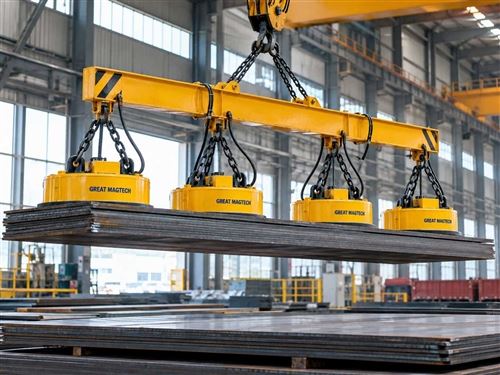
In these belts, the electromagnet sticks under the belt. When it turns on, the magnet pulls the iron up to the bottom of the belt. Turning the magnet on and off at the right times can pick up iron from the stuff moving on the belt. Then, it drops the iron off into a bin.
Unlike permanent magnet belts, electromagnetic belts can get very tiny iron pieces. You can adjust the magnet's power and timing to work best for what's moving on the belt.
But electromagnetic belts need power to run the magnets. And turning the magnet on and off wears the belt out faster over time.
Electromagnetic belts work great when you need to remove lots of iron bits. Because you can control the magnet, they get more of the iron out.
Permanent magnets are always on. Electromagnets turn on and off to grab and release iron. You can adjust electromagnetic strength and timing. But they need electricity and wear out faster. They're ideal for heavy-duty iron removal.
Self-Cleaning Magnetic Separator Conveyor Belts
Some conveyor belts have permanent magnet drums at the front roller. When stuff moves under the drum, the magnet grabs any iron pieces and holds them to the drum.
As the drum turns away, it goes through an area that cancels the magnetism. This makes the iron pieces drop off into a chute. Then, the drum goes back to grab more iron.
The drum cleaning itself this way means the belt can run steadily without much maintenance. It takes out a constant flow of loose iron from the belt.
Self-cleaning drums with some iron mixed in are good for materials. They get ironed out all the time without turning magnets on and off. But very tiny iron bits might stay behind.
The permanent magnet drum picks up iron pieces from the belt. As it turns, it enters an area that cancels the magnetism. This releases the iron into a chute. Then, the drum returns to grab more.
Because the drum cleans itself, these belts remove iron nonstop without much upkeep. They work well for moderate iron levels. But they may miss microscopic particles.

Permanent Magnetic Pulley Separators
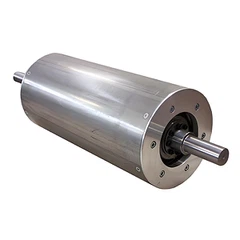
Some conveyor belts have permanent magnets built into one of the rollers. As stuff moves over the roller, any iron gets pulled and stuck on the surface. This takes out the iron from the rest of the material.
One good thing about these magnetic rollers is you can adjust how strong the magnetism is. Moving the magnet toward or away from the roller surface changes magnetism. This lets you customize how well it grabs iron pieces.
Magnetic rollers don't need a lot of care. The roller spins continuously so iron doesn't build up too much. But they need occasional cleaning depending on how much iron is being removed.
These rollers work well for grabbing big chunks of iron that show up randomly on the belt. They aren't as good at getting small bits out or when a ton of iron is mixed in.
Permanent magnets go inside a roller. Iron sticks to the roller as it spins. You can move the magnet to adjust its strength. The roller spins to avoid buildup. It needs occasional cleaning. This removes occasional big iron pieces from belts. It could be better for small bits or heavy iron levels.

Considerations for Selecting a Magnetic Separator Conveyor
Here are some things to think about when picking a magnetic belt:
What kinds of metal need removing? Big chunks or tiny bits? Permanent magnets get big pieces. Electromagnets get small bits.
Will the stuff on the belt work with a magnet? Wet, sticky, or fragile stuff may not do well. Make sure the belt will work with your material.
Is there a little or a lot of metal mixed in? A little metal needs to be removed sometimes. Lots of metal needs constant removal.
Is the belt wide enough, and can it handle the amount of stuff? The magnets need to fit the belt size and capacity.
Will the belt need frequent cleaning? Some spots need more maintenance. Self-cleaning belts need less.
Electromagnets cost more upfront and to run but get more metal out.
Moisture, heat, or vibration can impact performance and belt life.
Considering these factors carefully will lead to the correct magnetic belt. This gives the best metal removal for your situation.
Cleaning and Maintenance of Magnetic Separator Conveyors
Keeping magnetic belts clean and working right is essential. Metal bits stuck to the magnets or rollers will make them worse at grabbing iron over time.
Follow the instructions from the maker for how often to clean them and the best ways to do it. Some options are:
Using alternating current electricity turns off the magnetism so the metal lets go.
Scraping or brushing metal pieces off of magnetic drums or rollers.
Running alternating solid current through the belt to demagnetize stuck iron bits.
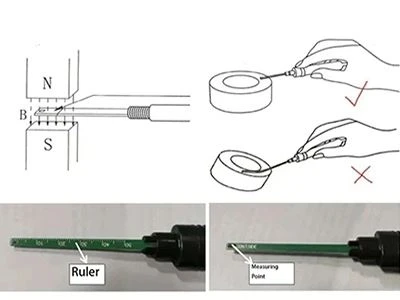
Regular maintenance like lubricating, adjusting belt tightness, and replacing worn belts prevent surprise breakdowns. The magnets should be tested now and then. Remagnetizing or replacing them keeps the separators grabbing metal.
Magnetic belts can reliably remove iron from stuff with proper care for many years. This gives high-quality output and protects delicate machines further down the line.
Proper cleaning and maintenance keep magnetic belts working their best. Metal buildup makes them less effective. Follow manufacturer cleaning recommendations. Test magnet strength periodically. Well-maintained separators provide long-term, reliable iron removal.
Integrating Magnetic Separators into Conveyor Systems
Properly installing magnetic separators is crucial for achieving the best tramp metal removal. The separators should be positioned in the conveyor system where the flow and thickness of the material on the belt allow for maximum exposure to the magnets. Slow belt speeds and thin layers of the product enable the metal contaminants to make tight contact with the surfaces of the separators.
Faster-moving conveyors with thicker material beds can sometimes carry the metal pieces through before they become fully captured by the magnetic field. Adjusting the conveyor speed and optimizing the product profiles can maximize the amount of metal the separators can extract.
It is also essential to consider the path and discharge point of the separated metals. The particles should be released in a clear area of the main product flow so they do not become mixed back in. The drums and pulleys on self-cleaning separators need to rotate fully back into the magnetic zone to allow the collected metal pieces to drop away.
Advances in Magnetic Separation Technology
The technology for magnetic separation keeps getting better. This makes it better at grabbing metal, meeting stricter purity rules, and working in more uses.
Things like stronger rare earth magnets, adjustable electromagnetic circuits, and magnet movers help pull out smaller, weaker, and less magnetic bits of metal. New designs can hold onto and collect more metal pieces. "Smart" self-cleaning separators automatically adjust to work best.
Improved magnetic belts can handle more products like powders, thick liquids, and fragile things. They have features to control dust and materials that meet clean requirements.
With ongoing improvements, magnetic separation can be used for more purposes. Processors can better control purity without hurting the material or speed. This improves quality, efficiency, and profits in industries dealing with loose metal.
The technology keeps advancing. Stronger magnets, smarter circuits, and designs get more metal, including small and weak particles. Belts now handle more products like powders, liquids, and fragiles. Ongoing advances expand the use of magnetic separation. This improves control of purity and profits.

Conclusion
Magnetic belts are flexible, tough, and easy to care for. They take out loose metal from moving materials.
Permanent magnet belts constantly and automatically remove bigger pieces of metal that show up sometimes. Electromagnetic belts actively turn the magnetism on and off to release small metal bits. Self-cleaning magnetic drums provide automated separation without power cycling. The best magnetic belt depends on the product, contamination level, capacity, environment, and cost.
Knowing the types of magnetic belts and how they differ lets processors pick the right one. This allows efficient, money-saving metal removal and high-purity final products.