







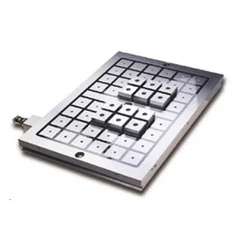


Scrap yards handle large amounts of steel scrap, rebar, pipes, structural metal, and mixed ferrous waste every day. In many operations, loading speed and material handling efficiency directly affect daily processing volume and overall profit.
Slow lifting cycles, unstable scrap handling, and high power consumption can all reduce operating efficiency during continuous scrap processing. Traditional lifting systems may also create unnecessary downtime and higher operating costs.
Because of this, electro permanent lifting magnets are widely used in modern scrapyard operations. These lifting systems can help improve scrap handling efficiency while reducing continuous power usage during operation. In many crane lifting applications, electro permanent lifting magnets are used for faster loading, more stable lifting, and smoother scrap handling under changing scrapyard conditions.
Key Takeaways
Electro permanent lifting magnets help scrapyards move steel scrap faster and more efficiently during daily operations. Unlike traditional electromagnets, they do not need continuous electricity while lifting and can keep holding material during a power interruption. These magnets are commonly used for handling steel scrap, rebar, pipes, and mixed ferrous waste in crane lifting systems. Choosing the right lifting magnet depends on scrap weight, material shape, crane setup, and working conditions. Proper magnet positioning, regular inspection, and stable lifting performance can help reduce handling delays and improve overall scrapyard efficiency.
Why Scrapyards Use Electro Permanent Lifting Magnets
Scrap yards often process large amounts of ferrous scrap within limited operating time. In many facilities, lifting efficiency directly affects how much material can be loaded, sorted, or transferred during each work shift.
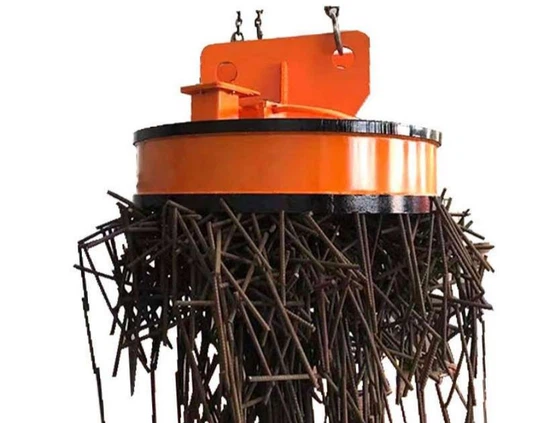
High Scrap Volume Requires Faster Handling
Steel scrap, rebar, pipes, and structural metal are usually moved continuously throughout the day. Slow lifting cycles can reduce processing speed and create bottlenecks around loading areas, sorting zones, or truck handling stations.
Traditional Scrap Handling Can Increase Operating Pressure
Some traditional lifting systems require continuous electrical power during operation or involve more manual handling during scrap movement. Over time, this may increase energy consumption, equipment stress, and operator workload in high-volume scrapyard environments.
Frequent handling interruptions can also affect crane efficiency during daily operations.
Irregular Scrap Creates Lifting Challenges
Scrap yards rarely process perfectly shaped material. Mixed scrap piles often contain uneven steel pieces, loose ferrous waste, long rebar sections, or irregular structural metal.
These conditions can make stable lifting more difficult, especially when material contact surfaces vary during handling.
What Is an Electro Permanent Lifting Magnet?
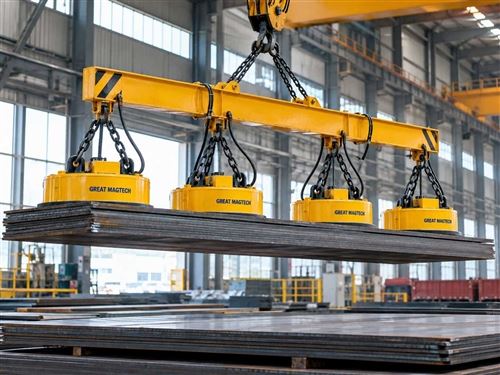
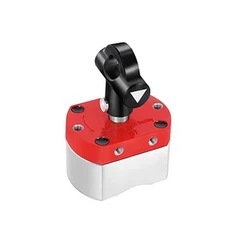
An electro permanent lifting magnet is a magnetic lifting system commonly used for handling steel plates, scrap metal, structural steel, and other ferrous materials in industrial lifting operations. These magnets combine permanent magnetic materials with electrical switching control to create a magnetic holding force during lifting.
They are widely used in scrapyards, steel plants, warehouses, and crane lifting systems where stable material handling is required.
How Electro Permanent Magnets Work
Electro permanent lifting magnets use a short electrical pulse to switch the magnetic force ON or OFF. Unlike traditional electromagnets, electricity is not required continuously during the lifting process.
Once activated, the magnet maintains its holding force without continuous power input.
This allows the lifting system to keep holding scrap material even if external power is interrupted during operation.
Difference Between Electromagnets and Electro Permanent Magnets
Traditional electromagnets require continuous electrical power to maintain the magnetic force while lifting material. If power is lost, the magnetic force disappears immediately.
Electro permanent lifting magnets work differently because power is only used during magnetic switching. This can reduce continuous energy consumption and lower heat generation during long operating hours.
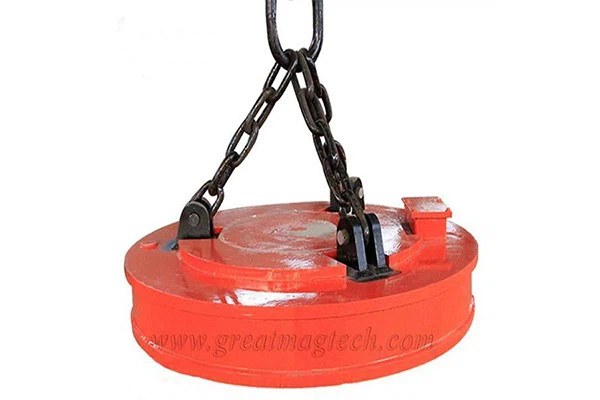
Electro Permanent Lifting Magnet
Send Inquiry Now
In many scrapyard applications, electro permanent lifting magnets are selected for their stable holding performance and lower power requirements during repetitive lifting operations.
How Electro Permanent Lifting Magnets Improve Scrap Yard Profit
In scrapyard operations, profit is closely connected to how quickly and consistently scrap material can be moved throughout the day. Lifting efficiency affects loading speed, crane usage, labor pressure, and operating costs during continuous handling operations.
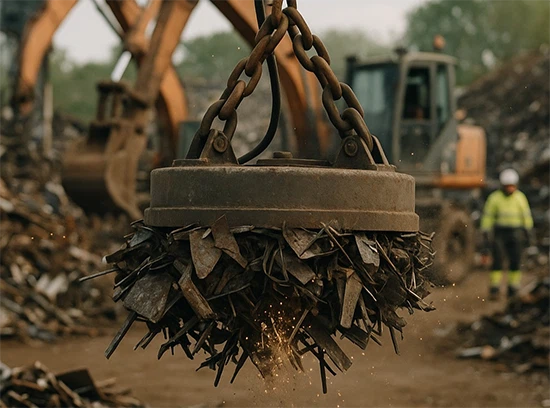
Faster Scrap Loading and Unloading
Electro permanent lifting magnets help speed up scrap movement during loading and unloading operations. Faster lifting cycles allow more scrap to be transferred between sorting areas, trucks, containers, and processing zones within the same work shift.
Lower Operating Costs
Unlike traditional electromagnets, electro permanent lifting magnets do not require continuous electricity during lifting. Power is mainly used during magnetic switching, which can help reduce overall energy consumption during long operating hours.
Lower heat generation may also reduce electrical system stress in some crane applications.
Reduced Labor Dependence
Manual scrap handling can slow down operations, especially when dealing with mixed ferrous materials or irregular steel scrap. Electro permanent lifting magnets help simplify material movement and reduce the need for direct manual positioning during lifting operations.
This can improve handling efficiency in larger scrapyard environments.
Better Crane Utilization
Crane performance is important in scrap processing facilities where material is constantly moving between work areas. Faster lifting response and stable holding force can help reduce unnecessary crane idle time during loading cycles.
More Stable Material Handling
Scrap yards often handle uneven steel scrap, loose ferrous waste, and irregular structural metal. Electro permanent lifting magnets can provide stable magnetic holding during lifting and transport, helping reduce unexpected material drops or unstable movement during crane operation.
Common Scrap Materials Handled by Electro Permanent Lifting Magnets
Electro permanent lifting magnets are used in many scrap yards and recycling operations because they can handle different types of ferrous scrap under changing loading conditions. Material size, shape, and weight can vary significantly throughout daily operations.
Steel Scrap and Structural Metal
Steel scrap is one of the most common materials handled in scrapyards. Electro permanent lifting magnets are often used for moving structural steel, steel plates, beams, cut sections, and fabricated metal parts during loading and sorting operations.
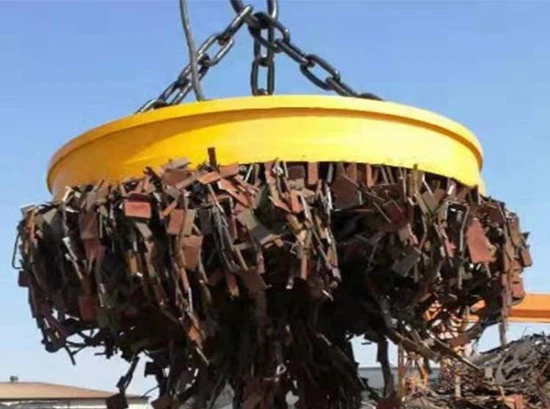
These materials usually provide larger contact surfaces for stable magnetic lifting.
Rebar, Pipes, and Heavy Scrap
Long rebar sections, steel pipes, and heavy ferrous waste are also commonly handled using electro permanent lifting magnets. In many scrapyards, these materials are loaded into containers, trucks, or processing equipment throughout the day.
Heavy scrap handling often requires stable lifting performance under uneven loading conditions.
Mixed Ferrous Scrap in Recycling Facilities
Recycling facilities frequently process mixed ferrous scrap with irregular shapes and inconsistent sizes. Scrap piles may contain loose steel fragments, cut metal pieces, dismantled machinery parts, and industrial waste material.
Key Factors When Choosing an Electro Permanent Lifting Magnet
Choosing the right electro permanent lifting magnet depends on the actual lifting conditions inside the scrapyard. Scrap type, crane setup, and handling frequency can all affect lifting performance during daily operation.
Lifting Capacity Requirements
Lifting capacity is one of the first factors to consider. Different scrapyards handle different scrap weights, from smaller steel pieces to heavy structural metal and bundled ferrous scrap.
The magnet should match both the maximum lifting weight and the typical material load handled during normal operation.
Oversized systems may increase equipment cost unnecessarily, while undersized magnets can reduce lifting efficiency.
Scrap Shape and Surface Contact
Scrap shape also affects magnetic lifting performance. Flat steel plates usually provide better surface contact than loose scrap, irregular metal pieces, or mixed ferrous waste.
In scrapyard environments with uneven scrap piles, lifting performance may vary depending on how much direct contact the magnet has with the material surface.
Long rebar, pipes, and structural scrap may also create uneven loading during handling.
Crane Compatibility and Working Conditions
The lifting magnet should also match the crane system and operating environment. Crane lifting capacity, control systems, voltage conditions, and working frequency all influence equipment selection.
Outdoor scrapyards may also face dust, rain, vibration, and changing temperatures during daily operation, so working conditions should be considered before selecting the lifting system.
Electro Permanent Lifting Magnet vs Traditional Electromagnet
| Feature | Electro Permanent Lifting Magnet | Traditional Electromagnet |
| Power Consumption | Uses electricity mainly during ON/OFF switching | Requires continuous electrical power during lifting |
| Magnetic Holding | Maintains magnetic force without constant power | Magnetic force disappears when the power stops |
| Energy Efficiency | Lower long-term power usage | Higher energy consumption during operation |
| Heat Generation | Lower heat buildup during continuous use | Higher heat generation over long operating hours |
| Power Failure Risk | Material remains held during a power interruption | LiftiMore continuous electrical system, stressing force is lost if power fails |
| Maintenance Pressure | Fewer electrical loading demands | More continuous electrical system stress |
| Typical Applications | Scrap handling, steel lifting, crane systems | Heavy industrial lifting and continuous powered systems |
How to Improve Electro Permanent Magnet Lifting Efficiency
Lifting efficiency in scrapyard operations often depends on how well the magnet matches the actual scrap handling conditions. Proper setup and regular inspection can help maintain more stable lifting performance during daily operation.
Proper Magnet Positioning
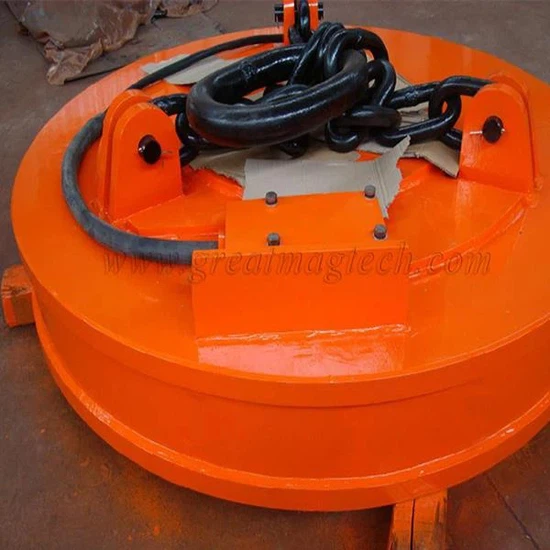
Magnet positioning affects how much contact area is created during lifting. Uneven positioning may reduce holding stability, especially when handling irregular steel scrap or mixed ferrous waste.
Operators usually adjust lifting angles and contact points based on scrap shape and loading conditions.
Matching Magnet Size to Scrap Type
Different scrap materials require different lifting magnet sizes. Large structural steel and bundled scrap may need larger magnetic contact areas, while smaller scrap pieces may require more concentrated lifting force.
Choosing the correct magnet size can help improve lifting stability and reduce inefficient handling cycles.
Regular Inspection and Maintenance
Electro permanent lifting magnets operate continuously in demanding scrapyard environments. Dust, vibration, impact, and outdoor conditions can gradually affect lifting performance over time.
Regular inspection of control systems, lifting surfaces, and electrical connections helps maintain safer and more consistent operation.
Conclusion
Scrapyard operations rarely stay consistent for long periods. Scrap type, loading conditions, crane usage, and material volume can all change throughout the day, which is why lifting systems are often selected based on practical handling conditions rather than lifting force alone.
In many facilities, stable operation, energy control, and handling speed are closely connected to overall processing efficiency during long working hours.
Great Magtech provides electro permanent lifting magnets for scrapyard handling, crane lifting, steel transfer, and ferrous material operations. Different magnet configurations can be matched to different lifting capacities, scrap conditions, and industrial working environments.
FAQs
Q: Can electro-permanent lifting magnets work during a power outage?
A: Yes. Electro permanent lifting magnets maintain magnetic holding force even if external power is interrupted after activation.
Q: Can electro-permanent lifting magnets handle hot steel materials?
A: Some models can handle elevated temperatures, but the operating temperature range depends on the magnet design and material specifications.
Q: What industries besides scrapyards use electro permanent lifting magnets?
A: They are also used in steel fabrication, shipbuilding, warehouses, metal processing plants, and heavy material handling operations.
Q: Can electro-permanent lifting magnets be customized for different crane capacities?
A: Yes. Magnet size, lifting capacity, control systems, and mounting structures can often be customized based on crane specifications and handling requirements.
Q: How often should lifting surfaces be cleaned?
A: Lifting surfaces should be checked and cleaned regularly to remove dirt, loose metal debris, or buildup that may affect magnetic contact during operation.
Q: Are electro permanent lifting magnets safer than traditional electromagnets during a power interruption?
A: In many applications, yes. Since the magnetic holding force remains after activation, the lifting system is less dependent on continuous electrical power during operation.