









Choosing dairy processing equipment is not only about production capacity. In dairy plants, equipment also affects hygiene, cleaning efficiency, contamination control, and daily operation stability. A system that works well for one dairy product may not always be suitable for another process line.
Small details often make a noticeable difference.
For example, equipment design can affect how easily residue is cleaned from the system, while poor material selection may lead to corrosion or maintenance problems over time. In powder and liquid processing lines, contamination control is also an important part of equipment selection.
Key Takeaways
To make equipment selection easier, you can look at the product first:
Choose liquid dairy equipment if your line mainly processes milk, yogurt drinks, or other flowing products. Tanks, pumps, pasteurizers, sanitary pipelines, and liquid traps are usually more important here. The system should be easy to clean, drain well, and keep product flow stable.
Choose powder dairy equipment if your line handles milk powder or dry ingredients. In this case, hoppers, powder transfer lines, magnetic grates, and drawer magnets need more attention. Good flow control and contamination protection matter because fine powder can carry small metal particles.
For any dairy plant, do not judge equipment only by price or capacity. Cleaning access, stainless steel quality, maintenance space, and real production conditions often decide whether the system runs smoothly over time.
What Is Dairy Processing Equipment?
Dairy processing equipment refers to the machines and systems used to handle, process, transfer, and package dairy products during production. These systems are designed to support different stages of processing while maintaining hygiene, product consistency, and operational efficiency.
Common equipment includes storage tanks, mixers, pumps, pasteurizers, separators, filling systems, and magnetic separators. Different production lines may also use pipeline filters, homogenizers, and powder handling equipment, depending on the type of dairy product being processed.

The equipment used for liquid milk is often different from the systems required for cheese, yogurt, or milk powder production.
Why Equipment Selection Matters in Dairy Processing
The equipment used in a dairy plant affects more than daily production. It also influences cleaning efficiency, product consistency, maintenance workload, and long-term operating stability.
Production Efficiency and Downtime
Equipment that is difficult to maintain or not designed for continuous operation may increase downtime during production. In dairy processing, even short interruptions can affect temperature control, product flow, and overall production schedules.
Cleaning and Operational Consistency
Dairy products leave residue inside tanks, pipelines, and processing systems. If equipment is difficult to clean, buildup may affect hygiene and operating consistency over time.
Regulatory and Food Safety Standards
Dairy processing equipment also needs to meet food safety and sanitary requirements. Many production lines follow standards related to hygienic design, food-grade materials, and contamination control.
Key Factors to Consider When Choosing Dairy Processing Equipment
Different dairy products require different processing conditions, so equipment selection should match the actual production environment. Factors such as hygiene, material compatibility, production flow, and maintenance access can all affect long-term operation.
Hygienic Design and Cleanability
Hygienic design is one of the most important parts of dairy processing equipment. Surfaces that contact milk or dairy ingredients should be smooth and easy to clean. Dead corners, rough welds, and poor drainage areas can allow residue to build up inside the system.
Many dairy plants also use CIP (Clean-in-Place) systems to clean pipelines and tanks without disassembling the equipment.
Material Compatibility
Most dairy processing equipment uses food-grade stainless steel because it offers good corrosion resistance and is suitable for frequent cleaning. Different dairy products may contain varying levels of moisture, fat, acidity, or powder particles, which can affect equipment wear over time.
Material compatibility becomes especially important in liquid transfer systems, mixing equipment, and powder handling lines.
Production Capacity and Process Flow
The equipment should match the required production capacity and process layout. Small batch systems and continuous production lines often require different equipment designs and operating speeds.
Choosing equipment that is too small may limit production efficiency, while oversized systems can increase operating and cleaning costs unnecessarily.
The overall process flow should also support stable material movement between different production stages.
Maintenance and Accessibility
Easy inspection and maintenance access can reduce downtime during daily operation. Components that are difficult to reach may increase maintenance time and make cleaning more complicated.
Equipment that allows faster inspection and servicing is usually easier to manage in continuous dairy production environments.
The Role of Magnetic Separation in Dairy Processing
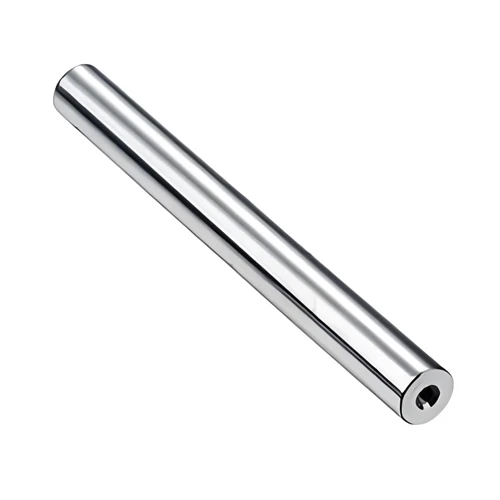
Magnetic separation is commonly used in dairy processing to help reduce the risk of ferrous contamination during production.
Why Metal Contamination Is a Risk
Even small metal particles can create problems in dairy production. Contamination may affect product quality, damage downstream equipment, or create food safety concerns during processing.
Common Magnetic Separators Used in Dairy Plants
Different magnetic separators are used depending on the product type and process layout.
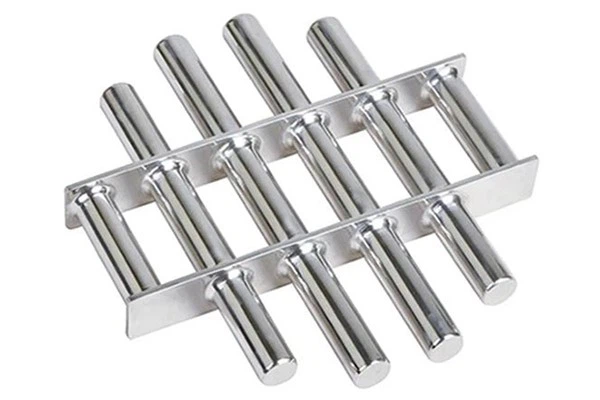
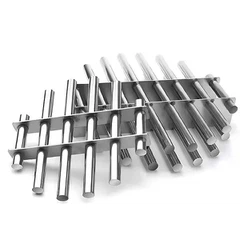
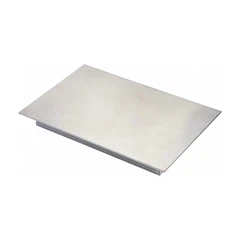
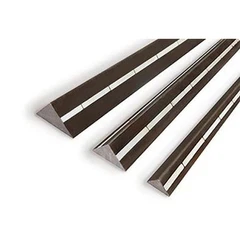
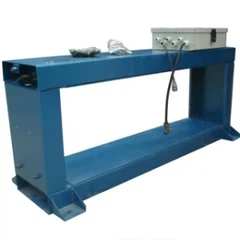
Food Magnetic Grates
Send Inquiry Now
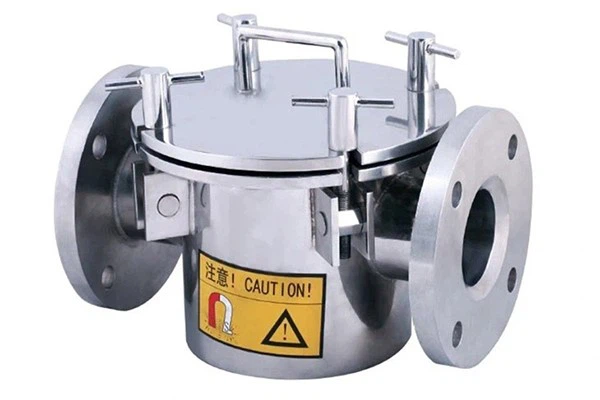
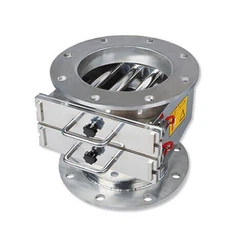
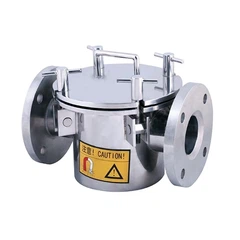
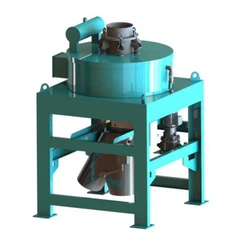
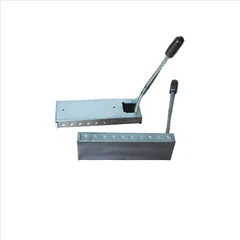
Magnetic Liquid Trap
Send Inquiry Now
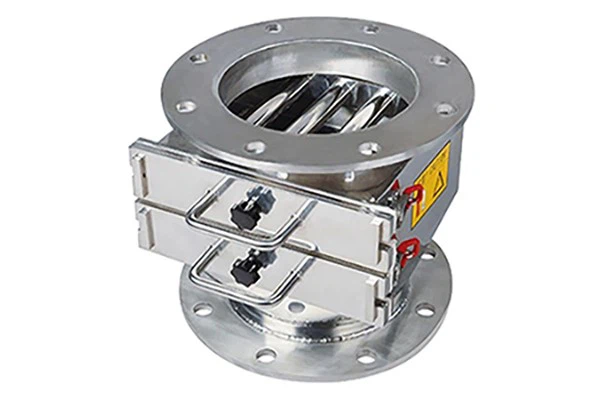
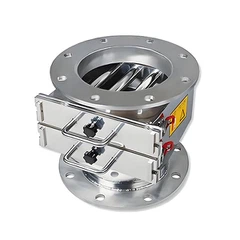
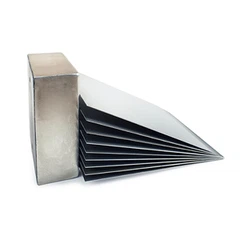
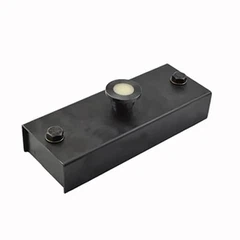
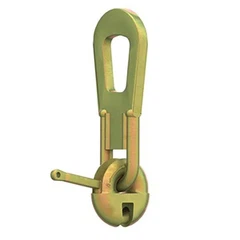
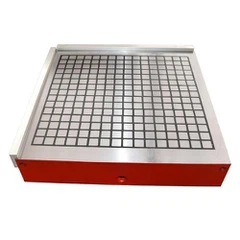
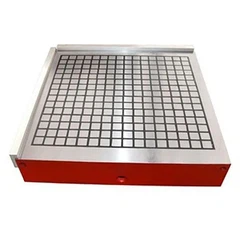
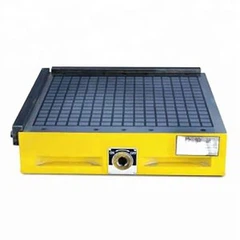
Magnetic Drawer
Send Inquiry Now

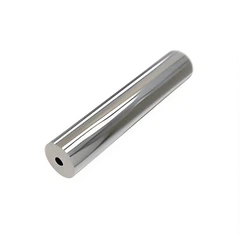
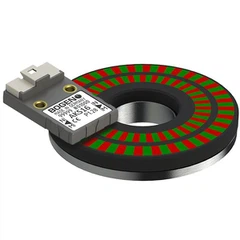
Pipeline Magnet Separator
Send Inquiry Now
Magnetic grates are often installed in hoppers and gravity-fed systems to capture ferrous contaminants from powders or granular ingredients.
Magnet liquid traps are commonly used in milk and liquid transfer lines where metal particles need to be removed from flowing liquids.
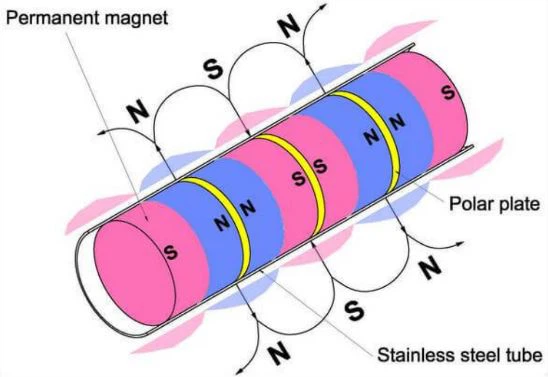
Pipeline magnet separators are designed for enclosed processing systems and are often installed directly inside sanitary pipelines.
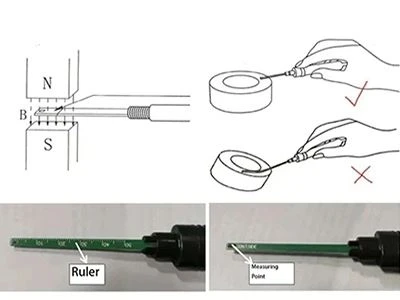
Drawer magnets are frequently used in powder processing applications that require stronger magnetic contact and easier cleaning access.
Where Magnetic Separators Are Installed
Magnetic separators are usually installed at ingredient intake points, powder transfer lines, liquid pipelines, and before sensitive downstream equipment. Their placement depends on the production process, material flow, and contamination risk level within the dairy plant.
Choosing Equipment for Different Dairy Products
Different dairy products require different processing conditions, so equipment selection often depends on factors such as material flow, temperature control, and product consistency.
Milk Processing
Milk processing systems usually focus on hygienic liquid transfer and stable temperature control. Common equipment includes storage tanks, pumps, pasteurizers, homogenizers, and sanitary pipelines.
Because liquid milk moves continuously through the system, smooth internal surfaces and reliable cleaning performance are especially important.
Liquid traps and pipeline magnetic separators are also commonly installed to help reduce contamination risks during transfer.

Cheese and Yogurt Production
Cheese and yogurt processing often involves thicker materials and more complex mixing stages. Equipment used for these products usually needs stronger mixing performance and easier cleaning access because residue can build up more easily inside tanks and pipelines.
Temperature control and process consistency are also important during fermentation and mixing operations.
Some systems may require slower product handling to avoid affecting texture or product quality.
Milk Powder Processing
Milk powder processing places more attention on powder handling and contamination control. Powder transfer lines, hoppers, dryers, and storage systems all need to support controlled material flow while reducing dust buildup.
Drawer magnets and magnetic grates are commonly used in these systems to remove fine ferrous contaminants before packaging or downstream processing.
Common Mistakes When Selecting Dairy Processing Equipment
Choosing dairy processing equipment based only on price or specifications can create problems later when the system begins running under real production conditions.
Focusing Only on Initial Cost
Lower-cost equipment may reduce spending at the beginning, but it can increase maintenance frequency, cleaning time, and downtime later. In some cases, cheaper systems wear faster or require more manual cleaning and inspection during daily operation.
Long-term operating cost is often more important than the initial purchase price alone.
Ignoring Cleaning Requirements
Cleaning is a major part of dairy processing. Equipment with poor drainage, rough surfaces, or difficult access points can allow residue to build up inside the system.
This may increase cleaning time and affect operational consistency over time.
Equipment designed for easier CIP cleaning and maintenance access is usually easier to manage in continuous production environments.
Ignoring Inspection and Monitoring Needs
Inspection access is sometimes overlooked during equipment selection. Components that are difficult to inspect or monitor can make maintenance more complicated and delay problem detection.
In powder and liquid processing systems, regular inspection helps operators identify wear, contamination risks, or flow problems before they affect production stability.
Dairy Processing Equipment Checklist
Before choosing dairy processing equipment, it is helpful to review several practical factors related to hygiene, production flow, and maintenance. A simple checklist can help you compare different systems more efficiently.
| Item | What to Check |
| Hygienic Design | Smooth surfaces and sanitary construction |
| Material | Food-grade stainless steel with corrosion resistance |
| Cleaning Method | CIP-compatible design and easy drainage |
| Production Capacity | Suitable for actual production volume |
| Process Flow | Matches liquid, powder, or mixed product handling |
| Maintenance Access | Easy inspection and servicing access |
| Contamination Control | Magnetic separators or filters are installed where needed |
| Operational Stability | Suitable for continuous daily production |
Conclusion
Dairy processing systems often operate continuously under strict hygiene and production requirements, so equipment reliability becomes important over time. Small design differences can affect cleaning efficiency, maintenance workload, and operational stability during daily production.
The equipment setup should also match the actual product type and processing conditions rather than following a one-size-fits-all approach. Powder processing, liquid transfer, and mixed-product lines usually require different handling methods and contamination control solutions.
Great Magtech provides magnetic separation solutions for dairy processing applications, including magnetic grates, liquid traps, drawer magnets, and sanitary pipeline separators. Different configurations can be matched to different dairy processing systems to support cleaner and more stable production environments.
FAQs
Q: How often should dairy processing equipment be inspected?
A: Inspection frequency depends on production volume, operating hours, and product type. Continuous processing systems usually require more regular inspection to monitor wear, residue buildup, and operating stability.
Q: Are magnetic separators required in all dairy plants?
A: Not every production line uses the same magnetic separation system. Still, many dairy plants install magnetic separators in powder transfer lines, liquid pipelines, or ingredient intake areas to help reduce contamination risks.
Q: What is CIP cleaning in dairy processing?
A: CIP stands for Clean-in-Place. It allows tanks, pipelines, and processing equipment to be cleaned internally without disassembling the system. This helps reduce cleaning time and supports more consistent sanitation procedures.
Q: What stainless steel is commonly used in dairy processing equipment?
A: 304 and 316 stainless steel are commonly used in dairy processing because they offer good corrosion resistance and are suitable for food-contact environments. 316 stainless steel is often preferred in systems exposed to more aggressive cleaning chemicals.
Q: Can magnetic separators be customized for dairy processing equipment?
A: Yes. Magnetic separators can be customized based on pipeline size, product flow rate, installation position, and cleaning requirements. Different dairy plants may require different magnetic strengths or sanitary connection types.
Q: What magnetic strength is typically used in dairy processing?
A: The required magnetic strength depends on the product type and contamination risk level. Fine powder processing often requires stronger magnetic fields because smaller ferrous particles are harder to capture.
Q: Where are magnetic grates usually installed in dairy plants?
A: Magnetic grates are often installed in hoppers, ingredient intake points, and gravity-fed powder systems where dry dairy ingredients move through enclosed processing lines.