









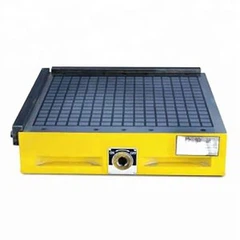
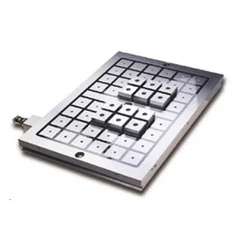


Keeping machinery running smoothly in industrial operations is more than having high-quality equipment. It's also about maintaining the essentials that keep your machines functional, such as the coolant. A dirty or contaminated coolant can lead to costly repairs, breakdowns, and halted productivity. That's where Magnetic Coolant Separators come in. They provide an efficient solution to remove harmful contaminants from coolant, extend the life of machinery, and ensure more reliable operations.
This blog examines how Magnetic Coolant Separators work, their benefits, different types, and how they can optimize operations across various industries.
What Is a Magnetic Coolant Separator?
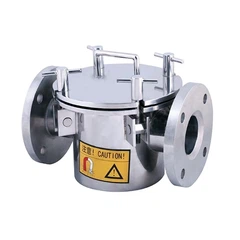
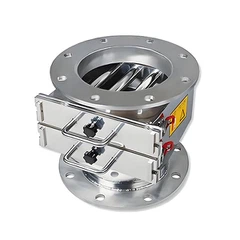
A Magnetic Coolant Separator is a device designed to remove ferrous (iron-based) contaminants from coolants in industrial applications. These contaminants often come from cutting, grinding, or machining operations and can be harmful if left unchecked. Without proper filtration, these particles can cause significant damage to machinery, decreasing its lifespan and reducing productivity.
These systems leverage strong magnetic fields to attract and capture these particles, making the coolant cleaner and more effective. This helps keep the coolant running longer and improves the overall performance of machines that rely on coolant systems for lubrication and cooling.

How Do Magnetic Coolant Separators Improve Efficiency?
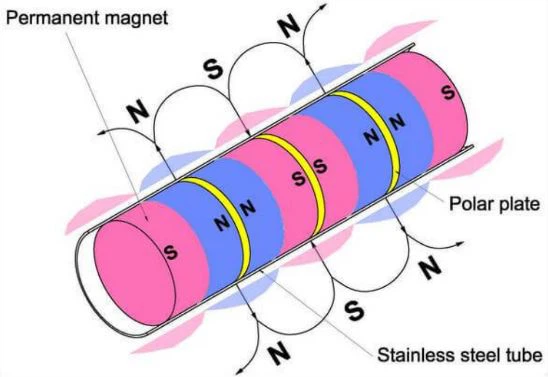
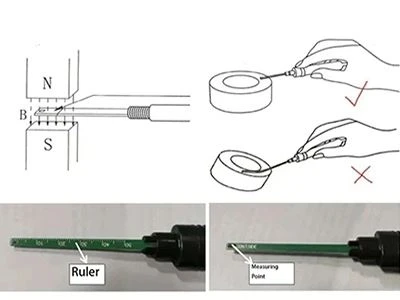
The core of a Magnetic Coolant Separator system is its magnetic field, which attracts ferrous particles from the coolant. When the coolant passes through the system, these particles stick to the magnetic surfaces, effectively filtering out metal shavings, rust, and other debris. This ensures that the coolant remains clean, reducing the risk of equipment damage and enhancing its cooling and lubricating properties.
Additional filtration methods, such as fine mesh filters, are also incorporated in many Magnetic Coolant Separator systems. These filters capture smaller particles that the magnets might miss, ensuring the coolant is as pure as possible. With cleaner coolant, the machines experience less wear and tear, running more efficiently and reducing downtime.
Advantages of Using Magnetic Coolant Separators
Adopting Magnetic Coolant Separators can provide numerous advantages for industrial operations. Let's explore some of the key benefits:
Extended Equipment Life
One of the system's most significant advantages is its ability to reduce the harmful effects of contaminated coolant on machinery. Filters out particles that cause corrosion and abrasions help protect equipment, increasing its lifespan and reducing the frequency of expensive repairs.
Improved Coolant Efficiency
Fresh, clean coolant performs better by providing optimal cooling and lubrication. Magnetic Coolant Separators help maintain this efficiency level by reducing the need for frequent coolant changes. This consistent performance ensures that machines run at their best and aren't hindered by suboptimal coolant conditions.
Cost Savings
Frequently changing coolant and repairing machines damaged by contaminated coolant can be costly. The system helps businesses save time and money by reducing the need for coolant replacement and minimizing the risk of damage. This cost efficiency is significant for large-scale operations where coolant use is high, and maintenance costs can quickly increase.
Environmentally Friendly
Magnetic Coolant Separators are not only cost-effective but also eco-friendly. Extending coolant life reduces waste and decreases the environmental impact of coolant disposal. Moreover, many systems are designed to conserve energy, reducing your operations' ecological footprint.
Low Maintenance
These systems are designed for minimal maintenance. Regular cleaning and occasional checks are sufficient to keep them running smoothly. This low-maintenance requirement makes them a hassle-free solution for many businesses looking to optimize their operations without adding complexity.
Functions of Magnetic Coolant Separators
Efficient Filtration of Ferrous Contaminants
Magnetic Coolant Separators are crucial in maintaining clean coolant by efficiently filtering out ferrous contaminants such as metal shavings, rust, and other magnetic particles. These contaminants often originate during machining, grinding, or cutting operations. They can damage machinery, reduce the coolant's effectiveness, and increase maintenance costs if left unchecked.
How Magnetic Coolant Separators Remove Metal Shavings and Rust
These systems employ strong magnetic fields to attract and capture metal shavings, rust particles, and other ferrous debris from the coolant. As the coolant flows through the system, these particles are drawn to the magnetic surfaces of the separator, ensuring that only clean coolant circulates through the machine. This efficient removal process ensures that the coolant remains free from harmful contaminants, contributing to smoother operations and better equipment performance.
The Role of Magnetic Fields in Contaminant Removal
The magnetic field is at the core of the system's operation. It creates a force that attracts ferrous particles from the coolant, allowing them to be captured on magnetic surfaces. Depending on the separator's design, the magnetic field can be adjusted to suit specific operational needs, making it a highly effective and customizable solution for various industrial applications. The continuous attraction of contaminants ensures the coolant remains as pure as possible, optimizing the cooling and lubrication functions.
Preserving Coolant Quality
Maintaining high-quality coolant is vital for the longevity and efficiency of industrial machinery. Magnetic Coolant Separators significantly preserve coolant quality by removing contaminants that can degrade its performance over time.
How Magnetic Coolant Separators Enhance the Life of Coolants
These systems effectively remove ferrous particles, helping extend the lifespan of the coolant. Clean coolant reduces the need for frequent replacements and ensures the coolant maintains its proper cooling and lubricating properties. With the reduction of contaminants, the coolant remains more effective for extended periods, saving businesses both time and money by cutting down on replacement costs and reducing environmental waste.
The Importance of Clean Coolants in Machinery Performance
A clean coolant is essential for smooth machinery operation. Contaminants in coolant can cause increased friction, higher temperatures, and inconsistent lubrication, all of which contribute to equipment wear and damage. By using a system that maintains clean coolant, businesses can ensure optimal machinery performance, reducing the likelihood of breakdowns and enhancing overall productivity.
Enhancing Machine Longevity and Efficiency
Magnetic Coolant Separators improve the quality of coolant and play a critical role in enhancing the overall efficiency of machinery and extending its lifespan.
Reducing Wear and Tear on Equipment
When coolant is contaminated with ferrous particles, it can cause unnecessary friction and abrasion on machine parts. This leads to accelerated wear and tear, shortening the lifespan of machinery. By removing these particles, the system minimizes friction, ensuring that machines operate smoothly. This results in fewer repairs, less downtime, and an overall reduction in maintenance costs.
Improving Overall Operational Efficiency
These systems help machinery operate efficiently by ensuring the coolant remains clean. Clean coolant improves heat transfer, maintains optimal lubrication, and allows machines to function at their highest potential. As a result, industrial operations experience smoother production cycles, increased uptime, and fewer operational disruptions. The long-term efficiency gained from using this system can significantly contribute to the success and profitability of businesses across various sectors.

Applications of Magnetic Coolant Separators
Magnetic Coolant Separators can be used across various industries, notably precision machining and manufacturing. Here are some sectors that can benefit from these systems:
Automotive Manufacturing
Precision machining is essential for producing engine blocks, transmission components, and suspension parts in the automotive industry. By keeping the coolant clean, these systems reduce tool wear, enhance part accuracy, and ensure more efficient machining, ultimately minimizing costly downtime.
Aerospace
Aerospace manufacturing requires the highest levels of precision and cleanliness. Even tiny contaminants in coolant can compromise the integrity of critical components. These systems ensure that the coolant stays free from pollutants, enabling more precise machining and maintaining the quality of aerospace parts.
Metalworking and Fabrication
Magnetic Coolant Separators can significantly benefit metalworking industries, including grinding, cutting, and drilling. These industries are prone to coolant contamination, leading to increased tool wear and compromised product quality. These systems maintain clean coolant, improving equipment longevity and the quality of finished products.
Electronics Manufacturing
In electronics manufacturing, cleanliness is paramount. Any dirt or particles in the coolant could affect the quality of the components produced. These systems ensure that the coolant remains uncontaminated, helping maintain a clean environment and preventing defects in the final products.
Food Processing
Though not all food processing operations use coolant systems, some machinery does. These systems help keep these coolants clean, ensuring that food-grade machinery functions efficiently without contaminating the food products.
How to Choose the Right Magnetic Coolant Separator
When selecting a Magnetic Coolant Separator, several factors must be considered to ensure it fits your business correctly. Here are some key aspects to evaluate:
Coolant Volume and Flow Rate
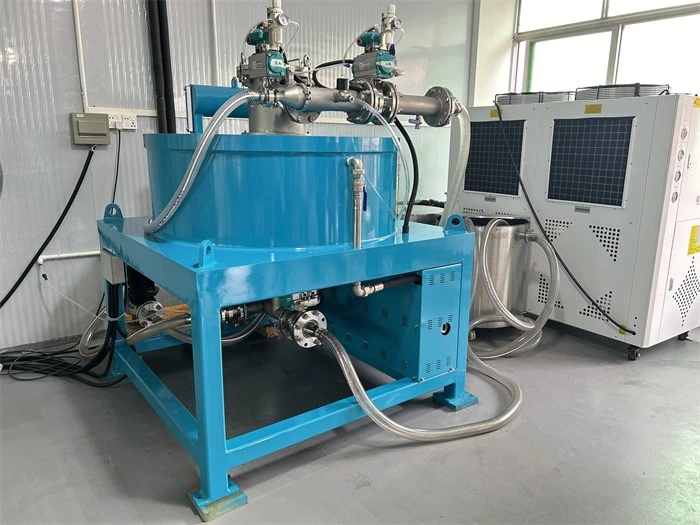
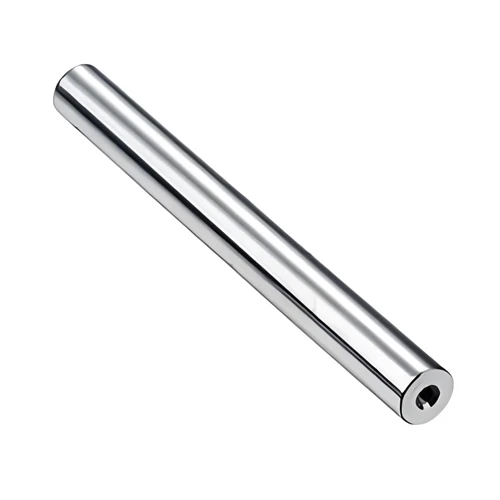
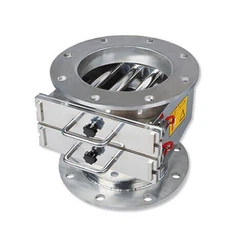
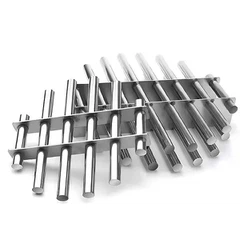
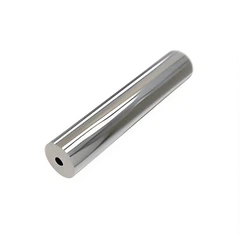
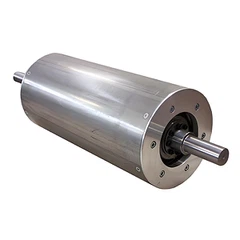
The size and design of the Magnetic Coolant Separator you need will depend on the volume of coolant used and the flow rate in your system. Drum-type or electromagnetic separators might be more suitable for large-scale operations. At the same time, bar-type systems may work better for smaller operations with limited space.
Type of Contaminants
Most of these systems target ferrous particles, but some operations produce other contaminants. In such cases, you may need an additional filtration system to complement the magnetic separator.
Space and Installation
Consider the available space in your facility. Bar-type Magnetic Coolant Separators are more compact and easier to install in tight spaces, while larger drum-type systems require more room for proper installation.
Operational and Maintenance Costs
While these systems generally maintain low maintenance, it's essential to factor in the ongoing costs. Permanent magnetic separators don't require power, making them more cost-effective in the long run. Electromagnetic separators, on the other hand, require an electrical supply and may incur higher operational costs.
Conclusion: Why Your Business Needs a Magnetic Coolant Separator
Magnetic Coolant Separators are robust solutions for improving efficiency, extending the lifespan of equipment, and reducing operational costs. Whether in automotive manufacturing, aerospace, or any industry that uses coolant in precision machining, a coolant filtration system can ensure that coolant remains clean, machines operate at peak performance, and operations run smoothly.
Investing in a coolant filtration system today is a step toward cleaner, more efficient operations. Don't let contaminated coolant hinder your productivity. Choose the proper coolant filtration system for your business and enjoy its long-term benefits.