

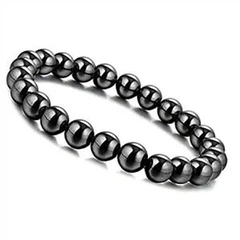




Magnetic wristbands have become very popular mainly because of their effectiveness and use in today's demanding society. These wristbands are commonly found in construction sites, Home Depot stores, and individual custom jobs where it's convenient to hold nails, screws, and other instances of metallic types that may be expected of an average working man. He added that magnetic wristbands are likely to be attractive to small and medium-sized sellers since they can become another novelty to sell. First, it is cost-effective to produce, and second, the products meet the needs of many people in search of cheap, valuable tools. A brief on the steps involved in making the magnetic wristband will also be highlighted in this guide; as such, this guide will benefit sellers who want to offer more products in their businesses.
Magnetic Wristband Components
Before going any further, mentioning the components inherent to a magnetic wristband is essential. The choice of materials and product design strongly influences quality, usage characteristics, and the product's lifespan.
To start, you will need the following materials:
1. Strong magnets (preferably neodymium or ceramic)
2. Durable fabric such as nylon or polyester
3. Adjustable straps (Velcro is a popular choice)
4. Padding material for added comfort
5. Stitching equipment or adhesive for assembly
The magnetic wristband needs to accommodate several metallic objects at once; therefore, the magnetic force and fabrication quality are crucial. On the same note, it should have a small and light design to let it sit comfortably on the wrist for a considerable amount of time. The idea is to design and construct a product that would be as useful as it can be and wearable in various working circumstances.
Choosing the Right Magnets for Your Wristband
The type of magnet is an essential factor that determines the effectiveness of your wristband when in operation. Instead, let us discuss that concerning magnets that are available in the market, there are better options for this particular use.
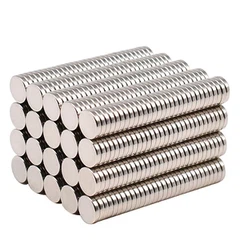
Rare earth magnets, specifically neodymium magnets, are the strongest permanent magnets in the market; thus, they are common in magnetic wristbands due to their holding capacity. Such magnets can easily hold several small metallic figures at any one time without diminishing over time. However, neodymium magnets are generally brittle; therefore, when handling them, care should be taken to avoid chipping them while assembling the two.
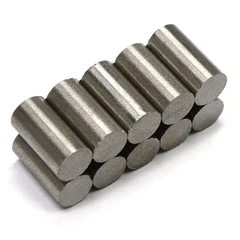
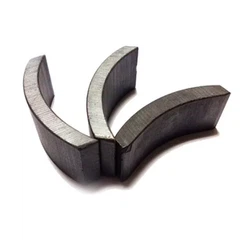
Another is a ceramic magnet. It is cheaper than neodymium magnets but still provides a moderate magnetic field compared to neodymium magnets. Alnico magnets are still stronger than ceramic ones, but the latter has one significant advantage: they have more extended durability and are less likely to be damaged. For budget-oriented sellers, perhaps ceramic magnets will be a better option, especially for wristbands, which will likely be used for less rigorous tasks.
Care must be taken when choosing the magnets' strength and durability. Neodymium magnets are perfect if your target audience includes professionals from industries that rely on strong magnetic force.
Designing a Comfortable and Functional Wristband
Overall, design greatly defines the likelihood of success in the magnetic wristband you use. It can be assumed that buyers desire a comfortable shoe that can be worn during the day and is an essential tool. Hence, the essence of the needed design encompasses both these elements but is dominant in the work promoted one.
First, decide the essential character of the wristband, which can be the kind of fabric you wish to use – light and breathable. Nylon and polyester are ideal because they are worn out, tear, and easily resist rough handling. For added comfort, padding should be included to minimize skin rubbing in sensitive areas during extended periods of use.
The wristband should also be easily adjustable to accommodate all wrist sizes and not slip off. Using Velcro straps is safe due to the design; it is also convenient and effective due to versatility. It is preferred that the strap be easily pliable so that the users can easily tighten or loosen up the band quickly without hampering the shape of the wristband.
The location of magnets is also another critical factor. Walk the magnets across the wristband to be equally balanced on every side. This ensures it does not irritate the wrist as it would when holding several metallic things.

Step-by-Step Process: How to Make a Magnetic Wristband
After you have sourced the materials and created your wristband, it is time to make the entire product. Here's a detailed breakdown of the steps involved:
1. Trim the fabric down to the size you want. allow for different wrist sizes and enough flat space for more than one magnet to stick on.
2. Place magnets neatly all across the length of the wristband selected. This means the placement of magnets so that they are not too close to each other, which reduces their impact.
3. Fix the magnets firmly in the positions you prefer using glue or sew when you like the stitched kind. If using adhesive, ensure it is strong enough that it will not break or wear out reasonably quickly and is frequently removed.
4. Finally, place another layer, such as fabric, on top of the magnets to make it comfortable when touching. This padding will reduce skin abrasion as the magnets are worn on the wristband to perform their function.
5. Sew the two adjustable straps so they can easily be fastened firmly. It will require solid and comfortable to control the straps while in use to control the wrench like a wristband.
6. The final check is to ensure that the wristband's circuit has been wired and connected correctly.
Quality Control: Ensuring the Durability of Your Wristband
After designing a magnetic wristband, it is usually necessary to determine its tensile strength or sustainability. First, check the magnetic force – can the wristband keep several small metallic things without losing them? Try it in different situations, for instance, when in motion, to confirm that the magnets hold firmly.
Also, look at the fabric and straps of the wristband and then look for signs that show it can endure wear and tear. This means that the wristband should not fray at the seams and that the magnets should be securely embedded, mainly when the tracking system has been used for some time. By adopting these quality control measures, the following benefits are expected to be observed: Consequently, the various weaknesses that may be realized when selling the product to customers are addressed as one makes the necessary improvements.
Comparing Products: How Your Magnetic Wristband Stands Out
Thus, developing something that will help you and your magnetic wristband stand out among your competitors is very important. The competitors' analysis of similar products will highlight their distinctive features that make your wristband stand out.
For example, if you have chosen neodymium magnets, elaborate on how your wristband is more robust and more reliable than those made of ceramic magnets. If your design has extra comfort features, such as ergonomic straps and padding, such attributes can be marketing advantages.
As a result, you can appeal to the working population and hobbyists who need a wristband that is beneficial and within their budgets.
Conclusion: Building Your Brand with Magnetic Wristbands
Magnetic wristbands are ordinary products that solve people's everyday difficulties, so they are suitable for all categories of sellers, including small and medium ones. Following the guidelines in this article, you can design a wristband that will be perfect for a wide range of clients. They can turn into one of your most successful products and bring you new customers to boost your business by giving magnetic wristbands the proper design, marketing, and professionalism they deserve.