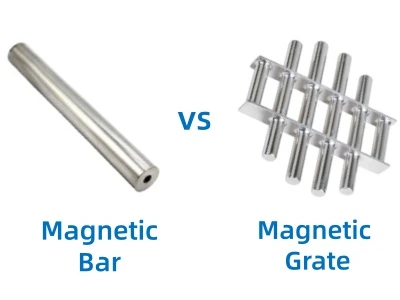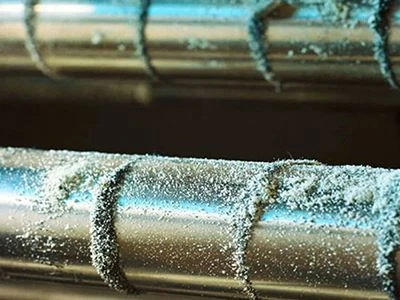
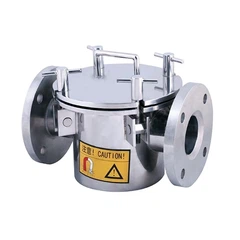
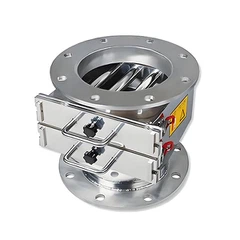
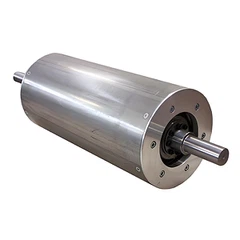


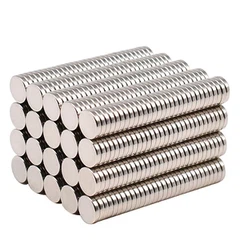
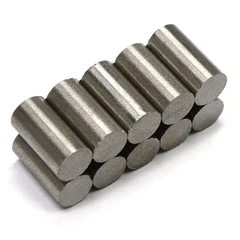
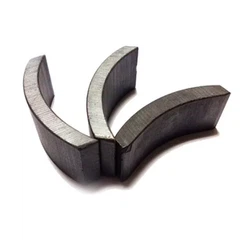
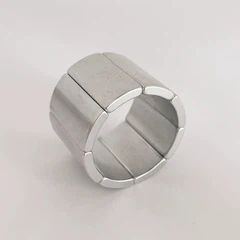





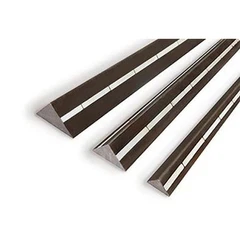
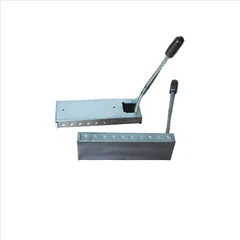
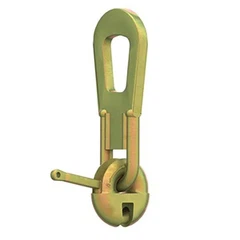


If you are adding magnetic separation to a hopper, chute, bin, or custom machine, the terms magnetic bar and magnetic grate may appear in the same discussion. They are related, but they are not used in the same way. A magnetic bar is a single magnetic rod or magnetic tube. A magnetic grate is made by arranging several magnetic bars in a frame.
For equipment builders, OEM projects, and production lines, the choice usually comes down to one question: do you only need a magnetic bar at a specific point, or do you need a grate to cover a wider material flow area?
What Is a Magnetic Bar?
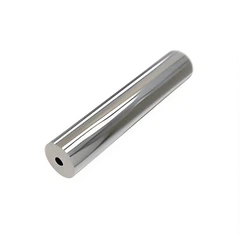
A magnetic bar can refer to a simple bar magnet used in education or science experiments, but in industrial magnetic separation, it usually means a magnetic rod or magnetic tube. It is made by sealing permanent magnets inside a stainless steel tube. This industrial magnetic bar is often used as a basic component in magnetic separation products, and its length, diameter, magnetic strength, surface material, and end design can be made according to equipment requirements.

Magnetic Tube
Send Inquiry Now

Square Magnetic Rod
Send Inquiry Now

Magnetic Filter Rod
Send Inquiry Now

Neodymium Magnetic Rods
Send Inquiry Now
What Is a Magnetic Grate?
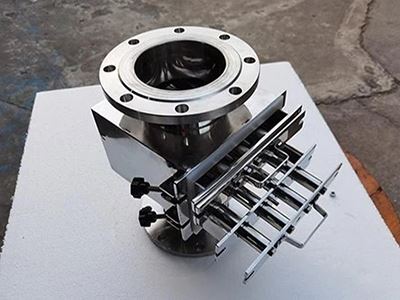
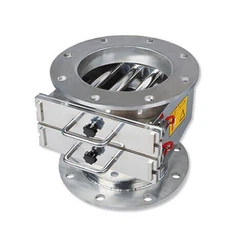
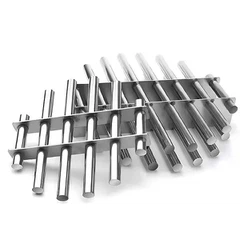
A magnetic grate, also called a magnetic grill or grid magnet, is an industrial magnetic separation assembly made with several magnetic tubes fixed in a frame. These tubes are usually built with permanent magnets, such as neodymium or ceramic magnets, and sealed in stainless steel.
It is designed as a complete frame structure, not a single magnetic bar. The shape, bar spacing, frame size, magnetic strength, and mounting style can be made to match hoppers, chutes, bins, or other equipment openings.

Square Magnetic Grill

Round Magnetic Grill

Food Industry Magnetic Grill

Grate Hopper Magnet

Grate Hopper Magnet

Magnetic Grate Grid

Magnetic Grate

Grate Magnet
Magnetic Bar vs Magnetic Grate: Main Difference
| Item | Magnetic Bar | Magnetic Grate |
|---|---|---|
| Product Form | Single magnetic rod or tube | Frame assembly made with several magnetic bars |
| Structure | One stainless steel tube with magnets inside | Multiple magnetic tubes fixed in a round, square, or custom frame |
| Coverage Area | Covers a small or local point | Covers a wider material flow area |
| Installation Style | Can be mounted alone or built into equipment | Usually installed as a complete frame structure |
| Cleaning Object | One magnetic bar surface | Several magnetic bars and the frame area |
| Custom Focus | Length, diameter, end design, and magnetic strength | Frame size, bar spacing, number of bars, and mounting method |
| Main Difference | A basic magnetic component | A magnetic assembly made from multiple components |
Can a Magnetic Bar Replace a Magnetic Grate?
A magnetic bar can replace a magnetic grate only in limited cases. If you need local ferrous metal removal at a small point, one magnetic bar may be enough. It can also be used for testing, custom mounting, or replacing a damaged bar in an existing magnetic assembly.
For wider material flow, a single bar is usually not enough. In a hopper, chute, bin, or larger opening, material may pass around the bar without enough contact. A magnetic grate gives wider coverage because several magnetic bars are fixed across the frame.
So the decision depends on the coverage area, not only on magnetic strength.
Magnetic Bar vs Magnetic Grate Comparison Table
| Selection Factor | Magnetic Bar | Magnetic Grate |
|---|---|---|
| Material Flow Width | Better for narrow or local flow points | Better for wider material flow areas |
| Contact Chance | Depends on whether material passes close to one bar | Multiple bars provide more contact points across the flow |
| Flow Control | Works better when the material path is controlled | More suitable when material falls across a larger opening |
| Installation Flexibility | Easier to add to custom equipment or small spaces | Needs enough space for the frame and mounting structure |
| Replacement Use | Can be ordered as a replacement part | Usually replaced or cleaned as a complete assembly |
| Cleaning Work | One bar is easier to wipe or inspect | Several bars and frame corners need checking |
| Better Fit For | Local capture, testing, custom mounting, and spare parts | Hoppers, chutes, bins, and wider falling material flows |
When to Use a Magnetic Bar
A magnetic bar is more suitable when you need a single magnetic component instead of a full magnetic grate. It is often chosen for local installation, custom equipment, or replacement use.

Local Ferrous Metal Capture
Use a magnetic bar when the material flow is narrow or controlled. For example, it can be placed at a small discharge point, test point, or limited flow area to capture iron, steel, rust particles, or fine ferrous contamination.
Custom Equipment Installation
For equipment manufacturers, system integrators, or OEM projects, magnetic bars are easier to fit into custom structures. You can design the mounting method, bar length, diameter, end thread, and magnetic strength based on the equipment layout.
Replacement Part for Existing Magnetic Separators
A magnetic bar can also be ordered as a replacement part for magnetic grates, drawer magnets, liquid traps, or other magnetic separation equipment. Before replacing it, check the original bar size, end design, magnetic strength, and working temperature.
When to Use a Magnetic Grate
A magnetic grate is more suitable when one magnetic bar cannot cover the full material flow. It is often used when material falls through a wider opening and needs contact with several magnetic bars.

Wider Material Flow Area
Choose a magnetic grate when the material flow is wider than a single bar can cover. If only one magnetic rod is used, some material may pass through open areas with limited magnetic contact. A grate places several bars across the flow path.
Hopper, Chute, or Bin Installation
Magnetic grates are often installed inside hoppers, chutes, bins, housings, or other gravity-fed openings. The frame keeps the magnetic bars in a fixed position and can be made to match the equipment opening.
More Magnetic Contact Points
If the material falls unevenly, multiple magnetic bars can provide more contact points across the flow. Bar spacing, frame size, and material depth should be checked, especially for powders, granules, and bulk materials.
Food-Grade Fully Welded Magnetic Grate
For food powder, sugar, flour, seasoning, or similar materials, a fully welded magnetic grate may be needed. The welded structure reduces gaps around the frame and magnetic bars, making the surface easier to clean.
Cleaning and Maintenance Differences
A magnetic bar is usually easier to clean because it has only one magnetic surface. Operators can wipe the bar after removing collected iron, steel, or fine ferrous particles. If the bar is fixed inside the equipment, cleaning depends on how easily it can be reached.
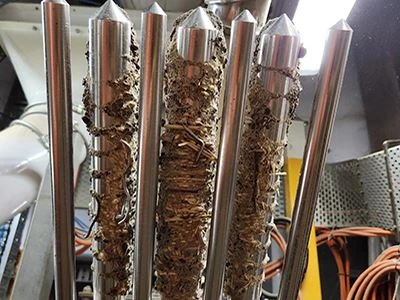
A magnetic grate takes more time to clean because it has several magnetic bars and a frame. Metal may collect on each bar, while powder or granules may stay around corners, joints, or welded areas.
Maintenance also differs. A single magnetic rod mainly needs surface checks. A magnetic grate needs checks on the bars, frame, welds, handles, and any removable parts.
What to Check Before Ordering
Before ordering a magnetic bar or magnetic grate, confirm the equipment opening first. For a magnetic bar, check the required diameter, length, end design, magnetic strength, surface material, and working temperature.
For a magnetic grate, confirm the frame shape, frame size, bar diameter, bar spacing, number of bars, mounting method, and cleaning direction. If it will be installed in a hopper, chute, bin, or housing, the opening size and available removal space should also be checked.
You should also provide the material type, flow width, flow depth, flow rate, and expected ferrous metal contamination. For food or fine powder lines, surface finish and welding requirements may also need to be confirmed.
For OEM or system integration projects, drawings, sample dimensions, or photos of the installation position are helpful.
Conclusion
Magnetic bar and magnetic grate should not be judged as two completely separate machines. A magnetic bar is the basic magnetic part. A magnetic grate is a frame made from several magnetic bars.
So the real choice is not "which one is better." It depends on whether your equipment requires a single magnetic contact point or a wider frame to cover the material flow.
For a small test point, narrow flow path, or replacement need, a magnetic bar may be enough. For a hopper, chute, bin, or wider opening, a magnetic grate is usually the more practical structure.
Great Magtech can make magnetic bars and magnetic grates based on your drawing, size, and installation requirements.
FAQ
Q: Is a magnetic bar the same as a magnetic rod?
A: Yes. In industrial magnetic separation, the terms magnetic bar, magnetic rod, and magnetic tube usually refer to the same product type.
Q: Can I replace only one damaged magnetic bar in a grate?
A: In some designs, yes. It depends on whether the bars are removable or fully welded into the frame. The original size and end structure need to match.
Q: Should I choose neodymium or ceramic magnetic bars?
A: Neodymium is used when a stronger magnetic force is needed. Ceramic magnets may be enough for larger ferrous pieces or lower-cost applications.
Q: Can a magnetic grate be used in a food line?
A: Yes, but stainless steel grade, weld quality, surface finish, and cleanable structure should match the hygiene needs of the line.
Q: What if my material does not fall evenly across the grate?
A: Uneven flow can reduce contact with some magnetic bars. In this case, the feeding method, bar layout, and installation angle should be checked.
Q: Can magnetic grates handle large material flow?
A: Yes, but the frame size, bar spacing, and material depth need to match the flow. If the layer is too thick, some material may not contact the magnetic bars well.
Q: How do I know if the magnetic strength is enough?
A: You can check the metal size, material depth, and how close the material gets to the magnetic surface. For uncertain cases, sample testing is better than choosing by Gauss value alone.