











A tiny piece of metal in your liquid line can cause big problems. It can damage pumps, ruin a whole batch of product, and lead to expensive downtime.
For a long time, standard filters were the only solution. But is that still the best choice?
Magnetic liquid traps offer a different way to capture metal contaminants. They don't just block particles; they actively pull them out of the flow.
This guide will simply compare magnetic traps with traditional filters. We'll look at how they work, where they excel, and how their costs really stack up. Our goal is to give you the clear information you need to protect your process and your budget.
What Are Magnetic Liquid Traps and Traditional Filters?
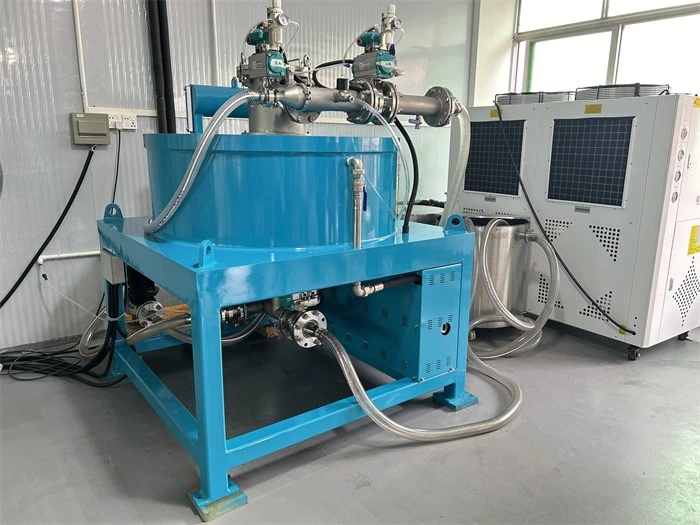
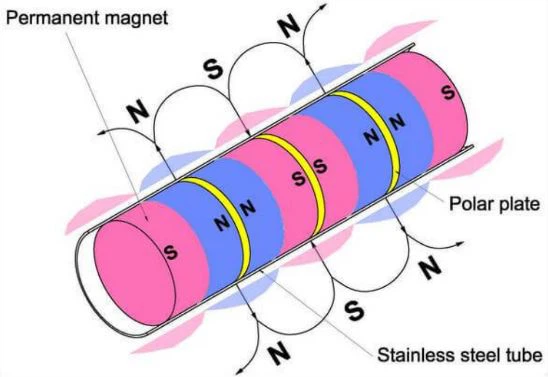
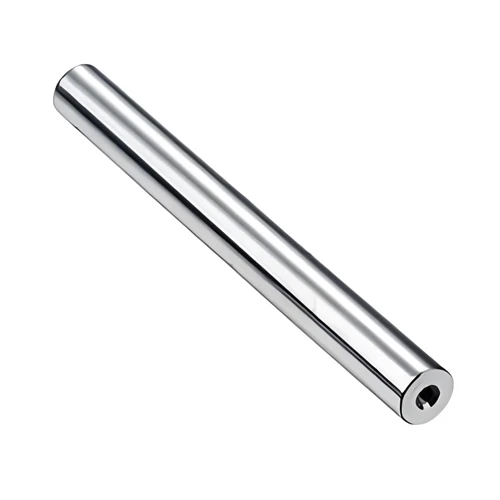
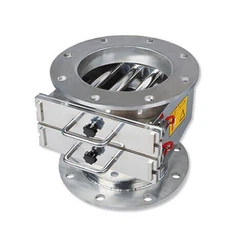
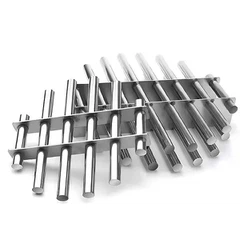
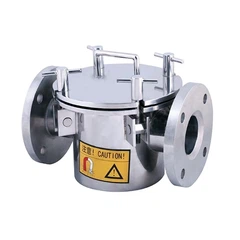
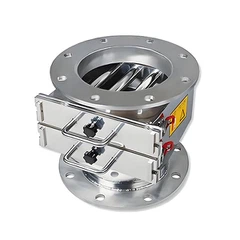
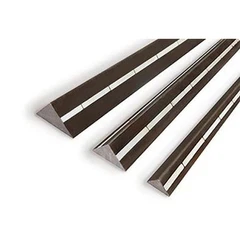
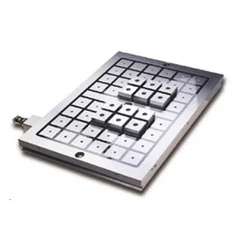
A magnetic liquid trap is a device built to remove metal particles from liquid lines. It uses high-strength magnetic bars placed inside a stainless-steel housing, allowing the magnets to capture fine ferrous debris as the liquid flows through. You'll see these traps used in products like milk, chocolate, syrup, water, oil, and chemical solutions.
Traditional filters are mechanical barriers that rely on mesh, screens, or filter media to stop solid particles based on size. They are commonly used in liquid processing when you need a simple, physical way to hold back larger debris or non-metal materials.
How Do Magnetic Filters Work?
A magnetic filter acts like a powerful trap for metal inside your pipe. As liquid flows through, it creates an invisible magnetic field that grabs ferrous particles-things like iron and steel. The clean liquid moves on, while the metal is held firmly in place.

Key Components of Magnetic Filters
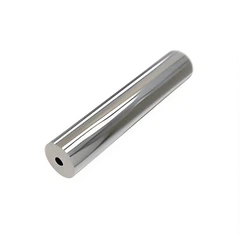
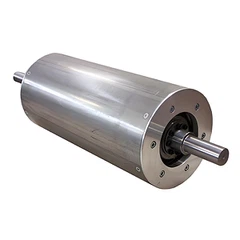
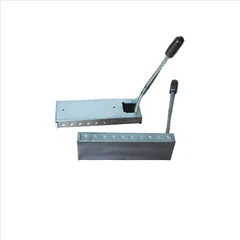
The system is surprisingly simple. Its main parts are a stainless steel housing and a powerful internal magnet, often made from neodymium. This magnet is the heart of the system. Many designs also include a simple mechanism for wiping the collected metal off the magnet when it's time for cleaning.
Advantages of Magnetic Filters
They capture tiny metal bits, even microscopic shavings that slip right through many screens.
You don't buy replacement parts. There are no filter bags or cartridges to throw away.
They don't slow your flow. Because there's no fine mesh to clog, they maintain consistent pressure.
Cleaning is often quick. You can usually wipe the magnet clean without stopping your process.
Limitations of Magnetic Filters
They only catch magnetic metals. If your main problem is sand, plastic, aluminum, or other non-magnetic materials, a magnetic trap won't solve it. For those, you still need a traditional filter.
How Do Traditional Filtration Systems Work?
Traditional filters work like a sieve. They are a physical barrier placed in the liquid's path. The fluid is forced through a material with tiny holes, while any particles larger than those holes get trapped. It's a straightforward, passive way to separate solids from liquids.
Types of Traditional Filters
You'll typically encounter a few common types:
Bag filters, where liquid passes through a reusable or disposable fabric bag.

Cartridge filters, which use a replaceable porous element, are often made of pleated material or wound string.
Screen filters, featuring a metal or plastic mesh to catch larger debris.
Advantages of Traditional Filters
Their main strength is versatility. They can catch almost any type of solid contaminant, sand, plastic, rust, you name it. They are a well-understood technology with low upfront costs, making them an easy first choice for many general applications.
Limitations of Traditional Filters
The biggest drawback is ongoing cost and maintenance. You must regularly buy and replace the filter elements. This process often requires stopping your equipment. Also, as the filter collects debris, it can slow down your flow and increase pressure, hurting efficiency.
Performance Comparison: Efficiency, Purity & Flow Rate
Below is a simple table that helps you see how magnetic filters and traditional filters perform in key areas. It gives you a quick, clear view of what each system does well and where each one may fall short.
|
Feature |
Magnetic Liquid Trap |
Traditional Filter |
|
Efficiency on Ferrous Metals |
Excellent. Removes even microscopic iron and steel particles. |
Limited. Only catches particles larger than the filter's pore size. |
|
Final Product Purity |
Achieves extremely high purity from metal contamination. |
Good for larger particles, but fines can pass through or be shed. |
|
Impact on Flow Rate |
Minimal to no pressure drop. Flow remains consistent. |
Pressure drops as the filter clogs, reducing flow over time. |
|
Handling Fine Particles |
Highly effective on fine metallic "fines" and shavings. |
Ineffective against particles smaller than its micron rating. |
|
Best Use Case |
Metal contamination control |
General-purpose liquid filtration |
Applications in Food, Dairy, Beverage, Water Treatment, and Chemicals
Where you use these filters matters just as much as how they work. Each industry faces unique contamination challenges. Let's look at where each technology fits best.
Food, Dairy, and Beverage
In these sectors, product safety is everything. A stray metal fragment can mean a costly recall.
Magnetic liquid traps are ideal here. They silently protect your product flow, whether it's tomato sauce, chocolate, milk, or beer, from metallic wear particles from processing equipment. Their clean-in-place (CIP) design fits perfectly into strict hygiene protocols without creating disposable waste.
Traditional bag or cartridge filters still have a role. They are excellent for removing non-metallic contaminants like husks, seeds, or clumped ingredients.
Water Treatment
Protecting pumps and membranes is a primary goal.
Magnetic traps efficiently pull out iron rust and other ferrous grit from the water stream. This prevents abrasive damage to expensive components.

For sand, silt, and organic matter, a multi-bag filter or screen filter is the necessary first step. They handle the high-volume, coarse filtration that magnets can't touch.
Chemical and Pharmaceutical
Here, the focus is on catalyst purity, protecting sensitive equipment, and ensuring batch consistency.
A magnetic filter provides a reliable way to capture metal catalysts or ferrous impurities without introducing any filter media that could react with the chemicals.
For processes requiring sterile filtration or the removal of non-metallic residues, a high-purity cartridge filter is the undisputed solution. It provides the absolute barrier needed for final product purity.
Cost & ROI Analysis: Magnetic Filters vs Traditional Filters
Looking only at the price tag can be misleading. The real story is in the total cost over time. Let's break down where your money actually goes.
The Upfront Investment
There's no getting around it. A magnetic liquid trap usually costs more to purchase and install than a simple bag filter housing. This higher initial investment is often the biggest hurdle.
A traditional filter system seems cheaper at the start. The equipment itself is less expensive, which makes it an attractive option for tight budgets.
The Long-Term Picture
This is where the comparison gets interesting.
With a magnetic trap, your ongoing costs are virtually zero. There are no disposable parts to buy. You just clean the magnet periodically. The money you save on replacement bags or cartridges stays in your pocket.
A traditional filter, on the other hand, comes with a subscription-like cost. You are constantly buying new filter elements. This adds up, month after month, year after year.
The Hidden Savings
Think about the cost of downtime. Stopping a production line to change a clogged filter costs you in lost time and product. Magnetic traps, which often allow for quick, in-line cleaning, minimize this disruption.
They also protect your pumps and valves from abrasive metal wear. This can mean fewer repairs and longer equipment life, another financial benefit that doesn't show up on a filter invoice.
The bottom line? If you have a consistent problem with ferrous metals, a magnetic filter often pays for itself within a year or two through reduced consumable costs and less downtime.
How to Choose the Right System for Your Application
Choosing between a magnetic filter and a traditional filter depends on the liquid you're working with, the level of purity you need, and the type of contaminants you want to remove.
Know Your Contamination Type
If you're dealing with metal particles, even tiny ones, a magnetic filter will give you better results. For larger non-metal debris, a traditional filter is often enough.
Check Liquid Viscosity
Thick liquids like chocolate, cream, glue, or slurry move slowly and can clog a screen. Magnetic traps handle these liquids well because they don't block the flow.
Consider Your Purity Requirements
High-purity industries such as food, dairy, and chemicals often need magnetic filtration to avoid product recalls and equipment damage.
Think About Maintenance
If you want fewer replacements and less downtime, a magnetic system may suit you better. Traditional filters need more frequent checks and part changes.
Match the System to Your Pipeline
Look at your pressure range, pipe size, temperature, and flow rate. The right choice is the one that fits your daily operation without slowing it down.
Maintenance and Cleaning Requirements
The day-to-day upkeep of these two systems is where they feel completely different. One is about cleaning and reusing, the other is about replacing.
Magnetic Liquid Trap Maintenance
Maintaining a magnetic trap is a simple, hands-on task. When enough metal collects on the magnet, you need to clean it.
The process is straightforward. You typically isolate the unit, remove the magnetic cartridge, and wipe the accumulated metal sludge into a container. Many designs allow for this without disconnecting pipes. After a quick wipe-down, you reinstall it. The whole thing is back in service in minutes.
There are no parts to throw away. You are just cleaning the core component.

Traditional Filter Maintenance
Here, maintenance means replacement. When a bag or cartridge filter gets clogged, the pressure drop increases and the flow slows down. You have to shut down the process.
Then you open the filter housing, remove the used, often dirty filter element, and put in a new one. You must properly dispose of the old one.
This cycle repeats itself over and over. It creates a steady need for new filter inventory and dedicated labor time for the swap.
Conclusion
Magnetic filters and traditional filters serve different roles, and the right choice depends on your process. If your line faces fine metal contamination or needs higher purity, a magnetic liquid trap offers clearer benefits, better protection, fewer stoppages, and more stable flow. Traditional filters are still useful when removing larger solids or acting as a first-stage barrier.
For industries like dairy, chocolate, beverages, chemicals, and water treatment, magnetic filtration often delivers stronger long-term value. Great Magtech designs magnetic liquid traps that match real operating conditions, helping you cut downtime and keep your product clean. If you're looking for a solution that improves both quality and reliability, upgrading to a well-built magnetic system is a smart next step.
FAQ
Q: Can magnetic filters replace traditional filters completely?
A: Not always. Magnetic filters work best for fine metal contamination, while traditional filters are still needed for large debris, sand, pulp, or plant fibers. Many lines use both systems together.
Q: How often should I clean a magnetic filter?
A: Cleaning depends on your contamination level. Some lines require daily cleaning, while others only need weekly checks. The process is simple: wipe the magnetic bars and place them back.
Q: What Gauss strength do I need for my application?
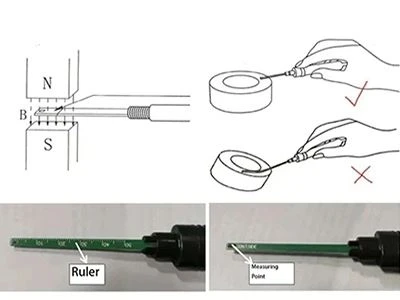
A: Most liquid lines use 8,000–12,000 Gauss bars. Thick or high-risk products, such as chocolate or chemical slurry, may need stronger magnetic strength for better capture.
Q: Does Great Magtech offer custom magnetic filtration systems?
A: Yes. Great Magtech provides custom pipe sizes, magnetic strengths, housing styles, and sanitary options to match your exact production line needs.
Q: Are magnetic liquid traps suitable for food and beverage processing?
A: Yes. They are typically built from 304 or 316L stainless steel and are widely used in milk, juice, chocolate, and sauce production.