

























Magnets are everywhere, inside motors, generators, medical devices, and even your smartphone. Yet, few people truly understand what sets a permanent magnet apart from an electromagnet. Although both create magnetic fields, their working principles, materials, and applications are fundamentally different. Understanding these differences helps you choose the right type of magnet for your equipment or production line - saving energy, cost, and improving reliability.
If your work involves automation, separation, or precision components, this knowledge becomes even more important. For example, if you need a powerful magnetic force without electricity, you might consider a neodymium magnet, one of the strongest types of permanent magnets used across industries today.
Understanding the Basics of Magnetism
Before exploring the differences between permanent magnets and electromagnets, it's important to understand the basics of magnetism. Magnetism is a natural force that causes certain materials to attract or repel each other. You see it most clearly when a magnet pulls metal objects, such as iron or steel, toward it. Every magnet has two poles, a north and a south, where the magnetic field is strongest. When opposite poles face each other, they attract; when similar poles meet, they repel. This simple principle forms the foundation of how both permanent magnets and electromagnets work in your everyday applications.
What Is a Permanent Magnet?
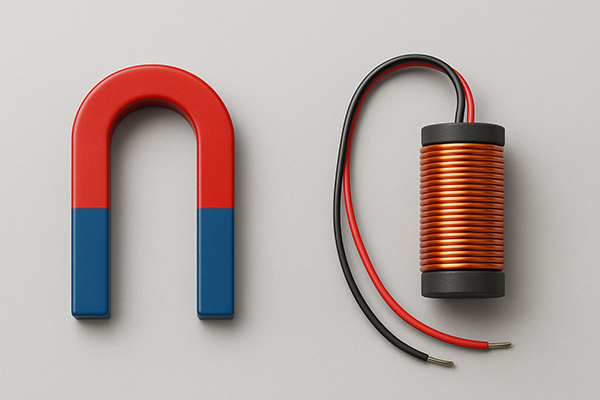
A permanent magnet is a material that produces its own magnetic field without needing electricity. It keeps its magnetism over time, which means you don't have to power it for it to work. The magnetism comes from the alignment of microscopic magnetic domains within the material. Once magnetized, the domains remain aligned, maintaining their magnetic strength for years.
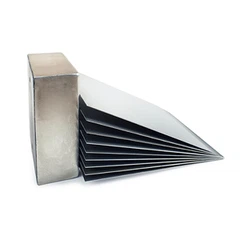
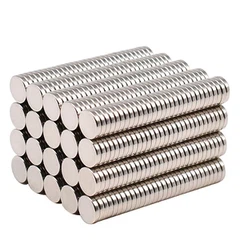
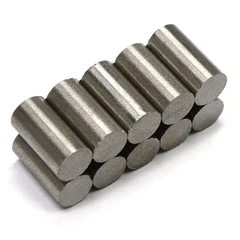
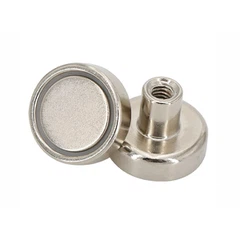
Common materials include neodymium (NdFeB), samarium cobalt (SmCo), ferrite, and alnico. Among them, neodymium magnets are the most powerful, capable of lifting objects hundreds of times their weight. Because they don't consume electricity, permanent magnets are highly efficient and cost-effective for long-term use.

What Is an Electromagnet?
An electromagnet generates magnetism only when an electric current flows through its coil. It's made by wrapping a wire, usually copper, around an iron core. When you turn on the electric current, the iron core becomes magnetized, creating a strong magnetic field. Once the power is turned off, the magnetism disappears. You can easily adjust the strength of an electromagnet by changing the electric current, giving you more flexibility than a permanent magnet.

Key Differences Between Permanent Magnets and Electromagnets
While both create magnetic fields, their differences define their performance and usage. Here's how they compare:
|
Feature |
Permanent Magnet |
Electromagnet |
|
Source of Magnetism |
Atomic alignment (material-based) |
Electric current (energy-based) |
|
Power Requirement |
None |
Requires continuous current |
|
Magnetic Strength |
Fixed |
Adjustable |
|
Temperature Resistance |
Can weaken under heat |
Controlled by current and design |
|
Lifespan |
Long, stable magnetism |
Depends on electrical and mechanical conditions |
|
Energy Efficiency |
Highly efficient |
Consumes energy during operation |
|
Control |
Static |
Dynamic and programmable |
If you need a stable, long-term magnetic force, a permanent magnet is the better choice. But if your process demands variable strength or on–off control, an electromagnet provides more flexibility.
Advantages and Disadvantages of Permanent Magnets and Electromagnets
Understanding the pros and cons of each type of magnet can help you select the most suitable one for your project.
Permanent Magnets
Advantages: Permanent magnets operate without electricity, making them energy-efficient and reliable. You can place them in your devices or equipment and expect them to keep working for years without maintenance. They're also simple to install and ideal for applications that need a steady magnetic force, such as neodymium magnets in motors or separators.
Disadvantages: The magnetic strength of a permanent magnet is fixed, so you can't adjust it once it's made. Some materials can lose their magnetism if exposed to high heat or strong external magnetic fields.
Electromagnets
Advantages: Electromagnets give you control over magnetic strength. You can turn them on and off or adjust their force by changing the electric current. This flexibility is great for lifting heavy objects, moving materials on a conveyor, or automating machinery.
Disadvantages: Electromagnets require a constant power supply, which can increase energy costs. They also generate heat during use and need proper maintenance to ensure long-term reliability.
Common Uses of Electromagnets
Electromagnets are highly versatile, and you'll find them in many industries where control and strength are essential.

Industrial Lifting
You can use electromagnets in cranes to lift heavy steel plates, scrap metal, or other ferrous materials. The ability to turn the magnet on and off makes handling large loads safer and more efficient.
Manufacturing and Automation
In factories, electromagnets hold parts in place on assembly lines or in machining operations. You can adjust their strength depending on the weight and size of the components, giving you precise control over production processes.
Transportation and Technology
Electromagnets play a role in maglev trains, electric motors, and relays. Their controllable magnetic field allows you to manage motion, speed, and mechanical operations effectively.
Medical Applications
In hospitals, electromagnets are key in devices like MRI machines, where strong and adjustable magnetic fields are necessary for imaging the human body safely.
By using electromagnets in these ways, you can take advantage of their flexibility and power to improve efficiency and safety in your work.
Common Uses of Permanent Magnets
Permanent magnets are widely used in situations where you need a steady magnetic force without relying on electricity.

Electric Motors and Generators
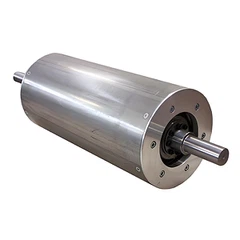
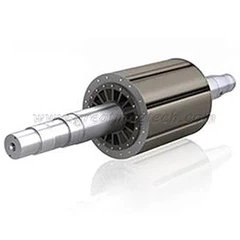
You'll find permanent magnets in motors and generators, where they provide a constant magnetic field to help convert electrical energy to mechanical energy, or vice versa. Their reliability ensures smooth operation over time.
Magnetic Separators
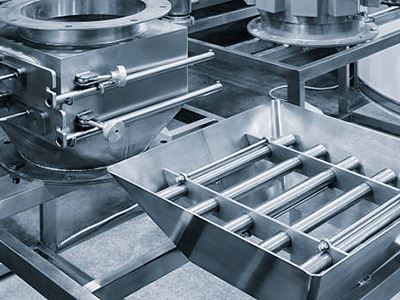
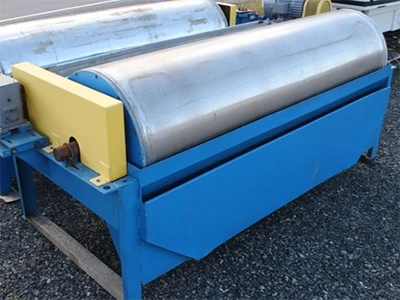
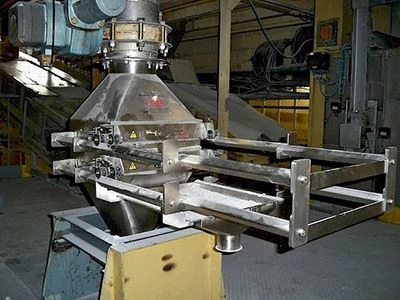
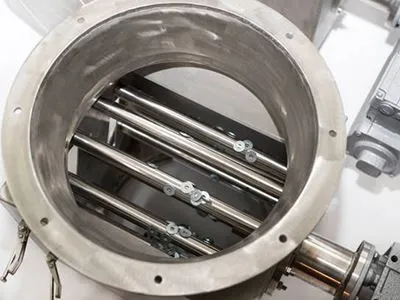
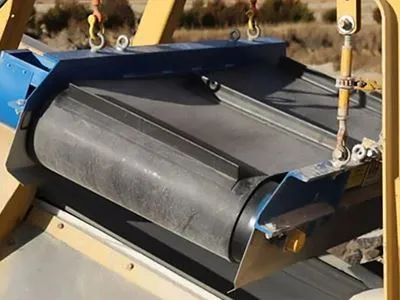
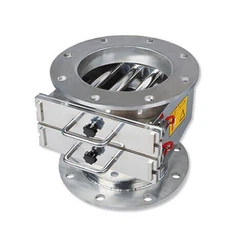
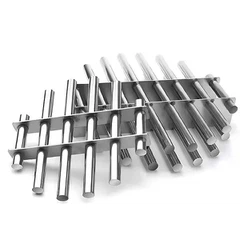
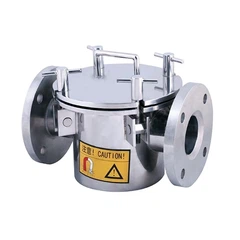
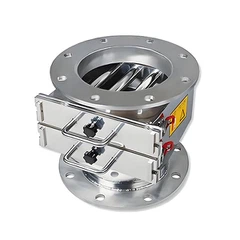
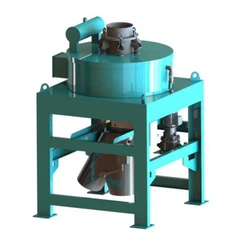
In industries like food processing, chemicals, and powder production, permanent magnets help remove metal impurities from materials. Using strong neodymium magnets ensures that even small ferrous particles are captured, keeping your products pure and machinery safe.
Sensors and Switches
Permanent magnets are also used in sensors and switches, providing consistent magnetic fields for detecting position or movement. This makes your devices more precise and dependable.
Consumer Electronics
You'll encounter permanent magnets in headphones, speakers, magnetic closures, and other small electronic devices. Their durability and constant strength make them ideal for everyday use.
With these applications, permanent magnets deliver reliable performance and simplicity, making them a key choice for both industrial and consumer solutions.
Future Innovations in Magnetic Technology
Magnetic technology is constantly evolving, and you'll see new solutions that make magnets stronger, lighter, and more efficient. Researchers are developing high-temperature neodymium magnets that keep their power even in extreme heat. Hybrid designs that combine permanent magnets with electromagnets are also emerging, giving you both constant force and controllable strength.
Sustainability is another focus. Recycling rare-earth materials and creating magnets with lower environmental impact are becoming priorities. As these innovations continue, you'll have more options for industrial automation, renewable energy, and advanced electronics, allowing you to choose magnets that meet both performance and efficiency needs.
Conclusion
In essence, the difference between a permanent magnet and an electromagnet lies in how each generates magnetic force, one through material properties, the other through electric current. Permanent magnets offer stability and simplicity, while electromagnets bring flexibility and control.
When choosing between them, think about your specific application: Do you need constant force or adjustable strength? The right choice ensures long-term reliability and efficiency.
At Great Magtech, we supply a full range of both permanent magnets and electromagnet solutions designed for industrial, automation, and engineering use. Whether you're selecting a neodymium magnet for high-strength performance or a custom electromagnet for dynamic applications, our team can help you find the perfect magnetic solution for your needs.