







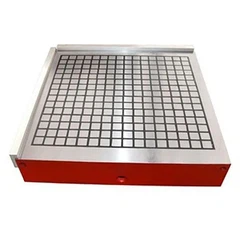
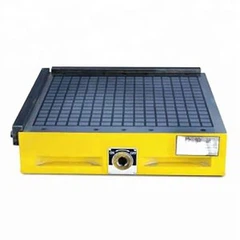
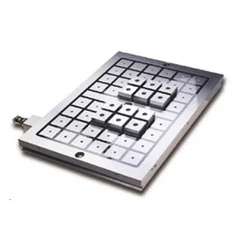


In precision grinding, even the slightest movement can ruin a part, so your holding method can't be the weak point. A magnetic chuck solves that problem. It creates a flat, stable surface that locks your workpiece in place using magnetic force, giving you a solid base for accurate grinding. When the part stays steady and true, you get cleaner passes, sharper edges, and a consistent finish, without dealing with clamps or worrying about parts shifting mid-operation.
What Is a Magnetic Chuck?
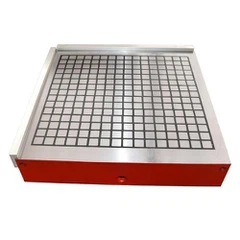
A magnetic chuck is a workholding device used on grinding machines. uses magnetic force to secure metal parts during grinding. You simply place your steel or iron part onto the chuck's flat surface. Instead of relying on clamps or bolts, it holds the workpiece flat against its surface, giving you a stable base for accurate cuts and smooth finishes. You place the part on the chuck, switch it on, and the magnetic field grips the piece evenly. This gives you a completely flat, stable base for your grinding operations.
Why a Magnetic Chuck Is the Heart of Precision Grinding
A magnetic chuck sits at the center of every accurate grinding setup because it controls the one thing you can't afford to lose: stability. When the workpiece is fully supported and held flat, your grinder can do its job without fighting vibration, shifting parts, or uneven contact.
Stable Support Means Better Accuracy
A magnetic chuck spreads the holding force across the entire surface of the workpiece. This even support helps you keep the part from lifting or tilting during each pass, which is key when you're trying to hit tight tolerances.
It Protects the Geometry of the Part
By holding the piece without clamps, you avoid distortion, clamp marks, and pressure points that can affect the final shape. The magnetic field grips the part gently but firmly, allowing you to focus on achieving clean, consistent results.
It Reduces Setup Errors
With a flat and reliable surface under the part, you spend less time adjusting and more time grinding. In day-to-day work, this alone can make a noticeable difference in both accuracy and efficiency.
How a Magnetic Chuck Works in Grinding Operations
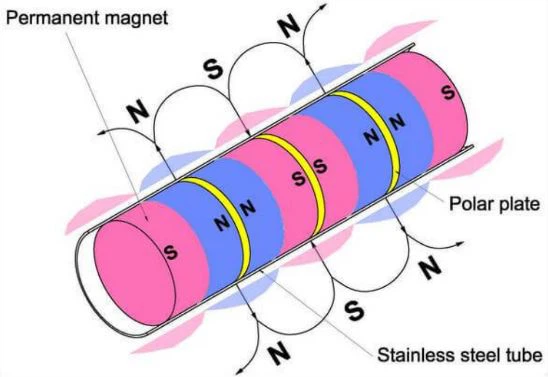
A magnetic chuck uses magnetic force to hold a steel workpiece in place while you grind it. Inside the chuck, permanent magnets or electromagnetic coils create a magnetic field that rises through the top surface. When you place a ferrous part on the chuck, the field pulls the metal down and locks it flat against the table.

How the Holding Force Forms
The magnetic poles line up inside the chuck.
The field passes through the workpiece.
Opposite poles attract, creating a firm grip.
This steady hold keeps the part from shifting or lifting as the wheel makes each pass.
Permanent magnetic chucks provide a constant pulling force, while electromagnetic types let you adjust the strength by changing the current. This helps when you're dealing with thin parts or pieces that need lighter pressure.
Once you're done grinding, you simply turn off the power on an electromagnetic chuck or switch off a permanent one. The magnetic pull drops, and the workpiece lifts off easily.
Types of Magnetic Chucks
Magnetic chucks come in several designs, each built for different grinding needs. Understanding the differences helps you match the right chuck to your work.
Permanent Magnetic Chuck
A permanent magnetic chuck uses fixed magnets to create a holding force. These chucks use powerful permanent magnets inside, usually made from materials like neodymium. It doesn't need electricity, and once it's engaged, the grip stays steady. This type works well for general grinding and everyday shop use.
Electromagnetic Chuck
An electromagnetic chuck uses electric current to generate magnetism. When you flip the switch, electricity flows through copper coils inside the chuck, generating a magnetic field. You can adjust the holding strength, which helps when you're working with thin parts or pieces that can warp under heavy force. The magnetic pull stops when you turn off the power, but a residual charge usually means you'll need to use a demagnetizer to release the part cleanly.
Electro-Permanent Magnetic Chucks
An electro-permanent chuck combines the strengths of both systems. Electricity is only used to switch the magnet on or off, while the holding force comes from permanent magnets. This design gives you strong, stable holding power without constant energy use, and it reduces heat buildup during long grinding runs.
Permanent vs. Electromagnetic Chuck
Choosing between a permanent magnetic chuck and an electromagnetic chuck comes down to how much control and stability your grinding job needs. The table below gives you a clear look at how the two compare.
|
Feature |
Permanent Magnetic Chuck |
Electromagnetic Chuck |
|
Power Source |
Uses built-in permanent magnets; no electricity needed |
Requires electricity to create a magnetic force |
|
Holding Strength |
Fixed strength; steady and reliable |
Adjustable strength based on current level |
|
Heat Generation |
Stays cool during long grinding jobs |
Can generate heat during extended use |
|
Setup Safety |
Holds even during power loss |
Loses holding force if power is cut |
|
Best For |
General grinding, small shops, long machining cycles |
Thin parts, delicate workpieces, jobs needing fine control |
|
Maintenance |
Low-noise coils or wiring to manage |
Higher-requires care of electrical parts and wiring |
|
Energy Use |
Zero energy during operation |
Continuous energy use while running |
|
Cost |
Usually more affordable |
Higher due to coils and control systems |
|
Precision Support |
Very stable for most grinding tasks |
Helpful when different parts need different holding levels |
7 Key Factors for Choosing a Grinding Magnetic Chuck in 2025
Picking the right magnetic chuck matters more than many people expect. The wrong choice can lead to poor accuracy, wasted time, and inconsistent finishes. These key points will help you make a better decision for your grinding work this year.
1. Pole Pitch
The spacing between magnetic poles affects how well the chuck supports your part. Fine pole designs work better for thin or small pieces. Standard poles handle larger, thicker parts.
2. Holding Strength
You need enough force to keep the workpiece from lifting during each pass. If you grind thin or delicate parts, adjustable strength can help you avoid distortion.
3. Workpiece Size and Shape
Make sure the chuck can fully support the surface area of your part. Full contact gives you better stability and a cleaner finish.
4. Heat Control
Electromagnetic chucks can warm up during long jobs. Too much heat may affect precision, so consider this if you often run extended grinding cycles.
5. Grinder Type
Surface grinders, cylindrical grinders, and CNC machines each benefit from different chuck styles. Matching the chuck to your machine helps you get smoother results.
6. Required Accuracy
High-precision work often calls for steady, even support. Permanent and electro-permanent designs help keep flatness and parallelism in check.
7. Power and Maintenance
If you prefer low maintenance and don't want to rely on electricity, a permanent magnetic chuck might suit you better. Electromagnetic options give more control but require more care.
Benefits of Using Magnetic Chucks for Grinding
A magnetic chuck gives you a simple way to keep parts steady, which directly improves the quality of your grinding work. By removing clamps and other obstacles, you create a cleaner, more predictable setup.

Faster Setup
You can place the part, switch on the chuck, and start grinding. This cuts down on adjustments and helps you move from one job to the next with less downtime.
Better Accuracy
With the entire surface supported, the workpiece stays flat and still. This reduces vibration, prevents lifting, and helps you achieve smoother finishes and tighter tolerances.
No Clamp Marks
Because the chuck holds the piece with magnetic force, there's no physical pressure to distort or mark the surface. This is especially helpful when you're finishing thin or delicate parts.
Safer, Cleaner Work Area
Fewer clamps and fixtures mean fewer items around the wheel. This gives you a clearer path, less risk of interference, and a more comfortable workflow.
Choosing the Right Magnetic Chuck for Grinding
Selecting the right magnetic chuck starts with understanding the type of work you handle every day. Different parts react differently to magnetic force, so your choice should fit the thickness, size, and accuracy you need.
Match the Chuck to the Workpiece
Thin or small parts do best on chucks that spread the magnetic field evenly. Larger or heavier pieces can handle stronger, standard-pole setups without losing stability.
Think About the Grinding Task
If you're running long cycles or tight-tolerance jobs, a chuck that stays cool and flat will help you keep consistent results. For parts that change from job to job, having adjustable strength can make your setup easier.
Fit It to Your Machine
Surface grinders, cylindrical grinders, and CNC machines each respond differently to workholding. When the chuck matches the machine's motion and contact area, you get smoother passes and fewer adjustments.
By looking at the part, the process, and the machine together, you can choose a magnetic chuck that supports clean finishes and reliable accuracy.
Conclusion
A good magnetic chuck gives you the steady support you need for clean, accurate grinding. When the workpiece stays flat and secure, you spend less time fixing setups and more time getting consistent results. By choosing the right chuck for your parts and machine, you can improve both precision and workflow.
If you're looking for reliable magnetic chucks or custom options, Great Magtech offers a full range of solutions designed for modern grinding work. You can learn more or request a quote directly at: https://www.greatmagtech.com/. Let's build a stronger foundation for your work.
FAQ
Q: Can I grind non-magnetic materials like aluminum or brass on a magnetic chuck?
A: Not directly. You'll need a secondary holding method. A common solution is to use a steel "subplate" or "carrier fixture" that is held by the chuck. You then mechanically clamp your non-magnetic material to that steel plate.
Q: My thin part seems to bend or distort when held. What's wrong?
A: This is often caused by too much magnetic pull or an unsuitable chuck. For thin work, you need a chuck with a fine pole pitch. This provides more holding points and distributes the force more evenly, preventing distortion. Also, ensure the part is perfectly clean and flat against the chuck.
Q: How do I maintain my magnetic chuck?
A: Daily, wipe it down with a clean, soft cloth and a mild cleaner to remove grinding dust and coolant. Never use a metal scraper. Periodically, check the surface for nicks or burrs. For long-term accuracy, the chuck will eventually need to be professionally re-ground to restore its flatness.
Q: How often should I have the chuck's surface re-ground?
A: It depends entirely on use. A chunk in daily production might need it every 12-18 months. Check it regularly with a dial indicator. If you see a deviation exceeding your grinding tolerance (e.g., more than 0.0005" or 0.012mm), it's time for service.
Q: Can magnetic chucks be repaired or serviced?
A: Most issues, such as surface wear or weakened coil performance, can be repaired by a qualified technician. Regular cleaning and maintenance help extend service life.
Q: Does Great Magtech offer custom magnetic chucks?
A: Yes. Great Magtech provides custom sizes, pole layouts, and special designs for both surface and cylindrical grinding.