

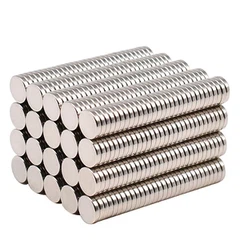
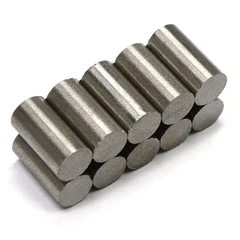
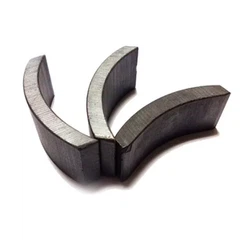
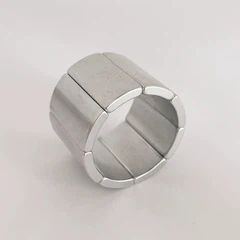





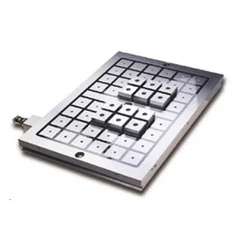


Magnetic separation technology is now, more than ever, a key process in various industries, ensuring material purity, efficiency in processing, and waste reduction. Higher gauss magnetic separators are among the main components for the separation of magnetic materials from complex streams and find their use in industries ranging from mining and recycling to food processing and pharmaceutical manufacturing. Yet, a misconception does persist that higher gauss ratings will always provide higher separation performance. In this article, we will explore the gauss magnetic separator in detail, We will discuss its types, applications, and common questions about the gauss magnetic separator.
Overview of Higher Gauss Magnetic Separators
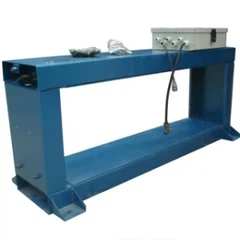
Separators based on magnetic properties help separate and concentrate magnetic materials from other materials. If you enter any industrial processing facility, you will find higher gauss magnetic separators integrated into machinery. They are effective during the separation of materials during proper processing. Higher gauss magnetic separators are being used in many industries, including mining, recycling, food and pharmaceutical, and chemical processing. They increase the purity of processed materials, reduce waste, increase efficiency in processing, and make separation much more accurate.

Understanding Gauss Ratings
Magnetic separators are typically classified across different gauss ranges:
Low gauss separators (1,000-3,000 Gauss):
- Ideal for preliminary screening
- Suitable for less demanding processes
- Effective with weakly magnetic materials
Medium gauss separators (3,000-7,000 Gauss):
- Most versatile range
- Covers standard industrial separation needs
- Optimal for recycling and mineral processing
High gauss separators (7,000-20,000 Gauss):
- Designed for advanced scientific and industrial applications
- Capable of separating extremely fine or weakly magnetic particles
- Requires precise engineering and specialized conditions
Different Types of Higher Gauss Magnetic Separators

There are the following types of higher gauss magnetic separators:
Permanent Magnetic Separators
Permanent magnetic separators utilize fixed permanent magnets and come in different forms of construction. The different types include: drum-type, plate-type, and pulley-type separators.
Drum Type Permanent Magnetic Separator
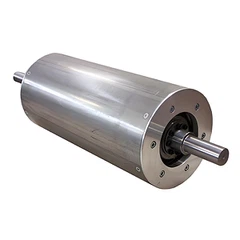
In very high-volume operations that require a continuous separation process, a drum-type separator will do the job. Drum-type separators have a rotating non-magnetic drum containing magnets fixed inside. Your material flows over the drum as magnetic particles stick to the surface and are then carried away from the main material flow.
Bulk material, such as mining ore, recycled waste, and ingredients in food production, can make use of these drum separators. It can process for uninterrupted long hours as it is intended for operations that are on a 24-hour run.
Plate Type Permanent Magnetic Separators
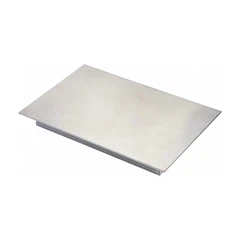
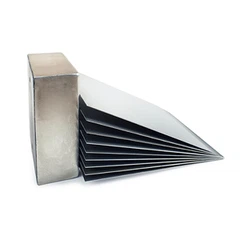
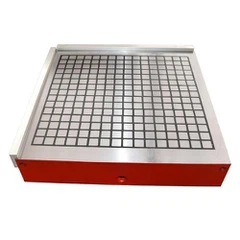
In applications such as stray metallic contamination elimination from a product stream, this is the simplest and effective solution: flat magnetic plates are installed above conveyor belts or transfer points such that magnetic particles snap up underneath; plate-type separators.
Pulley-Type Permanent Magnetic Separators
When it comes to conveyor systems, use a magnetic head pulley instead of a standard conveyor pulley. This way, you have an automatic metal removal system for continuous operation.
Magnetic items stuck in the belt are held slightly longer when the material end arrives at the end of the conveyor; naturally, it would build a point of separation.
This is particularly good if you have processed recycled materials where ferrous contamination is the norm or mined products.
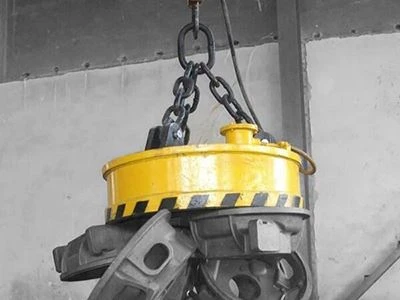
Electro Magnetic Separators
Adjustable magnetic field strengths are offered by electromagnetic separators. They are very common in processes requiring different levels of magnetic intensities.
Benefits of Having Height-Adjustable Field Strength
It allows fine-tuning of a magnetic field to meet your precise material requirements. This adjustability thus provides you with several benefits. These include:
1. You can process different materials on the same equipment by simply adjusting the field strength
2. You can optimize energy use by using only the magnetic strength necessary
3. You can adapt to changes in your input material characteristics
The above conditions qualify electro-magnetic separators as economic devices in operations involving different or changing materials.
Wet High-Intensity Magnetic Separators (WHIMS)
Whims has been developed for the separation of weakly magnetic from non-magnetic materials during the wet processing of these materials.
Wet processing contributes greatly to separation performance, especially with fine-particle material and those that tend to agglomerate. Whims involves the use of water (or sometimes other liquids) media to carry particles through the magnetic field.
Lesser friction promotes the precise separation of small particles. Water also disperses and separates particles, which would otherwise trap non-magnetics among the magnetics due to agglomeration.
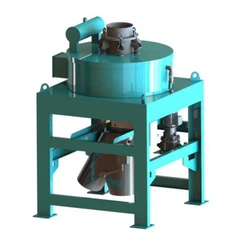
Dry High-Intensity Magnetic Separators
These separators are also classified under dry processes and are very effective in separating lightweight non-magnetic materials from magnetic materials.
Dry separation is purely working with raw materials that are in nonwetting conditions, or in cases where freshwater is hard to come by. Most of them would usually work well in deserts with their services or when harvesting moisture-sensitive materials.
Dry systems also provide separation without the need for a drying step in the subsequent stages or the total process, thus saving energy and time during the entire exercise. If the final product is required to remain dry, then these separators guarantee that a completely dry processing chain will be maintained.
The Complex Nature of Magnetic Separation
A perceived reality among many is that when it comes to selecting the right magnetic separator, there is no such thing as a one-size-fits-all solution. The working performance of a magnetic separator depends upon a delicate combination of many factors:
- Material magnetic susceptibility
- Particle size and composition
- Specific needs of the industry
- Work environment
- Separation objectives
Applications of Higher Gauss Magnetic Separators
Higher gauss magnetic separators are used in various industries and applications, including:
1. Mining and Mineral Processing:
Higher gauss magnetic separators apply strong magnetic separation fields to remove iron contamination, concentrate magnetic ores, and purify mineral streams, thus elevating overall processing efficiencies and quality of products. Higher gauss magnetic separators play a vital role in valuable minerals by extracting their ores from non-magnetic materials from different places as required.
2. Management of Recycling and Waste:
Advanced magnetic separation technologies enable recycling facilities to recover ferrous metals from mixed waste streams. High-performance higher gauss magnetic separators extract iron and steel, among other magnetic materials, from construction debris as well as municipal waste and electronic scrap, enabling a more sustainable waste processing and resource recovery approach.
3. Food Processing:
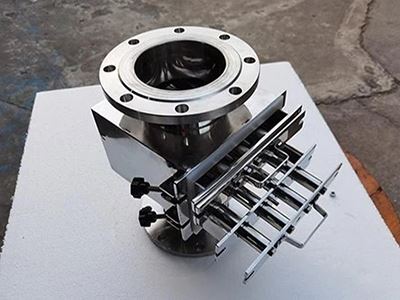
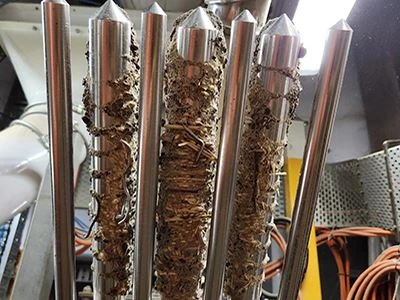
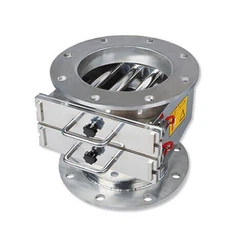
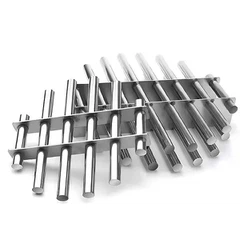
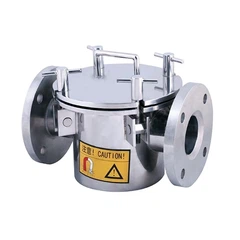
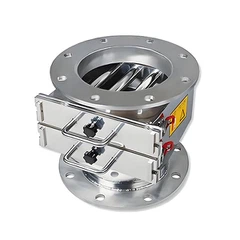
The higher gauss magnetic separators are used for quality in the food and beverages sectors; they also act as instrument safeguards. Magnetic traps and grate magnets will trap and collect all the metals, such as ferromagnetic particles, stainless steel nuggets, and other magnetic impurities from the raw ingredients to ensure that the integrity of the end product is well protected and that there is no damage to equipment caused during processing.
4. Pharmaceutical Manufacturing:

Precision gauss magnetic separator - strict purity standards are maintained in pharmaceutical manufacture using precision higher gauss magnetic separators. These sophisticated systems are built to capture micromagnetic particles from both liquid and powder formulations. Such strictness ensures product safety and compliance with fastidious quality control measures.
5. Petrochemical and Chemical Processing :
Such magnetic separation-based technologies in chemical plants are used to protect equipment from damage that occurs during the process and to ensure the integrity of the end product. These robust systems effectively eliminate problems like wear in the equipment and delivery of product consistency to final consumers from facilities involving various types of processing. Iron oxide, scale, and several other magnetic contaminants are chemically removed from very complicated streams using these strong separators.
Making the Right Choice for Your Operation
Prior to the purchase of any magnetic separator, one should thoroughly analyze the flow of materials. You should consider evaluating samples of the intended actual materials on different separator types for optimum performance concerning your special case.
Note that very often, having the highest Gauss rating is not necessary and even undesirable. Aim toward finding the most resource-efficient solution that meets your separation requirement while minimizing your capital investment and operating costs.
Proper Maintenance of Your Equipment
Even the best of magnetic separators will fail if not maintained properly. Along with regular cleaning of magnetic surfaces, wear on critical components, and verification of the magnetic field strength must be part of maintenance.
Specific schedules according to the manufacturer would have been recommended, depending upon your operating conditions. Compliance with these extracts maximizes performance and prolongs service life.
Future Trends in Magnetic Separation That You Should Be Aware of
The magnetic separation field is evolving, and manufacturers are designing improved layouts, stronger magnetic materials, and better control systems. Knowing about such advancements will assist you in planning for any future upgrades to your separation processes.
Some of the new trends include the following:
1. Integrated with digital monitoring systems to enable real-time performance accountability
2. Hybrid systems, which merge with other technologies along with magnetic separation
3. Energy-efficient electromagnetic designs, reducing operating costs
4. Advanced surface treatment designed to provide a higher life expectancy for harsh environments
By understanding these trends, you can make decisions on the technologies for separation that can be foreseen in the future.
Conclusion
The answer to the question "Is a higher gauss magnetic separator always the best?" is as simple as: not always. The best solution is dependent on knowing your specific materials, process requirements, and working conditions.
By taking the time to analyze your needs and consult specialists in separation technology, you will be able to find the most cost-effective solution for your operation. In many cases, this will be a custom approach combining different types of separators at various points in your process.